Table of Contents
Introduction: More Than Just Markers—A Cultural Staple
In a world where digital tools dominate communication, there’s something uniquely satisfying about the bold, permanent line of a Sharpie coloured pen. These iconic writing instruments have transcended their humble beginnings as classroom tools to become symbols of creativity, self-expression, and even nostalgia. Whether used by students doodling in margins, artists sketching murals, or DIY enthusiasts labeling handmade crafts, Sharpie coloured pens have earned their place as a staple in homes, schools, and studios worldwide. This article explores their history, design philosophy, cultural impact, and why they continue to captivate users across generations.
A Brief History: From Industrial Inks to Household Names
The Birth of a Brand: Sharpie’s Humble Beginnings
The Sharpie story starts in 1964, when brothers Charles and Alan Sharpe founded the Sharpe Pen Company in Toronto, Canada. Initially focused on producing durable, fade-resistant markers for industrial use (like labeling machinery), the brand quickly gained attention for its innovative ink technology. By the 1970s, Sharpie had expanded into consumer markets, introducing the now-iconic “Fine Point” and “Chisel Tip” markers—tools that balanced precision with bold color.
The Rise of the “Permanent Marker” Culture
In the 1980s and 1990s, Sharpie coloured pens became a cultural phenomenon. Their quick-drying, smudge-proof ink made them ideal for everything from note-taking to graffiti art, while their vibrant color range (from neon pink to metallic gold) appealed to a growing demand for self-expression. Schools began stocking them in classrooms, and teens embraced them as tools for personalizing notebooks, lockers, and clothing. By the 2000s, Sharpie had cemented its status as a household name, with lines like “Sharpie Ultra” and “Sharpie Art” catering to artists and crafters.
Modern Innovations: Staying Relevant in a Digital Age
Today, Sharpie coloured pens continue to evolve. While classic designs remain popular, the brand has introduced eco-friendly options (like recycled plastic barrels), ergonomic grips, and even “liquid chalk” markers for non-permanent applications. These updates ensure Sharpie stays relevant, appealing to both nostalgic adults and a new generation of users who value sustainability and versatility.
Design Philosophy: What Makes Sharpie Coloured Pens Stand Out
Color Diversity: From Classic to Bold
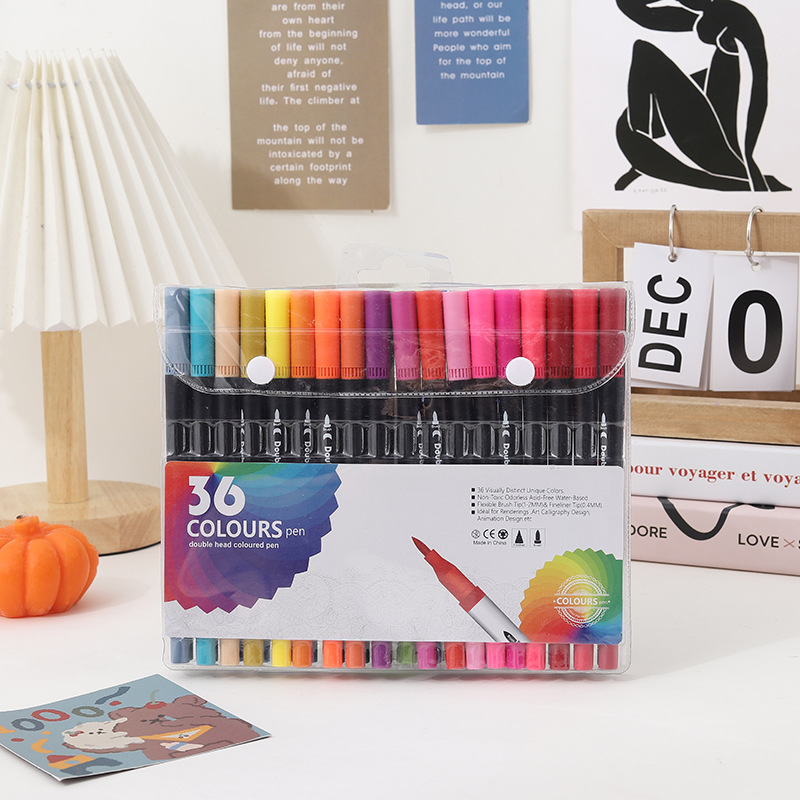
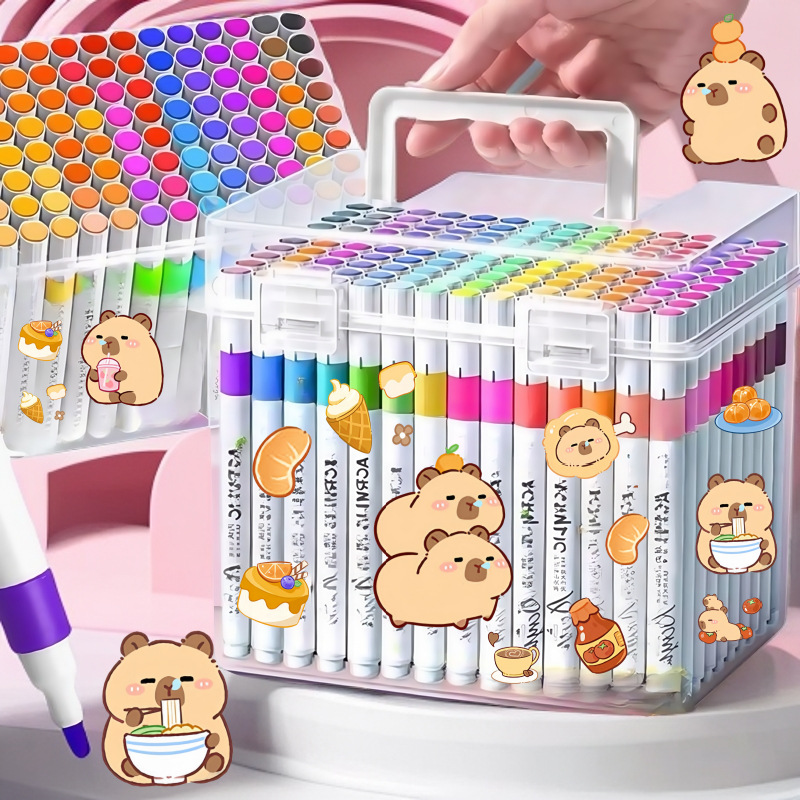
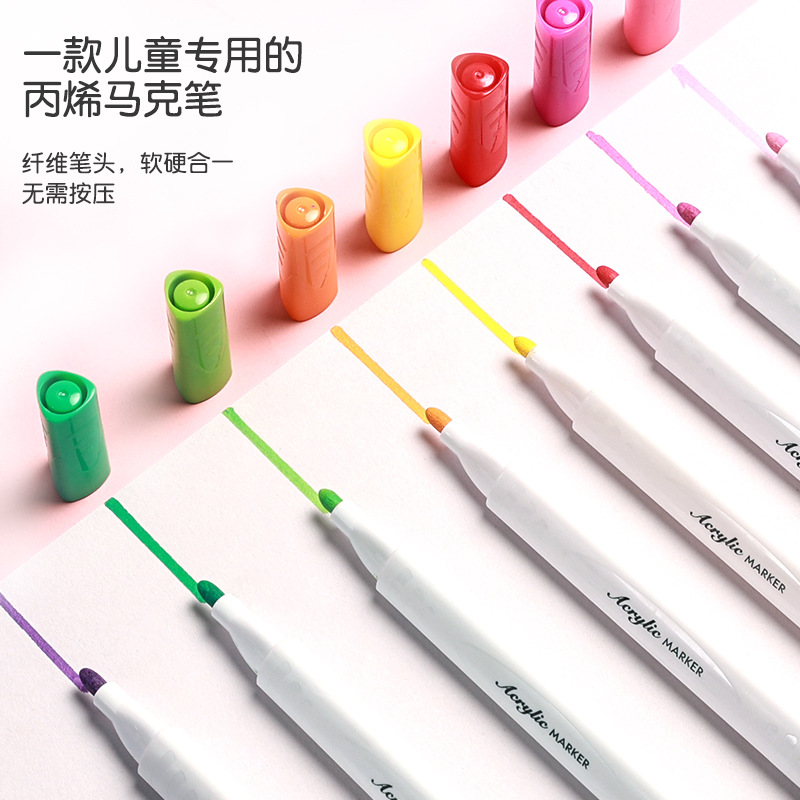
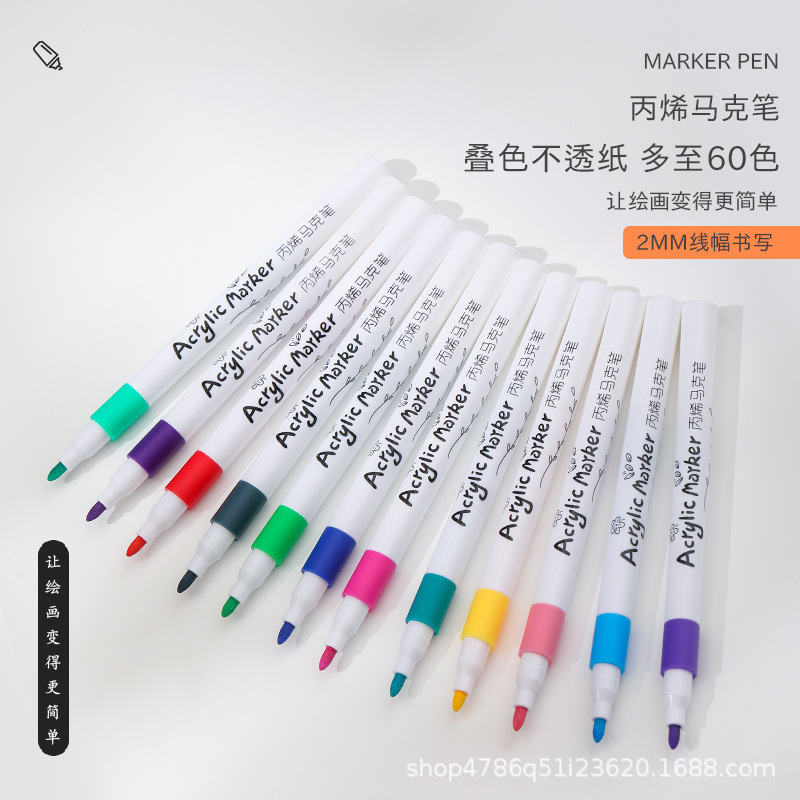
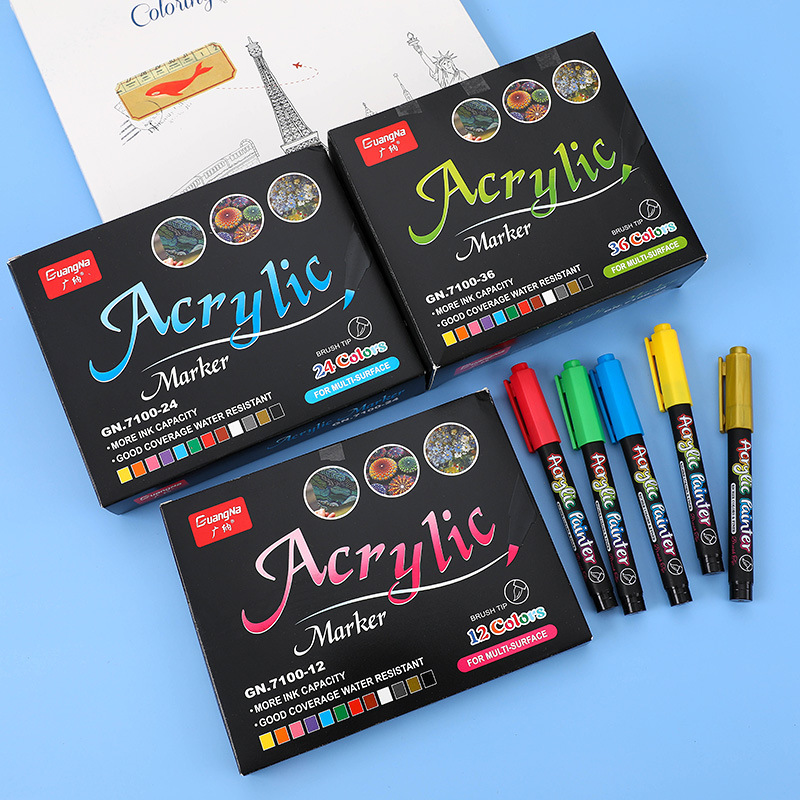
Sharpie coloured pens are celebrated for their extensive color palette. While traditional sets include basics like black, blue, and red, modern collections feature neon shades, pastels, metallics, and even “glow-in-the-dark” options. This diversity caters to every need—from subtle note-taking to vibrant art projects. For example, the “Sharpie Spectrum” line offers 50+ colors, making it a favorite among artists and designers.
Ink Technology: Permanent, Smudge-Proof, and Fade-Resistant
At the core of Sharpie’s appeal is its proprietary ink formula. Unlike water-based markers that bleed or fade, Sharpie’s solvent-based inks dry quickly, resist smudging, and retain vibrancy for years. This durability makes them ideal for labeling (think: organizing files, marking tools, or decorating jars) and artistic projects that need to stand the test of time.
Ergonomics and Usability: Designed for Comfort
Sharpie coloured pens are built with the user in mind. Their contoured barrels fit comfortably in the hand, reducing fatigue during extended use. The nibs—available in fine, medium, and chisel tip variations—offer precision for detailed work or bold strokes, catering to both precision-focused users (like drafters) and those who prefer expressive lines (like calligraphers).
Cultural Impact: Sharpie as a Tool for Self-Expression
In Schools and Classrooms: Fostering Creativity
Sharpie coloured pens are a classroom staple, used for everything from diagramming science projects to decorating bulletin boards. Teachers often praise them for encouraging students to engage with material creatively—turning notes into works of art or turning boring worksheets into interactive games. For many, the act of “color-coding” notes (using different colors to highlight key points) has become a lifelong study habit.
In Art and Craft Communities: A Medium for Innovation
Artists and crafters adore Sharpie coloured pens for their versatility. They’re used in mixed-media collages, custom sticker designs, and even large-scale murals. Platforms like Instagram and Pinterest are filled with #SharpieArt posts, showcasing how users transform ordinary surfaces (from rocks to canvas) into vibrant masterpieces. This grassroots creativity has turned Sharpie into a symbol of DIY culture.
In Everyday Life: Practicality Meets Personality
Beyond art and school, Sharpie coloured pens enhance daily life in small but meaningful ways. They’re used to label kitchen containers (so you never mix up sugar and salt), personalize gifts (adding handwritten notes to jars or cards), or even mark sports equipment (like water bottles for team practice). Their permanence ensures these little details last, adding a personal touch to everyday objects.
Choosing the Right Sharpie Coloured Pens for Your Needs
Consider the Task: Precision vs. Boldness
If you’re labeling small items or taking detailed notes, opt for fine-point pens (0.5mm or 0.7mm nibs). For projects requiring bold lines or filling large areas, chisel-tip pens (1.0mm or 2.0mm) are ideal.
Color Preferences: Match Your Mood or Project
Think about the vibe you want to create. Neon colors add energy to bullet journals, while pastels suit minimalist designs. Metallic shades (like gold or silver) work wonders for adding luxury to crafts, and glow-in-the-dark options are perfect for kids’ rooms or party decor.
Sustainability: Eco-Friendly Options
For environmentally conscious users, Sharpie offers recycled plastic barrels and “Sharpie Reusable” markers with refillable ink cartridges. These options reduce waste while maintaining the brand’s signature performance.
Conclusion: Why Sharpie Coloured Pens Endure
Sharpie coloured pens are more than just writing tools—they’re a bridge between practicality and creativity. From their industrial origins to their current status as cultural icons, these pens have adapted to meet the needs of generations, offering reliability, versatility, and a touch of personality. Whether you’re a student, artist, or someone who simply loves to color-code their life, Sharpie coloured pens remain an essential part of the modern toolkit.
How to purchase: https://looperbuy.com/search?keywords=sharpie+coloured+pens&globalType=1688
Frequently Asked Questions (FAQs)
- What’s the difference between Sharpie coloured pens and regular markers? Sharpie coloured pens use solvent-based ink, which is permanent, smudge-proof, and fade-resistant—unlike water-based markers that can bleed or wash off. This makes them ideal for long-lasting projects like labeling or art.
- How do I choose the right color for my project? Consider the purpose: bright neon colors work well for bold statements, pastels for subtle designs, and metallics for luxury touches. For general use, a classic set (black, blue, red, green) covers most needs.
- Are Sharpie coloured pens safe for children? Sharpie products labeled “non-toxic” are safe for kids, though adult supervision is recommended for young children to prevent accidental ingestion. Avoid using dark colors on porous surfaces (like skin) to prevent staining.
- Can I refill Sharpie coloured pens? While traditional Sharpie pens are disposable, the brand offers reusable options with refillable ink cartridges. These reduce waste and are a cost-effective choice for frequent users.
- How do I remove Sharpie stains from surfaces? For non-porous surfaces (like glass or plastic), use rubbing alcohol or a commercial marker remover. For porous materials (like fabric or wood), try a mixture of baking soda and water, or a specialized stain remover. Always test in a small area first.
Hot Tags: Sharpie coloured pens; Permanent markers; Creative tools; Classroom supplies; Art supplies; DIY crafts; Stationery essentials; Nostalgic stationery