Table of Contents
Introduction: The Timeless Elegance of Muslim Men’s Clothing
Clothing serves as more than just a practical necessity—it is a powerful expression of identity, faith, and cultural heritage. For Muslim men, traditional attire is deeply intertwined with religious values, regional traditions, and contemporary fashion trends. From the flowing elegance of the thobe to the structured formality of the sherwani, Muslim men’s clothing reflects a rich tapestry of history and modernity. This article explores the cultural significance, key garments, and evolving styles of Muslim men’s clothing, offering insights into how tradition and modernity coexist in the world of Islamic fashion.
The Cultural and Religious Importance of Muslim Men’s Clothing
Modesty as a Core Principle
Modesty is a fundamental value in Islam, and this principle is reflected in the design of traditional men’s clothing. Loose-fitting garments, long sleeves, and head coverings are common features that align with Islamic teachings on humility and decency.
Identity and Community Connection
Traditional attire often serves as a visual marker of religious and cultural identity. Wearing specific garments can signify belonging to a particular community, region, or school of thought within Islam.

Historical Influences on Muslim Men’s Clothing
Over centuries, Muslim men’s clothing has been shaped by trade routes, conquests, and cultural exchanges. From the flowing robes of the Middle East to the tailored garments of South Asia, each region has contributed unique elements to the broader Islamic fashion landscape.
Key Garments in Traditional Muslim Men’s Clothing
The Thobe: A Symbol of Arab Heritage
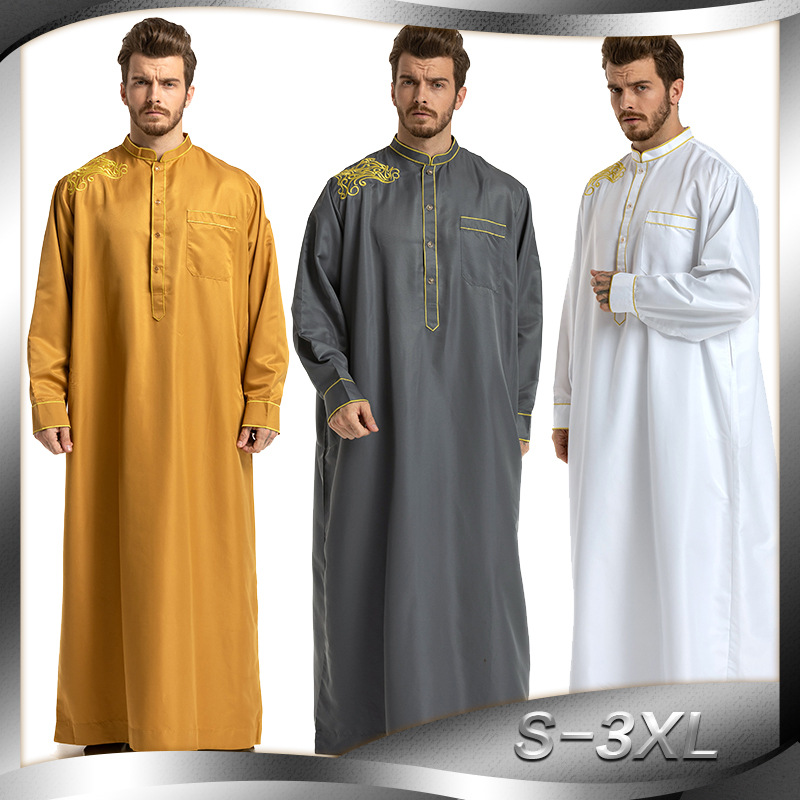
The thobe, a long, ankle-length robe, is one of the most recognizable garments in the Muslim world. Worn primarily in the Arabian Peninsula, it is typically made of lightweight fabric for daily wear and heavier materials for formal occasions.
The Sherwani: Elegance in South Asian Tradition
The sherwani is a long coat-like garment worn over a kurta (tunic) and pajama (loose trousers). Popular in South Asia, it is often associated with weddings and formal events, blending Islamic modesty with royal aesthetics.
The Kufi and Taqiyah: Head Coverings with Deep Meaning
Head coverings such as the kufi and taqiyah are worn by Muslim men as a sign of respect for God. These simple yet profound garments are often paired with traditional clothing and hold spiritual significance in Islamic practice.
The Jubbah and Bisht: Formalwear with Regional Flair
The jubbah is a long, loose-fitting coat worn in various parts of the Muslim world, while the bisht is a more ornate, cloak-like garment often draped over the shoulders during special occasions. Both reflect regional variations in Islamic fashion.
Modern Adaptations and Contemporary Styles
Fusion Fashion: Blending Tradition with Modern Trends
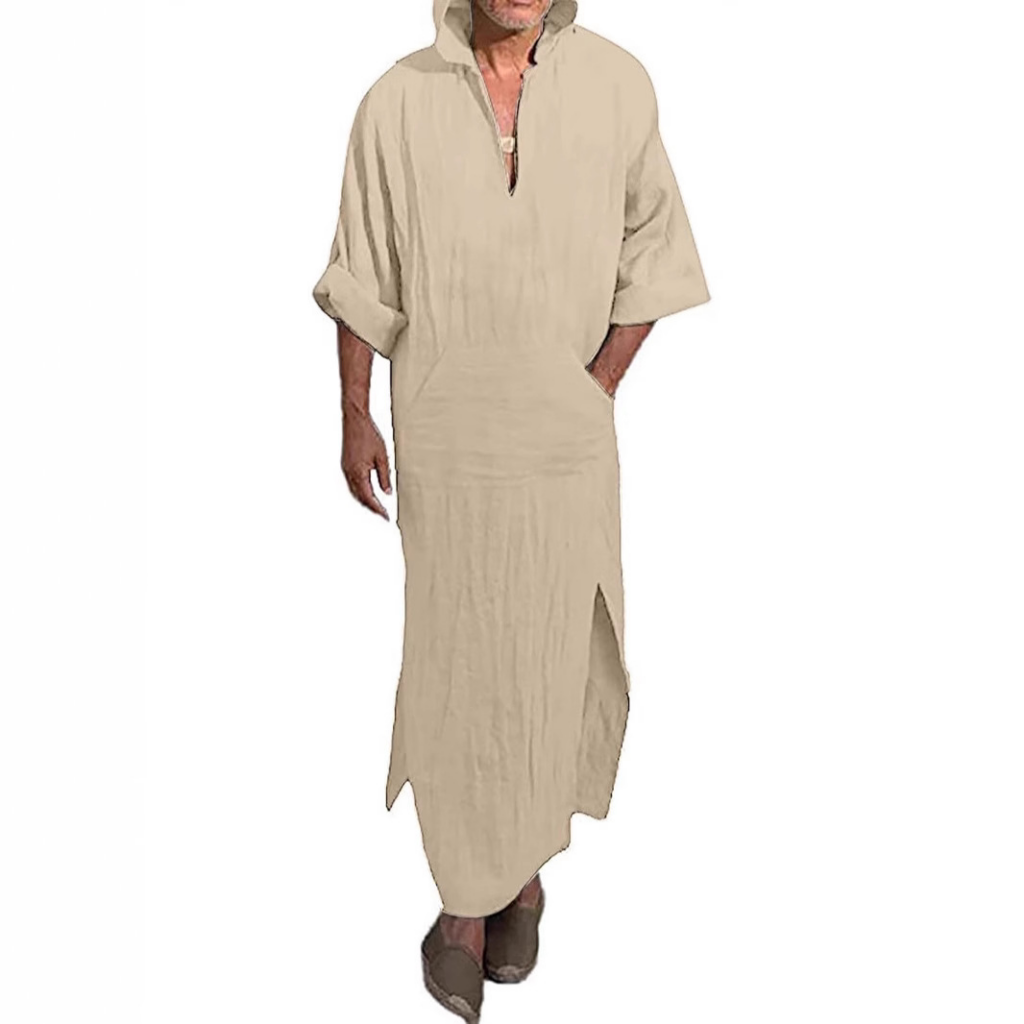
Today, many Muslim men seek clothing that balances tradition with contemporary style. Designers are creating modern interpretations of classic garments, incorporating sleek cuts, innovative fabrics, and global fashion influences.
Streetwear and Casual Muslim Men’s Clothing
Casual wear has also embraced Islamic modesty, with brands offering hoodies, joggers, and t-shirts designed to align with religious values. This trend has made modest fashion more accessible to younger generations.
Sustainable and Ethical Fashion in Muslim Communities
The global movement toward sustainability has influenced Muslim fashion, with designers using eco-friendly materials and ethical production methods. This shift reflects a broader commitment to environmental responsibility within the Islamic community.
Regional Variations in Muslim Men’s Clothing
Middle Eastern Styles: Elegance and Simplicity
In the Middle East, traditional attire like the thobe and bisht remains popular, with slight variations in fabric, color, and embroidery reflecting local customs and social status.
South Asian Traditions: Opulence and Detail
South Asian Muslim men’s clothing often features intricate embroidery, rich fabrics, and vibrant colors. The sherwani and kurta-pajama remain staples for formal and festive occasions.
Southeast Asian Influences: Light Fabrics and Tropical Adaptations
In countries like Indonesia and Malaysia, lightweight fabrics and loose designs are preferred due to the tropical climate. Traditional garments like the baju koko and songkok are commonly worn for religious and daily wear.
African Muslim Fashion: Bold Colors and Cultural Fusion
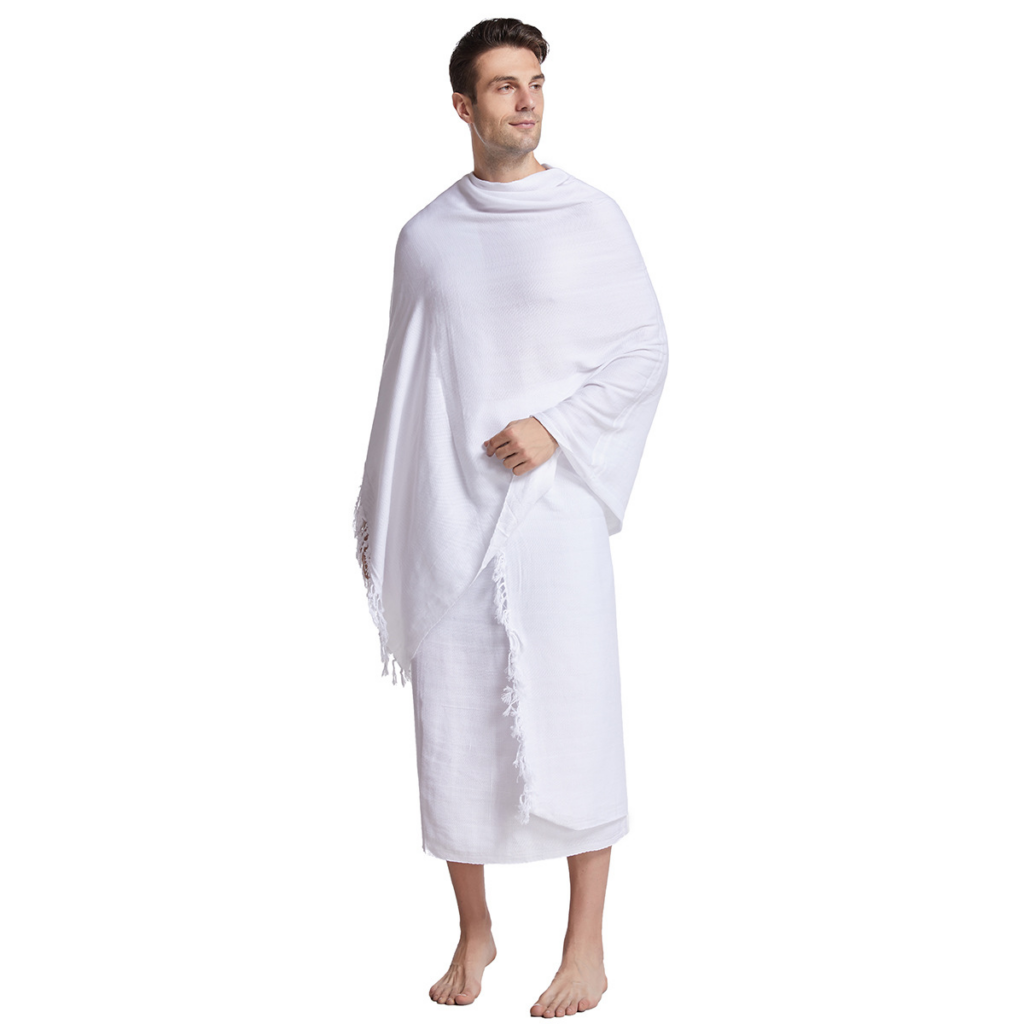
African Muslim men’s clothing often incorporates bold patterns, bright colors, and traditional textiles. Garments like the agbada and kaftan reflect a unique blend of Islamic and African cultural elements.
The Role of Muslim Men’s Clothing in Global Fashion
The Rise of Modest Fashion on International Runways
Modest fashion has gained global recognition, with Muslim designers showcasing their work at major fashion weeks. This trend has brought Muslim men’s clothing to a wider audience, highlighting its beauty and versatility.
Influence of Social Media on Muslim Fashion Trends
Platforms like Instagram and TikTok have become powerful tools for sharing fashion ideas, with Muslim influencers and designers promoting modest clothing as a stylish and empowering choice.
The Business of Halal Fashion: Opportunities and Challenges
The growing demand for modest clothing has created new business opportunities, but challenges remain in terms of production, marketing, and meeting diverse consumer needs.
How to Choose the Right Muslim Men’s Clothing
Consideration of Occasion and Climate
The choice of clothing should align with the occasion—whether formal, casual, or religious—and the local climate. Lightweight fabrics are ideal for hot weather, while heavier materials provide warmth in colder regions.
Personal Style and Comfort
While tradition is important, personal comfort and style preferences should also be considered. Many modern garments offer a balance of modesty and contemporary design.
Quality and Durability: Investing in Timeless Pieces
High-quality materials and craftsmanship ensure that traditional garments last for years, making them a worthwhile investment for those who value both style and durability.
Conclusion: Celebrating Diversity in Muslim Men’s Fashion
Muslim men’s clothing is a vibrant and evolving expression of faith, culture, and personal identity. From the timeless elegance of traditional garments to the innovative designs of modern fashion, the diversity within Islamic attire is a testament to the richness of Muslim heritage. By embracing both tradition and contemporary trends, Muslim men continue to redefine what it means to dress with modesty, style, and pride.
How to purchase: https://looperbuy.com/search?keywords=Muslim+man&globalType=1688
Frequently Asked Questions (FAQs)
- What is the significance of wearing a thobe or sherwani? The thobe and sherwani are more than just garments—they are symbols of cultural and religious identity. The thobe, with its flowing design, reflects the simplicity and elegance of Arab tradition, while the sherwani, with its structured formality, represents South Asian heritage and is often worn during significant life events like weddings.
- How has modern fashion influenced traditional Muslim men’s clothing? Modern fashion has introduced new fabrics, cuts, and styles to traditional garments, making them more versatile and appealing to younger generations. Designers are blending Islamic modesty with global trends, creating clothing that is both respectful of religious values and fashionable.
- Are there specific colors or patterns that are preferred in Muslim men’s clothing? While there are no strict rules, certain colors like white, black, and earth tones are commonly preferred for their simplicity and modesty. Patterns are often geometric or floral, reflecting Islamic art traditions, but modern designs may incorporate bolder prints.
- What are some popular accessories for Muslim men’s clothing? Common accessories include the kufi or taqiyah (head coverings), miswak (natural toothbrush), and Islamic prayer beads. Belts, watches, and shoes are also chosen to complement the overall look while maintaining modesty.
- How can one find high-quality, modest clothing for men? High-quality modest clothing can be found through specialized stores, online retailers, and local tailors who understand Islamic fashion. It’s important to prioritize fabric quality, stitching, and design elements that align with modesty principles.
Hot Tags: Muslim men’s fashion; Traditional Islamic clothing; Modest fashion trends; Thobe and sherwani guide; Muslim headwear; Islamic attire by region; Modern Muslim fashion; Sustainable modest clothing; Muslim fashion influencers; Halal fashion industry