Table of Contents
Introduction to USA Home Textiles Market
The USA home textiles market represents a vibrant and diverse sector, offering extensive opportunities for B2B buyers seeking quality products. Home textiles encompass a wide range of items from bed linens and towels to decorative pillows and curtains.
The Scope of USA Home Textiles
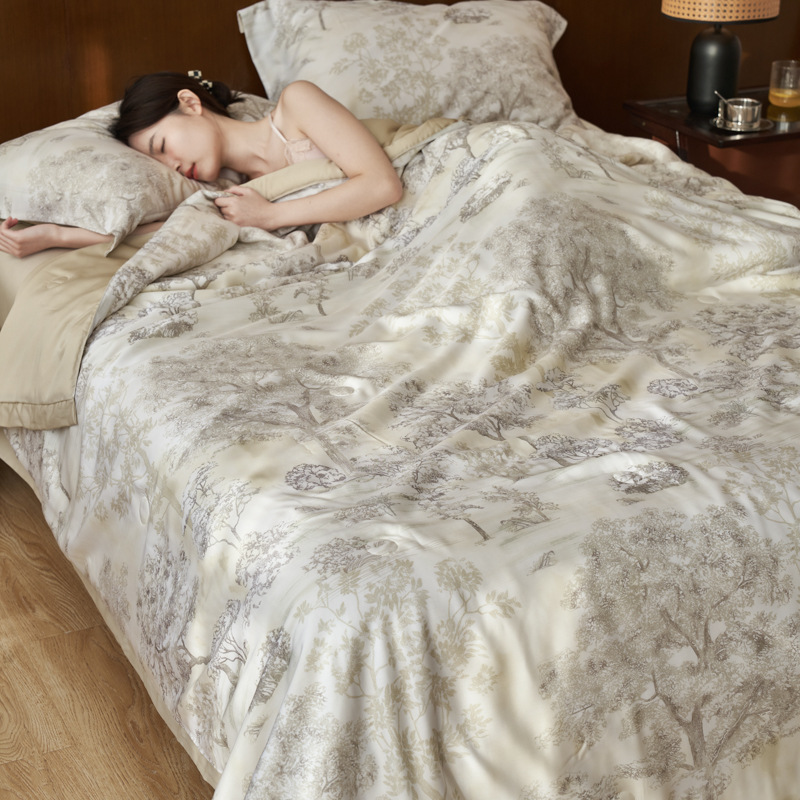
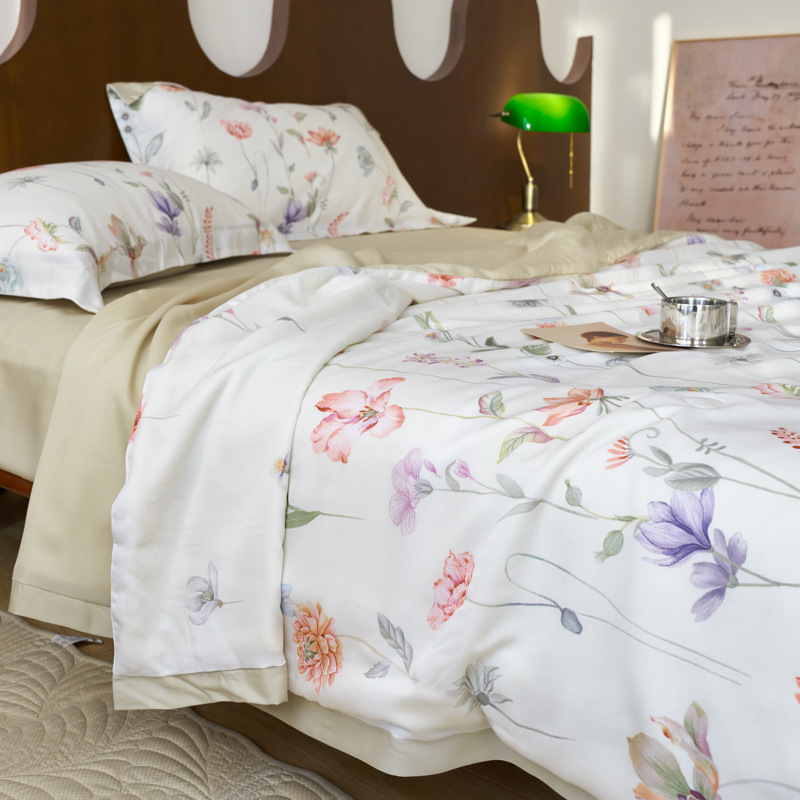
USA home textiles include various categories designed to enhance home comfort and aesthetics. Bedding items like duvets, comforters, and pillowcases form a significant portion of the market. Bath textiles, including towels, bath mats, and shower curtains, are equally important. Decorative textiles such as curtains, table linens, and area rugs complete the category.
The market caters to different styles, from traditional to modern, and serves various price points, making it accessible to a broad range of consumers.

Current Trends in USA Home Textiles
Current trends in USA home textiles emphasize sustainability, comfort, and style. Eco-friendly materials like organic cotton and linen are gaining popularity as environmentally conscious choices. There is also a growing demand for versatile, multi-functional textiles that adapt to different interior design schemes.
The integration of technology, such as stain-resistant and moisture-wicking fabrics, showcases innovation in the sector. These advancements enhance product functionality and appeal to modern consumers seeking both style and practicality.
Key B2B Sourcing Channels in the USA
Several sourcing channels are available for businesses looking to procure home textiles in the USA. Each channel offers unique advantages and caters to different business needs.
Trade Shows and Exhibitions
Trade shows represent vital venues for B2B buyers to discover new products and connect with suppliers. Events like the Home Textiles Market in Las Vegas and the International Home + Housewares Show provide platforms for manufacturers to showcase their latest collections.
These events facilitate networking opportunities, allowing buyers to build relationships with suppliers, negotiate terms, and stay updated on industry trends. The personal interactions help in assessing product quality and supplier capabilities firsthand.
Online B2B Marketplaces
Digital marketplaces have transformed B2B sourcing by offering convenience and accessibility. Platforms like Alibaba, Thomasnet, and industry-specific sites such as Home Textiles Haven connect buyers with numerous suppliers.
These platforms provide detailed product listings, supplier evaluations, and communication tools. Buyers can filter options based on product specifications, pricing, and supplier locations. The ability to compare multiple suppliers quickly streamlines the sourcing process.
Direct Manufacturer Partnerships
Establishing direct relationships with manufacturers often leads to more favorable terms and greater control over product specifications. Many USA-based manufacturers offer B2B programs designed for retailers, wholesalers, and e-commerce businesses.
Direct partnerships allow for customized orders, private labeling, and closer collaboration on product development. They also provide transparency into manufacturing processes and quality control measures.
Wholesale Distributors and Agents
Wholesale distributors and sales agents play a crucial role in the home textiles supply chain. They aggregate products from multiple manufacturers, offering buyers a one-stop shopping experience.
These intermediaries often provide additional services such as inventory management, order fulfillment, and market insights. Their established relationships with manufacturers can secure volume discounts and favorable shipping terms for buyers.
Essential Considerations for B2B Buyers
Successful B2B sourcing requires careful evaluation of several factors to ensure product quality, reliable supply, and profitable business relationships.
Product Quality and Compliance
USA B2B buyers prioritize product quality and compliance with safety and environmental standards. Textiles should meet flammability, chemical content, and labeling regulations such as those outlined by the Consumer Product Safety Commission (CPSC).
Quality assessment involves evaluating fabric durability, colorfastness, and construction details. Requesting product samples and testing reports helps verify compliance and quality before committing to orders.
Pricing Structures and Minimum Order Quantities (MOQs)
Understanding supplier pricing models and MOQ requirements is essential for budgeting and procurement planning. USA suppliers offer various pricing structures, including fixed pricing, tiered pricing based on order volume, and seasonal promotions.
Negotiating MOQs that align with your business’s sales projections minimizes inventory risks. Some suppliers offer flexible MOQs for new buyers or provide options for bundling products to meet requirements.
Logistics and Shipping Arrangements
Logistics considerations significantly impact the cost and efficiency of B2B transactions. Factors include supplier locations relative to your warehousing facilities, shipping methods, and delivery schedules.
Suppliers may offer different shipping terms such as FOB (Free on Board) or Delivered Duty Paid (DDP). Clarifying responsibilities for shipping costs, insurance, and customs clearance prevents misunderstandings and ensures smooth delivery processes.
Building and Maintaining Supplier Relationships
Strong supplier relationships form the foundation of successful B2B operations in the home textiles sector.
Effective Communication Strategies
Open and clear communication establishes expectations and fosters trust. Regular updates on market trends, sales performance, and customer feedback help suppliers align their offerings with your business needs.
Implementing consistent communication channels, whether through scheduled calls, emails, or meetings, ensures timely resolution of issues and strengthens collaboration.
Performance Evaluation and Feedback
Regularly evaluating supplier performance against agreed metrics such as delivery times, product quality, and customer service helps maintain high standards. Providing constructive feedback enables suppliers to address shortcomings and improve service levels.
Many buyers conduct annual supplier reviews and establish rating systems to recognize and reward top performers, encouraging continuous improvement across their supplier base.
Collaborative Product Development
Collaborating with suppliers on product development creates unique selling propositions and drives innovation. Sharing market insights and customer preferences helps suppliers design products that meet specific demands.
Some buyers partner with suppliers to co-create private label lines or customize existing products, enhancing market differentiation and customer loyalty.
Future Outlook and Innovation in USA Home Textiles Sourcing
The USA home textiles B2B landscape continues to evolve, driven by technological advancements and changing market dynamics.
Digital Transformation in Sourcing
Digital tools increasingly enhance B2B sourcing efficiency. Virtual sampling allows buyers to review products digitally before requesting physical samples, reducing costs and lead times.
Advanced analytics platforms provide market intelligence, helping buyers anticipate demand fluctuations and optimize inventory levels. E-procurement systems streamline purchase order management and supplier communications.
Sustainability and Ethical Sourcing
Sustainability remains a priority for USA buyers, with increasing emphasis on ethical sourcing practices. Certifications like GOTS (Global Organic Textile Standard) and Fair Trade USA assure buyers of compliance with environmental and social responsibility standards.
Suppliers are expected to demonstrate transparency in their supply chains, from raw material sourcing to manufacturing practices. Buyers incorporating sustainability into their procurement strategies attract environmentally conscious consumers and align with global regulatory trends.
Conclusion
The USA home textiles B2B market offers diverse sourcing opportunities through trade shows, online platforms, direct manufacturer partnerships, and wholesale channels. By focusing on product quality, logistical efficiency, and relationship building, businesses can establish reliable supply chains that meet consumer demands. Embracing digital innovations and sustainability practices will further enhance competitiveness in this dynamic sector.
How to Purchase:https://looperbuy.com/search?keywords=USA+home+textiles+B2B+sourcing
Related Questions & Answers
· What are the most reputable trade shows for USA home textiles B2B sourcing?
The most reputable trade shows include the Home Textiles Market in Las Vegas, the International Home + Housewares Show in Chicago, and the Premiere Vision trade show when held in the USA. These events gather leading manufacturers, offer exclusive product previews, and provide excellent networking opportunities for B2B buyers.
· How can I negotiate better pricing with USA home textiles suppliers?
Approach negotiations prepared with market research on comparable products. Discuss volume commitments, longer contract terms, or cash discount options. Building a relationship based on mutual benefits and demonstrating long-term partnership potential often leads to more favorable pricing and terms.
· What should I look for in a supplier’s quality certifications?
Look for certifications relevant to home textiles such as OEKO-TEX Standard 100 for harmful substance freedom, GOTS for organic textiles, and CertiPUR-US for foam products. Ensure certifications align with your target market’s expectations and regulatory requirements.
· Are there advantages to sourcing through online B2B marketplaces versus direct manufacturer contact?
Online marketplaces offer rapid supplier discovery, easy comparison tools, and additional services like secure payment processing. They’re ideal for initial research and finding new suppliers. Direct manufacturer contact allows deeper customization and better margins but requires more initial research to identify quality partners.
· What steps can I take to ensure ethical sourcing in USA home textiles?
Research supplier manufacturing practices through questionnaires or audits. Look for third-party certifications like Fair Trade or WRAP (Worldwide Responsible Accredited Production). Establish clear ethical standards in contracts and consider joining industry initiatives focused on responsible sourcing.
Hot Tags: Home Textiles Wholesale USA; B2B Home Furnishings; USA Textile Manufacturers; Home Textiles Trade Shows; Sustainable Textiles Sourcing; Online Textile Marketplaces; Textile Supplier Relationships; Custom Home Textiles B2B; USA Bedding Suppliers