Handkerchief towels, often simply referred to as handkerchiefs, are versatile textile items that serve multiple purposes in our daily lives. They are not just practical accessories but also carry cultural significance and aesthetic appeal. This article explores the various aspects of handkerchief towels, including their history, types, uses, and the reasons why they remain relevant today.
Table of Contents
The History of Handkerchief Towels
Origins and Evolution
The handkerchief has a rich history that dates back to ancient civilizations. Initially, these cloths were used for practical purposes, such as wiping the face or hands. The term “handkerchief” itself is derived from the French word “couvre-chef,” meaning “cover head,” as they were often used to cover the head in earlier times. Over the centuries, handkerchiefs evolved from simple pieces of cloth to intricate designs that reflect personal style and cultural identity. In ancient Rome, for instance, handkerchiefs were made from linen and were used by both men and women, often adorned with decorative fringes. As trade routes expanded, the introduction of new fabrics and dyes allowed for more elaborate designs, making handkerchiefs a symbol of status and sophistication.
Cultural Significance
In many cultures, handkerchiefs have been associated with various social customs. For instance, in Victorian England, handkerchiefs were often embroidered and exchanged as tokens of affection, symbolizing love and friendship. In some Asian cultures, they are used in traditional ceremonies, symbolizing purity and respect. The evolution of handkerchief towels reflects changing societal norms and the importance of textiles in human interaction. In modern times, handkerchiefs have also been used in political contexts, such as during protests or movements, where they symbolize solidarity and resistance. This cultural significance adds depth to their everyday use, making them not just functional items but also carriers of meaning.
Types of Handkerchief Towels
Fabric Choices
Handkerchief towels come in a variety of fabrics, each offering unique benefits. Cotton is the most common material due to its softness and absorbency, making it ideal for everyday use. Linen, known for its durability and breathability, is another popular choice, especially in warmer climates where moisture-wicking properties are essential. Silk handkerchiefs, while less practical for everyday use, are often chosen for their luxurious feel and aesthetic appeal, making them perfect for formal occasions. Additionally, some handkerchiefs are made from blends of materials, combining the best features of each fabric to enhance functionality and comfort.
Sizes and Shapes
Handkerchief towels are available in various sizes and shapes. The traditional square shape is the most recognized, but rectangular and even circular designs are also available. The size can range from small pocket squares, typically used in formal attire, to larger towels suitable for more extensive uses, such as face washing or as a napkin. The versatility in size allows individuals to choose handkerchiefs that best fit their needs, whether for practical purposes or as a fashion statement. For example, larger handkerchiefs can be folded into different shapes to create unique styles, while smaller ones can easily fit into pockets or bags.
Decorative Features
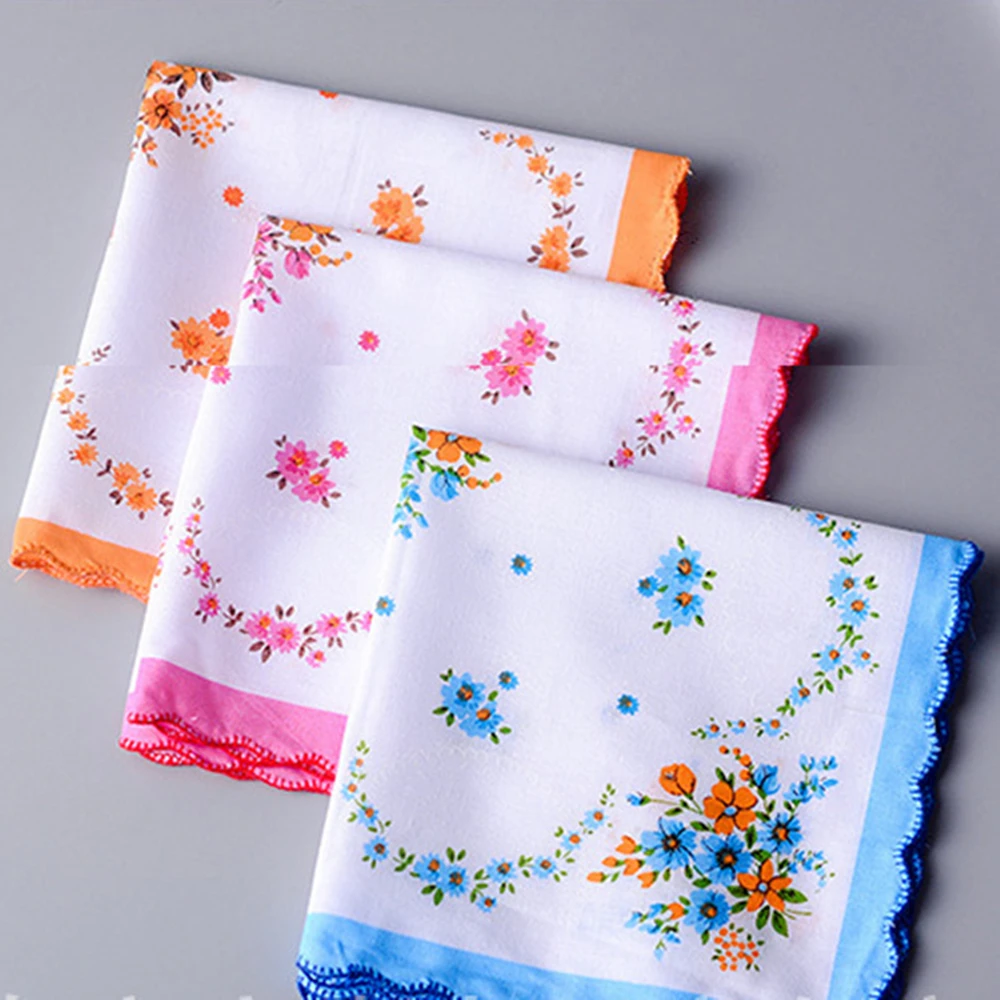
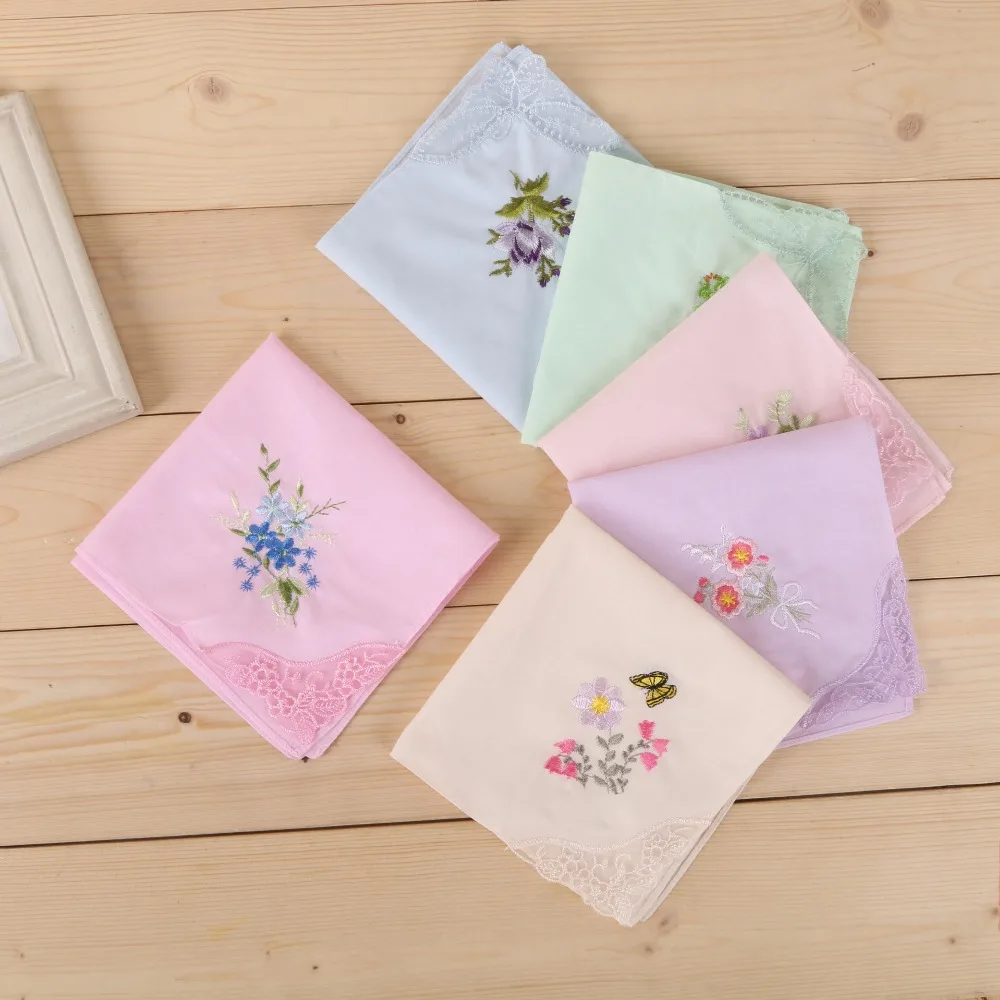
Many handkerchief towels feature decorative elements such as embroidery, lace, or printed patterns. These embellishments not only enhance their visual appeal but also allow individuals to express their personal style. Handkerchiefs can be found in a myriad of colors and designs, making them suitable for any occasion, from casual outings to formal events. Some handkerchiefs are even designed with seasonal themes, such as floral patterns for spring or festive motifs for the holidays, allowing users to coordinate their accessories with their outfits or the occasion.
Uses of Handkerchief Towels
Everyday Practicality
Handkerchief towels are incredibly practical. They can be used for a variety of everyday tasks, such as wiping hands, cleaning surfaces, or even as a makeshift napkin during meals. Their compact size makes them easy to carry in a pocket or purse, ensuring that they are always on hand when needed. Beyond personal hygiene, handkerchiefs can also serve as a quick solution for spills or messes, making them invaluable in both home and outdoor settings. Their absorbent nature allows them to effectively handle moisture, making them a reliable choice for various situations.
Fashion Accessories
In addition to their practical uses, handkerchief towels have become fashionable accessories. They can be folded and tucked into suit pockets, adding a touch of elegance to formal attire. Women often use them as hair accessories or as part of a handbag ensemble, showcasing their versatility in fashion. The resurgence of vintage styles has also led to a renewed interest in handkerchiefs as fashion statements, with many designers incorporating them into their collections. Whether worn as a neck scarf, headband, or pocket square, handkerchiefs can elevate an outfit and reflect the wearer’s personality.
Gifts and Keepsakes
Handkerchief towels are often given as gifts, especially during special occasions such as weddings, anniversaries, or holidays. Personalized handkerchiefs, embroidered with names or dates, serve as cherished keepsakes that hold sentimental value. They can also be used in ceremonies, such as weddings, where they symbolize love and commitment. The act of gifting a handkerchief can carry emotional weight, as it often signifies thoughtfulness and care. Additionally, handkerchiefs can be passed down through generations, becoming family heirlooms that tell stories and preserve memories.
The Importance of Handkerchief Towels Today
Sustainability and Eco-Friendliness
In an age where sustainability is increasingly important, handkerchief towels offer an eco-friendly alternative to disposable paper products. By using cloth handkerchiefs, individuals can reduce waste and contribute to a more sustainable lifestyle. Many people are now opting for reusable handkerchiefs as part of their commitment to environmental responsibility. This shift towards sustainable practices is not only beneficial for the planet but also encourages a more mindful approach to consumption. Choosing handkerchiefs made from organic or recycled materials further enhances their eco-friendly appeal, making them a responsible choice for environmentally conscious consumers.
Health and Hygiene
Handkerchief towels play a crucial role in maintaining personal hygiene. They can be used to cover the mouth when sneezing or coughing, helping to prevent the spread of germs. Additionally, having a clean handkerchief on hand can be beneficial for quick clean-ups, ensuring that individuals can maintain cleanliness throughout the day. In the context of public health, the use of handkerchiefs has gained renewed attention, especially during flu seasons or pandemics, where personal hygiene practices are emphasized. By incorporating handkerchiefs into daily routines, individuals can take proactive steps to protect their health and the health of those around them.
Versatility in Modern Life
The versatility of handkerchief towels makes them suitable for various settings, from casual outings to formal events. They can be used in the home, at work, or while traveling, adapting to the needs of the user. Their multifunctional nature ensures that they remain a staple in many households. For instance, while traveling, handkerchiefs can serve as a quick solution for unexpected situations, such as a makeshift bandage or a cooling cloth in hot weather. Their adaptability allows them to fit seamlessly into different lifestyles, making them an essential item for anyone on the go.
Conclusion
Handkerchief towels are more than just pieces of fabric; they are practical, stylish, and culturally significant items that have stood the test of time. Their versatility and eco-friendliness make them essential in modern life, while their rich history adds depth to their appeal. Whether used for practical purposes, as fashion accessories, or as sentimental gifts, handkerchief towels continue to hold a special place in our daily routines. As we navigate a world increasingly focused on sustainability and personal expression, handkerchiefs remind us of the beauty and functionality that simple textiles can offer.
How To Purchase:https://looperbuy.com/search?keywords=handkerchief+towels
Related Questions and Answers
1. What materials are handkerchief towels made from?
Handkerchief towels are commonly made from cotton, linen, and silk, each offering different benefits in terms of softness, absorbency, and durability.
2. How can I care for my handkerchief towels?
To care for handkerchief towels, wash them in cold water with mild detergent, and avoid bleach. Air drying is recommended to maintain their shape and fabric quality.
3. Are handkerchief towels suitable for children?
Yes, handkerchief towels can be suitable for children, especially those made from soft, absorbent materials. They can be used for various purposes, including wiping hands and faces.
4. Can handkerchief towels be personalized?
Absolutely! Many companies offer customization options for handkerchief towels, allowing you to add names, initials, or special designs.
5. What are some creative uses for handkerchief towels?
In addition to their traditional uses, handkerchief towels can be used as napkins, hair accessories, or even as part of a decorative table setting.