Table of Contents
Understanding the Drop Shipping Business Model
The drop shipping model has revolutionized e-commerce by allowing entrepreneurs to launch businesses with minimal upfront inventory investment. In this model, retailers partner with suppliers who handle product storage and shipping directly to customers. Understanding the fundamentals of drop shipping is essential for building a sustainable business in this competitive landscape.
The Core Mechanics of Drop Shipping
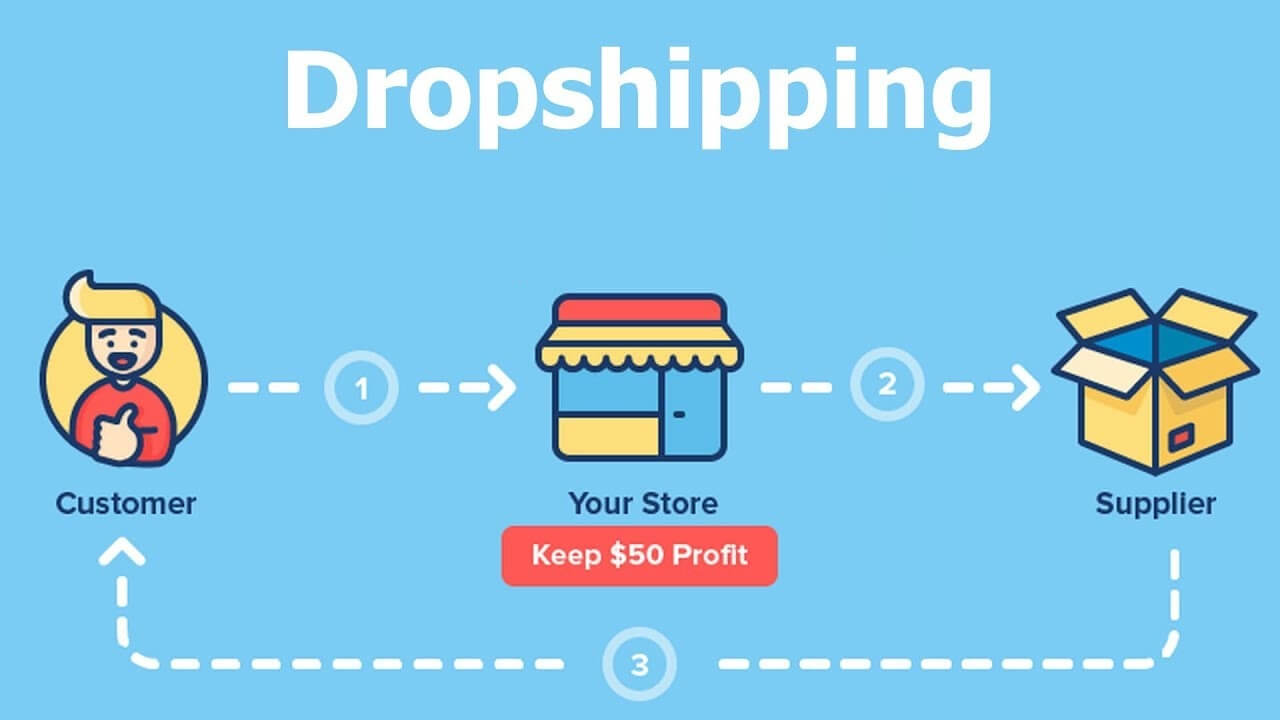
At its essence, drop shipping involves three primary parties: the supplier, the retailer, and the customer. When a customer places an order on the retailer’s online store, the retailer forwards the order to the supplier. The supplier then packages and ships the product directly to the customer, with the retailer’s branding and shipping details. This arrangement eliminates the need for the retailer to handle inventory physically, reducing storage costs and financial risk.
The model’s appeal lies in its low barrier to entry. Entrepreneurs can launch online stores without significant capital for inventory, focusing instead on marketing, customer acquisition, and relationship management. This focus allows for greater agility in responding to market trends and customer demands.
Key Advantages Driving Business Growth
Several inherent advantages make drop shipping an attractive business model:
- Reduced Capital Requirements: Without the need for upfront inventory purchases, entrepreneurs can allocate resources to marketing, website development, and customer service—critical areas for business growth.
- Lower Risk Profile: With minimal inventory investment, businesses face less risk from product obsolescence, market shifts, or demand fluctuations. This risk reduction allows for more aggressive business experimentation.
- Scalability: Successful products can be scaled rapidly without proportional increases in storage or logistics complexities since suppliers manage these functions.
These advantages have driven the rapid expansion of drop shipping businesses across various product categories, from fashion to electronics to home goods.
Building a Competitive Drop Shipping Business
Success in the drop shipping space requires strategic planning and execution across several critical dimensions.
Supplier Selection and Relationship Management
The strength of a drop shipping business hinges significantly on supplier partnerships. Effective supplier selection involves evaluating:
- Product Quality and Range: Ensure suppliers offer products that meet your brand standards and customer expectations across a sufficient variety to support business growth.
- Reliability and Lead Times: Assess suppliers’ historical on-time delivery performance and their ability to meet your required shipping windows.
- Minimum Order Requirements: Identify suppliers with flexible order policies that align with your business model, particularly in the early stages.
- Communication Responsiveness: Select partners who provide timely updates and are accessible for issue resolution.
Once selected, nurturing these relationships through regular communication, shared growth objectives, and mutual problem-solving creates a foundation for long-term business success.
Creating Differentiated Customer Experiences
In a crowded market, standing out requires deliberate strategies to enhance the customer experience:
- Brand Storytelling: Develop a compelling brand narrative that resonates with your target audience and differentiates your offerings from competitors.
- Personalized Marketing: Leverage customer data to deliver tailored marketing messages across channels, increasing engagement and conversion rates.
- Exceptional Service Standards: Implement robust customer service protocols, including clear communication during shipping delays and streamlined return processes, to build loyalty.
Businesses that prioritize customer experience report higher retention rates and more positive word-of-mouth referrals, critical drivers of sustainable growth.
Operational Excellence in Drop Shipping
Efficient operations are the backbone of successful drop shipping ventures.
Order Management System Optimization
Implementing a sophisticated order management system (OMS) is essential for handling the complexities of drop shipping logistics:
- Real-Time Inventory Sync: Ensure your online store’s inventory displays match supplier stock levels to prevent overselling and customer dissatisfaction.
- Automated Order Routing: Configure systems to direct orders to the most appropriate suppliers based on location, product availability, and cost factors.
- Data Analytics Integration: Utilize OMS data to identify trends, forecast demand, and optimize supplier relationships based on performance metrics.
Advanced OMS capabilities can reduce order processing errors by up to 38% and improve order fulfillment speeds, directly impacting customer satisfaction and business reputation.
Technology Integration for Seamless Operations
Several technology integrations enhance drop shipping operational efficiency:
- ERP Connectivity: Connect your OMS with enterprise resource planning systems for unified financial, inventory, and customer data management.
- E-commerce Platform Integration: Ensure seamless compatibility between your OMS and e-commerce platforms (Shopify, WooCommerce) to prevent data silos.
- Supplier API Connectivity: Where available, integrate directly with supplier systems for instant inventory updates and automated reordering.
These technological foundations enable businesses to scale efficiently while maintaining operational integrity across complex supply chains.

Marketing and Growth Strategies for Drop Shipping Ventures
Acquiring customers cost-effectively is a perpetual challenge in the drop shipping space.
Digital Marketing Channel Optimization
A multi-channel approach is essential for maximizing customer reach and acquisition:
- Social Media Marketing: Utilize platforms like Instagram and Facebook for visually engaging product showcases and targeted advertising campaigns.
- Influencer Partnerships: Collaborate with micro-influencers who align with your brand values to access authentic audience segments.
- Content Marketing: Develop valuable content that addresses customer pain points while naturally incorporating product solutions.
Businesses allocating resources strategically across these channels typically achieve lower customer acquisition costs and higher lifetime values compared to single-channel approaches.
Leveraging Data for Informed Decision-Making
Data analytics represents a powerful tool for growth-oriented drop shipping businesses:
- Customer Behavior Analysis: Track website interactions, purchase patterns, and marketing response rates to refine targeting strategies.
- Conversion Rate Optimization: Use A/B testing on product pages, checkout flows, and marketing creatives to identify performance improvements.
- Market Trend Identification: Monitor industry data to anticipate emerging product opportunities and adjust your offerings proactively.
Data-driven businesses report faster adaptation to market changes and more efficient resource allocation across marketing and operational activities.
Future-Proofing Your Drop Shipping Business
The e-commerce landscape evolves rapidly, requiring continuous adaptation to remain competitive.
Embracing Sustainability and Ethical Sourcing
Consumer preferences increasingly favor businesses demonstrating environmental and social responsibility:
- Eco-Friendly Product Selection: Source products with sustainable materials and minimal packaging waste.
- Transparent Supply Chains: Implement systems to track and communicate product origins and ethical production practices.
- Carbon-Neutral Shipping Options: Partner with logistics providers offering carbon offset programs to appeal to environmentally conscious shoppers.
Incorporating sustainability into business practices not only attracts discerning customers but also prepares businesses for regulatory changes and builds long-term brand equity.
Adapting to Technological Innovations
Staying ahead involves embracing emerging technologies:
- AI-Driven Personalization: Utilize artificial intelligence to deliver hyper-personalized shopping experiences based on individual customer behaviors.
- Augmented Reality Product Previews: Implement AR features allowing customers to visualize products in their spaces before purchasing.
- Blockchain for Supply Chain Transparency: Explore blockchain solutions for enhanced tracking of product journeys from supplier to customer.
Early adoption of these technologies positions businesses as innovators and creates competitive advantages through improved customer experiences and operational efficiencies.
Conclusion
Building a successful drop shipping business requires a multifaceted approach combining strategic supplier partnerships, exceptional customer experiences, operational excellence, and adaptive marketing strategies. By understanding the model’s fundamentals, leveraging technology for efficiency, and staying attuned to market evolution, entrepreneurs can establish resilient businesses capable of thriving in this dynamic e-commerce landscape. The continuous focus on innovation and customer centricity will remain critical as the drop shipping space matures and competitive dynamics shift.
If you’re looking to enhance your drop shipping operations with efficient sourcing and logistics, consider using looperbuy, a one-stop purchasing-logistics solution: https://looperbuy.com/.
Related Questions & Answers
· How can I find reliable suppliers for my drop shipping business?
Reliable supplier identification begins with thorough research across platforms like Alibaba, Thomasnet, and industry-specific directories. Attend trade shows and networking events to connect with potential suppliers in person. Request detailed supplier profiles including production capabilities, quality control processes, and shipping policies. Many entrepreneurs leverage supplier verification services that conduct factory audits and provide objective assessments. Start with small test orders to evaluate performance before committing to larger volumes. Document all interactions and maintain a supplier evaluation matrix to compare options systematically.
· What are the most common mistakes new drop shipping entrepreneurs make?
Common pitfalls include underestimating the importance of website performance optimization, resulting in high bounce rates and abandoned carts. Many newcomers neglect to establish clear return and exchange policies, leading to customer disputes. Others fail to diversify their product offerings sufficiently, creating vulnerability to market fluctuations. Financial mismanagement, particularly not accounting for supplier lead times in cash flow projections, frequently causes liquidity challenges. Marketing without defined customer personas results in inefficient ad spend and poor conversion rates. Successful entrepreneurs address these areas proactively during business planning.
· How can I improve my drop shipping business’s profit margins?
Margin enhancement strategies include negotiating volume discounts with suppliers even at early business stages by committing to future order projections. Implement value-added services like personalized packaging or expedited shipping for additional revenue streams. Conduct regular product portfolio reviews to discontinue low-margin items and focus marketing efforts on higher-profit products. Optimize marketing channel allocations to prioritize platforms delivering the lowest customer acquisition costs. Explore private labeling opportunities to increase control over pricing and differentiation. Businesses often achieve margin improvements of 12-18% through these strategic adjustments.
· What steps should I take if a supplier consistently delivers late shipments?
When facing persistent supplier delays, first compile comprehensive documentation of the delays, including order dates, promised delivery windows, and actual shipping times. Contact the supplier to understand root causes—common issues include production bottlenecks, logistical challenges, or miscommunication. Collaborate on corrective action plans, which may involve adjusting order volumes, implementing buffer stock solutions, or modifying shipping routes. If improvements aren’t realized, prepare a transition plan to a backup supplier, ensuring minimal disruption to customer deliveries. Always maintain professional communication to safeguard potential future cooperative relationships.
· How do I protect my business from chargeback fraud in drop shipping?
Chargeback fraud prevention requires implementing several protective measures. Use secure payment gateways with advanced fraud detection systems and address verification services. Clearly公示return policies and order tracking procedures on your website to reduce misunderstandings that might lead to chargeback claims. Maintain detailed records of all customer communications and order fulfillments. Consider offering instant digital receipts and shipping confirmation emails to provide clear transaction documentation. For high-risk orders, implement manual review processes before authorization. Many businesses also purchase chargeback insurance to mitigate potential financial losses from fraudulent claims.
Hot Tags: Drop Shipping Supplier Sourcing; E-commerce Fulfillment Solutions; Low-Risk Business Models; Customer-Centric Drop Shipping; Automated Order Management Systems; Social Media Marketing for Drop Shipping; Sustainable E-commerce Practices; AI in Drop Shipping Operations; Drop Shipping Technology Integration