Table of Contents
The Allure of Italian Small Furniture
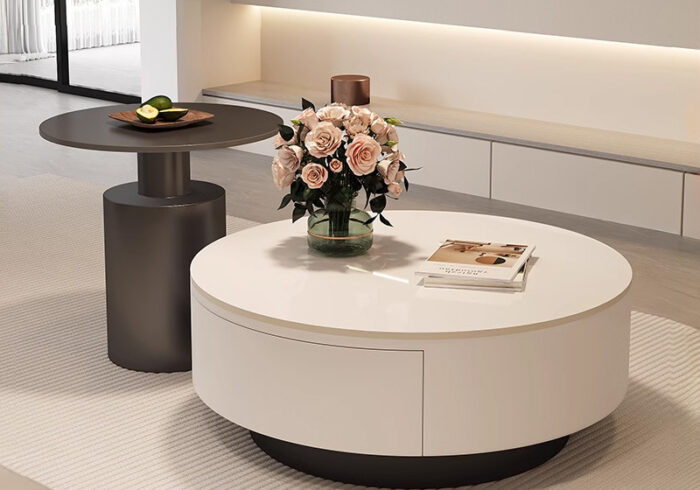
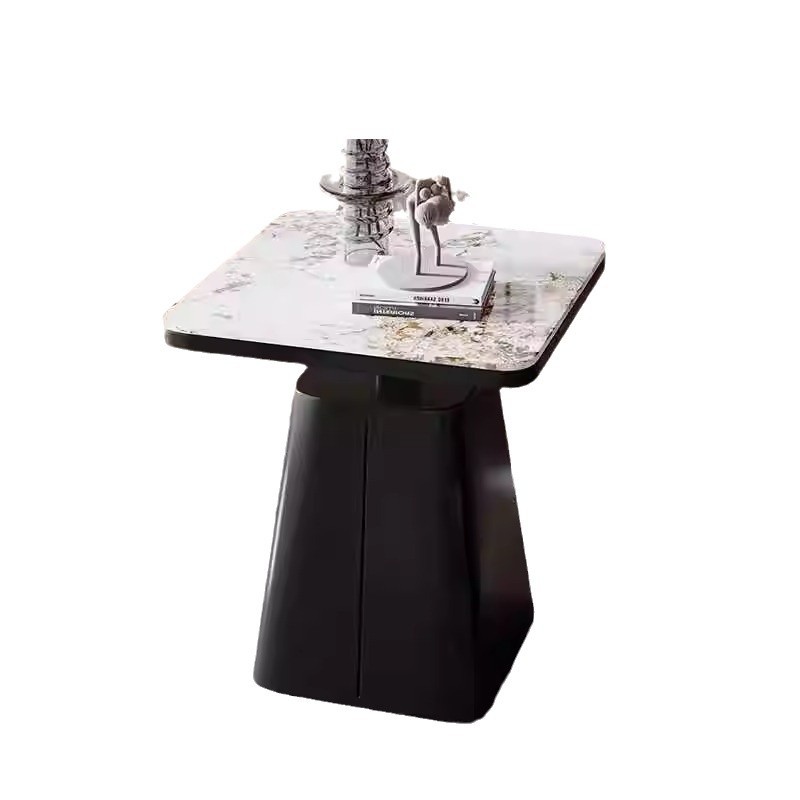
When it comes to interior design, few elements can transform a space as effectively as well-chosen small furniture pieces. In Italy, this category of home accessories reaches an artistic pinnacle, blending centuries of craftsmanship with innovative design. From intricate Florentine wooden carvings to Venetian glass tables, Italian small furniture represents a perfect marriage of functionality and aesthetic appeal.
Historical Craftsmanship Meets Modern Design
Italian small furniture benefits from a heritage dating back to the Renaissance period. Master craftsmen passed down techniques through generations, creating a foundation of excellence that continues today. Contemporary designers have built upon this legacy, incorporating modern materials and minimalist aesthetics while preserving traditional techniques. This fusion results in pieces that feel both timeless and cutting-edge, suitable for various interior styles from classic to ultra-modern.
Regional Diversity in Small Furniture Production
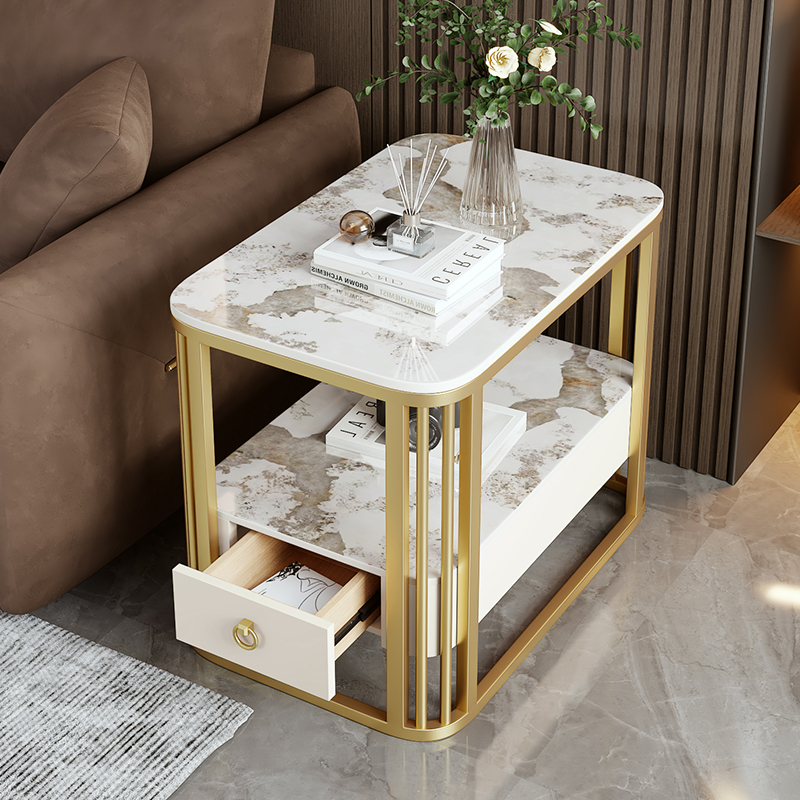
Italy’s small furniture landscape varies significantly by region, offering buyers a wealth of distinctive styles:
- Tuscany: Known for robust wooden pieces featuring warm tones and subtle decorative elements, often incorporating leather accents
- Veneto: Specializes in glass and metalwork, with delicate Murano glass tables and intricate wrought iron designs
- Lombardy: Leads in contemporary production, utilizing innovative materials like high-tech polymers alongside traditional woods
- Campania: Famous for vibrant, hand-painted ceramics integrated into small furniture pieces
This regional diversity ensures that whichever Italian small furniture you select, it carries the authentic spirit of its place of origin.
Navigating Purchase Channels in Italy
The journey to acquiring authentic Italian small furniture begins with understanding where and how to shop. Each purchasing avenue presents unique advantages and considerations for international buyers.
Physical Showrooms and Boutiques
Visiting furniture showrooms in cities like Milan, Florence, and Venice offers several benefits:
- Tactile Experience: Feel materials, assess build quality, and visualize how pieces will fit your space
- Designer Interaction: Many showrooms allow direct consultation with designers to discuss customization options
- Immediate Gratification: Take your purchases home immediately (though international shipping requires additional arrangements)
Prestigious districts like Milan’s Via Manzoni and Florence’s Via dei Calzaiuoli concentrate high-end showrooms featuring both established and emerging designers.
Online Platforms: Convenience with Caution
Several reputable Italian e-commerce sites specialize in small furniture:
- Made in Design Italia: Curates a selection of artisanal and contemporary pieces with detailed product specifications
- Italian Furniture Online: Offers virtual room visualization tools to help buyers imagine how items will appear in their homes
When shopping online, pay special attention to return policies, material descriptions, and shipping logistics, as regulations can differ significantly from other countries.
Vintage and Antique Markets
For unique character and potential investment value, consider Italy’s vibrant vintage markets:
- Florence’s Antiques Market at Piazza dell’Unità Italiana: Held twice monthly, featuring everything from 18th-century writing desks to Art Deco telephone tables
- Porta Portese in Rome: A massive Sunday market where careful hunters can find exquisite small wooden furniture and decorative elements
- Milan’s Brnetinetto Market: Especially strong in mid-century modern small furniture pieces
These markets require a discerning eye but reward patient shoppers with authentic pieces carrying history and charm that new productions cannot replicate.
Essential Considerations for International Buyers
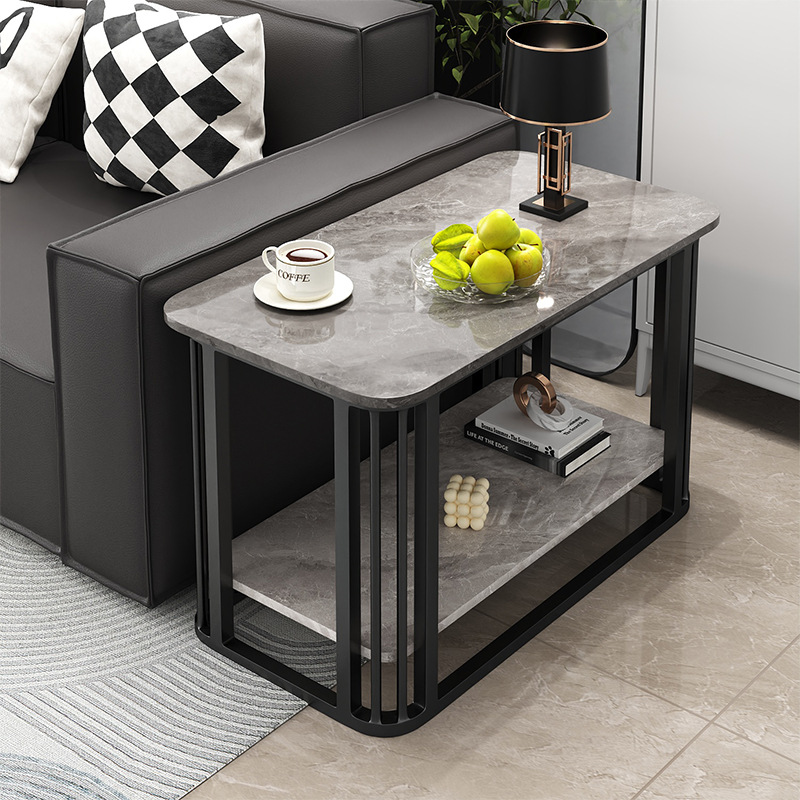
Purchasing Italian small furniture from abroad involves several practical considerations that can make the difference between a satisfying acquisition and a frustrating experience.
Dimensional Compatibility
Italian furniture dimensions sometimes differ from international standards. Small furniture pieces may be designed for tighter European living spaces or feature metric measurements incompatible with your existing decor. Always confirm exact dimensions and consider creating a scaled floor plan to visualize how pieces will fit.
Material Authenticity
Learn to recognize authentic materials, especially when dealing with high-value items:
- Wood: Italian pieces often use European oak, walnut, or cherry with distinct grain patterns
- Leather: Genuine Italian leather has a characteristic smell and slightly irregular surface texture
- Metal: Look for hallmarks indicating quality alloys and finishing techniques
Reputable sellers provide material certification, but developing your own recognition skills adds an extra layer of protection against misrepresentation.
Shipping Logistics and Costs
Shipping Italian small furniture internationally demands careful planning:
- Specialized Couriers: Companies specializing in transporting furniture offer crating, insurance, and white-glove delivery options
- Consolidation Services: For multiple purchases, consolidation can reduce costs and simplify tracking
- Customs Considerations: Research duty rates and import restrictions for furniture in your destination country
Budget approximately 15-30% of your purchase price for shipping costs, with delivery times ranging from 2-8 weeks depending on service level and origin.
Budgeting Strategies for Italian Quality
Italian small furniture represents an investment, but several approaches can make it more accessible:
- Designer vs. Artisan: Established designer pieces command higher prices, while artisan workshops often offer comparable quality at lower costs
- Material Selection: Opt for pieces where precious materials are used as accents rather than primary components
- Seasonal Purchasing: Many Italian furniture outlets offer discreet sales during specific months, though timing varies by region
Remember that authentic Italian craftsmanship typically offers better longevity and resale value than mass-produced alternatives, potentially justifying the initial investment.
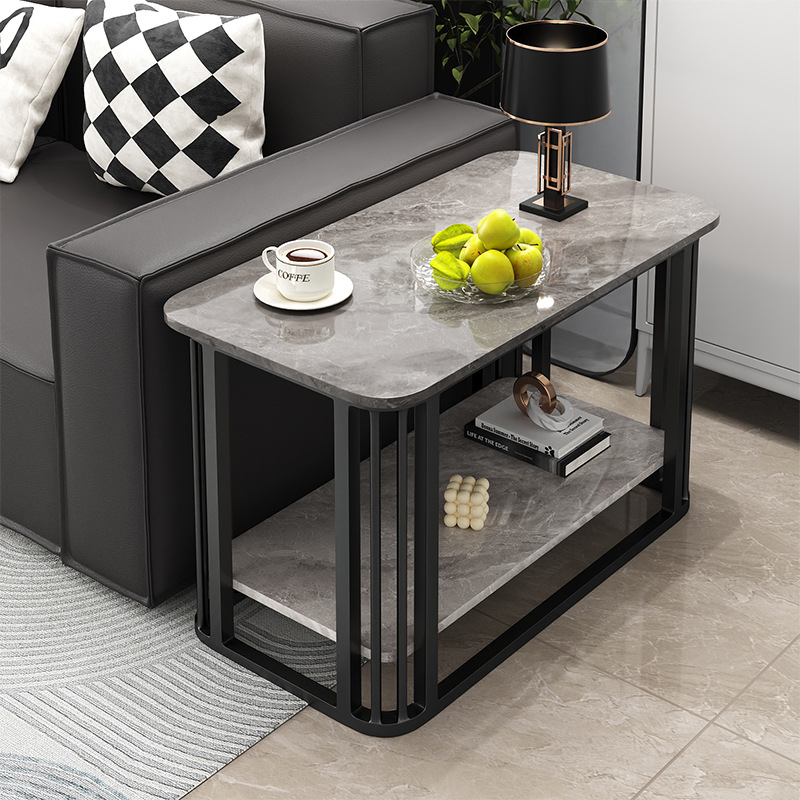
Styling and Integrating Italian Small Furniture
The true value of Italian small furniture emerges when pieces are thoughtfully integrated into your interior design scheme.
Creating Focal Points with Statement Pieces
Strategically placed small furniture can transform room dynamics:
- ” Entry tables”: A Venetian glass top with hand-painted Tuscan wooden base creates an elegant welcome statement
- Decorative trays: Florentine leather-trimmed trays serve both functional and aesthetic purposes on consoles or coffee tables
- Accent chairs: Small-scale Milanese designer chairs in bold colors can redefine a reading corner
Consider how these pieces will interact with existing decor elements and lighting to maximize their visual impact.
Mixing Styles for Eclectic Appeal
Italian small furniture’s versatility allows it to complement various design languages:
- Traditional meets contemporary: Pair a classic wooden Florentine side table with a minimalist metal-framed coffee table
- Global fusion: Combine Campanian ceramic-accented stools with textiles from other cultural traditions
- Monochromatic depth: Curate small furniture in varying textures and materials within a single color family
Document your existing design palette before shopping to identify intentional contrast opportunities or harmonious additions.
Maintenance and Longevity Preservation
Proper care ensures your Italian small furniture investments remain beautiful for generations:
- Wood pieces: Use natural oils recommended by craftsmen and avoid direct sunlight exposure
- Glass and metal: Regular dusting with specialized cleaners prevents buildup that can dull finishes over time
- Leather accents: Condition annually using products suitable for the specific leather type used
Many Italian manufacturers provide detailed care instructions with purchases, offering insights into traditional maintenance techniques.
Conclusion
Investing in Italian small furniture opens a door to centuries of craftsmanship tradition while enhancing your living space with sophisticated design elements. Whether seeking the immediacy of showroom shopping, the convenience of online platforms, or the adventure of vintage markets, Italy offers diverse pathways to acquiring these precious items. By understanding purchase considerations, thoughtful styling approaches, and proper maintenance practices, you can bring authentic Italian design character into your home that balances aesthetic pleasure with functional excellence.
How to Purchase:https://looperbuy.com/search?keywords=Italy+small+furniture+purchase
Related Questions & Answers
· How can I verify the authenticity of Italian small furniture I purchase online?
Authenticity verification begins with researching seller reputations through industry associations and customer reviews. Look for detailed product descriptions mentioning specific Italian regions, traditional materials, and craftsmanship techniques. Request certification documents when available. For higher-value items, consider third-party authentication services specializing in European furniture. Always maintain clear communication with sellers regarding return policies if authenticity concerns arise upon receipt.
· What are the most common mistakes international buyers make when purchasing Italian small furniture?
Common pitfalls include neglecting to confirm exact dimensions against your space, assuming all Italian furniture adheres to international quality standards without verification, overlooking shipping logistics complexity, and failing to research customs regulations in your home country. Many buyers also underestimate the importance of material authenticity education, sometimes confusing mass-produced imports with genuine Italian craftsmanship. Planning and thorough research can help avoid these costly errors.
· Is it possible to commission custom small furniture pieces in Italy, and how does the process work?
Yes, customization represents a significant strength of Italy’s furniture sector. The process typically begins with contacting designers or workshops directly, often through their websites or showroom visits. Discuss your vision, provide dimension requirements, and review material options. Many artisans create prototypes or detailed sketches for approval before production. Custom orders generally require larger deposits (30-50%) and longer production times (8-16 weeks), but they offer precisely tailored pieces unavailable elsewhere.
· How should I prepare my home before bringing in Italian small furniture pieces?
Preparation involves several steps: measure entryways and pathways to ensure furniture will fit through doors and narrow spaces; consider any necessary reinforcements for wall-mounted pieces; prepare appropriate cleaning supplies based on materials; and rearrange existing furniture to create balanced compositions with the new additions. Documenting your current layout with photos and measurements helps visualize placements and prevents costly placement errors.
· What resources exist for learning more about specific Italian small furniture designers and their histories?
Excellent resources include Italy’s national furniture association websites, regional artisan databases maintained by cultural ministries, design museums like Milan Furniture Museum, and specialized publications such as “Italian Furniture Quarterly.” Many designers maintain detailed brand histories on their official websites. Additionally, attending Italian furniture fairs like Salone del Mobile offers opportunities to meet designers and learn directly about their creative philosophies and heritage.
Hot Tags: Italian Furniture Design; Small Furniture Investment; Vintage Italian Decor; Milan Furniture Shopping; Venetian Glass Tables; Tuscan Woodwork; Italian Leather Accents; Campanian Ceramics; Contemporary Italian Minatures