Table of Contents
The Significance of Global Shipping Tracking Numbers
In the intricate web of global trade, shipping tracking numbers serve as vital keys that unlock transparency and efficiency in the supply chain. These unique identifiers empower businesses and consumers with real-time insights into the journey of goods across international borders.
What Are Global Shipping Tracking Numbers?
Global shipping tracking numbers are alphanumeric codes generated by shipping carriers when a package or container is dispatched. They act as digital fingerprints, allowing stakeholders to monitor shipments from origin to destination. Each carrier, such as DHL, FedEx, or UPS, has its own format for these numbers, but their purpose remains consistent—to provide a means of tracing the shipment’s progress.
The Evolution of Tracking Technology
Tracking technology has advanced remarkably over the decades. Initially reliant on manual logbooks and sparse updates, the industry now leverages GPS, RFID tags, and IoT sensors. These technologies transmit data to sophisticated software platforms, enabling users to access detailed shipment information anytime. The evolution has dramatically enhanced the precision and timeliness of tracking services.
Major Global Shipping Tracking Systems
Several prominent systems dominate the global shipping tracking landscape, each catering to different shipping modes and regions.
Postal Service Tracking Systems
National postal services like the United States Postal Service (USPS), Royal Mail in the UK, and Canada Post offer tracking for letters and small packages. Their user-friendly online portals and mobile apps allow users to input tracking numbers and receive updates on delivery status, transit delays, and estimated arrival times.
Courier Company Tracking Platforms
Private couriers such as FedEx, UPS, and DHL provide extensive tracking services for both domestic and international shipments. Their websites and apps offer features like real-time location tracking, proof of delivery, and signature confirmation. These platforms often include customer support options for resolving shipping issues.
Container Shipping Tracking Tools
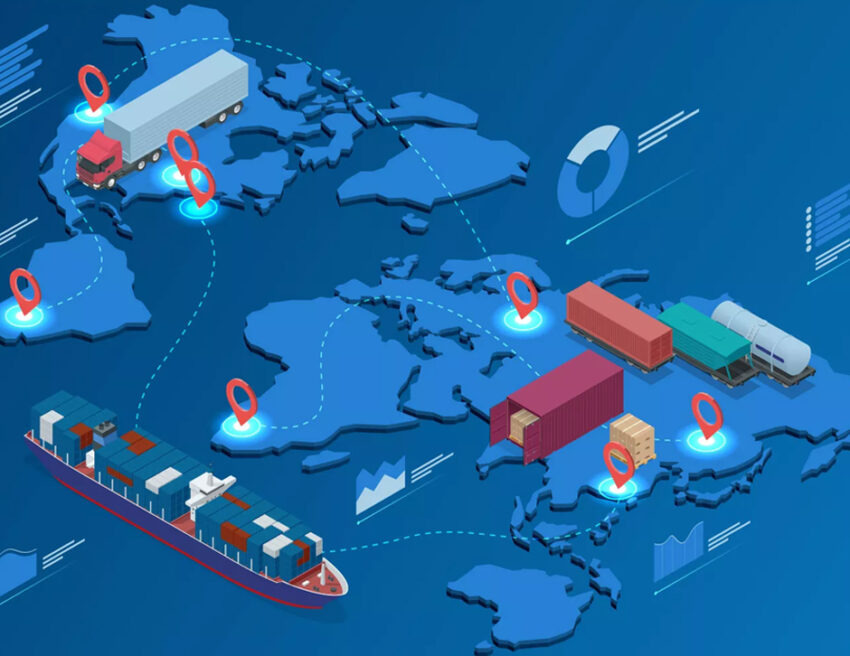
For large-scale container shipping, tools like MarineTraffic and Container Tracking by PIDAN are indispensable. They enable tracking of containers across oceans using IMO numbers for vessels and container numbers. Shippers can monitor vessel locations, port calls, and estimated arrival times, ensuring smooth coordination of logistics operations.
How to Use a Global Shipping Tracking Number Effectively
Using a tracking number effectively requires knowing where and how to input it for the best results. Follow these best practices to maximize the utility of tracking numbers.
Preparing for Tracking
Before entering a tracking number, ensure you have the correct code provided by the carrier. Also, gather additional shipment details like the origin and destination addresses, shipping date, and carrier name. This information helps resolve ambiguities and speeds up the tracking process.
Entering the Tracking Number
Visit the carrier’s official website or use their mobile app. Locate the tracking section, usually labeled “Track a Package” or similar. Enter the tracking number into the designated field and submit. Within moments, you’ll receive detailed shipment information, including current status and location.
Interpreting Tracking Information
Learn to interpret the tracking details provided. Status updates like “In Transit,” “Out for Delivery,” or “Delivered” indicate progress. Pay attention to transit times and any delays noted. Some systems offer maps showing the shipment’s route and estimated time of arrival at key milestones.
Troubleshooting Common Tracking Issues
Despite technological advancements, tracking issues can arise. Understanding common problems and how to address them ensures minimal disruption.
Resolving “Tracking Not Available” Errors
If you encounter a “Tracking Not Available” message, first verify the tracking number for typos or formatting errors. Check that the shipment has been properly dispatched and scanned by the carrier. If the issue persists, contact the carrier’s customer service with all relevant shipment details for assistance.
Addressing Incomplete or Delayed Updates
In cases of incomplete or delayed updates, consider time zone differences and carrier processing times. Technical issues with the tracking system may also be a factor. Refresh the tracking page periodically or try alternative devices. For persistent problems, reach out to the carrier for clarification.
Handling Discrepancies in Shipment Information
Discrepancies between expected and actual shipment information can occur due to manual errors during shipping documentation. Gather all relevant paperwork and contact the carrier to reconcile differences. Providing proof of shipment details can expedite resolution.
The Future of Global Shipping Tracking
The future of shipping tracking is poised for exciting developments driven by emerging technologies and changing industry needs.
Integration with AI and Machine Learning
Artificial intelligence and machine learning algorithms will enhance predictive analytics, offering more accurate delivery time estimates and proactive notifications about potential delays. AI chatbots will provide instant customer support, resolving common tracking inquiries without human intervention.
Expansion of IoT in Tracking
The Internet of Things will continue to expand, with more sensors and connected devices deployed across the supply chain. This will generate richer data streams, enabling granular tracking of individual items within containers and real-time environmental monitoring for sensitive cargo.
Enhanced Security Measures
As cyber threats evolve, tracking systems will incorporate advanced encryption and authentication protocols to protect shipment data. Blockchain technology may be integrated to ensure tamper-proof records of shipping events, enhancing trust and security in the supply chain.
Conclusion
Global shipping tracking numbers are indispensable tools in today’s interconnected world. They provide visibility, reduce uncertainty, and enhance the efficiency of supply chain operations. By understanding how to use these numbers effectively, troubleshooting common issues, and staying informed about future trends, businesses and consumers can fully leverage the benefits of modern shipping tracking systems. As technology continues to advance, the accuracy and reliability of these systems will only improve, further transforming the global shipping industry.
If you want to enhance your global shipping tracking experience and streamline your procurement process, you can use looperbuy, a one-stop purchasing-logistics solution: https://looperbuy.com/.
Related Questions & Answers
· How long does it typically take for a global shipping tracking number to become active?
The activation time for a global shipping tracking number varies by carrier and shipping method. Generally, numbers become active within 24–48 hours after the carrier picks up the shipment. For some express services, tracking may be available within a few hours. Delays can occur due to manual processing, holidays, or technical issues with the carrier’s system. Contacting the carrier directly provides the most accurate information regarding activation status.
· Can I track a package without a tracking number?
While tracking numbers are the most reliable method for tracking packages, some carriers offer alternative options. For instance, certain courier companies allow tracking using shipment details like the sender and recipient addresses, along with the shipping date. However, these methods are less precise and may not provide real-time updates. Relying on official tracking numbers ensures the best results for monitoring shipment progress.
· Why might a tracking number show different statuses across platforms?
Discrepancies in tracking statuses across platforms can arise from several factors. Carrier systems may not synchronize instantly with third-party tracking websites or apps. Technical delays or data transmission errors can also cause inconsistencies. Additionally, some platforms may interpret shipment data differently. Using the carrier’s official tracking system is recommended for the most accurate and up-to-date information.
· Are global shipping tracking numbers reused over time?
Generally, tracking numbers are unique to individual shipments and are not reused. However, carriers may recycle numbers after a significant period, typically several months to years, once a shipment’s lifecycle is complete. If you encounter a tracking number from a past shipment, verify the associated shipment details with the carrier to ensure it pertains to your current package.
· How can I secure my shipment against loss or theft using tracking information?
Proactive monitoring of your shipment using tracking information allows for timely intervention if signs of loss or theft appear. Set up alerts for key shipment milestones and unusual activities. If delays or irregularities occur, contact the carrier immediately to investigate. Additionally, consider purchasing shipping insurance for high-value items and use tamper-evident packaging to enhance shipment security.
Hot Tags: International Shipping Tracking; Courier Tracking Platforms; Container Tracking Tools; Real-Time Shipment Updates; Supply Chain Visibility; Shipping Carrier Services; Track and Trace Solutions; Logistics Monitoring; Maritime Tracking Systems