Table of Contents
The Italian Linum Home Textiles Industry
Italy is renowned for its luxurious home textiles, and linum (linen) products are no exception. The Italian linen industry combines centuries-old craftsmanship with modern design aesthetics, producing high-quality items that are sought after globally.
The History and Heritage of Italian Linen
Italian linen production has roots dating back centuries, with techniques passed down through generations. Regions like Lombardy and Veneto have become hubs for linen manufacturing, each with its own specialties and reputations for particular weaving and finishing techniques. The dedication to preserving traditional methods while embracing innovation has allowed Italian linen to maintain its position at the forefront of the global market.
Key Players in the Italian Linen Sector
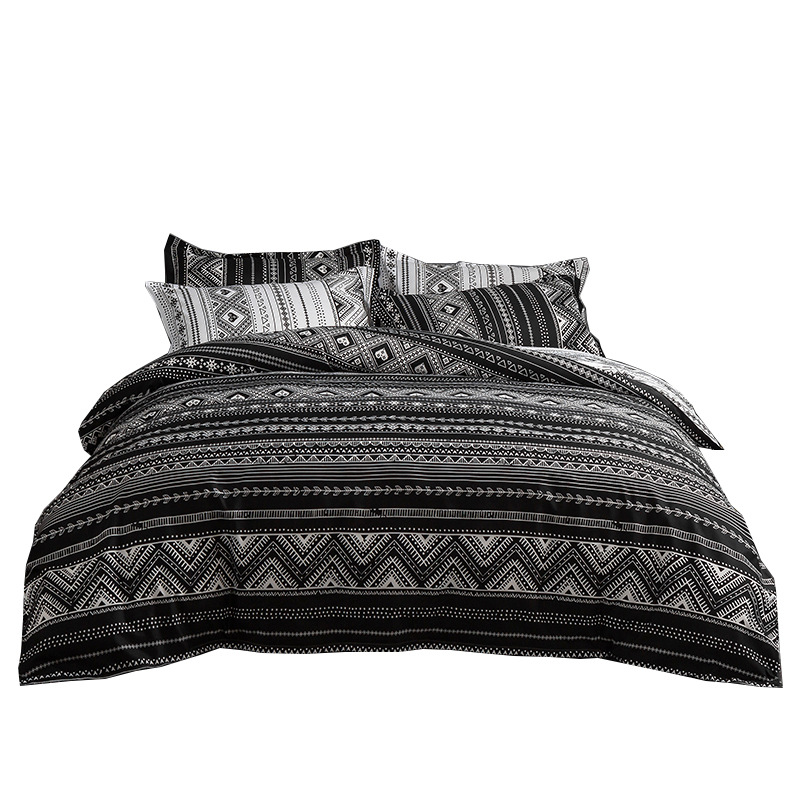
Several prominent companies dominate the Italian linen home textiles landscape. Brands like Linari, known for its sophisticated designs, and Pianca, which combines functionality with style, represent the luxury end of the market. Mid-range options include well-established names such as Albini, recognized for consistent quality and innovative patterns. These companies not only contribute to Italy’s rich textile heritage but also drive the industry forward with their commitment to excellence and trends.
Sourcing Linen Home Textiles in Italy
For businesses looking to stock Italian linen products, understanding how to effectively source these items is crucial. The Italian market offers multiple avenues for B2B transactions, each with its own benefits and considerations.
Attending Trade Shows and Expos
Trade events such as the Milan Furniture Fair and Heimtextil provide excellent opportunities to meet Italian linen suppliers. These shows offer the chance to see products firsthand, establish personal connections, and negotiate terms directly. The vibrant atmosphere of these expos allows buyers to immerse themselves in the latest collections and innovations, making it easier to identify products that align with their brand’s vision and customer demands.
Online B2B Platforms
Digital platforms have made sourcing Italian linen more accessible. Marketplaces like Archiproducts and Italian Design Directory allow buyers to browse products, connect with suppliers, and request quotes without the need for physical travel. These platforms often feature detailed product descriptions, high-resolution images, and supplier reviews, enabling informed decision-making from the comfort of your office.
Direct Manufacturer Partnerships
Building direct relationships with Italian linen manufacturers can lead to customized solutions and exclusive products. Many companies offer private label services and are open to discussions about bulk pricing and specific product specifications. Engaging in direct partnerships often results in stronger collaboration, with manufacturers tailoring their production processes to meet your unique business requirements and helping you stand out in a competitive market.
Quality Standards and Certifications
When purchasing Italian linen home textiles, ensuring quality is paramount. The Italian industry adheres to several key standards and certifications that buyers should be aware of.
Italian and International Quality Marks
Look for products certified by the Italian Linen Association (Associazione Italiana Lana) and those holding international standards like OEKO-TEX, which ensures products are free from harmful substances. These certifications not only guarantee quality but also provide assurance to end consumers, enhancing your product’s marketability and credibility.
Evaluating Linen Product Quality
Understanding factors that indicate quality, such as thread count, fiber purity, and weave type, helps in making informed purchasing decisions. Italian suppliers often provide detailed product specifications and samples to assist in this evaluation. By developing a keen eye for quality indicators, buyers can distinguish superior Italian linen from lesser products and ensure they are investing in items that will endure and delight customers.
Market Trends and Consumer Demand
Staying updated on market trends helps businesses position Italian linen products effectively. Current trends favor sustainable practices and organic materials, areas where Italian producers are increasingly focusing their efforts.
Sustainability in Italian Linen Production
Many Italian linen manufacturers are adopting eco-friendly production methods, from organic farming to waterless dyeing techniques. Highlighting these sustainable practices can attract environmentally conscious consumers. As the global demand for sustainability grows, Italian producers are rising to the challenge, implementing practices that reduce their environmental footprint while maintaining the high standards their customers expect.
Design Trends and Consumer Preferences
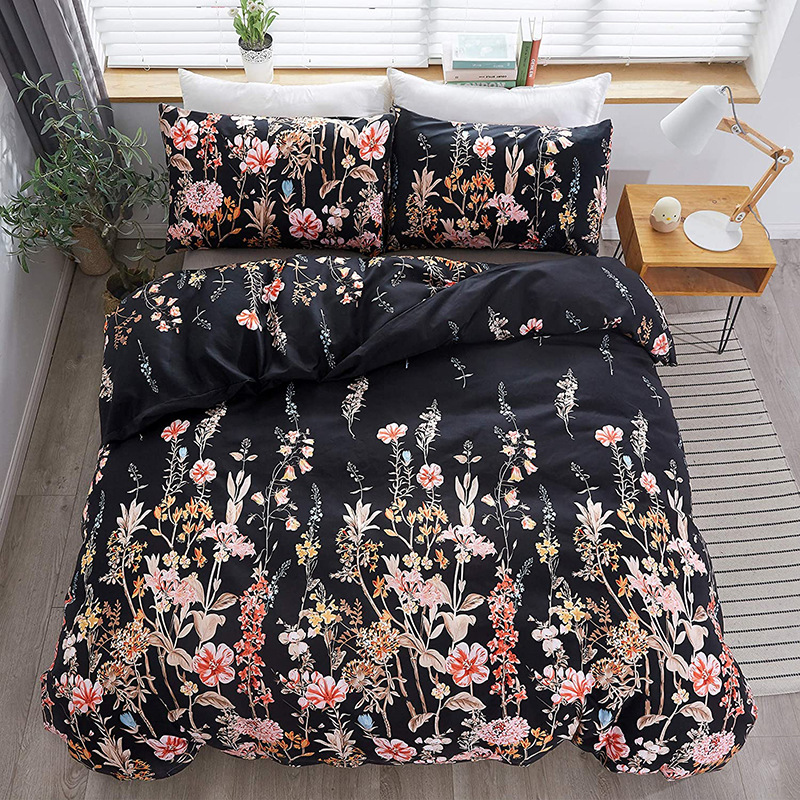
Minimalist designs with a focus on natural textures and colors continue to dominate. Italian linen products that incorporate these trends while maintaining comfort and durability are particularly appealing in today’s market. The ability of Italian designers to merge timeless elegance with contemporary minimalism ensures their products resonate with a wide range of consumers seeking both style and substance in their home textiles.
Pricing Strategies and Value Analysis
Understanding the pricing landscape of Italian linen home textiles is essential for making profitable purchasing decisions. Italian linen products are positioned across various price points, reflecting differences in material quality, production techniques, and brand prestige.
Entry-Level Italian Linen Products
At the more accessible end of the market, entry-level Italian linen items offer excellent value without compromising on basic quality. These products typically start at €50–€100 per unit for simpler designs and basic functionalities. They are ideal for businesses looking to introduce Italian linen to their product ranges without a significant initial investment, appealing to budget-conscious consumers who still desire a touch of Italian style.
Mid-Range and Premium Pricing Tiers
Mid-range Italian linen products fall within the €100–€300 per unit range, offering a balance of quality and affordability. Brands in this segment often invest in moderate production scales with attention to detail and slightly more complex designs. For premium Italian linen, prices can exceed €300 per unit, reflecting top-tier materials, exclusive designs, and the highest standards of craftsmanship. These luxury items are targeted at discerning customers who prioritize quality and are willing to pay a premium for superior products that embody the essence of Italian luxury and design heritage.
Negotiating Bulk Discounts and Long-Term Contracts
Volume discounts are a common practice among Italian linen suppliers, with typical reductions of 10–30% for bulk purchases. By committing to larger orders or long-term contracts, businesses can secure more favorable pricing and ensure a consistent supply of products. Building strong, trust-based relationships with suppliers often leads to better negotiation terms and exclusive access to new collections before they are available to the wider market.
After-Sales Support and Building Lasting Partnerships
Reputable Italian linen suppliers recognize that the transaction is just the beginning of the business relationship. They offer comprehensive after-sales support to ensure customer satisfaction and foster long-term partnerships.
Product Replacement and Technical Support
In the event of manufacturing defects or customer inquiries about product care and maintenance, Italian suppliers provide reliable support. This includes replacing defective items promptly and offering technical advice to help customers get the most out of their purchases. Their commitment to addressing post-sale concerns reinforces customer confidence and trust in your product offerings.
Marketing and Training Resources
Many Italian brands go beyond product supply by offering marketing materials and training programs. These resources assist retailers in promoting products effectively, understanding product features, and conveying the value of Italian linen to end consumers. By leveraging these resources, businesses can enhance their marketing efforts and provide their sales teams with the knowledge needed to articulate the unique benefits of Italian linen home textiles.
Conclusion
Italian linen home textiles represent a blend of tradition and innovation, making them highly desirable in the global market. By understanding the industry landscape, effective sourcing strategies, quality certifications, and current trends, businesses can successfully incorporate these products into their offerings. The commitment to excellence and sustainability by Italian manufacturers ensures that demand for their linen home textiles will continue to grow, providing ample opportunities for B2B partnerships.
How to purchase:https://looperbuy.com/search?keywords=Italy+linum+home+textiles+B2B
Related Questions & Answers
· What are the minimum order quantities for Italian linen suppliers?
Minimum order quantities vary significantly among Italian linen suppliers. Smaller artisan producers may accept smaller orders, sometimes even single units for certain products, while larger manufacturers typically require minimums ranging from 100 to 1000 units depending on the product type. It’s essential to inquire directly with each supplier about their specific requirements as part of your sourcing process.
· How can I verify the sustainability claims of Italian linen products?
Verification of sustainability claims involves checking for recognized certifications such as GOTS (Global Organic Textile Standard) or OEKO-TEX Standard 100. Requesting detailed information about the production process, including farming methods and dyeing practices, from suppliers is also crucial. Many Italian companies openly share their sustainability initiatives and can provide documentation supporting their eco-friendly claims.
· What pricing structure should I expect when buying Italian linen products?
Pricing for Italian linen products reflects factors such as material quality, production techniques, and brand prestige. Entry-level items may start at €50–€100 per unit for basic linens, while high-end designer products can exceed €500. Volume discounts are commonly offered, with typical reductions of 10–30% for bulk purchases. Obtaining quotes from multiple suppliers helps establish a clear understanding of pricing options.
· Are there specific seasons for launching Italian linen products in different markets?
In the Northern Hemisphere, new linen collections are typically launched in spring (March–April) for summer products and autumn (September–October) for winter lines. In the Southern Hemisphere, these timings are reversed. However, luxury Italian brands often have more flexible release schedules, especially for items considered classics or essentials that maintain consumer interest year-round.
· What after-sales support do Italian linen suppliers offer to B2B clients?
Reputable Italian linen suppliers provide various after-sales services, including product replacement for manufacturing defects, technical support for care and maintenance, and assistance with customer inquiries. Some brands also offer marketing materials and training programs to help retailers promote products effectively. The level of support often depends on the supplier’s size and the nature of your business relationship.
Hot Tags: Italian Linen Suppliers; Luxury Home Textiles B2B; Sustainable Linen Production; Italian Design Trade Shows; Linen Quality Certification; Home Textiles Sourcing; Organic Linen Products; Italian Manufacturing Partnerships; Home Decor Trends