Table of Contents
The Appeal of Stainless Steel Thermos Cups
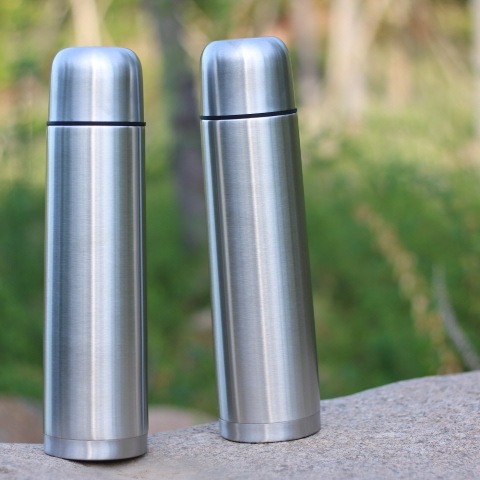
Stainless steel thermos cups have become a staple in our daily lives, offering a perfect blend of functionality and durability. Whether you’re commuting to work, heading out for a hike, or simply enjoying a day at the park, these cups provide an excellent way to keep your beverages at the ideal temperature for hours on end.
The Science Behind Temperature Retention
The remarkable ability of stainless steel thermos cups to maintain temperature lies in their double-walled construction with a vacuum layer. This design minimizes heat transfer between the inside and outside environments. The stainless steel material itself is a poor heat conductor, further enhancing the insulation properties. Some premium models even utilize advanced materials like copper coating on the inner wall to reflect heat and specialized powders in the vacuum layer to reduce thermal radiation, achieving temperature retention for up to 24 hours or more.
Environmental and Health Benefits
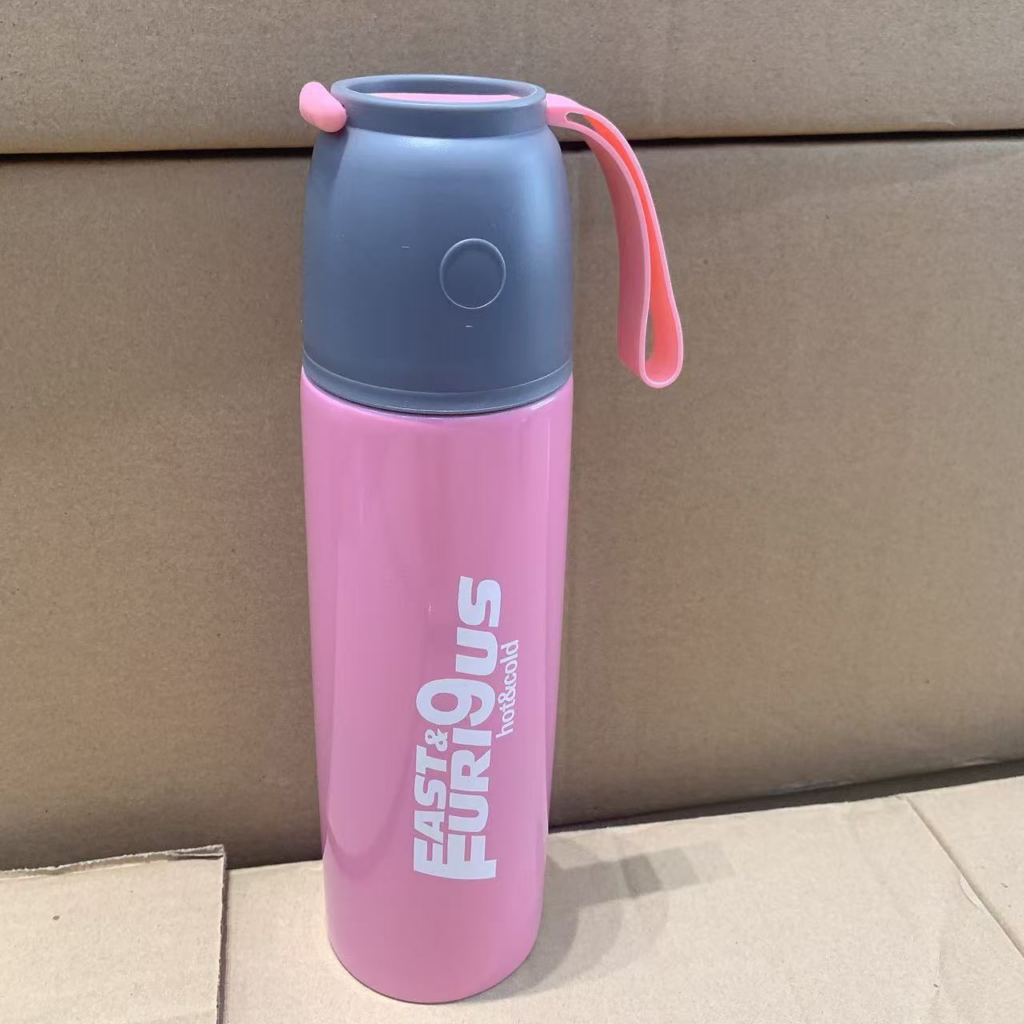
In an era of increasing environmental awareness, stainless steel thermos cups offer an eco-friendly alternative to disposable cups. A single thermos cup can replace hundreds of disposable cups over its lifetime, significantly reducing waste. Additionally, high-quality stainless steel is non-toxic, free from harmful substances like BPA, and resistant to rust and corrosion, ensuring the safety and purity of your beverages. Unlike plastic cups, which may release chemicals when exposed to hot liquids, stainless steel provides a healthy drinking experience.
Key Features to Look For in Stainless Steel Thermos Cups
When selecting a stainless steel thermos cup, several features deserve careful consideration to ensure you choose a product that meets your needs.
Lid Design and sealing property
The lid is crucial for preventing leaks and maintaining internal pressure. High-quality thermos cups often come with innovative lid designs, such as slide-open mechanisms with dual seals or screw-on lids with silicone gaskets. These designs not only prevent accidental spills but also enhance the overall sealing performance. Some lids even incorporate one-touch opening mechanisms for convenient one-handed operation, making them ideal for use during activities like driving or exercising.
Insulation Duration and Temperature Range
Different thermos cups offer varying insulation durations. Entry-level models may maintain hot or cold temperatures for 6-12 hours, while premium models can extend this to 24-48 hours. The insulation duration depends on factors such as cup capacity, wall thickness, and the quality of the vacuum layer. When choosing a thermos cup, consider how you’ll use it—for short commutes or extended outdoor adventures—and select a model with an insulation duration that matches your needs. Additionally, verify the manufacturer’s temperature retention claims through user reviews or third-party testing reports.
Build Quality and Durability
Stainless steel thermos cups are prized for their durability, but build quality can vary. Reputable brands use food-grade 304 or 316 stainless steel, which offers superior corrosion resistance and longevity compared to lower-grade materials. The welding quality and surface finishing also impact durability. High-quality cups often undergo electropolishing processes to remove surface impurities and enhance corrosion resistance. The exterior may feature protective coatings or finishes, such as brushed stainless steel or powder-coated surfaces, which not only improve aesthetics but also prevent scratches and fingerprints.
Popular Brands and Models in the Market
Several prominent brands dominate the stainless steel thermos cup market, each offering unique features and advantages.
Leading International Brands
Brands like Zojirushi and Thermos have established strong reputations globally. Zojirushi is renowned for its advanced insulation technology and premium build quality, with models like the SM-SC48 featuring a sleek design and up to 24 hours of temperature retention. Thermos, a pioneer in vacuum insulation technology, offers a wide range of products, from compact cups for daily use to larger models for family outings. The Thermos Int King series stands out with its exceptional 24-hour hot and cold retention capabilities and durable construction.
Noteworthy Domestic Brands
Domestic brands such as ThermosHu and Joyoung have gained significant market share in recent years. ThermosHu combines affordability with reliable performance, making it a popular choice for everyday use. Its TH-306 model offers 12-hour temperature retention at an attractive price point. Joyoung focuses on smart features and innovative designs, such as the K101 model with a built-in temperature display, allowing users to monitor their beverage’s temperature in real-time—a particularly useful feature for those who enjoy tea or coffee at specific temperatures.
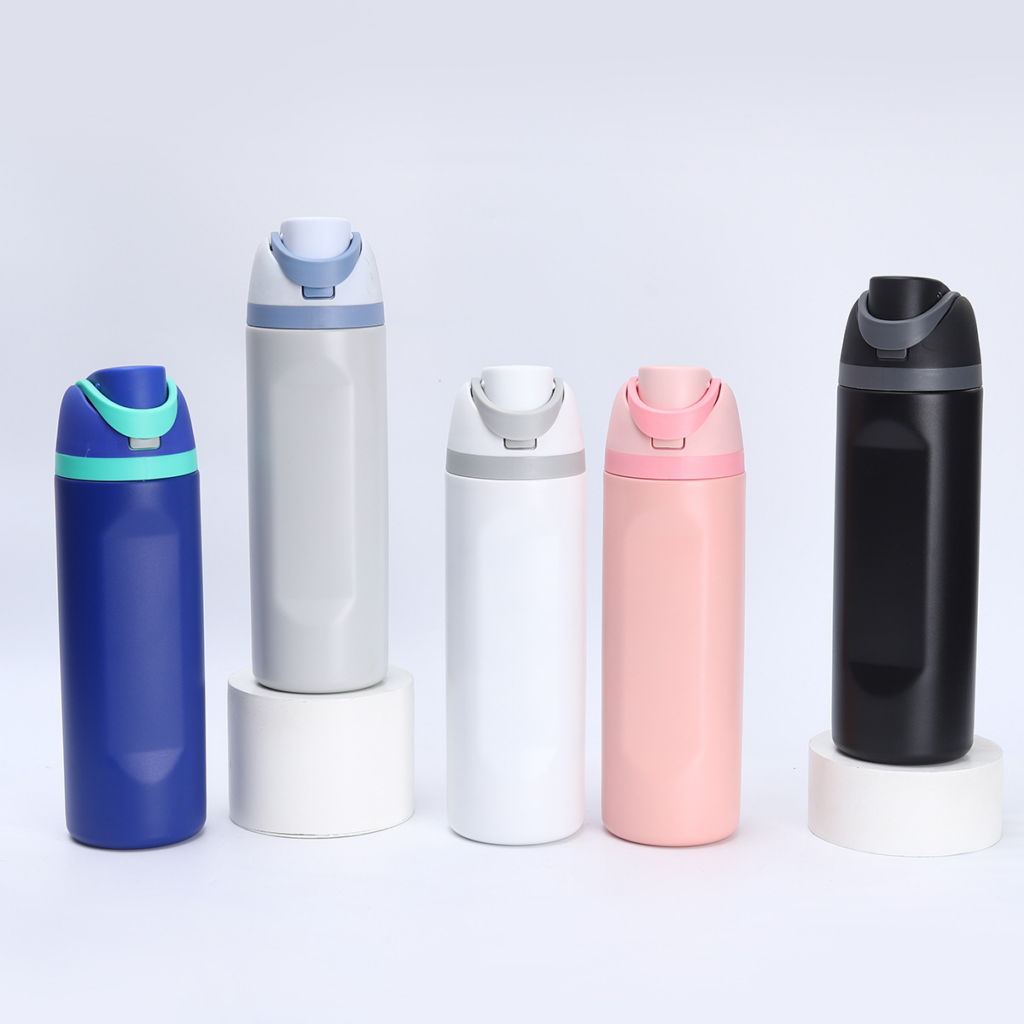
How to Choose the Right Stainless Steel Thermos Cup
Selecting the ideal thermos cup involves evaluating several factors based on your specific needs and usage scenarios.
Determining Your Primary Usage Scenario
Consider how and where you’ll primarily use the thermos cup. For daily commuting, a compact and lightweight design with a capacity of 300-500ml is ideal, ensuring easy portability without compromising on insulation performance. Outdoor enthusiasts requiring all-day hydration may prefer larger capacity models (500ml-1L) with rugged construction and secure carrying options like built-in carabiners or protective sleeves. For office use, a medium capacity (400-600ml) with a sleek design and leak-proof lid that fits easily in desk cup holders strikes a good balance.
Balancing Capacity and Portability
Capacity and portability are closely related. While larger capacity cups hold more beverages, they also increase weight and may be less convenient to carry. Assess your daily fluid intake requirements and the duration of use between refills. For most users, a 400-500ml capacity offers a practical balance, providing sufficient hydration for several hours without excessive bulk. If you consume larger quantities of beverages, opt for models with modular designs that allow attaching additional cups or using collapsible designs for easy transport when empty.
Considering Additional Features
Beyond basic insulation and durability, modern thermos cups offer a variety of additional features. Some models include tea strainers or coffee filters integrated into the lid, enabling you to steep tea or brew coffee on the go. Others feature built-in cup holders or car cup adapters for secure placement in vehicle cup holders. For tech-savvy users, smart thermos cups with temperature monitoring via smartphone apps or automatic reminders to stay hydrated provide added convenience. Evaluate which of these features align with your lifestyle and enhance your usage experience.
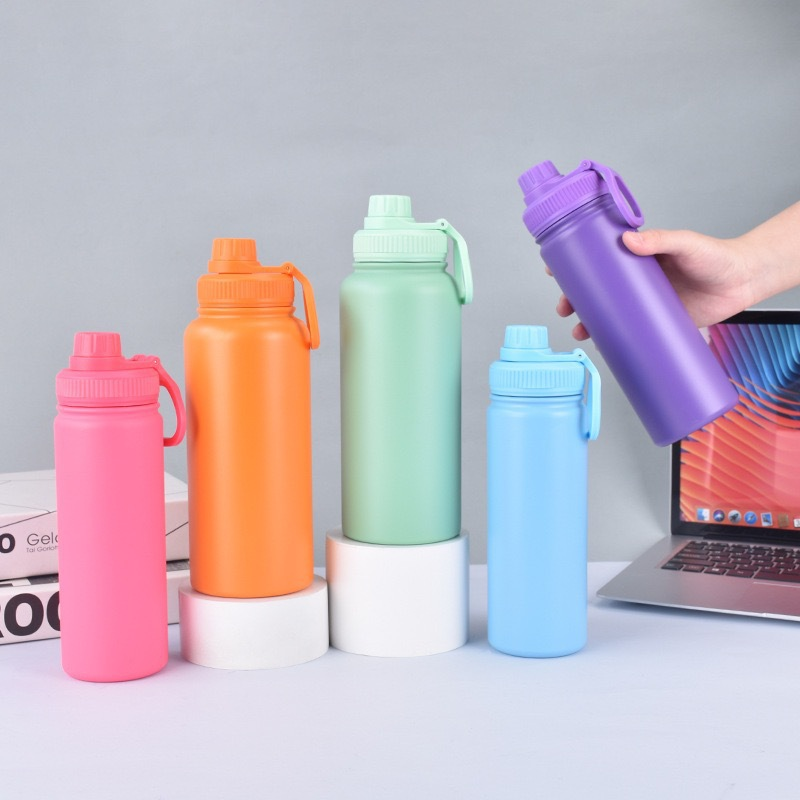
Maintenance and Longevity Tips for Your Thermos Cup
Proper care ensures your stainless steel thermos cup remains functional and performs well for years.
Cleaning and Descaling Procedures
Regular cleaning is essential to maintain the thermos cup’s performance and hygiene. After each use, rinse the cup with warm water and mild detergent, paying special attention to the lid and any removable parts. Avoid using abrasive cleaning agents that may scratch the interior surface and compromise insulation. For models prone to limescale buildup from repeated hot water use, periodic descaling with a mixture of white vinegar and water can restore the cup’s interior. Fill the cup with the vinegar-water solution, let it sit for 2-3 hours, then rinse thoroughly.
Avoiding Common Misuses
To preserve the thermos cup’s insulation performance, avoid common misuses such as storing hot liquids for extended periods (which can degrade the vacuum seal over time), using the cup to freeze beverages (which may warp the interior and affect the lid seal), and exposing the cup to extreme temperature fluctuations (such as leaving it in a hot car and then immediately filling it with ice water). These practices can gradually degrade the cup’s insulation capabilities and structural integrity.
Storage Practices for Extended Lifespan
When not in use for extended periods, store the thermos cup with the lid slightly ajar to allow air circulation and prevent moisture buildup inside. Keep it in a cool, dry place away from direct sunlight and corrosive substances. For thermos cups with removable insulation layers or lids, disassemble and store parts separately to avoid accidental damage. Proper storage not only extends the cup’s lifespan but also maintains its appearance and functionality over time.
Conclusion
Stainless steel thermos cups offer an excellent combination of temperature retention, durability, and environmental benefits. By understanding the science behind their insulation, evaluating key features, exploring popular brands, and following proper maintenance practices, you can select a thermos cup that meets your specific needs. Whether for daily commutes, outdoor adventures, or office use, the right stainless steel thermos cup will provide reliable service and enhance your drinking experience for years to come.
How to Purchase:https://looperbuy.com/search?keywords=stainless+steel+thermos+cup
Related Questions & Answers
· What is the typical price range for high-quality stainless steel thermos cups?
High-quality stainless steel thermos cups typically range from $20 to over $100. Entry-level models with basic features and shorter insulation durations are usually priced between $20-$50. Mid-range models from reputable brands with reliable performance and moderate capacities fall within the $50-$80 range. Premium models featuring advanced insulation technology, larger capacities, or innovative designs can exceed $80, with flagship products from top brands like Zojirushi sometimes reaching $150 or more. The price reflects factors such as brand reputation, insulation duration, build quality, and additional features.
· Can stainless steel thermos cups be used to store carbonated beverages?
Most stainless steel thermos cups are not recommended for storing carbonated beverages. The pressure from carbonation can gradually compromise the vacuum seal, leading to reduced insulation performance and potential leaks. However, some specialized models designed with reinforced seals and pressure-relief valves can accommodate carbonated drinks for short periods. Always check the manufacturer’s guidelines for specific usage recommendations to avoid damaging your thermos cup.
· How do I remove stubborn stains or odors from my stainless steel thermos cup?
For stubborn stains, create a paste using baking soda and water, apply it to the affected area, and let it sit for 1-2 hours before rinsing. For odors, fill the cup with a solution of white vinegar and water, let it sit for 3-4 hours, then rinse thoroughly. For thermos cups with removable inner胆s, you can also try freezing a mixture of ice cubes and baking soda overnight to absorb odors. Avoid using strong-smelling cleaning agents that may leave residual tastes in the cup.
· Are all stainless steel thermos cups dishwasher-safe?
Dishwasher safety varies by model. Some thermos cups are fully dishwasher-safe, while others may have parts (like lids with electronic components) that require hand-washing. Check the manufacturer’s care instructions before placing your thermos cup in the dishwasher. Even if it is dishwasher-safe, hand-washing with warm soapy water can extend the cup’s lifespan by avoiding potential damage from high-temperature dishwasher cycles.
· What is the difference between 304 and 316 stainless steel in thermos cups?
304 stainless steel is the most common material used in thermos cups, offering good corrosion resistance and durability for general use. It contains chromium and nickel, providing sufficient protection against everyday elements. 316 stainless steel, also known as marine-grade stainless steel, contains molybdenum in addition to chromium and nickel, offering superior resistance to pitting and corrosion in harsh environments like coastal or highly humid areas. While 316 stainless steel is more expensive, it is ideal for users who frequently expose their thermos cups to saltwater or extreme weather conditions.
Hot Tags: Vacuum Insulated Thermos; Temperature Retention Technology; Eco-Friendly Drinkware; Durable Stainless Steel Cups; Portable Insulated Mugs; Thermos Cup Brands Comparison; Beverage Temperature Maintenance; Outdoor Thermos Solutions; Healthy Drinking Containers