Table of Contents
Understanding Fan Motor Technology
Electric motors for fans represent a critical component in various ventilation and cooling systems across residential, commercial, and industrial applications. These motors convert electrical energy into mechanical energy, driving the rotation of fan blades to circulate air, enhance comfort, and maintain optimal environmental conditions.
Types of Electric Motors Used in Fans
The diversity in fan motor technology caters to different performance requirements, energy efficiency standards, and operational contexts.
AC Motors: The Workhorses of Ventilation
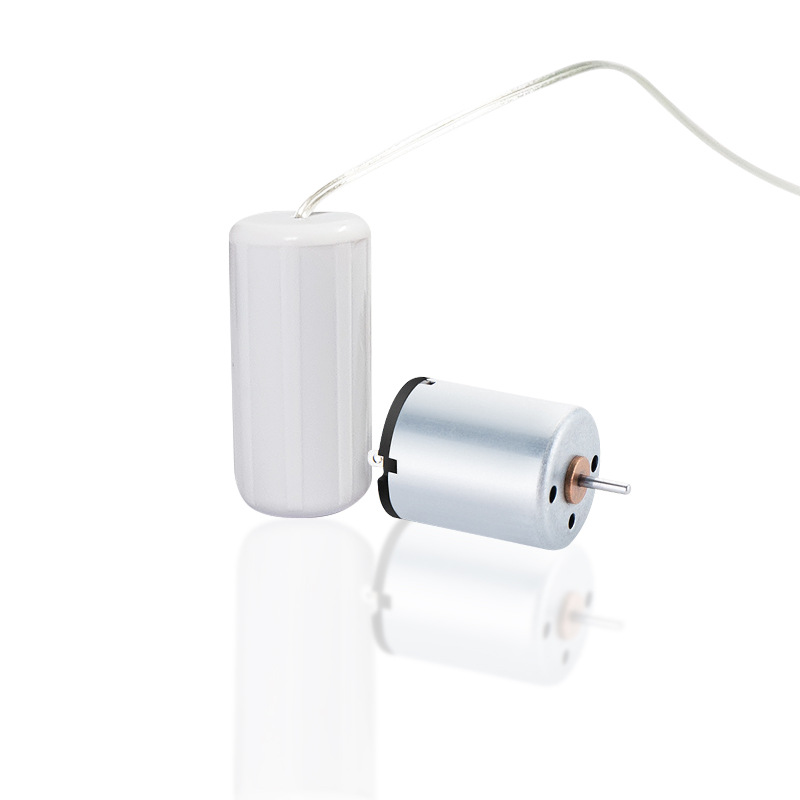
AC (Alternating Current) motors dominate the fan market due to their reliability, affordability, and compatibility with standard electrical supplies. They can be further categorized into induction motors and synchronous motors.
Induction motors, the most common type, operate based on electromagnetic induction principles. Their simplicity in construction, low maintenance needs, and robust performance make them ideal for residential ceiling fans, exhaust fans, and HVAC systems. These motors typically offer moderate efficiency levels, with energy consumption closely tied to fan speed and load conditions.
Synchronous AC motors, while less common, provide precise speed regulation capabilities. They maintain constant rotation speed regardless of load variations, making them suitable for specialized industrial ventilation systems where consistent airflow is paramount. Their efficiency tends to be higher than induction motors at specific operating points, but they generally come at a higher cost and require more complex control mechanisms.
DC Motors: Efficiency Meets Precision
DC (Direct Current) motors have gained significant traction in fan applications, particularly as energy efficiency standards tighten and smart technology integration increases. Brushed DC motors, though gradually being phased out due to maintenance concerns related to brush wear, still find niches in certain cost-sensitive fan designs.
Brushless DC (BLDC) motors represent the cutting edge of fan motor technology. They eliminate the mechanical brushes found in traditional DC motors, reducing friction, minimizing wear and tear, and dramatically extending operational lifespan. BLDC motors boast exceptional energy efficiency, often converting a higher percentage of electrical input into useful mechanical output compared to AC motors. This efficiency advantage translates to energy savings, lower operational costs, and reduced environmental footprint—key selling points in today’s sustainability-focused market.
The electronic commutation systems in BLDC motors enable advanced speed control and performance optimization. They can be programmed to adjust fan speed based on temperature sensors, occupancy detection, or manual user inputs through smart home systems. This intelligent responsiveness allows fans equipped with BLDC motors to operate precisely at the required airflow levels, avoiding unnecessary energy consumption while maintaining desired comfort conditions.
Key Performance Metrics for Fan Motors
Selecting the right electric motor for a fan application involves evaluating several critical performance parameters to ensure optimal functionality and efficiency.
Torque and Speed Characteristics
Torque, the rotational force produced by the motor, directly impacts the fan’s ability to move air against resistance such as ductwork, filters, or static pressure in a room. Fan motors must deliver sufficient starting torque to overcome initial inertia and maintain adequate running torque throughout operation.
Speed regulation refers to the motor’s capacity to maintain consistent rotation speed under varying load conditions. In ventilation systems, fluctuations in air resistance (due to dirty filters, open/closed dampers, etc.) can affect motor speed. Motors with excellent speed regulation capabilities ensure stable airflow delivery, preventing uncomfortable temperature variations or inadequate air circulation.
The speed-torque curve of a motor illustrates the relationship between these two parameters across different operating points. For fan applications, motors with relatively flat speed-torque curves are often preferred as they can maintain fairly consistent speeds even when torque demands change moderately, which is typical in many ventilation scenarios.
Energy Efficiency and Power Consumption
Energy efficiency has become a paramount consideration in electric motor selection for fans, driven by both economic and environmental factors. High-efficiency motors consume less electrical power to produce the same mechanical output, reducing utility bills for consumers and decreasing greenhouse gas emissions associated with electricity generation.
The efficiency of a motor is typically expressed as a percentage representing the ratio of useful mechanical power output to electrical power input. Various regulatory standards, such as ENERGY STAR in the United States or the EU’s Eco Design Directives, establish minimum efficiency requirements for fan motors to promote energy conservation and sustainability across the industry.
Power consumption measurements, usually in watts, provide a direct indication of how much electricity a motor utilizes during operation. By comparing power consumption values at similar airflow and pressure conditions, consumers and system designers can identify motors that offer the best energy performance for their specific application needs.
Noise Levels and Acoustic Performance
In residential and office environments, noise generated by fan motors can significantly impact occupant comfort and productivity. Motor noise typically arises from several sources, including electromagnetic vibrations within the motor itself, mechanical vibrations transmitted through motor mounts to surrounding structures, and aerodynamic noise caused by the interaction between rotating fan blades and the air.
Manufacturers employ various noise reduction strategies in motor design. These may involve optimizing the motor’s internal components to minimize vibration, using precision-balanced rotors, incorporating vibration-damping materials in mounting systems, and designing fan blade shapes and pitch angles that reduce turbulent airflow and associated noise. Some high-end fan motors achieve remarkably low noise levels, operating nearly silently and thus suitable for applications where quiet performance is crucial, such as in bedrooms, libraries, or recording studios.

Applications of Electric Motors in Fan Systems
The versatility of electric motors enables their widespread use in an array of fan applications, each with distinct operational demands and performance expectations.
Residential Fan Applications
In homes, electric motors power ceiling fans, table fans, floor fans, and exhaust fans. Ceiling fans, equipped with appropriately sized motors (usually ranging from 30 to 180 watts depending on blade span and airflow requirements), provide both cooling relief during warm months and gentle air circulation to enhance heating efficiency in cooler seasons. The motors in these fans must balance adequate airflow generation with quiet operation to avoid disturbing household activities and sleep patterns.
Exhaust fans in bathrooms and kitchens rely on motors that can withstand moist, humid environments and corrosive elements (such as kitchen grease or bathroom cleaning chemicals). These motors often feature protective coatings and sealed bearings to ensure longevity despite challenging operating conditions. Their performance focuses on rapid air exchange to remove odors, moisture, and airborne contaminants, maintaining indoor air quality and preventing mold growth.
Commercial and Industrial Ventilation Systems
In commercial buildings like offices, shopping malls, and hotels, large-scale HVAC systems incorporate powerful electric motors to drive air handling units, supply and exhaust fans, and variable air volume (VAV) systems. These motors, sometimes with capacities exceeding hundreds of horsepower, must deliver high airflow volumes across extensive duct networks while maintaining efficient energy usage given the continuous 24/7 operation typical in such settings.
Industrial applications pose even more rigorous demands on fan motors. Manufacturing facilities, chemical plants, and agricultural operations require ventilation systems capable of moving massive amounts of air, sometimes containing abrasive particles, corrosive vapors, or explosive gases. Motors used in these environments undergo specialized engineering—featuring explosion-proof housings, corrosion-resistant materials, and robust construction to handle extreme temperatures and harsh operating conditions. Their reliability and durability become paramount to ensure uninterrupted industrial processes and worker safety.
Specialty Fan Applications
Beyond conventional ventilation, electric motors find use in specialized fan systems such as evaporative coolers (swamp coolers), attic ventilation fans, and electronic equipment cooling fans. In evaporative coolers, motors power the circulation of water and air to create cooling effects through evaporation, requiring motors that can operate efficiently in continuously damp conditions while driving both water pumps and air-moving fans.
Attic ventilation fans utilize motors to expel hot air from attic spaces, reducing cooling loads on residential and commercial buildings. These motors must function reliably in high-temperature environments (attics can reach extreme heat levels during summer months) and sometimes incorporate thermostatic controls to activate only when attic temperatures exceed predetermined thresholds.
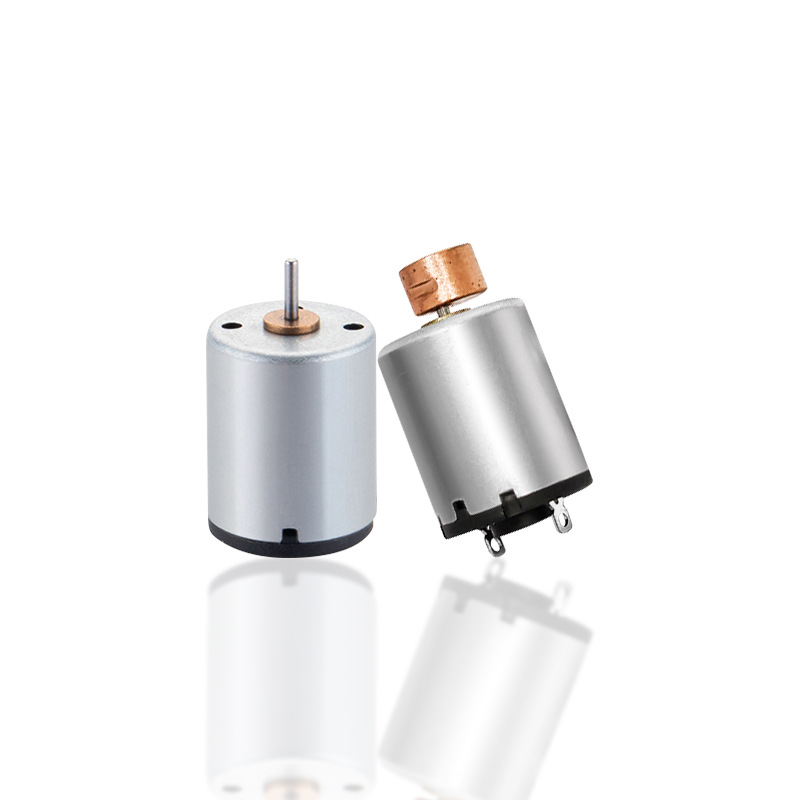
In the electronics sector, miniaturized electric motors cool computers, servers, and other heat-generating devices. These tiny motors, sometimes measuring just a few millimeters in diameter, require precision manufacturing to achieve high-speed rotation (necessary for effective heat dissipation within compact spaces) while minimizing electrical interference with sensitive electronic components.

Selecting the Right Electric Motor for Your Fan Application
The process of choosing an appropriate electric motor involves careful analysis of numerous factors to ensure the motor’s performance aligns with the specific requirements of the fan system.
Application-Specific Requirements
First and foremost, consider the primary purpose of the fan. Is it for general room ventilation, industrial process cooling, humidity control, or electronic equipment protection? Each application dictates different airflow needs, pressure requirements, and operating environments that the motor must accommodate.
For instance, a fan used in a dusty industrial workshop requires a motor with sealed bearings and protective housings to prevent dust ingress, which could otherwise lead to premature motor failure. In contrast, a fan designed for a clean, climate-controlled office space may prioritize quiet operation and energy efficiency over robust environmental protection features.
Motor Compatibility with Fan Design
The motor must physically and mechanically match the fan assembly. This includes factors such as shaft dimensions (to connect properly with fan blades), mounting configurations (ensuring secure installation within the fan housing), and overall size constraints (the motor should not disproportionately occupy space or add unnecessary weight to the fan system).
In addition, the motor’s torque-speed characteristics should complement the fan blade design. Larger, heavier blades with specific pitch angles demand certain torque outputs at various speeds to achieve optimal airflow. Mismatched motor and blade combinations can result in poor performance, excessive energy consumption, or even mechanical stress leading to component failure.
Energy Efficiency Considerations
Given the long-term operational costs associated with fan systems (which often run for extended periods), investing in energy-efficient motors yields substantial financial and environmental benefits. Consult energy efficiency ratings and compare motor performance data under typical operating conditions relevant to your fan application.
When upgrading existing fan systems, even replacing older, inefficient motors with modern high-efficiency models can result in significant energy savings over time. For new installations, specifying energy-efficient motors from the outset establishes a foundation for cost-effective and environmentally responsible operation throughout the system’s lifespan.
Budget and Long-Term Cost Analysis
While initial purchase price plays a role in motor selection, a comprehensive cost analysis should also factor in expected energy consumption expenses, maintenance requirements, and motor lifespan. High-efficiency motors may carry a higher upfront cost but can offer lower total cost of ownership through reduced utility bills and potentially fewer maintenance interventions (particularly in the case of brushless motors with fewer wearing parts).
In commercial and industrial settings where fan systems operate continuously, even small improvements in motor efficiency can translate to substantial savings when multiplied across numerous units and extended operational hours. Conducting a payback period analysis helps determine how quickly the initial investment in energy-efficient motors will be recouped through operational cost reductions.
Future Trends in Fan Motor Technology
The evolving landscape of electric motor technology for fans points toward several exciting advancements that will further enhance performance, efficiency, and functionality.
Smart Motor Systems and IoT Integration
Increasingly, fan motors incorporate smart technology capabilities, enabling connectivity with internet of things (IoT) platforms. These smart motors can communicate performance data (such as speed, power consumption, temperature, etc.) to building management systems or mobile applications. This real-time monitoring allows for proactive maintenance scheduling, fault detection, and performance optimization based on actual operating conditions rather than predetermined settings.
For example, a smart motor in a commercial HVAC fan system might detect a gradual increase in power consumption, indicating potential dirt accumulation on fan blades or filter restrictions. It could then automatically alert maintenance personnel or adjust fan speed to compensate while awaiting servicing, minimizing downtime and ensuring continuous proper ventilation.
Advances in Motor Materials and Manufacturing
Ongoing research into advanced materials promises to improve motor efficiency, reduce weight, and enhance durability. New high-performance magnets, optimized laminated core materials with lower eddy current losses, and high-strength lightweight alloys for motor housings and components are under development.
Additive manufacturing (3D printing) techniques are also beginning to transform motor production. This technology allows for the creation of complex internal motor geometries that were previously difficult or impossible to manufacture using conventional methods. These optimized designs can Improve airflow within the motor itself (for better cooling), enhance magnetic field configurations for greater efficiency, and reduce material usage—contributing to more sustainable manufacturing processes alongside improved product performance.
Focus on Sustainability and Regulatory Compliance
As global environmental concerns intensify, regulatory bodies continue to establish stricter energy efficiency standards and emission requirements for electric motors across all applications, including fans. Manufacturers respond by innovating to meet and exceed these standards, driving the entire industry toward more sustainable practices.
Additionally, the lifecycle approach to motor sustainability extends beyond just operational efficiency. This includes using recycled materials in motor production, designing motors for easier disassembly and recycling at end-of-life, and developing motor manufacturing processes with lower carbon footprints. Consumers and businesses increasingly prioritize purchasing from companies demonstrating strong environmental stewardship, further incentivizing sustainable motor technology advancements.
Conclusion
Electric motors for fans stand as indispensable elements in our efforts to maintain comfortable, healthy, and efficient indoor environments across diverse settings. From the familiar hum of a ceiling fan in a home to the powerful ventilation systems sustaining industrial operations, these motors evolve continuously to meet rising performance expectations and sustainability goals. By understanding the various motor technologies available, their performance parameters, suitable applications, and future trends, consumers, engineers, and system designers can make informed decisions that optimize both immediate functionality and long-term environmental impact. As technology progresses and sustainability becomes ever more central to our choices, the role of innovative electric motors in shaping efficient fan solutions will only continue to grow in importance.
How to Purchase:https://looperbuy.com/search?keywords=electric+motors+for+fans
Related Questions & Answers
· What factors cause premature failure in fan motors?
Premature fan motor failure can result from several factors: excessive heat exposure (common in inadequately cooled motors or high-temperature environments), dirt and dust accumulation leading to overheating or mechanical imbalance, moisture ingress in humid settings damaging electrical components, overloading the motor by restricting airflow (e.g., through clogged filters or improperly sized ductwork), voltage fluctuations causing electrical stress, and lack of proper lubrication in motors with bearings that require periodic maintenance. Addressing these environmental and operational stressors through appropriate motor selection, regular maintenance, and proper system design can significantly extend motor lifespan.
· Can I replace an AC motor with a DC motor in my existing fan system?
In many cases, yes—but several considerations apply. DC motors (especially brushless types) generally offer better energy efficiency and speed control capabilities. However, you’ll need to verify electrical compatibility (voltage and current requirements) between the new DC motor and your existing electrical supply or control system. Additional components like motor controllers or driver circuits might be necessary for proper DC motor operation. Mechanical compatibility (shaft size, mounting points, etc.) must also be confirmed. If feasible, such a replacement can upgrade your fan system’s performance and efficiency, but professional evaluation is recommended to ensure a successful conversion without compromising safety or functionality.
· How do I determine the appropriate motor size for a custom fan application?
Determining motor size involves calculating required airflow (usually in cubic feet per minute or CFM) based on the space or process needs, assessing the total system resistance (from ducts, filters, grilles, etc.) that the motor must overcome to achieve that airflow, and then selecting a motor with sufficient power (torque and speed capabilities) to deliver the desired performance. Fan laws and manufacturer performance curves prove invaluable in this process. Consulting with engineering professionals or utilizing specialized software tools can help accurately match motor specifications to your unique fan application requirements, ensuring optimal system design from the start.
· What maintenance practices extend fan motor life?
Regular maintenance strategies include cleaning the motor and surrounding areas to prevent dust buildup, checking and replacing air filters in the fan system to maintain proper airflow and reduce motor strain, inspecting motor mounts and fasteners for looseness that could cause vibration and wear, lubricating motor bearings (if applicable) according to manufacturer recommendations, monitoring for unusual noises or vibrations that might indicate bearing failure or imbalance, and ensuring proper electrical connections without corrosion or oxidation. Establishing a scheduled maintenance routine based on the fan system’s operating environment and usage intensity can preempt many common motor failure modes and keep your fan system operating reliably over extended periods.
· Are there tax incentives or rebates for using energy-efficient fan motors?
In numerous regions, governments and utility companies offer tax incentives, rebates, and energy efficiency programs to encourage adoption of energy-saving technologies like high-efficiency fan motors. These incentives may take forms such as percentage-based tax deductions on motor purchase costs, direct monetary rebates after installation, or preferential utility rates for businesses and homes demonstrating reduced energy consumption through efficient motor use. Checking with local energy authorities, tax agencies, or your utility provider can reveal available programs specific to your location and fan motor application, potentially offsetting initial investment costs and accelerating your return on efficiency improvements.
Hot Tags: Fan Motor Efficiency; Brushless DC Motors; HVAC Fan Systems; Industrial Ventilation Motors; Energy-Efficient Fan Drives; Smart Fan Motor Technology; Residential Fan Motors; Motor Torque and Speed; Fan Motor Noise Reduction