Table of Contents
Introduction
Plastic pipe furniture has emerged as a unique and innovative design element in modern interior decor. Combining affordability, versatility, and sustainability, this unconventional furniture option offers endless possibilities for both DIY enthusiasts and professional designers. In this comprehensive guide, we will explore the world of plastic pipe furniture, from its origins to practical tips for creating your own pieces.
The Rise of Plastic Pipe Furniture
Historical Background
Plastic pipe furniture gained popularity in the mid-20th century as a cost-effective and durable alternative to traditional materials. Its lightweight nature and ease of assembly made it a favorite for mass production. Over time, designers began experimenting with plastic pipes, recognizing their potential for creative and sustainable applications.
Evolution and Modern Trends
Today, plastic pipe furniture has evolved beyond its utilitarian roots. Modern designers are incorporating plastic pipes into contemporary decor, creating sleek and stylish pieces that blend seamlessly with various interior styles. This evolution has led to increased demand for customizable and eco-friendly furniture solutions.
Benefits of Plastic Pipe Furniture
Cost-Effectiveness
One of the most appealing aspects of plastic pipe furniture is its affordability. Plastic pipes and fittings are generally inexpensive compared to traditional furniture materials. This makes it an accessible option for budget-conscious consumers and DIY enthusiasts.
Versatility and Customization
Plastic pipe furniture offers unparalleled versatility. It can be easily customized to fit different spaces and design preferences. Whether you need a simple shelf, a complex dining table, or a creative bookcase, plastic pipes can be adapted to meet your specific needs.
Sustainability and Eco-Friendliness
Plastic pipe furniture contributes to sustainable design practices. Many plastic pipes are made from recyclable materials, and the furniture itself can often be disassembled and repurposed. This reduces waste and aligns with eco-conscious consumer values.
Choosing the Right Plastic Pipes and Fittings
Types of Plastic Pipes
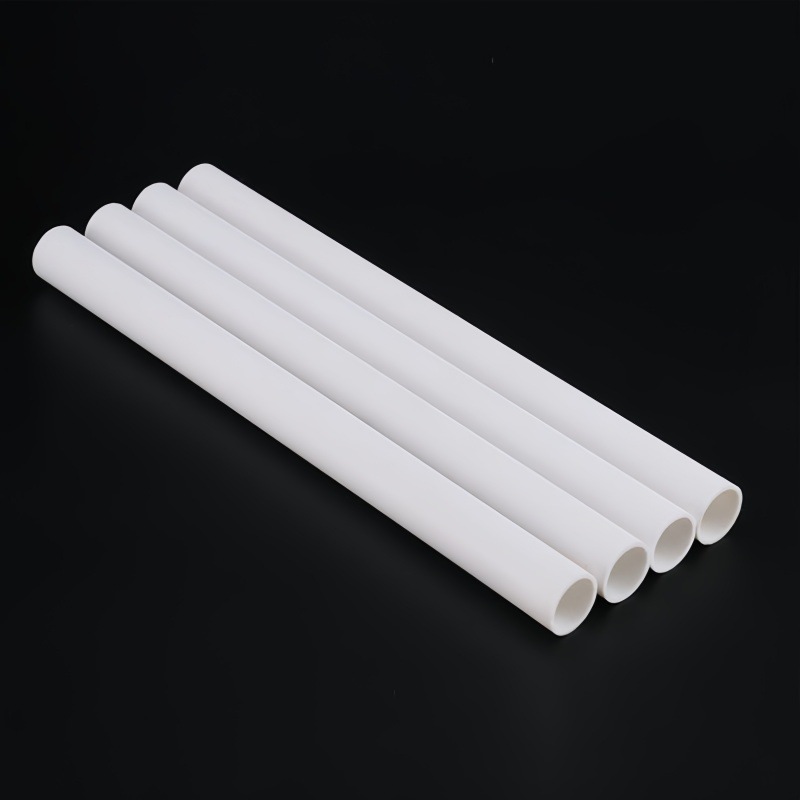
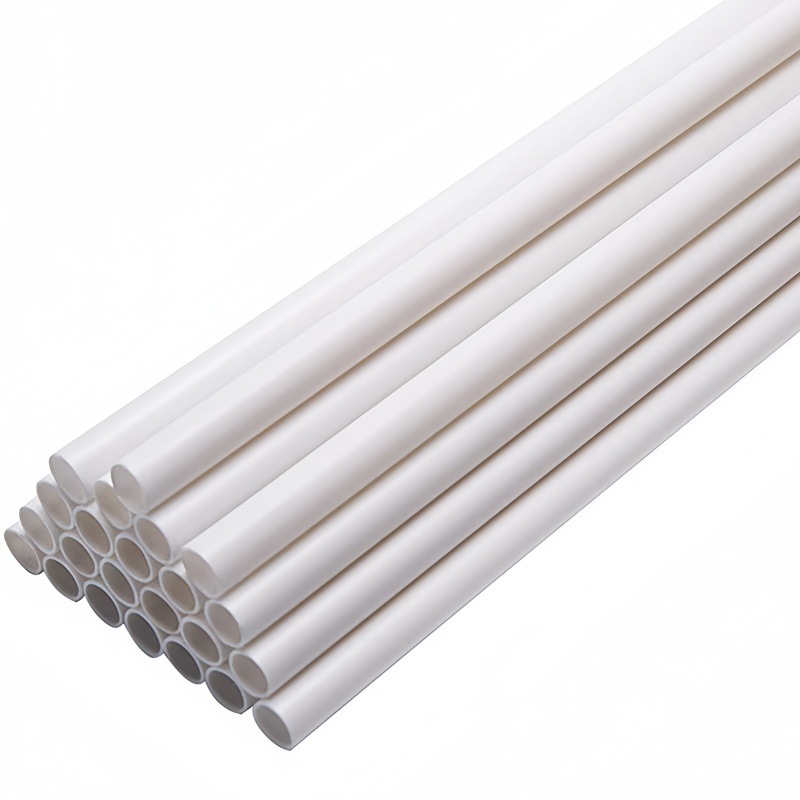
- PVC Pipes: Known for their durability and ease of use, PVC pipes are a popular choice for furniture making. They come in various diameters and thicknesses to suit different projects.
- Polypropylene (PP) Pipes: Lightweight and resistant to chemicals, PP pipes are ideal for outdoor furniture environments.
- Polyethylene (PE) Pipes: Flexible and impact-resistant, PE pipes are suitable for projects requiring some give, such as modular storage solutions.
Essential Fittings
- Elbows and Couplings: These basic fittings allow you to create angles and extend pipes. They are essential for constructing frames and shelves.
- T-Joints and Cross Fittings: These enable the creation of more complex structures, such as dining tables and multi-tiered shelves.
- End Caps: Used to finish off open pipes, end caps provide a clean and professional look to your furniture pieces.
Designing Your Own Plastic Pipe Furniture
Planning Your Project
Before diving into your project, spend time planning. Measure the space where the furniture will go and sketch a design. Consider the function of the piece and how it will be used. This preparation helps avoid mistakes and ensures a successful outcome.
Tools and Materials Needed
Gather the necessary tools and materials:
- PVC cutter or hacksaw: For cutting pipes to the desired length.
- Measuring tape: Essential for accurate measurements.
- Plastic pipes and fittings: Based on your design requirements.
- Sandpaper: To smooth rough edges after cutting.
- Pipe cement: For securing joints (optional, depending on the type of plastic used).
Step-by-Step Assembly Guide
- Cut the Pipes: Using your PVC cutter or hacksaw, cut the pipes to the lengths specified in your design.
- Assemble the Frame: Connect the pipes and fittings according to your sketch. Start with the base and work upwards for stability.
- Secure Joints: If using PVC, apply pipe cement to the fittings before connecting them to the pipes. This ensures a strong bond.
- Add Finishing Touches: Apply end caps and sand any rough edges. Consider painting or staining the furniture for a personalized look.
Creative Plastic Pipe Furniture Ideas
Shelving Units
Plastic pipes can be used to create customizable shelving units. The modular nature of the pipes allows for easy adjustments to shelf height and depth. This makes them perfect for organizing books, plants, or decorative items.
Dining Tables
With the right design and sturdy construction, plastic pipe dining tables can be both functional and stylish. Use thicker pipes for the legs and a stable base to support a glass or wood tabletop.
Chairs and Benches
Designing chairs and benches with plastic pipes requires attention to ergonomics. Ensure the pipes are strong enough to support weight and provide comfort. Adding cushioned seats enhances usability.
Outdoor Furniture
Plastic pipes are ideal for outdoor furniture due to their weather resistance. Create patio tables, garden chairs, or plant stands that can withstand various weather conditions.
Maintenance and Care Tips
Cleaning Plastic Pipe Furniture
Regular cleaning is essential to maintain the appearance of your plastic pipe furniture. Use a mild detergent and water to wipe down surfaces. For stubborn dirt, a soft brush can help dislodge debris without scratching the plastic.
Repairing Damaged Pieces
If a pipe or fitting becomes damaged, replacements are generally inexpensive and easy to install. Disassemble the affected section, replace the damaged components, and reassemble using pipe cement if necessary.
Extending the Lifespan
To prolong the life of your plastic pipe furniture, store it in a dry place when not in use. Avoid exposing it to extreme temperatures or prolonged direct sunlight, which can cause degradation over time.
Conclusion
Plastic pipe furniture offers a creative, sustainable, and cost-effective solution for modern interior design. Its versatility allows for endless customization, making it a favorite among DIY enthusiasts and professional designers alike. By following the tips and ideas outlined in this guide, you can create beautiful and functional furniture pieces that reflect your unique style while contributing to eco-friendly design practices.
How to Purchase:https://looperbuy.com/search?keywords=plastic+pipe+furniture
Related Questions and Answers
H2: Frequently Asked Questions About Plastic Pipe Furniture
- Q: Is plastic pipe furniture durable enough for everyday use? A: Yes, when properly constructed with the right materials, plastic pipe furniture can be very durable. PVC pipes, in particular, are known for their strength and longevity.
- Q: Can plastic pipe furniture be used outdoors? A: Absolutely. Certain types of plastic pipes, like polypropylene and polyethylene, are weather-resistant and suitable for outdoor furniture applications.
- Q: How do I customize the appearance of plastic pipe furniture? A: You can paint or stain plastic pipes to match your interior decor. Additionally, combining plastic pipes with different materials, such as wood or metal accents, can create unique design blends.
- Q: Are plastic pipe furniture components easy to find? A: Yes, plastic pipes and fittings are widely available at hardware stores and online retailers. They are often found in the plumbing section.
- Q: Can I disassemble and reconfigure plastic pipe furniture? A: Most plastic pipe furniture can be disassembled and reconfigured. This flexibility allows you to adapt your furniture to changing needs and spaces.
Hot Tags: Plastic Pipe Furniture; Pvc Pipe Furniture; Sustainable Furniture Design; Diy Plastic Pipe Projects; Custom Furniture Solutions; Affordable Furniture Ideas; Modern Interior Decor; Outdoor Plastic Furniture; Creative Shelving Units; Plastic Pipe Decor