Introduction In the realm of interior design, paint decors stand as a powerful yet often underestimated tool for transforming spaces. A well-applied paint decor can breathe new life into a room, reflecting your personality and setting the tone for your living or working environment. Whether you’re a seasoned designer or a DIY enthusiast, understanding the nuances of paint decors can open up a world of possibilities for creative expression.
The World of Paint Decors
What Are Paint Decors?
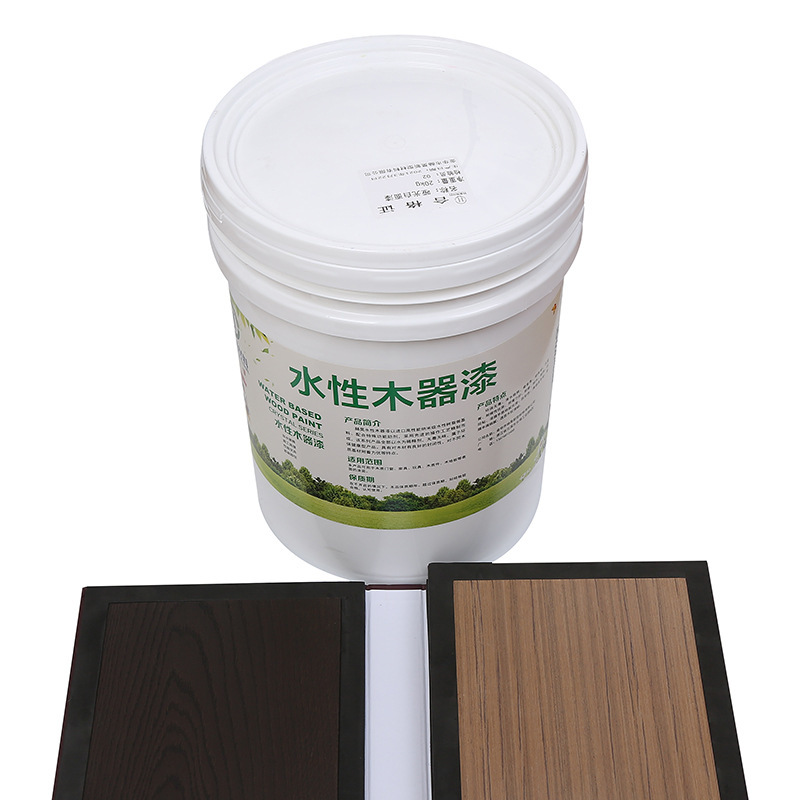
Paint decors refer to the various techniques and styles used to apply paint to surfaces, creating decorative effects that go beyond the basic solid color coat. These can range from simple color washes to intricate murals and everything in between, offering homeowners and designers alike a versatile way to add character and visual interest to any space.
A Brief History of Paint Decors
The history of paint decors is a rich tapestry woven through the ages. From the ancient cave paintings that served both decorative and communicative purposes to the sophisticated frescoes adorning the walls of Roman villas, painted decorations have always been a part of human creativity. In more recent history, the Victorian era saw a proliferation of elaborate paint techniques, while the modernist movement brought about a shift towards cleaner lines and simpler color schemes. Today, we enjoy a revival and fusion of various historical and contemporary paint decor styles, allowing us to pick and choose elements that resonate with our individual tastes.
The Benefits of Paint Decors
Aesthetic Appeal
The most obvious benefit of paint decors is the aesthetic enhancement they bring to a space. A thoughtfully executed paint decor can turn a plain wall into a focal point, creating a sense of depth, texture, and dimension. For instance, a subtle color wash can add warmth and atmosphere to a room, while a bold geometric pattern can make a fashion statement and inject energy into the space.
Personalization
Paint decors offer unparalleled opportunities for personalization. Unlike ready-made decorations, painted designs can be tailored to match your specific preferences, the room’s architecture, and the overall interior design scheme. Whether you’re inspired by a particular art movement, a favorite piece of furniture, or simply a color that makes you feel happy, paint decors can be customized to reflect your unique style and create a space that truly feels like your own.
Cost-Effective Transformation
Compared to other home improvement projects such as installing new flooring or replacing furniture, paint decors can be a relatively inexpensive way to revamp a room. With a few cans of paint, some basic tools, and a bit of time and effort, you can achieve a dramatic transformation. Even if you choose to hire a professional painter for more complex techniques, the cost is often more manageable than undertaking major renovations, making it an attractive option for those looking to refresh their space without breaking the bank.
Choosing the Right Paint Decor
Consider the Room’s Purpose and Atmosphere
Different rooms serve different functions and evoke different moods. When selecting a paint decor, it’s essential to consider the room’s intended purpose and the atmosphere you want to create. For example, a bedroom may benefit from soothing, calming paint techniques like a soft gradient or a muted color palette to promote relaxation and restful sleep. On the other hand, a dining room or kitchen might be enlivened by bolder, more vibrant designs such as stripes, checks, or even a statement mural that stimulates the appetite and creates a sociable vibe.
Complement Your Interior Design Style
Your home’s interior design style should be the foundation upon which you build your paint decor choices. If you have a contemporary minimalist style, clean lines and a restrained color palette with perhaps a single accent wall featuring a geometric pattern would harmonize well. In contrast, a bohemian or eclectic interior might call for more free-spirited and colorful paint decors, such as folk art-inspired motifs or a patchwork of different patterns and hues, to reflect the diverse and layered aesthetic of the space.
Take Into Account the Room’s Architecture and Features
The architecture of the room and its existing features should also influence your paint decor decisions. High ceilings provide an opportunity to create a grand statement with techniques like color blocking or a decorative ceiling paint pattern. Built-in shelves, moldings, or window frames can be enhanced with complementary paint colors or finishes to draw attention to these architectural elements and make them integral parts of the overall design. Even imperfections or unique characteristics of the room, such as irregular walls or niches, can be transformed into assets through creative paint applications.
The Process of Creating Paint Decors
Preparation Is Key
Before you even pick up a paintbrush, proper preparation is crucial for a successful paint decor project. This involves cleaning the walls thoroughly to ensure good paint adhesion, repairing any holes or cracks, and applying the appropriate primer based on the wall surface and paint type. Additionally, protecting the floor and furniture with drop cloths and masking tape will save you from potential headaches down the line. Taking the time to prepare the space correctly will set the stage for a smooth painting process and a professional-looking result.
Selecting the Right Tools and Materials
The quality of your tools and materials can significantly impact the outcome of your paint decor. Invest in good-quality paintbrushes, rollers, and other applicators suitable for the specific technique you’ve chosen. When it comes to paint, opt for high-quality paint that offers good coverage and durability. Different paint finishes, such as matte, satin, or gloss, can also affect the final appearance and maintenance of your paint decor, so consider the desired effect and the room’s traffic level when making your selection. For instance, a satin finish is often a practical choice for high-use areas like hallways and kitchens, as it’s easier to clean than a matte finish while still providing a subtle sheen that enhances the paint decor’s visual appeal.
Mastering Basic Paint Decor Techniques
Several basic paint decor techniques can serve as a foundation for more complex designs. Color washing is a simple yet effective method that creates a soft, translucent layer of color over a base coat, adding depth and warmth to walls. Sponge painting involves using a sponge to dab paint onto the wall in a random pattern, producing a textured, irregular look that can mimic natural materials like stone or bark. Stenciling allows for precise, repeatable patterns and is great for creating borders, accents, or large-scale designs. Learning these fundamental techniques will give you the confidence and skills to experiment with more advanced paint decor styles.
Planning and Executing Complex Paint Decors
For more intricate paint decors such as murals, trompe-l’oeil effects, or detailed stenciled designs, careful planning is essential. Start by sketching out your design concept or creating a detailed plan that includes color choices, layout, and any reference images that will guide your work. Break the project down into manageable sections and establish a logical order for applying the paint. Consider creating a sample or practice section first to refine your technique and ensure you’re happy with the design before committing to the entire wall. Patience and attention to detail are paramount when executing complex paint decors, as these projects often require multiple layers of paint and careful blending to achieve the desired effect.
Maintenance and Longevity of Paint Decors
Proper Cleaning Techniques
To keep your paint decors looking their best, it’s important to clean them correctly. Use a mild detergent mixed with water and a soft cloth or sponge to gently wipe down the walls. Avoid using abrasive cleaners or scrubbing too vigorously, as this can damage the paint surface and the decorative effects. For tougher stains or marks, test a small area first with a slightly more concentrated cleaning solution to ensure it doesn’t adversely affect the paint.
Protecting Paint Decors from Damage
Taking steps to protect your paint decors from everyday wear and tear will help maintain their appearance over time. Install protective film or guards on areas prone to frequent contact, such as around light switches, door frames, and corners. Be mindful of furniture placement to avoid scratching or chipping the paint, and use furniture pads or sliders to minimize friction between furniture legs and the painted surfaces.
Refreshing and Repainting When Necessary
Even with proper care, paint decors may eventually fade, become dulled, or sustain damage over time. When this happens, don’t hesitate to refresh or repaint the affected areas. In some cases, a simple touch-up with the original paint color and technique may suffice. For more significant deterioration or if you’re ready for a change in design, embrace the opportunity to transform the space once again with a new paint decor. The beauty of painted surfaces is their versatility and the relative ease with which they can be updated to reflect changing styles and personal preferences.
Conclusion
Paint decors offer a captivating avenue for artistic expression within the sphere of interior design. From their historical roots to the myriad benefits they provide in terms of aesthetics, personalization, and affordability, paint decors have earned their place as a valuable tool for creating meaningful and beautiful spaces. By understanding how to choose the right paint decor for your specific needs, mastering the techniques involved in their creation, and maintaining them properly, you can unlock the potential of paint to breathe life into your surroundings and craft environments that resonate with your unique spirit and vision.
How to Purchase:https://looperbuy.com/search?keywords=paint+decors
Frequently Asked Questions
What is the difference between paint decor and regular painting? Regular painting typically involves applying a single color or a few colors in a uniform manner to cover walls or surfaces. Paint decor, on the other hand, encompasses a wide range of techniques and styles aimed at creating decorative effects and visual interest beyond basic coloring. It may involve patterns, textures, gradients, and other artistic approaches to enhance the appearance of a space in a more distinctive and personalized way.
How long does a paint decor typically last? The longevity of a paint decor depends on various factors, including the quality of materials used, the level of foot traffic and usage in the area, and how well it’s maintained. With proper care and cleaning, a well-executed paint decor can last for several years. However, over time, factors such as sunlight exposure, humidity, and wear and tear can cause the paint to fade, dull, or become damaged. When this occurs, repainting or refreshing the decor may be necessary to restore its original vitality and charm.
Can I create paint decors myself, or should I hire a professional? Many paint decor techniques can be successfully undertaken by DIY enthusiasts with some practice and patience. Basic methods like color washing, sponge painting, and simple stenciling are accessible to those with a reasonable level of manual dexterity and a willingness to learn. However, more complex paint decors such as murals, trompe-l’oeil effects, or highly detailed stenciled designs may require the skills and expertise of a professional painter to achieve the desired level of precision and artistic quality. Consider your own abilities, the complexity of the project, and the amount of time you can dedicate to it when deciding whether to tackle the paint decor yourself or enlist the help of a professional.
What are some popular paint decor trends for 2025? In 2025, several paint decor trends are gaining traction. These include the use of bold, vibrant colors inspired by nature and artistic movements, the incorporation of sustainable and eco-friendly paint products, and a resurgence of interest in hand-painted and artisanal techniques that add a unique, personalized touch to spaces. Geometric patterns, maximalist designs featuring rich layers of color and pattern, and the blending of different paint finishes within a single space are also making waves as homeowners and designers seek to create dynamic and visually stimulating environments.
How do I choose the right color scheme for my paint decor? Selecting the right color scheme for your paint decor begins with considering the room’s purpose, atmosphere, and existing design elements. Think about the emotions and mood you want to evoke in the space, as colors can have a significant psychological impact. For example, blues and greens are often associated with calmness and tranquility, making them suitable for bedrooms and bathrooms, while warmer colors like reds and oranges can stimulate energy and creativity, lending themselves well to social areas like kitchens and dining rooms. It’s also important to take into account the room’s natural light conditions, as different colors can appear vastly different under varying lighting. Creating a color palette that harmonizes with your furniture, textiles, and other decorative accents will ensure a cohesive and balanced design outcome.
Hot Tags: Paint Decors;Painting Techniques;Interior Design Trends;Wall Decor Ideas;Color Schemes;Paint Maintenance;DIY Paint Projects;Professional Painters;Eco-Friendly Paint;Artistic Painting Styles