Table of Contents
Overview
The United States smart home security systems B2B market is experiencing unprecedented growth, driven by the increasing demand for advanced security solutions that integrate seamlessly with the Internet of Things (IoT). This market offers significant opportunities for businesses looking to expand their product portfolios and meet the evolving needs of consumers who prioritize safety and convenience in their homes. The following article delves into the various aspects of this dynamic market, including its growth drivers, technological advancements, competitive landscape, and future outlook.
Market Growth Drivers
Rising Demand for Safety and Convenience
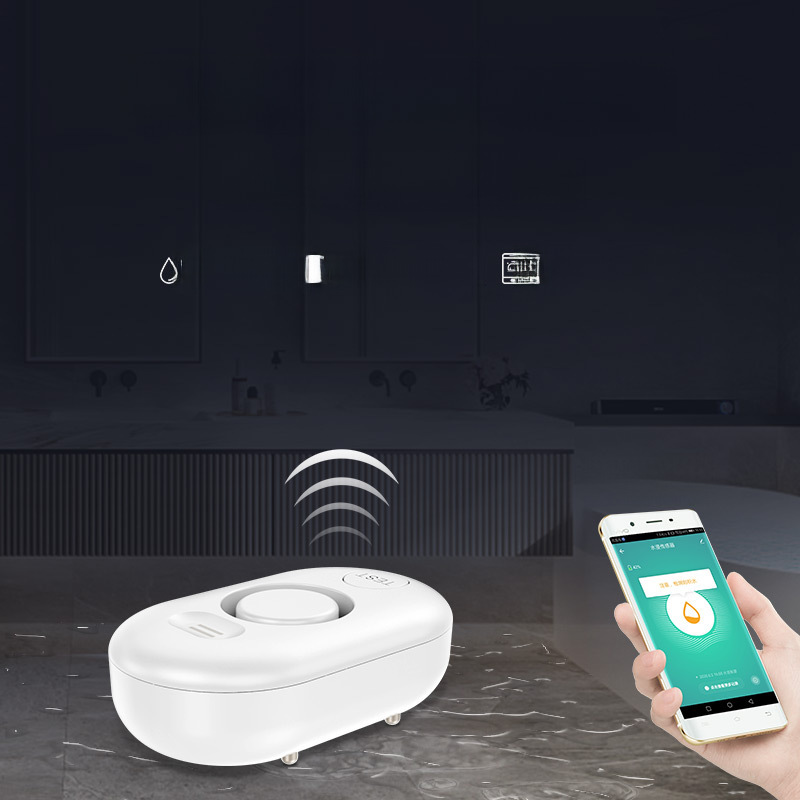
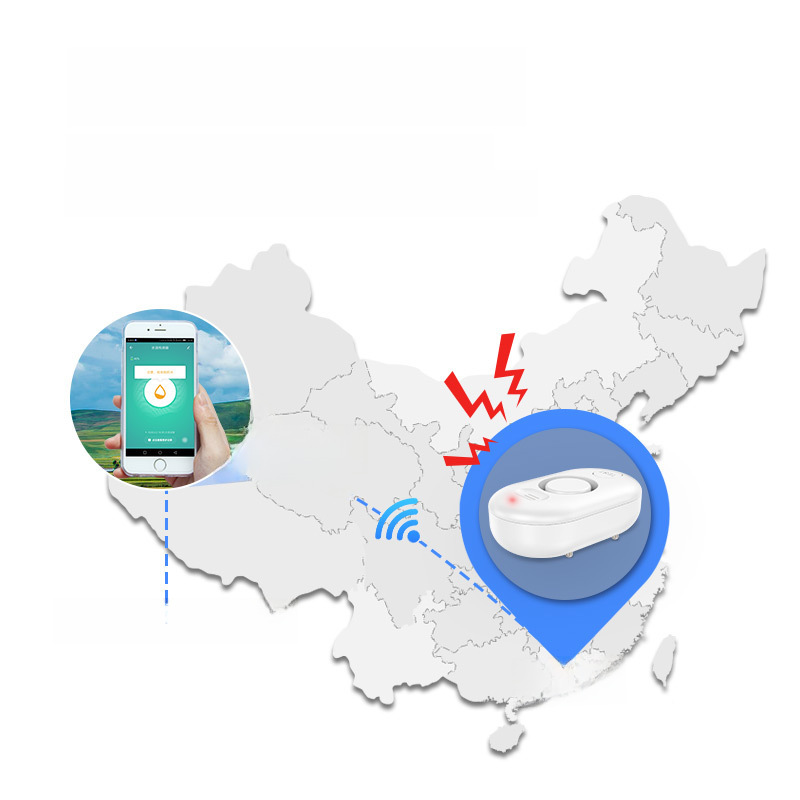
Homeowners in the United States are increasingly prioritizing safety and convenience, leading to a growing adoption of smart home security systems. Features such as real-time alerts, remote access via smartphones, and integration with voice assistants are reshaping consumer expectations in home protection. The ability to monitor and control security systems from anywhere has become a key selling point, as people seek to have peace of mind while away from home.
Technological Advancements
Technological advancements have played a crucial role in the growth of the smart home security systems market. The integration of artificial intelligence (AI), machine learning, and computer vision has enhanced the capabilities of these systems, enabling more accurate threat detection and personalized user experiences. For instance, AI-powered video surveillance systems can distinguish between normal activity and potential threats, reducing false alarms and improving overall security.
Growing Popularity of Smart Devices
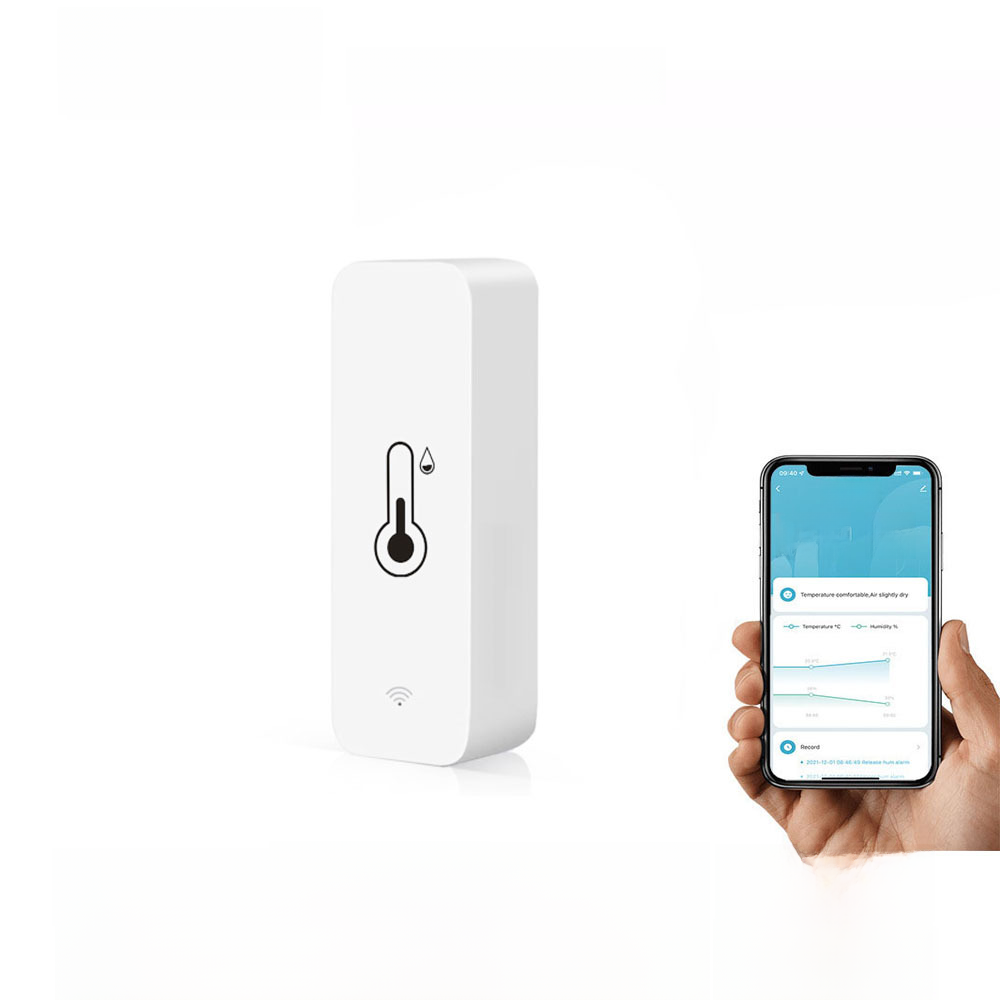
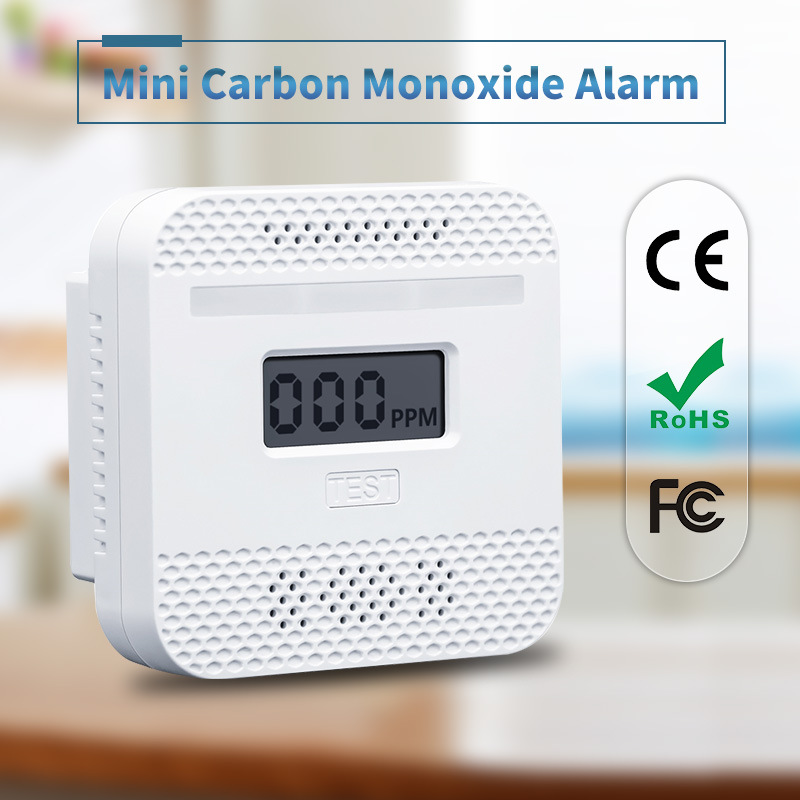
The growing popularity of smart devices such as smart door locks, video doorbells, motion detectors, and integrated alarm systems has further driven the market growth. These devices not only provide enhanced security but also offer convenience and ease of use. As more homeowners become familiar with the benefits of smart devices, the demand for comprehensive smart home security systems is expected to increase.
Technological Advancements
AI and Machine Learning
AI and machine learning have revolutionized the smart home security systems market. These technologies enable systems to learn from patterns and behaviors, improving their ability to detect and respond to potential threats. For example, AI-powered systems can analyze video footage to identify suspicious activities and send real-time alerts to homeowners. This level of intelligence and automation has made smart home security systems more effective and reliable.
IoT Integration
The integration of IoT has been a game-changer for the smart home security industry. IoT enables seamless communication between various devices and systems, creating a unified and interconnected security ecosystem. Through IoT platforms, homeowners can manage multiple security devices from a single interface, enhancing convenience and control. This integration also allows for greater customization and personalization of security solutions, catering to the specific needs of each household.
Voice Assistant Compatibility
The compatibility of smart home security systems with voice assistants has further enhanced their appeal. Voice assistants such as Amazon Alexa, Google Assistant, and Apple Siri allow homeowners to control their security systems using simple voice commands. This hands-free operation adds an extra layer of convenience, making it easier for users to arm or disarm their systems, check the status of devices, or receive alerts without having to physically interact with the devices.
Competitive Landscape
Key Players and Their Strategies
The United States smart home security systems B2B market is highly competitive, with several key players vying for market share. Companies such as ADT Inc., Alarm.com Holdings Incorporated, Alphabet Incorporated (Google), Amazon.com Incorporated, and Apple Incorporated are among the major participants. These companies employ various strategies to gain a competitive edge, such as product innovation, strategic partnerships, mergers and acquisitions, and brand differentiation.
ADT, for instance, introduced ADT+, a smart home security platform that integrates its proprietary hardware with Google Nest devices for a unified user experience. This move highlights ADT’s commitment to leveraging partnerships to enhance its product offerings and meet the changing demands of consumers. Similarly, Amazon’s acquisition of Ring, a leading video doorbell supplier, demonstrates the company’s aggressive approach to expanding its presence in the smart home security market.
Market Consolidation and Mergers and Acquisitions
Recent years have seen significant consolidation in the smart home security market, with several high-profile mergers and acquisitions. These activities reflect the market’s attractiveness and the desire of companies to strengthen their market positions. For example, Alarm.com’s acquisition of iControl’s Piper business unit allowed the company to expand its product portfolio and enhance its ability to serve customers. As the market continues to evolve, further consolidation is likely, leading to increased competition and innovation.
Challenges and Constraints
Privacy and Security Concerns
One of the major challenges facing the smart home security systems market is privacy and security concerns. The increasing number of connected devices and the large amounts of data generated and transmitted by these systems raise questions about data protection and privacy. Consumers are becoming more aware of the potential risks associated with smart devices, such as data breaches and unauthorized access. As a result, companies must prioritize security and implement robust measures to protect user data and ensure the integrity of their systems.
High Initial Costs
Another challenge is the relatively high initial costs associated with smart home security systems. The advanced technology and hardware components required for these systems can be expensive, which may deter some potential customers. However, as technology continues to evolve and economies of scale are achieved, the costs are expected to decrease over time, making these systems more accessible to a wider range of consumers.
Integration Complexity
Integrating smart home security systems with existing home infrastructure and other smart devices can be complex and may require technical expertise. This complexity can pose a barrier to adoption for some homeowners who may not have the necessary technical skills or resources to properly install and configure the systems. To address this challenge, companies are focusing on developing user-friendly installation processes and providing comprehensive customer support to assist users in setting up and managing their systems.
Future Outlook
The future outlook for the United States smart home security systems B2B market is promising, with continued growth expected in the coming years. The increasing demand for enhanced security, the advancement of technologies such as AI and IoT, and the growing popularity of smart homes are all factors that will contribute to the market’s expansion. As companies continue to innovate and improve their product offerings, the smart home security systems market is likely to become even more competitive and dynamic.
Furthermore, the integration of smart home security systems with other smart home technologies, such as smart lighting and smart appliances, is expected to create new opportunities for businesses in the B2B sector. This convergence of technologies will enable the development of comprehensive smart home solutions that offer greater value and convenience to consumers.
Conclusion
In conclusion, the United States smart home security systems B2B market presents significant opportunities for businesses looking to capitalize on the growing demand for advanced security solutions. While challenges such as privacy concerns and high initial costs exist, the market’s growth drivers and technological advancements are expected to outweigh these obstacles. As the market continues to evolve, companies that can effectively address these challenges and adapt to changing consumer needs will be well-positioned to succeed in this dynamic industry.
How to Purchase:https://looperbuy.com/search?keywords=United+States+smart+home+security+systems+B2B
Related Questions & Answers
· What are the key factors driving the growth of the United States smart home security systems B2B market?
The key factors driving the growth of this market include the increasing demand for safety and convenience among homeowners, technological advancements such as AI and IoT integration, and the growing popularity of smart devices like smart door locks and video doorbells. These factors have led to a greater adoption of smart home security systems that offer enhanced protection and user-friendly features.
· How are AI and machine learning transforming the smart home security systems market?
AI and machine learning are revolutionizing the smart home security systems market by enabling systems to learn from patterns and behaviors, resulting in more accurate threat detection and personalized user experiences. These technologies allow security systems to analyze data and identify potential threats more effectively, reducing false alarms and improving overall security.
· What challenges do businesses face in the United States smart home security systems B2B market?
Businesses in this market face several challenges, including privacy and security concerns related to the data generated and transmitted by smart devices, high initial costs of smart home security systems, and the complexity of integrating these systems with existing home infrastructure. Addressing these challenges is crucial for companies looking to succeed in this competitive market.
· How is the competitive landscape of the United States smart home security systems B2B market evolving?
The competitive landscape of this market is highly dynamic, with key players employing strategies such as product innovation, strategic partnerships, mergers and acquisitions, and brand differentiation to gain a competitive edge. Market consolidation through mergers and acquisitions is also becoming more common as companies aim to strengthen their market positions and expand their product offerings.
· What is the future outlook for the United States smart home security systems B2B market?
The future outlook for this market is positive, with continued growth expected due to the increasing demand for advanced security solutions, technological advancements, and the growing popularity of smart homes. The integration of smart home security systems with other smart home technologies is likely to create new opportunities for businesses, leading to the development of comprehensive smart home solutions.
Hot Tags: United States Smart Home Security Systems; B2B Market Opportunities; Home Automation Security; IoT Integration in Home Security; AI-Powered Security Solutions; Smart Door Locks and Video Doorbells; Home Security Industry Trends; Security System Integration Services; Smart Home Security Market Forecast