Table of Contents
Introduction to Outdoor Metal Sculptures
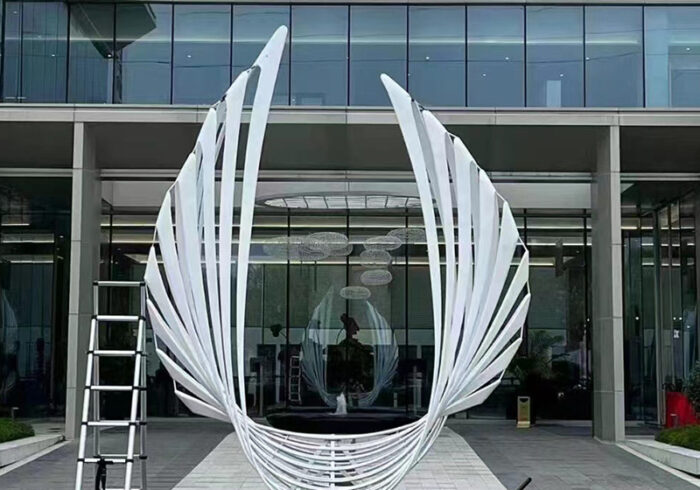
Outdoor metal sculptures have long been a cornerstone of public art, garden decor, and architectural enhancement. From abstract installations to lifelike statues, these pieces blend creativity with engineering, enduring harsh weather while captivating audiences. This article explores the intricate process of designing, crafting, and maintaining outdoor metal sculptures, alongside emerging trends and practical considerations for artists and buyers.

Materials and Tools for Metal Sculptures
Common Metals Used in Outdoor Sculptures
Metal sculptures rely on durable materials that withstand environmental stressors:
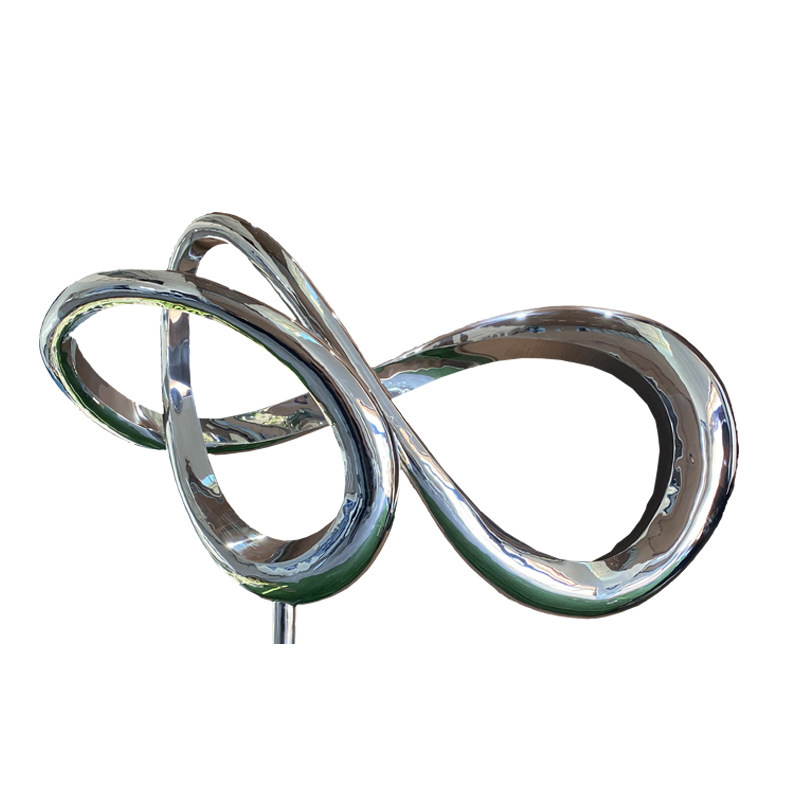
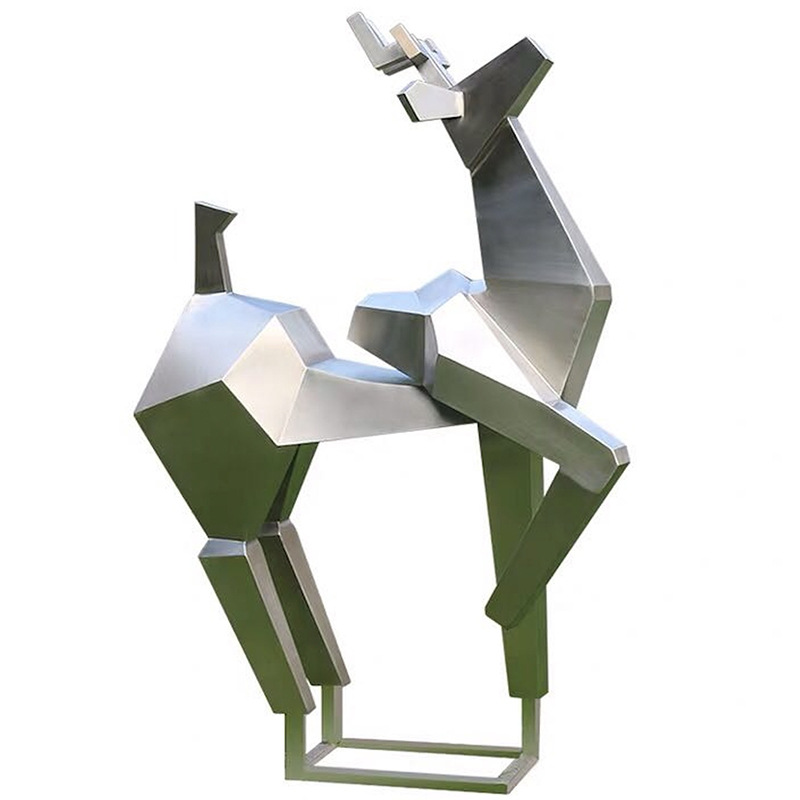
- Stainless Steel: Resistant to rust and corrosion, ideal for modern, sleek designs.
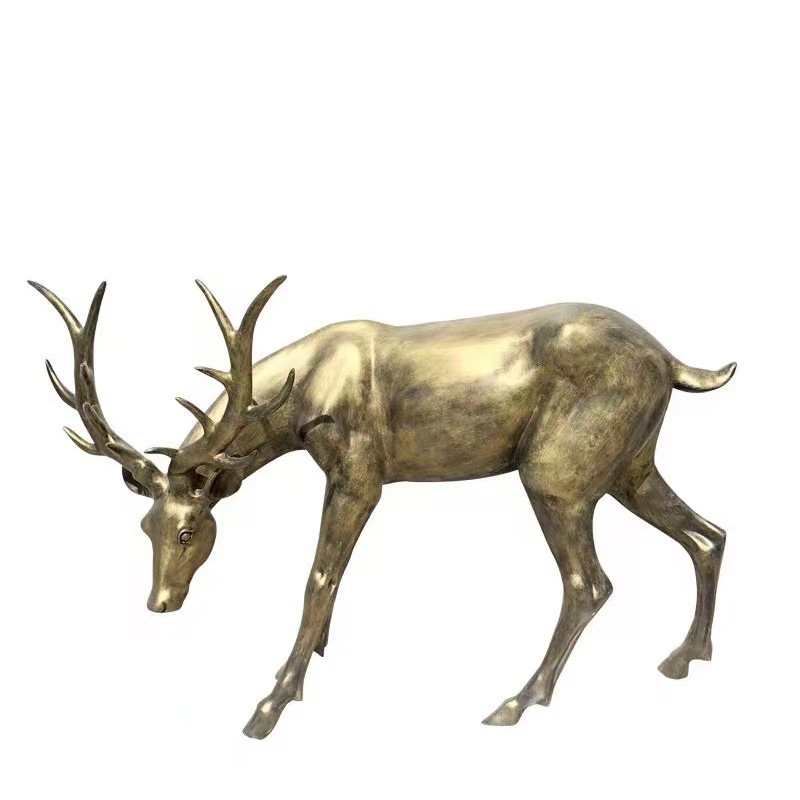
- Bronze: A classic choice for detailed, timeless pieces due to its patina development.
- Corten Steel: Known for its weathered, rustic appearance and self-protecting oxide layer.
- Aluminum: Lightweight and corrosion-resistant, perfect for large-scale installations.
Essential Tools and Equipment
Creating metal sculptures requires specialized tools:
- Welding Equipment: MIG/TIG welders for joining metal pieces.
- Cutting Tools: Plasma cutters, angle grinders, and shears.
- Shaping Instruments: Hammers, anvils, and hydraulic presses.
- Finishing Supplies: Grinders, sandblasters, and protective coatings.
Designing an Outdoor Metal Sculpture
Conceptualization and Sketching
Artists begin with rough sketches or digital 3D models to visualize proportions, balance, and aesthetics. Environmental factors like wind load and weight distribution are critical for stability.
Incorporating Functional and Aesthetic Elements
- Structural Integrity: Internal frameworks (e.g., rebar) support larger sculptures.
- Interactive Features: Kinetic elements or sound-producing components engage viewers.
- Site-Specific Design: Sculptures must complement their surroundings, whether in a garden, urban plaza, or coastal area.
Fabrication Techniques
Traditional Metalworking Methods
- Forging: Heating and hammering metal into shape.
- Casting: Pouring molten metal into molds (common for bronze sculptures).
- Repoussé: Shaping thin metal sheets by hand.
Modern Fabrication Technologies
- Laser Cutting: Precision cutting for intricate patterns.
- 3D Printing: Creating complex prototypes or small-scale models.
- CNC Machining: Automated carving of detailed components.
Installation and Site Preparation
Foundation and Anchoring Systems
Large sculptures require concrete footings or steel anchors to prevent tilting or collapse. Soil type and climate (e.g., frost lines) influence foundation depth.
Logistical Challenges
- Transportation: Cranes or flatbed trucks may be needed for heavy pieces.
- Safety Protocols: Securing the site during installation to protect workers and bystanders.
Maintenance and Preservation
Preventing Corrosion and Damage
- Protective Coatings: Automotive-grade sealants, wax, or powder coating.
- Regular Cleaning: Mild detergents and soft brushes to remove dirt and pollutants.
- Rust Treatment: Sanding affected areas and applying rust inhibitors.
Seasonal Maintenance Tips
- Winter: Remove snow buildup to avoid structural stress.
- Coastal Areas: Rinse salt residue frequently to prevent accelerated corrosion.
Trends in Outdoor Metal Sculptures
Eco-Friendly and Sustainable Practices
- Recycled Materials: Scrap metal or repurposed industrial parts.
- Solar Lighting: Integrating LEDs powered by solar panels for nighttime displays.
Interactive and Digital Integration
- Augmented Reality (AR): Overlaying digital art onto physical sculptures via apps.
- Soundscapes: Embedding speakers or wind chimes for multisensory experiences.
Challenges in Creating Metal Sculptures
Balancing Artistry and Engineering
Sculptures must be visually striking while adhering to physics principles like center of gravity.
Budget and Time Constraints
Large commissions often involve lengthy timelines and high material costs.
Conclusion
Outdoor metal sculptures are a fusion of artistic vision and technical precision. Whether crafting a personal garden piece or a monumental public installation, success hinges on material selection, thoughtful design, and diligent maintenance. As trends evolve toward sustainability and interactivity, artists and buyers alike can push the boundaries of this timeless medium.
How to Purchase:https://looperbuy.com/search?keywords=outdoor+metal+sculpture
Related Questions & Answers
· What Metal Is Best for Coastal Outdoor Sculptures?
Stainless steel or aluminum are ideal for coastal areas due to their high corrosion resistance. Corten steel is also suitable but requires periodic maintenance.
· How Do I Protect a Metal Sculpture from Rust?
Apply rust-resistant primers and sealants, avoid prolonged moisture exposure, and inspect the sculpture biannually for early signs of corrosion.
· Can I Create a Metal Sculpture Without Welding Experience?
Yes. Techniques like bolting, riveting, or using adhesives can assemble pieces, though welding provides greater durability for outdoor conditions.
· What Is the Average Cost of a Custom Outdoor Metal Sculpture? Costs range from 2,000forsmall,simpledesignstoover50,000 for large, intricate installations, depending on materials and labor.
· How Long Does a Metal Sculpture Last Outdoors?
With proper maintenance, stainless steel or bronze sculptures can last 50+ years. Corten steel may require recoating every 10–15 years.
Hot Tags: Metal Sculpture Design Ideas; Weatherproof Metal Art; Corten Steel Sculptures; Outdoor Sculpture Maintenance; Custom Metal Statues; Public Art Installations; Welding Techniques For Artists; Recycled Metal Art; Kinetic Outdoor Sculptures