Table of Contents
Introduction: The Rise of Italian Fashion in Dropshipping
Italy’s daily clothing market, renowned for its blend of timeless elegance and rapid trend adoption, presents a lucrative yet complex opportunity for dropshippers. With Italian consumers spending 45% more on apparel than the European average and 75% of purchases made via mobile devices, mastering this market requires a strategic fusion of cultural insight, regulatory compliance, and logistical precision. This article explores how to build a profitable dropshipping operation in Italy while addressing sustainability demands, VAT complexities, and the rise of hyper-localized consumer preferences.
Understanding Italy’s Daily Wear Landscape
Consumer Preferences and Seasonal Dynamics
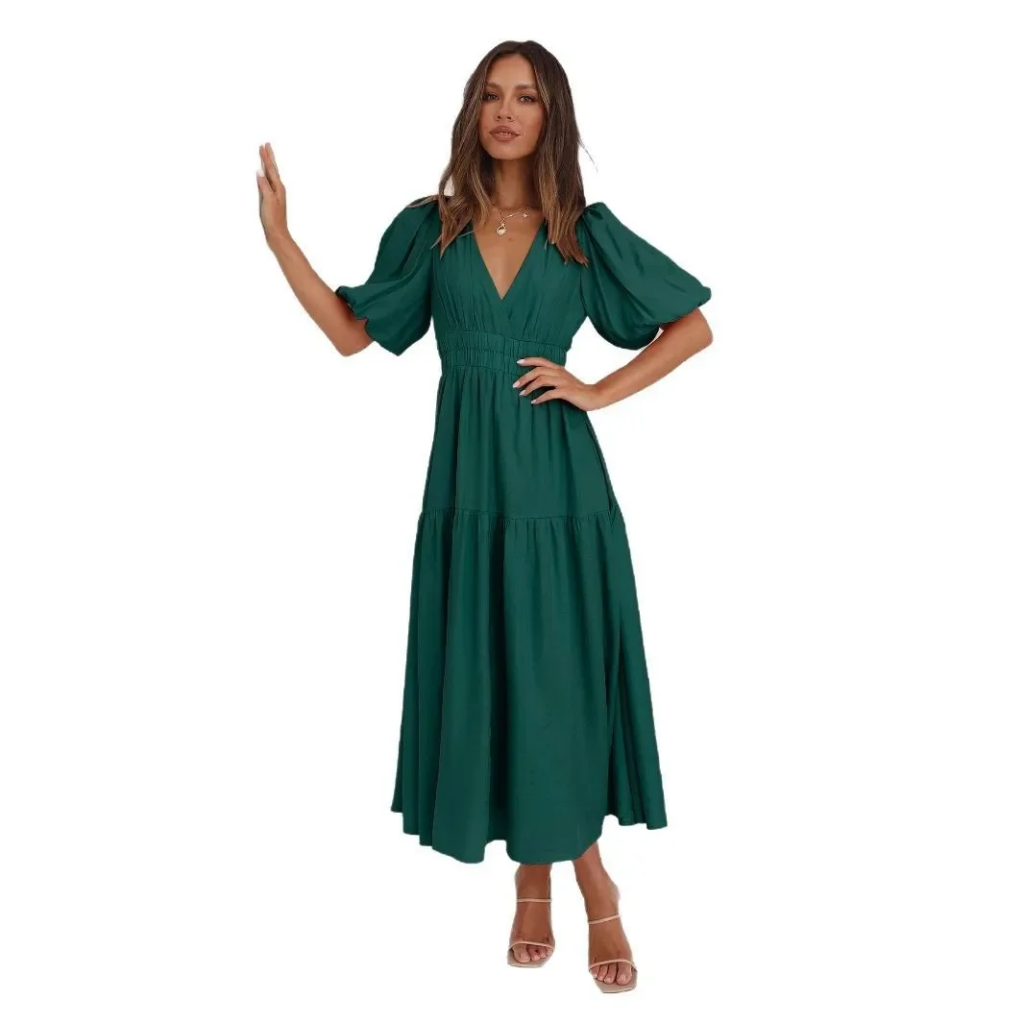
Italian shoppers prioritize quality fabrics like OEKO-TEX®-certified cotton and ECONYL recycled nylon, with 68% willing to pay a premium for sustainable materials. Seasonal trends dominate: lightweight linen for summer, tailored workwear for Milan’s corporate hubs, and transitional jackets for unpredictable Mediterranean weather. Coastal regions like Sicily favor casual-chic unisex designs, while northern cities demand faster delivery times for urban professionals.
Key Product Categories
- Tailored Essentials: Blazers and trousers account for 32% of Milan’s daily wear sales.
- Coastal Casualwear: Linen-cotton blends and breathable fabrics dominate southern regions.
- Sustainable Staples: Brands like Albini Group gain traction with blockchain-tracked organic cotton.
Building a Compliant Dropshipping Framework
Supplier Sourcing Strategies
- Local Partnerships: Collaborate with Italian manufacturers like B2B Griffatti for premium “Made in Italy” labels or leverage hybrid models mixing local staples (e.g., Albini cotton shirts) with cost-effective Turkish accessories.
- Certifications: Ensure suppliers meet CE marking for children’s apparel and “Pelle Vera” standards for leather goods.
Navigating VAT and Customs
- 22% Standard VAT: Mandatory for sales exceeding €35,000 annually. Non-EU sellers must register via the IOSS system for orders under €150.
- Tariff Mitigation: Use USMCA-compliant Mexican assembly hubs to bypass 25% Section 301 tariffs on Chinese imports.
Logistics and Last-Mile Innovations
Speed and Sustainability
- Crowdshipping Networks: Partner with Bartolini for same-day delivery in Rome and Florence, achieving 99.7% on-time rates via AI-optimized routes.
- Green Packaging: Reusable mailers with compostable liners reduce landfill waste by 30%.
Returns Management
- Smart Consolidation Hubs: CJdropshipping’s Milan warehouse processes returns within 72 hours, slashing reverse logistics costs by 40%.
- Prepaid QR Labels: Integrate DHL’s On Demand Delivery for hassle-free returns.
Marketing to the Italian Aesthetic
Social Commerce Tactics
- TikTok LIVE Shopping: Partner with nano-influencers (10k–50k followers) for real-time try-ons of Shein’s Italy-exclusive EU 42=US 8 sizing.
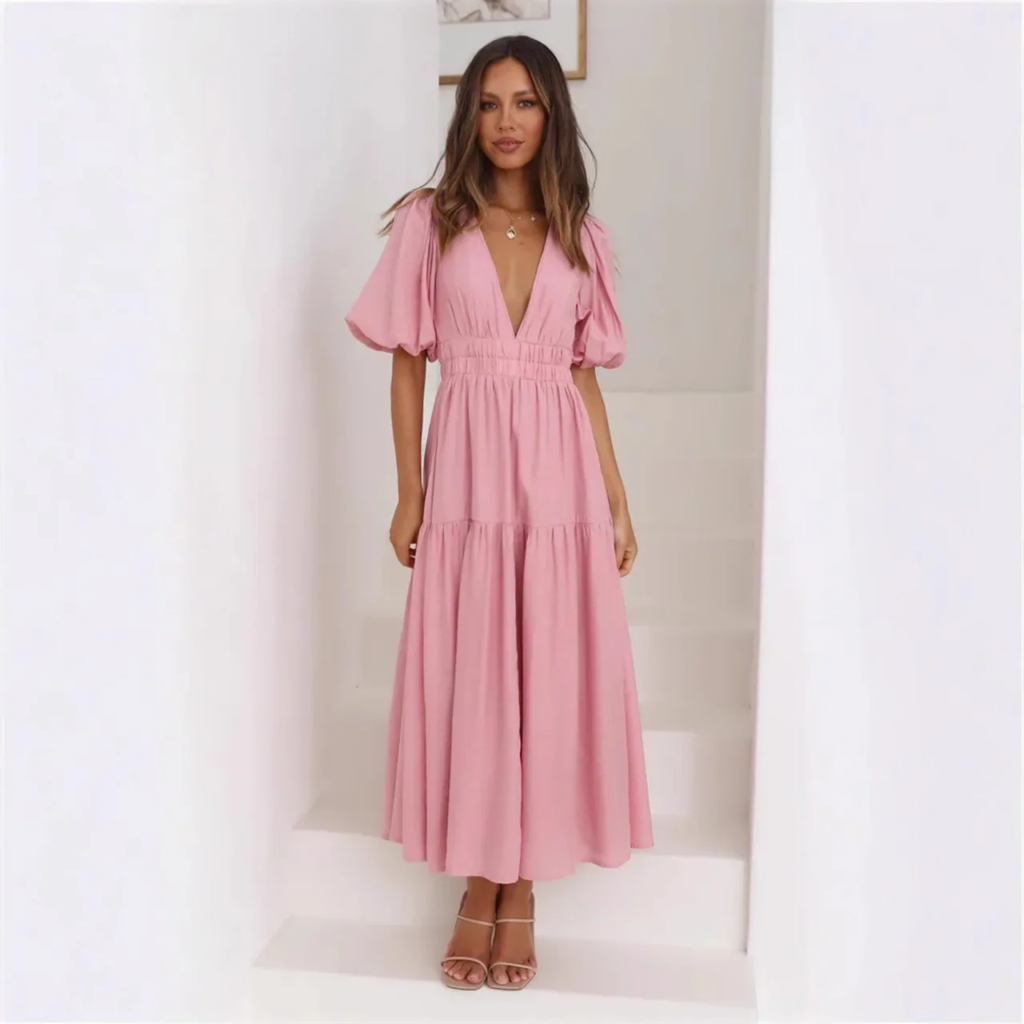
- AI-Generated Lookbooks: Tools like Midjourney create “La Dolce Vita” styling guides featuring Tuscan vineyard backdrops.
Seasonal Campaigns
- Carnevale Collections: Launch limited-edition masks and vibrant separates in January.
- Ferragosto Sales: Offer 15% discounts on beachwear during Italy’s August holiday exodus.
Case Study: Shein’s Italian Success Formula
Shein’s partnership with Piggy Global Shipping exemplifies localized dropshipping:
- Carbon-Neutral Logistics: Achieve 98% on-time delivery via ZTO’s solar-powered hubs.
- ROAS of 4.7: TikTok ads featuring Tuscan landscapes boosted conversions by 22%.
Future Trends Shaping the Market
- AI-Personalized Bundles: Algorithms curate outfits based on regional weather and event calendars (e.g., Milan Fashion Week).
- Drone Delivery Pilots: Poste Italiane tests 30-minute drops in Milan’s Quadrilatero della Moda district.
- Circular Fashion: H&M’s “Looop” initiative lets customers trade used items for dropshipping credits.

Conclusion
Italy’s daily clothing dropshipping niche demands a balance of aesthetic sophistication and operational agility. Success hinges on localizing supply chains, mastering VAT compliance, and leveraging micro-influencers to amplify Italy’s “la bella figura” ethos. With the market projected to reach €5.16 billion by 2029, innovators integrating blockchain traceability and AI-driven logistics will dominate this high-stakes arena.
How to Purchase:https://looperbuy.com/search?keywords=Italy+daily+clothing+dropshipping
Related Questions & Answers
· How do I handle Italian VAT for cross-border dropshipping?
Non-EU sellers must register via the IOSS system for orders under €150. For larger transactions, appoint a fiscal representative and file monthly/quarterly returns with 22% VAT.
· What certifications are required for children’s apparel?
CE marking is mandatory for items with buttons or zippers. OEKO-TEX® certification ensures chemical safety compliance.
· Which Italian cities have the fastest delivery expectations?
Milan and Rome demand same-day delivery for 35% of orders, while southern regions accept 2–3 day shipping.
· How can I reduce returns in Italy’s dropshipping market?
Provide size conversion charts (e.g., EU 42=US 8) and use AI tools to generate realistic product visuals.
· What platforms dominate Italy’s mobile-first shopping?
Zalando, Shein, and Nike see 90% of orders via smartphones. Optimize checkout flows for iOS and Android.
Hot Tags: Italian VAT Compliance; Sustainable Fashion Dropshipping; Mobile-First E-commerce; CE Marking Certification; Crowdshipping Logistics; TikTok LIVE Shopping; IOSS Registration; Made In Italy Authenticity; AI-Personalized Bundles.