Table of Contents
Introduction to Starbucks’ Thermos Cup Phenomenon
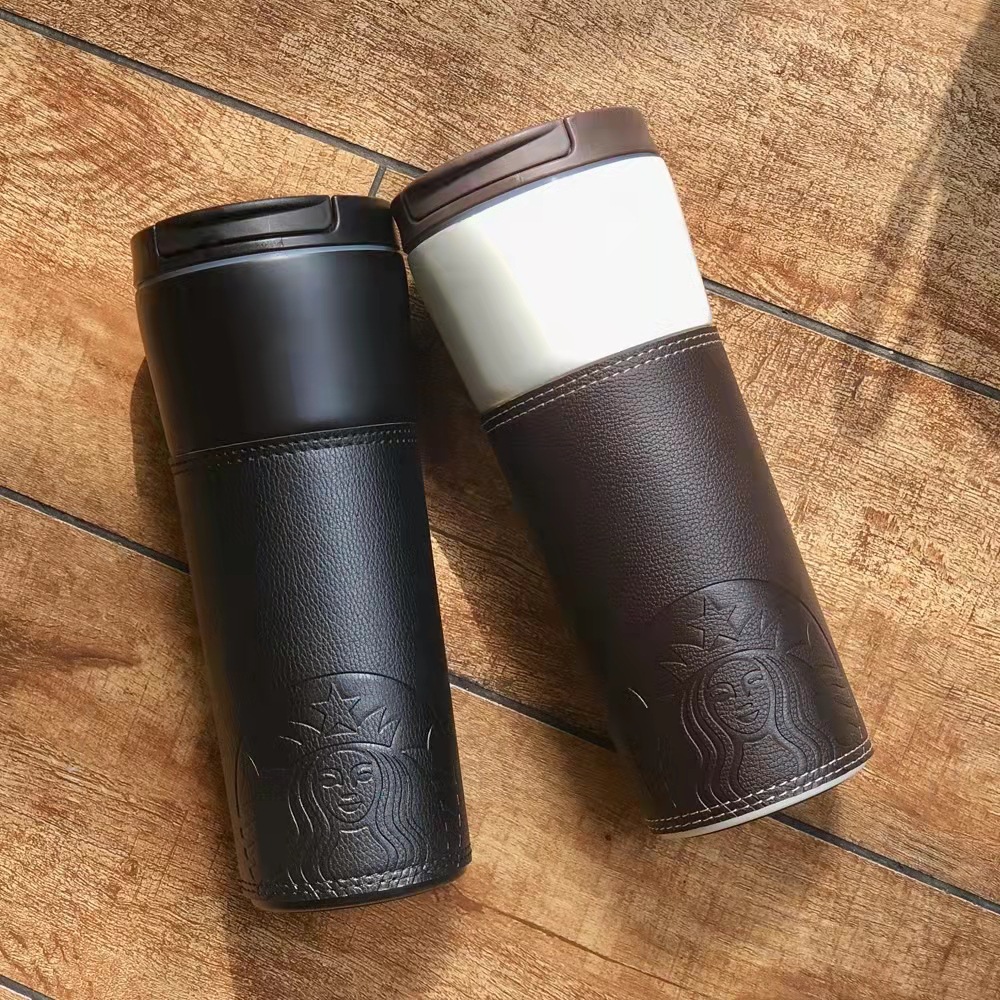
Starbucks’ thermos cups transcend their functional role as drinkware, embodying the brand’s mastery of lifestyle marketing, sustainability, and cultural relevance. From seasonal designs to artist collaborations, these cups have become collectible icons, driving customer loyalty and environmental initiatives. This article explores how Starbucks leverages thermos cups as tools for brand engagement, the challenges of balancing aesthetics with eco-consciousness, and the future of reusable drinkware in a disposable culture.
The Evolution of Starbucks’ Thermos Cup Design
From Utility to Cultural Icon
- Early Designs (1990s–2000s): Simple stainless steel tumblers focused on heat retention for busy commuters.
- Seasonal Collections (2010s): Holiday-themed cups (e.g., red cup campaigns) sparked viral social media trends.
- Artist Collaborations (2020s): Partnerships with illustrators like Lisa Congdon and Junji Ito turned cups into art pieces.
Material Innovations
- Double-Walled Stainless Steel: Enhances insulation (hot for 6 hours, cold for 24 hours).
- Recycled Content: Post-consumer recycled (PCR) stainless steel accounts for 30% of newer models.
- Non-Toxic Coatings: Ceramic layers replace plastic liners, ensuring safer sipping.
Brand Strategy and Consumer Psychology
Scarcity Marketing
- Limited-Edition Drops: Annual “Red Cup” releases and regional exclusives (e.g., Japan’s Sakura series) create urgency.
- Resale Markets: Rare cups (e.g., 2015’s gold-plated tumblers) resell for 10x retail prices on eBay.
Community Building
- #StarbucksCup Art Challenges: User-generated content campaigns drive millions of Instagram posts annually.
- Loyalty Program Integration: Stars earned via reusable cup usage unlock exclusive cup designs.
Sustainability Challenges and Innovations
The Reusable Cup Paradox
- Consumer Behavior: Only 5.8% of Starbucks customers use reusable cups despite discounts.
- Greenwashing Risks: Critics argue Starbucks’ disposable cup waste (6 billion/year) overshadows thermos efforts.
Circular Initiatives
- Cup Recycling Programs: “Borrow a Cup” trials in Seattle allow customers to return cups for sanitization and reuse.
- Material Recovery: Partnering with TerraCycle, Starbucks recycles damaged thermos cups into park benches.
Carbon Neutrality Goals
- Emission Reductions: Switching to 100% renewable energy in cup production facilities.
- Offset Partnerships: Investing in reforestation projects to counterbalance thermos cup manufacturing emissions.
Cultural Impact and Global Adaptations
Regional Customization
- Asia-Pacific Trends:
- Japan: Sakura (cherry blossom) and anime-themed cups cater to kawaii culture.
- South Korea: BTS collaboration cups sold out in 7 minutes, crashing the app.
- European Preferences: Minimalist designs dominate in Scandinavia, aligning with hygge aesthetics.
The “Cupflation” Economy
- Price Hikes: Premium thermos cups now cost 35–50, up from $20 in 2018, reflecting material and labor costs.
- Perceived Value: Consumers view cups as affordable luxury, justifying higher prices for art-driven designs.
Maintenance and Longevity
Cleaning Best Practices
- Dishwasher Safety: Only models with “dishwasher-safe” logos should be machine-washed.
- Stain Removal: Soak in vinegar solutions for coffee residue; avoid abrasive scrubbers.
Warranty and Repairs
- Defect Policies: Free replacements for cups with peeling coatings or broken seals within 1 year.
- DIY Fixes: Food-grade silicone seals sold on Amazon extend cup lifespan by 2–3 years.
Future Trends in Reusable Drinkware
Smart Cups
- Temperature Displays: Built-in sensors show real-time drink temps via Bluetooth apps.
- Hydration Trackers: Cups sync with Fitbit or Apple Health to monitor water intake.
Biofabrication
- Mycelium-Based Insulation: Experimental cups use mushroom roots for biodegradable insulation.
- Algae Dyes: Replace synthetic pigments with sustainable, non-toxic alternatives.
NFT Integration
- Digital Twins: Purchase a limited-edition cup, receive an NFT for exclusive content or AR experiences.
- Resale Royalties: Artists earn 10% on secondary sales via blockchain smart contracts.
Conclusion
Starbucks’ thermos cups exemplify how a functional product can evolve into a cultural and environmental statement. By blending scarcity-driven marketing, artistic collaborations, and circular innovations, Starbucks maintains its dominance in the reusable drinkware market. However, reconciling consumer demand for collectibles with sustainability goals remains a tightrope walk. Future success hinges on advancing material science, embracing smart tech, and fostering deeper behavioral shifts toward reuse.
How to Purchase:https://looperbuy.com/search?keywords=starbucks+thermos+cup
Related Questions & Answers
· How do I remove coffee stains from my Starbucks thermos?
Soak the cup in equal parts white vinegar and warm water for 1 hour, then scrub gently with a soft brush.
· Are Starbucks thermos cups dishwasher-safe?
Only models labeled “dishwasher-safe” can be machine-washed. Others require handwashing to preserve coatings.
· Where can I buy sold-out limited-edition Starbucks cups?
Check resale platforms like eBay, Mercari, or Facebook Marketplace, but expect premium pricing.
· Do Starbucks thermos cups come with a warranty?
Yes. Defective cups are replaced within 1 year of purchase with proof of receipt.
· How does Starbucks recycle old thermos cups?
Through TerraCycle, cups are shredded and repurposed into outdoor furniture or construction materials.
Hot Tags: Sustainable Coffee Cups; Limited-Edition Drinkware; Reusable Cup Art; Circular Economy Initiatives; Smart Thermos Technology; Brand Scarcity Marketing; Eco-Friendly Insulation; NFT Product Integration; Consumer Behavior Trends.