Table of Contents
Introduction to Modern Dropshipping
Dropshipping has evolved from a low-risk e-commerce model into a tech-driven powerhouse, leveraging AI, blockchain, and hyper-localized logistics to meet 2025 consumer demands. With the global market projected to exceed $600 billion by 2027, entrepreneurs now prioritize sustainability, speed, and personalization. This guide explores cutting-edge strategies to build a future-proof dropshipping business, addressing challenges like climate regulations, AI competition, and Web3 integration.
The 2025 Dropshipping Business Model
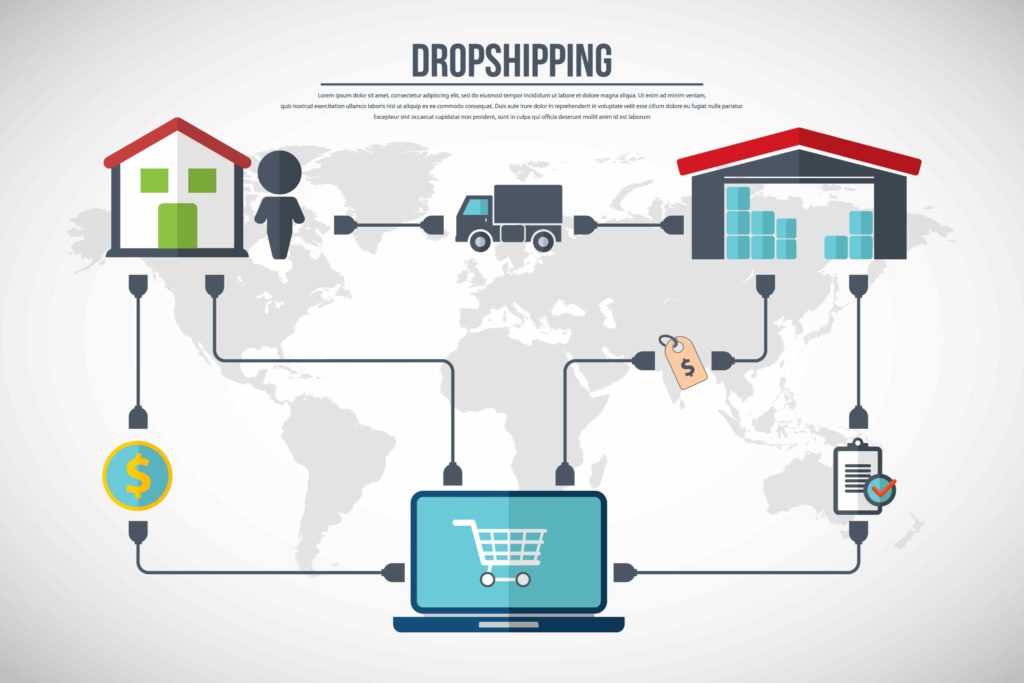
Core Mechanics
- Supplier Partnerships: AI platforms like SuppyAI auto-match businesses with suppliers based on real-time ESG scores and delivery performance.
- Customer Experience: AR-powered product previews and AI chatbots handle 90% of inquiries.
- Fulfillment: Climate-neutral shipping via solar-powered “floating warehouses” and drone deliveries in urban hubs.
Advantages in 2025
- Zero Inventory Risk: Predictive analytics forecast demand with 95% accuracy.
- Instant Global Reach: Cross-border 3D printing hubs enable same-day production in target markets.
- Regulatory Compliance: Blockchain ensures adherence to sustainability laws like the EU’s Digital Product Passport (DPP).
Steps to Launch a Dropshipping Business in 2025
Step 1: Niche Selection Using AI Tools
AI-Driven Market Analysis
- Tools: ChatGPT Market Analyzer, TrendIQ, and Google’s Market Insight AI.
- Criteria:
- Virality Score: Predict breakout products using social sentiment analysis.
- Regulatory Readiness: Avoid niches with upcoming carbon taxes or plastic bans.
Top 2025 Niches
- Climate Tech: Solar-powered phone chargers, air-purifying textiles.
- Micro-Luxury: Handcrafted goods marketed via nano-influencers (<10k followers).
- Health-Focused AI Gadgets: Posture-correcting wearables, UV-monitoring jewelry.
Step 2: Partnering with Next-Gen Suppliers
AI Supplier Matchmaking
- Platforms:
- SuppyAI: Analyzes supplier defect rates, carbon footprints, and labor practices.
- Alibaba 2025: Blockchain-verified order tracking and automated customs clearance.
- Sustainability Mandates: Prioritize suppliers with B Corp or Carbon Neutral Certified status.
Virtual Sample Testing
- Use AR tools to inspect products in 3D, reducing sample shipping costs by 70%.
Step 3: Building a Smart Online Store
AI-Optimized Platforms
- Shopify 2025: Integrates Generative AI for real-time product descriptions and dynamic pricing.
- Decentralized Stores: Hosted on Web3 platforms like Solana or Polygon, accepting crypto payments and offering NFT rewards.
Next-Level UX Features
- Voice Commerce: Optimize for Alexa and Google Assistant with natural language keywords.
- AI Personalization: Tools like Dynamic Yield adjust layouts based on user behavior.
Step 4: Hyper-Targeted Marketing
AI-Powered Advertising
- Generative Ad Tools: Platforms like AdCreative.ai produce thousands of ad variants in minutes.
- Predictive Retargeting: Criteo Nexus predicts cart abandonment risks and auto-adjusts bids.
Sustainability Storytelling
- Highlight carbon-offset shipments or tree-planting pledges per purchase.
- Use blockchain to provide customers with real-time ESG impact reports.
Overcoming 2025 Challenges
Climate Compliance
- Solution: Partner with suppliers using biodegradable mycelium packaging to avoid plastic taxes.
- Tool: Sourceful automates compliance with EU DPP regulations.
AI Competition
- Solution: Differentiate through human-curated product collections and artisan collaborations.
Supply Chain Disruptions
- Solution: Use AI Risk Map tools to diversify suppliers across geopolitically stable regions.
Future Trends Redefining Dropshipping
Autonomous Dropshipping
- AI Agents: Negotiate with suppliers, resolve disputes, and optimize pricing without human input.
Web3 Integration
- NFT Gated Products: Unlock exclusive items via NFT ownership (e.g., limited-edition sneakers).
- DAO Marketplaces: Community-owned platforms where profits are distributed via smart contracts.
Climate-Positive Logistics
- Floating Solar Warehouses: Reduce emissions by 40% with offshore hubs powered by renewable energy.
- Carbon Token Offset: Automatically purchase carbon credits via blockchain during checkout.
Conclusion
Dropshipping in 2025 demands a blend of technological agility and ethical practices. Entrepreneurs must harness AI for hyper-efficient operations, comply with global sustainability mandates, and leverage Web3 for community-driven growth. By adopting tools like SuppyAI, integrating climate-positive logistics, and prioritizing micro-luxury niches, businesses can thrive in an increasingly competitive and regulated market.
If you want to enhance your drop shipping efficiency, directly connect with China Quality Inventory 1688 and enjoy high-quality factory prices for your products,you can use looperbuy, a one-stop purchasing-logistics solution:https://looperbuy.com/
Related Questions & Answers
· How do I comply with the EU’s Digital Product Passport (DPP)?
Use platforms like Sourceful to generate QR codes that link to materials, carbon data, and labor conditions. Ensure suppliers provide DPP-ready data.
· Can AI fully automate my dropshipping store?
Yes, but human oversight is critical for branding and complex decisions. Tools like AutoDS handle 80% of tasks, while you focus on strategy.
· What are the penalties for ignoring plastic taxes?
Fines range from 4% to 10% of revenue in regulated markets. Switch to mushroom-based or seaweed packaging.
· How do NFT memberships boost sales?
NFT holders get early access to drops, discounts, and voting rights on product launches, fostering loyalty.
· Are floating warehouses cost-effective?
Yes for coastal regions. They cut shipping times by 30% and qualify for green tax breaks.
Hot Tags: AI Dropshipping Tools; Sustainable Supplier Compliance; NFT E-commerce; Climate Neutral Logistics; Web3 Marketplaces; Hyper-Personalized Marketing; Blockchain Order Tracking; Micro-Luxury Niches; Autonomous Inventory Management.