Table of Contents
Introduction to Heated Pet Beds
Heated pet beds have become essential for pet owners seeking to provide comfort and health benefits to their furry companions. These beds, designed with integrated heating elements, are particularly popular for aging pets, short-haired breeds, and animals recovering from surgery. The global market is driven by advancements in safety features, energy efficiency, and pet wellness trends. This guide explores the types of heated pet beds, safety standards, purchasing strategies, and emerging innovations to help you make informed decisions.
Types of Heated Pet Beds
Electric Heated Beds
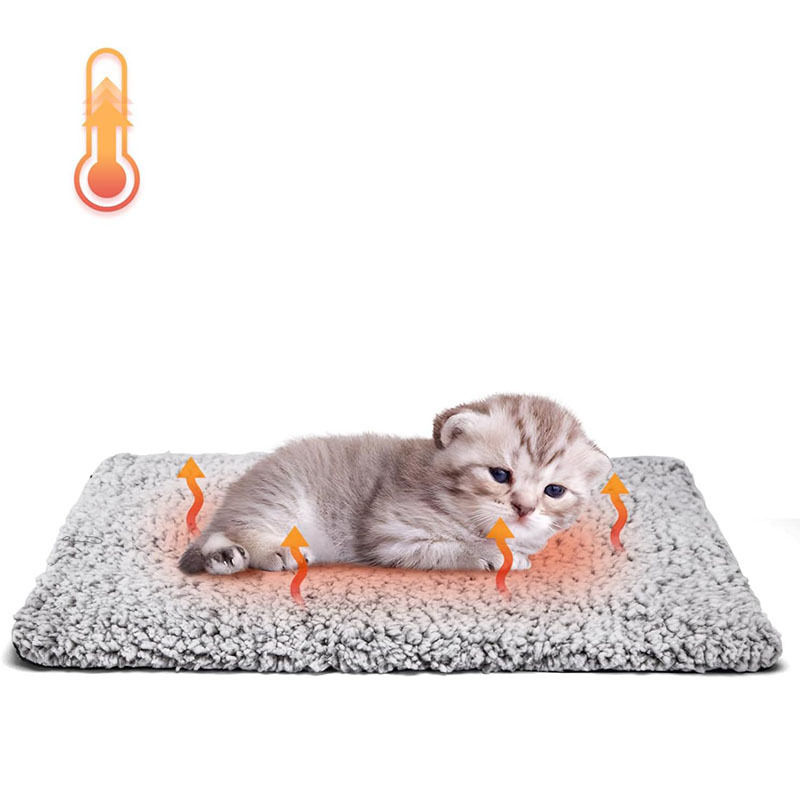
- Self-Warming Technology: Low-voltage heating pads or coils that activate automatically when pets lie down.
- Adjustable Settings: Models with thermostats (e.g., 25°C–40°C) for customized warmth.
- Safety Certifications: Look for UL (U.S.) or CE (EU) marks ensuring electrical safety.
Microwaveable Heating Pads
- Natural Materials: Fillings like rice, flaxseed, or clay beads that retain heat for 6–8 hours.
- Portability: Ideal for travel or outdoor use.
Orthopedic Heated Beds
- Therapeutic Design: Memory foam or gel-infused padding combined with gentle heat for arthritic pets.
- Waterproof Covers: Removable, machine-washable covers for hygiene.
Key Safety Standards and Certifications
Electrical Safety
- UL Certification: Ensures compliance with U.S. electrical safety standards (e.g., UL 964 for pet heating pads).
- CE Marking: Mandatory for EU markets, confirming adherence to low-voltage directives.
- Automatic Shut-Off: Beds with timers (e.g., 2–8 hours) to prevent overheating.
Material Safety
- Non-Toxic Fabrics: OEKO-TEX Standard 100 certification for chemical-free textiles.
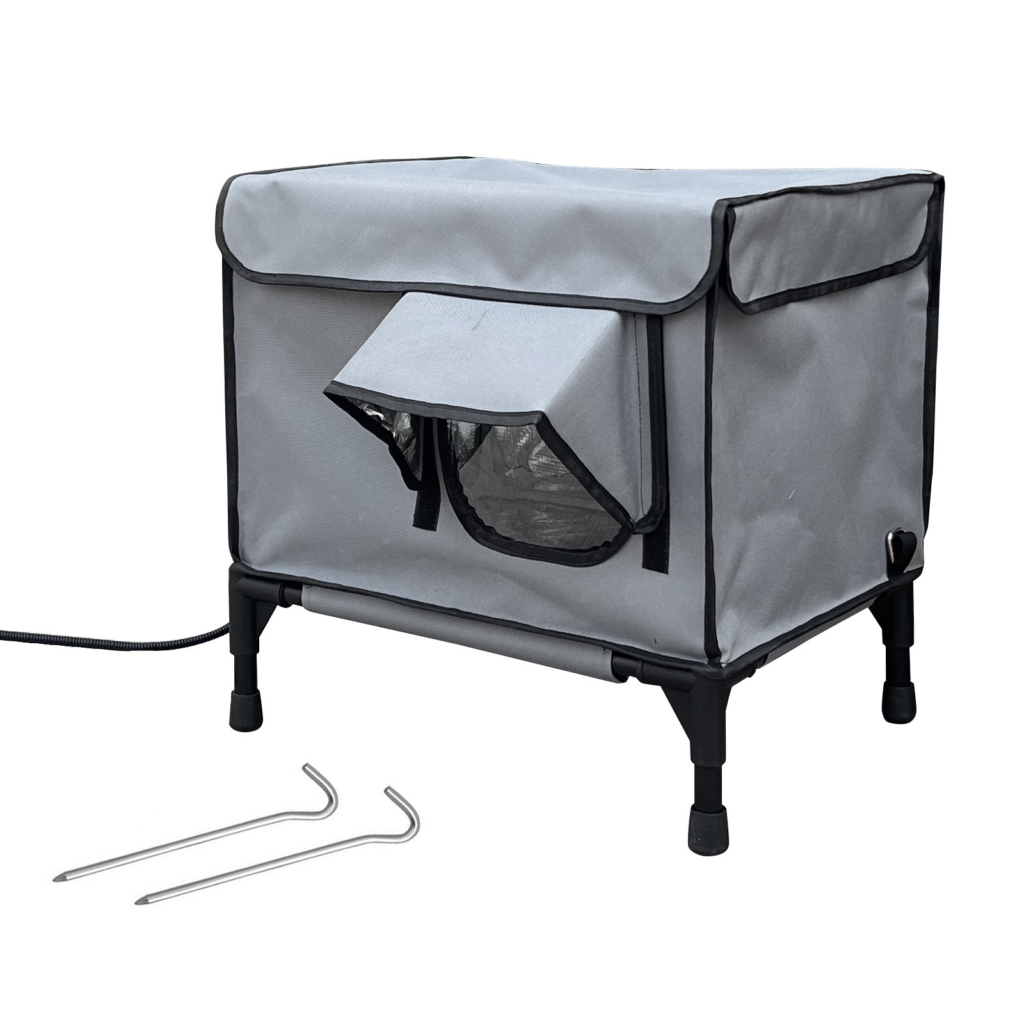
- Chew-Resistant Cords: Reinforced cords with protective coating to deter pets from biting.
Temperature Control
- Thermostat Accuracy: Beds with ±1°C precision to avoid burns.
- Overheat Protection: Sensors that disable heating if temperatures exceed safe thresholds.
How to Choose the Right Heated Pet Bed
Assessing Your Pet’s Needs
- Size and Weight: Measure your pet’s length and weight to select appropriately sized beds.
- Small Pets (under 10 lbs): 18″ x 20″ beds.
- Large Breeds (over 50 lbs): 36″ x 48″ orthopedic options.
- Health Conditions: Opt for beds with therapeutic heat for arthritis or hip dysplasia.
Evaluating Features
- Energy Efficiency: Beds consuming ≤20W for cost-effective use.
- Waterproofing: Essential for puppies or incontinent pets.
- Noise Levels: Silent operation to avoid startling anxious pets.
Purchasing Channels
- Specialized Retailers: Pet-specific stores offering warranties and vet-approved products.
- Global E-Commerce Platforms: Platforms like 1688.com (via agents) for bulk orders at wholesale prices.
Common Challenges and Solutions
Safety Concerns
- Overheating Risks: Solution: Choose beds with auto-shutoff and avoid prolonged use on high settings.
- Electrical Hazards: Solution: Secure cords with cable organizers and place beds away from water sources.
Durability Issues
- Material Wear: Chewed or scratched surfaces. Solution: Opt for beds with ballistic nylon or Cordura fabric.
- Heating Element Failure: Solution: Purchase from brands offering 1–2 year warranties.
Cleaning Difficulties
- Non-Removable Covers: Solution: Use pet-safe disinfectant wipes for spot cleaning.
- Odor Retention: Solution: Select beds with antimicrobial liners (e.g., SilverGuard technology).
Future Trends in Heated Pet Bed Technology
Smart Features
- App-Controlled Heating: Adjust settings via smartphone apps (e.g., PetSafe Smart Bed).
- Health Monitoring: Sensors tracking heart rate, respiration, and sleep patterns.
Sustainability Innovations
- Recycled Materials: Beds made from ocean plastics or upcycled textiles.
- Solar-Powered Heating: Integration of solar panels for eco-friendly energy use.
Customization
- 3D-Printed Beds: Tailored to a pet’s unique body shape and pressure points.
- Aromatherapy Integration: Lavender or chamomile-infused pads for calming effects.
Conclusion
Heated pet beds offer a blend of comfort and therapeutic benefits, making them indispensable for modern pet care. Prioritizing safety certifications, energy efficiency, and durability ensures both pet well-being and long-term value. As technology advances, features like smart controls and sustainable designs will redefine the market. By aligning with these trends and addressing common challenges, pet owners and retailers can foster healthier, happier lives for pets.
How to Purchase:https://looperbuy.com/search?keywords=heated+pet+bed
Related Questions & Answers
· Are heated pet beds safe for all animals?
Most beds are safe for cats and dogs, but avoid use with rodents or birds due to their sensitivity to heat. Always supervise pets during initial use.
· How long can a heated pet bed stay on?
Beds with auto-shutoff can safely operate for 2–8 hours. Continuous use is not recommended.
· Can I wash a heated pet bed?
Only wash removable covers. Wipe heating elements with a damp cloth and avoid submerging electrical components.
· Do heated beds consume a lot of electricity?
Most beds use 10–30W, costing $1–3 monthly if used 8 hours daily.
· What if my pet chews the bed’s cord?
Choose chew-resistant models or use cord protectors. Unplug the bed when unsupervised.
Hot Tags: Electric Pet Heating Pads; Orthopedic Heated Beds; Pet Bed Safety Standards; Energy-Efficient Pet Products; Chew-Resistant Pet Accessories; Smart Pet Bed Technology; Non-Toxic Pet Bed Materials; Waterproof Heated Pads; Thermostat-Controlled Pet Beds.