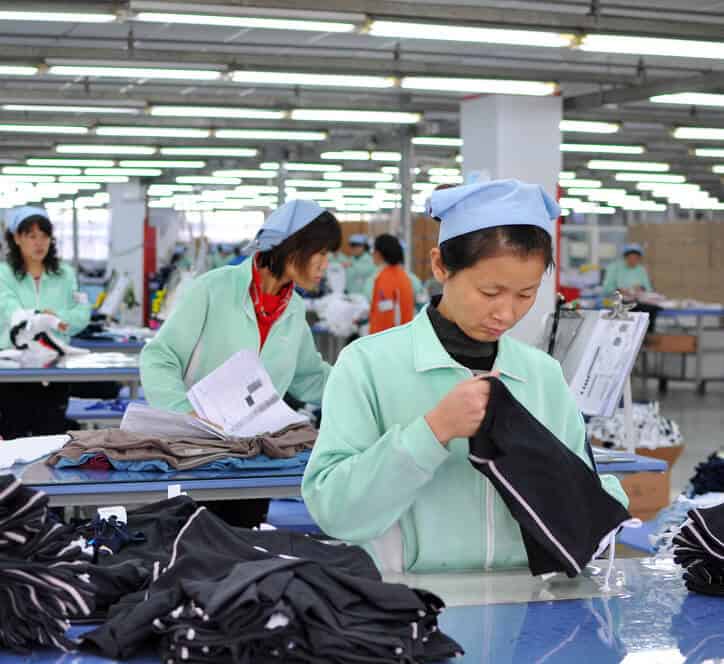
China’s dominance in global apparel manufacturing is unparalleled, producing over 40% of the world’s garments. From fast-fashion brands to luxury labels, businesses rely on Chinese wholesale clothing manufacturers for competitive pricing, scalable production, and cutting-edge design capabilities. However, navigating this vast industry requires strategic planning, supplier verification, and an understanding of evolving trends. This guide provides actionable insights to identify reliable partners, optimize costs, and build ethical, efficient supply chains.
Table of Contents
Types of Wholesale Clothing Manufacturers in China
OEM/ODM Manufacturers
Original Equipment Manufacturers (OEM) and Original Design Manufacturers (ODM) specialize in:
- Custom Apparel Production: Create garments from scratch using your designs, fabrics, and branding.
- Scalability: Factories in Guangdong and Zhejiang provinces offer MOQs (Minimum Order Quantities) as low as 200–500 units.
- Certifications: Prioritize suppliers with ISO 9001 (quality management) or WRAP (ethical labor practices).
Wholesale Trading Companies
- Product Diversity: Source ready-made apparel across categories (e.g., activewear, denim, outerwear).
- Regional Specialization:
- Guangzhou: Fast-fashion hubs for trendy, low-cost garments.
- Yiwu: Affordable basics like T-shirts and socks.
B2B Marketplaces
- 1688.com: Alibaba’s domestic platform offers ultra-low pricing for bulk orders but requires Mandarin proficiency or a local agent.
- Global Platforms: Connect with verified suppliers offering secure payments, quality guarantees, and private-label services.
Strategies for Partnering with Reliable Manufacturers
Supplier Verification
Step 1: Certification Checks
Verify business licenses via China’s National Enterprise Credit Information Publicity System. Key certifications include:
- OEKO-TEX Standard 100: Ensures textiles are free from harmful chemicals.
- GOTS (Global Organic Textile Standard): Certifies organic cotton and sustainable processes.
Step 2: Factory Audits
Hire third-party agencies like SGS or QIMA to inspect:
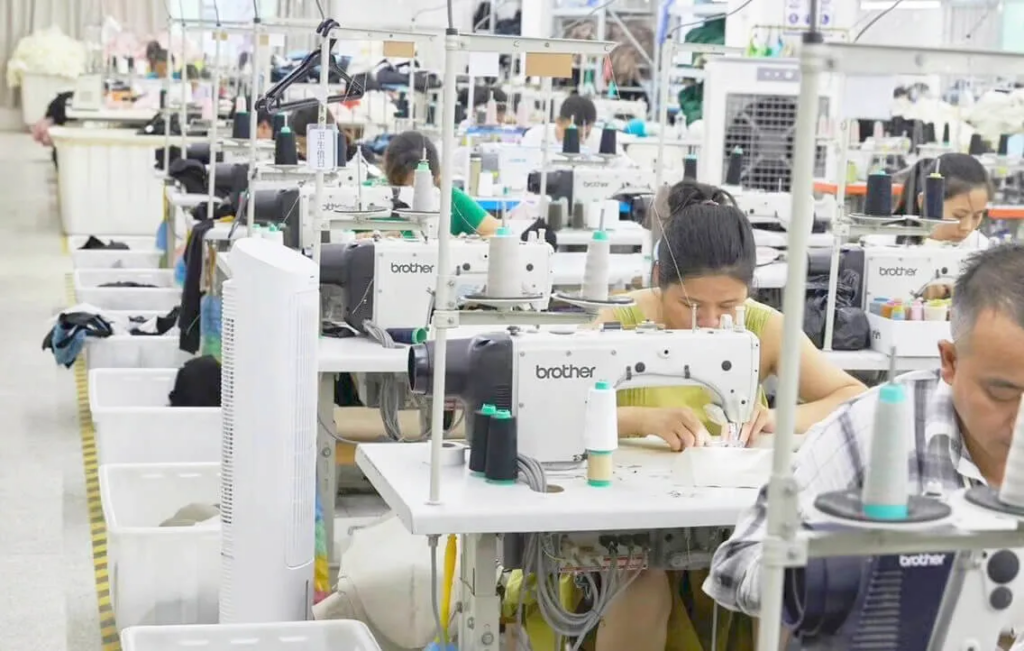
- Production Facilities: Machinery maintenance, stitching accuracy, and fabric storage conditions.
- Labor Compliance: Fair wages, working hours, and safety protocols (e.g., SA8000 certification).
Step 3: Sample Evaluation
Order pre-production samples to assess:
- Fabric Quality: Test for shrinkage, colorfastness, and durability.
- Stitching Precision: Ensure seams, zippers, and buttons meet international standards.
Cost Optimization
- Bulk Discounts: Negotiate 10–25% price reductions for orders exceeding 1,000 units.
- Material Alternatives: Use recycled polyester or blended fabrics to reduce costs without compromising quality.
- Tariff Mitigation: Source from regions with free trade agreements (e.g., RCEP members) or bonded warehouses.
Logistics and Compliance
- DDP Shipping: Choose Delivered Duty Paid terms to simplify customs clearance.
- Sustainable Packaging: Opt for biodegradable poly bags or recycled cardboard boxes.
- Regulatory Compliance: Ensure garments meet labeling requirements (e.g., fiber content, country of origin).
Challenges and Solutions in Clothing Manufacturing
Quality Control
- Inconsistent Sizing: Variations in garment measurements across batches. Solution: Provide detailed tech packs with tolerance limits and conduct pre-shipment inspections.
- Fabric Defects: Stains, uneven dyeing, or pilling. Solution: Source pre-approved fabrics or partner with mills directly.
Ethical and Legal Risks
- Copyright Infringement: Unauthorized use of designs or logos. Solution: Sign NDAs (Non-Disclosure Agreements) and work with suppliers registered with the China Copyright Protection Center.
- Unethical Labor Practices: Underpaid workers or unsafe conditions. Solution: Partner with BSCI or SMETA-certified factories.
Logistical Complexities
- Production Delays: Missed deadlines due to raw material shortages. Solution: Maintain buffer inventory or negotiate JIT (Just-in-Time) production terms.
- Shipping Bottlenecks: Port congestion or customs inspections. Solution: Diversify shipping routes and use air freight for urgent orders.
Future Trends in Apparel Manufacturing
Sustainability Innovations
- Circular Fashion: Factories adopt deadstock fabric upcycling and closed-loop water systems.
- Carbon-Neutral Production: Use renewable energy (e.g., solar power) and carbon offset programs.
Technology Integration
- 3D Virtual Sampling: Reduce sample waste by creating digital prototypes using CLO3D or Browzwear.
- AI-Driven Demand Forecasting: Predict consumer trends to optimize inventory and reduce overproduction.
Market Adaptations
- Hybrid Collections: Combine fast-fashion speed with premium quality for mid-market brands.
- Regional Diversification: Manufacturers open factories in Vietnam, Bangladesh, or Ethiopia to bypass tariffs.
Conclusion
Partnering with wholesale clothing manufacturers in China offers businesses unparalleled scalability and cost efficiency. Success requires rigorous supplier verification, transparent communication, and alignment with trends like sustainable production and AI-driven design. By prioritizing certified factories on platforms like 1688.com, optimizing logistics, and fostering long-term partnerships, brands can build agile, ethical, and competitive supply chains in the global apparel market.
If you want to do purchasing directly without registering 1688, you can use looperbuy, a one-stop purchasing-logistics solution:https://looperbuy.com/
Related Questions & Answers
· How do I verify a clothing manufacturer’s ethical practices?
Request audit reports (e.g., BSCI, SMETA), visit factories virtually via video calls, and check certifications like WRAP or Fair Trade.
· What is the average MOQ for clothing manufacturers in China?
MOQs typically range from 200–1,000 units per design, though some suppliers on 1688.com accept orders as low as 50 pieces for basic styles.
· How can I protect my designs from being copied?
Sign NDAs, register copyrights in China, and work with suppliers affiliated with the China Apparel Association.
· Are there eco-friendly clothing manufacturers in China?
Yes. Look for GOTS-certified organic cotton suppliers, factories using recycled materials, or those with ISO 14001 (environmental management) certification.
· What Incoterms are best for importing garments from China?
Opt for DDP (Delivered Duty Paid) to avoid customs hassles, or FOB (Free on Board) if you have a reliable freight forwarder.
Hot Tags: Custom Clothing Manufacturers China; Sustainable Apparel Production; Low MOQ Garment Suppliers; Ethical Factory Audits; Fast Fashion Manufacturing; DDP Shipping Solutions; Organic Textile Certification; China Tariff Management; 3D Virtual Sampling.