Table of Contents
Introduction to China’s Wholesale Clothing Ecosystem
China dominates global apparel manufacturing, producing over 40% of the world’s garments. From fast fashion to luxury wear, Chinese wholesale clothing vendors offer businesses unparalleled scalability, affordability, and customization. However, navigating this vast market requires strategic supplier selection, rigorous quality control, and compliance with international standards. This guide explores proven strategies to identify reliable vendors, optimize costs, and adapt to trends reshaping the industry in 2024.
Types of Wholesale Clothing Vendors in China
OEM/ODM Manufacturers
- Custom Production: Original Equipment Manufacturers (OEM) and Original Design Manufacturers (ODM) create private-label apparel tailored to your designs, fabrics, and branding.
- Scalability: Factories in Guangdong and Zhejiang provinces offer flexible MOQs (Minimum Order Quantities), from 500 units for startups to 10,000+ for large retailers.
- Certifications: Prioritize vendors with ISO 9001 (quality management) or BSCI (ethical labor practices).
Wholesale Distributors
- Ready-to-Ship Inventory: Distributors stock popular styles like denim, activewear, and seasonal collections, reducing lead times.
- Regional Specialization:
- Guangzhou: Fast fashion and luxury fabrics.
- Yiwu: Affordable basics and accessories.
B2B Marketplaces
- 1688.com: Alibaba’s domestic wholesale platform offers ultra-competitive pricing but requires Mandarin proficiency or a local agent.
- Global Platforms: These connect international buyers with verified suppliers, offering buyer protections like secure payments and dispute resolution.
Strategies for Verifying Reliable Vendors
Step 1: Supplier Due Diligence
- Business Licenses: Verify the vendor’s营业执照 (business license) via China’s National Enterprise Credit Information Publicity System.
- Factory Audits: Conduct onsite inspections or hire third-party agencies (e.g., SGS, QIMA) to assess production facilities, machinery, and working conditions.
- Client References: Request testimonials or contact previous buyers through platforms like Alibaba’s Trade Assurance program.
Step 2: Quality Assurance
- Sample Testing: Order pre-production samples to check fabric quality, stitching, and color accuracy. For example, test cotton blends for shrinkage or colorfastness.
- Compliance Checks: Ensure garments meet safety standards like CPSIA (U.S.) or REACH (EU) for chemical content.
Step 3: Ethical Sourcing
- Labor Practices: Partner with SA8000-certified factories to guarantee fair wages and safe workplaces.
- Sustainable Materials: Source from vendors using GOTS-certified organic cotton or recycled polyester.
Cost Optimization Techniques
Negotiation Strategies
- Bulk Discounts: Secure 10–20% price reductions for orders exceeding 5,000 units.
- Fabric Alternatives: Opt for cost-effective materials like polyester-cotton blends or Tencel instead of pure silk.
Tariff Mitigation
- Bonded Zones: Source from factories in tariff-exempt regions like Hainan or utilize ASEAN free trade agreements.
- DDP Shipping: Choose Delivered Duty Paid terms to avoid unexpected import fees.
Logistics Efficiency
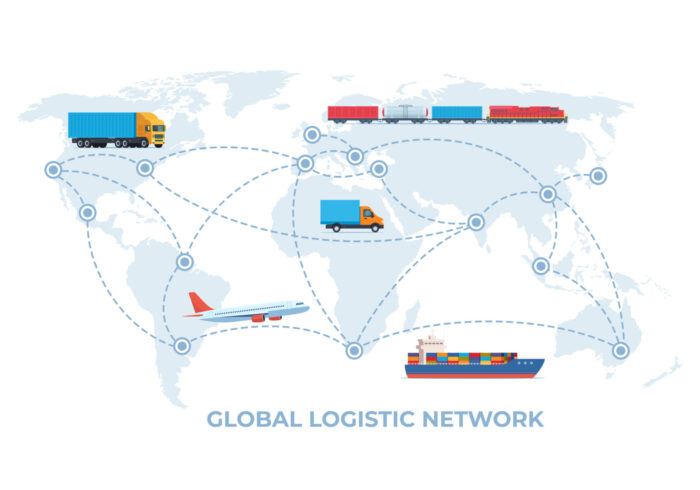
- Consolidated Shipping: Combine orders into full-container loads (FCL) to reduce freight costs by 30–40%.
- Nearshoring: Partner with vendors in Turkey or Mexico for faster delivery to Western markets.
Common Challenges and Solutions
Quality Inconsistencies
- Fabric Defects: Substandard materials or dye bleeding. Solution: Enforce strict quality contracts and conduct pre-shipment inspections (PSI).
- Sizing Issues: Variations in garment measurements. Solution: Provide detailed tech packs with tolerance limits (e.g., ±1cm).
Communication Barriers
- Language Gaps: Misunderstandings in design specifications. Solution: Use bilingual agents or digital tools like WeChat Translate for real-time communication.
- Cultural Differences: Hierarchical decision-making in Chinese factories. Solution: Build trust through face-to-face meetings at trade shows like Canton Fair.
Logistical Risks
- Shipping Delays: Port congestion or customs inspections. Solution: Work with freight forwarders to diversify routes (e.g., air freight for urgent orders).
- Counterfeit Goods: Fake “Made in China” labels or unauthorized replicas. Solution: Partner with vendors registered with the China Apparel Association.
Future Trends in Wholesale Apparel Sourcing
Digital Transformation
- AI-Driven Design: Tools like CLO 3D create virtual prototypes, reducing sampling costs and lead times.
- Blockchain Traceability: Track materials from farm to factory using platforms like TextileGenesis.
Sustainability Innovations
- Circular Fashion: Factories adopt zero-waste cutting techniques and closed-loop dyeing processes.
- Carbon-Neutral Production: Vendors in Jiangsu and Guangdong provinces invest in solar energy and carbon offsets.
Market Diversification
- Hybrid Sourcing: Split orders between Chinese and regional suppliers (e.g., Bangladesh, Vietnam) to mitigate geopolitical risks.
- Direct-to-Consumer (DTC) Support: Vendors offer white-label packaging and dropshipping logistics for e-commerce brands.
Conclusion
Sourcing from China’s wholesale clothing vendors offers businesses a competitive edge in cost and scalability. Success hinges on meticulous supplier verification, adaptive logistics planning, and alignment with global trends like sustainability and AI-driven innovation. By prioritizing certified partners, negotiating strategically, and embracing ethical practices, businesses can navigate challenges and thrive in the dynamic apparel industry.
If you want to do purchasing directly without registering 1688, you can use looperbuy, a one-stop purchasing-logistics solution:https://looperbuy.com/
Related Questions & Answers
· How can I verify a clothing vendor’s production capacity?
Request factory audit reports, check machinery certifications (e.g., ISO 9001), and ask for proof of past large-scale orders.
· What are the risks of using Alibaba suppliers without Trade Assurance?
Higher risk of fraud or quality issues. Always use Trade Assurance or escrow payments for financial protection.
· How do I handle defective products after shipment?
Include quality clauses in contracts to require replacements or refunds. Use third-party inspection reports as evidence.
· Are there eco-friendly fabric options from Chinese vendors?
Yes. Many vendors offer GOTS-certified organic cotton, recycled polyester, and bamboo blends.
· Can I negotiate lower MOQs for custom designs?
Yes. Offer upfront payments, commit to long-term partnerships, or bundle multiple designs to meet MOQ thresholds.
Hot Tags: China Clothing Wholesale Suppliers; OEM Apparel Manufacturers; Bulk Clothing Vendors; Sustainable Fabric Sourcing; DDP Shipping Solutions; Factory Audit Services; Ethical Fashion Certification; Fast Fashion Suppliers; Custom Apparel Design.