Table of Contents
Introduction
Children’s plush toys have been cherished companions for generations, offering comfort, joy, and a sense of security to kids worldwide. These soft, cuddly creations hold a special place in the hearts of both children and adults. In this comprehensive guide, we’ll explore the fascinating world of children’s plush toys, delving into their history, types, benefits, and tips for selecting the perfect one.
The History of Children’s Plush Toys
Origins and Early Development
The history of plush toys dates back to the late 19th century in Germany, where artisans began crafting soft toys from fabric and stuffing them with materials like straw or sawdust. These early creations, often resembling animals, were meticulously crafted with attention to detail, making each piece unique. As industrialization progressed, mass production techniques emerged, making plush toys more accessible to a broader audience.
The Rise of Teddy Bears
The teddy bear, one of the most iconic plush toys, was introduced in the early 20th century and named after President Theodore Roosevelt. It quickly became a symbol of childhood innocence and comfort. Over the years, the design of teddy bears has evolved, reflecting changing tastes and trends. Today, they come in countless shapes, sizes, and colors, often adorned with clothing or accessories that mirror contemporary culture.

Types of Children’s Plush Toys
Classic Stuffed Animals
Classic stuffed animals like teddy bears, bunnies, and dogs remain popular among children of all ages. They come in various sizes, colors, and styles, allowing kids to choose their favorite companions. These timeless toys often have a nostalgic appeal and are perfect for passing down through generations, creating cherished memories and traditions.
Character Plush Toys
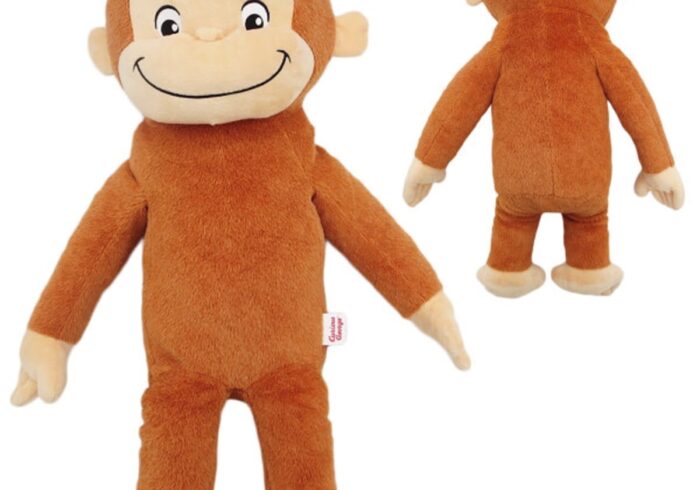
Character plush toys are based on popular children’s characters from movies, TV shows, books, and video games. They allow children to connect with their favorite characters in a tangible way, enhancing their play experience by bringing beloved stories to life. This connection can also encourage children to engage with the narratives of their favorite shows or books, fostering a love for storytelling and creativity.
Interactive Plush Toys
In recent years, interactive plush toys have gained popularity. These toys often feature sounds, movements, or the ability to respond to a child’s voice. They provide an engaging play experience, encouraging children to interact and bond with their toys in new ways. This technology not only makes playtime more exciting but also helps children develop language skills as they engage in conversations with their toys.
Collectible Plush Toys
Collectible plush toys are highly sought after by both children and adults. These limited – edition or rare plush toys often feature unique designs, high – quality materials, and intricate detailing. They can become valuable collectibles over time, appreciated not only for their aesthetic appeal but also for their potential to increase in value. Examples include certain Beanie Babies and designer collaborations like the Steiff and Louis Vuitton Bear.
Educational Plush Toys
Educational plush toys are designed to teach children various skills and concepts. They can take the form of alphabet plush toys that help children learn letters, counting plush toys for developing math skills, or even science – themed plush toys that introduce basic scientific concepts. These toys make learning fun and engaging for children, combining education with play.
Personalized Plush Toys
Personalized plush toys offer a unique and special touch. They can be customized with a child’s name, birthdate, or other special details, making them a one – of – a – kind gift. Personalized plush toys can also be tailored to reflect a child’s interests or favorite characters, adding an extra layer of meaning and connection for the child.
Eco – Friendly Plush Toys
With increasing awareness of environmental issues, eco – friendly plush toys have gained popularity. These toys are made from sustainable materials such as organic cotton, recycled fabrics, and natural dyes. They provide a safer and more environmentally conscious option for children, appealing to parents who are conscious about the impact of the products they purchase.
Sensory Plush Toys
Sensory plush toys are designed to stimulate a child’s senses and can be particularly beneficial for children with sensory processing disorders or those who need sensory input. These toys may have various textures, sounds, or visual elements that engage a child’s tactile, auditory, or visual senses. Examples include reversible plush toys with different colors and moods, or plush toys with crinkle elements, rattles, or lights.
Ragdoll Plush Toys
Ragdoll plush toys are soft, floppy dolls that resemble human figures. They are often made of fabric and have a jointed design, allowing them to be posed in different ways. Ragdolls can serve as both companions and educational tools, helping children learn about human anatomy and social interactions. They are also popular for their soft, huggable nature and ability to withstand rough play.
Finger Puppet Plush Toys
Finger puppet plush toys are small, plush characters that fit onto a person’s fingers. They are excellent for storytelling and imaginative play, allowing children and adults to create their own puppet shows. These toys can help develop a child’s language skills, communication abilities, and creativity as they engage in pretend play and interact with the finger puppets.
Benefits of Children’s Plush Toys
Emotional Comfort and Security
Plush toys provide children with a sense of emotional comfort and security. They can be a source of solace during times of stress or anxiety, helping children cope with difficult situations. Many children form strong attachments to their plush toys, treating them as trusted companions and confidants.
Encouraging Imaginative Play
Plush toys spark a child’s imagination and creativity. They can be incorporated into various pretend play scenarios, allowing children to create their own stories and adventures. This imaginative play is crucial for cognitive and social development, helping children explore different roles, express their thoughts and feelings, and develop problem – solving skills.
Educational Value
As mentioned earlier, educational plush toys can teach children various skills and concepts. They can aid in language development, math skills, scientific understanding, and more. Even non – educational plush toys can provide learning opportunities through play, helping children develop vocabulary, narrative skills, and an understanding of the world around them.
Social and Communication Skills Development
Playing with plush toys can help children develop social and communication skills. When children engage in pretend play with their plush toys, they practice verbalizing their thoughts, expressing emotions, and interacting with others. This can be particularly beneficial for shy or reserved children who may find it easier to communicate through their toys.
How to Choose the Perfect Children’s Plush Toy
Consider the Child’s Age and Interests
When selecting a plush toy, it’s essential to consider the child’s age and interests. For infants and toddlers, choose soft, simple toys without small parts that could pose a choking hazard. For older children, consider their hobbies and preferences, such as a favorite character or type of animal. This will ensure the toy is both age – appropriate and appealing to the child.
Check for Quality and Safety
The quality and safety of the plush toy are paramount. Look for toys made from non – toxic, durable materials that can withstand regular use. Check for secure stitching, sturdy seams, and safe, non – toxic fillings. Ensure that any additional features like buttons, beads, or eyes are firmly attached and pose no risk of detachment and choking.
Consider the Purpose of the Toy
Think about the purpose the toy will serve. Is it primarily for comfort and cuddling, imaginative play, education, or decoration? Based on this, you can choose a plush toy with features that align with that purpose. For example, if you want an educational toy, opt for one with learning elements like letters, numbers, or interactive features that teach specific skills.
Caring for Children’s Plush Toys
Regular Cleaning
Most plush toys can be machine washed, but it’s essential to check the care label for specific instructions. Use a gentle detergent and cold water to maintain the toy’s quality. For delicate or vintage plush toys, consider hand – washing and air – drying to preserve their condition.
Proper Storage
Store plush toys in a clean, dry place when not in use. Avoid exposing them to excessive moisture, direct sunlight, or extreme temperatures, as this can damage the fabric and filling. Consider using storage boxes or bins to keep the toys organized and protected from dust and dirt.
Repairing Damaged Plush Toys
If a plush toy becomes damaged, simple sewing techniques can often repair it. For more complex repairs, consider seeking the help of a professional seamstress or toy repair service. Many children become emotionally attached to their plush toys, so repairing a beloved toy can be a meaningful experience for both the child and the parent.

Conclusion
Children’s plush toys are more than just playthings; they are companions that provide comfort, foster creativity, and support a child’s emotional and cognitive development. With a rich history and a wide variety of options available, there’s a perfect plush toy for every child. Whether it’s a classic teddy bear, a character from their favorite show, an interactive friend, or any of the other types mentioned, these toys hold a special place in the hearts of children and parents alike. As we continue to appreciate the joy and comfort that plush toys bring, we can recognize their role in nurturing the emotional and imaginative growth of children.
How to Purchase:https://looperbuy.com/search?keywords=children%27s+plush+toys
Frequently Asked Questions
Q: What age is appropriate for giving a child a plush toy?
A: Plush toys are suitable for children of all ages, but it’s crucial to choose age – appropriate designs. For infants, opt for soft, simple toys without small parts that could pose a choking hazard. For older children, consider their interests and developmental stage when selecting a plush toy.
Q: How can I clean my child’s plush toy?
A: Most plush toys can be machine washed. Check the care label for specific instructions, and consider using a gentle detergent to maintain the toy’s quality. For delicate or vintage plush toys, hand – washing and air – drying are recommended to preserve their condition.
Q: Are there any safety concerns with plush toys?
A: Always check for safety certifications and ensure that the toy is made from non – toxic materials. Avoid toys with small parts for younger children to prevent choking hazards. Regularly inspect the plush toy for signs of wear and tear, and repair or replace it if necessary to ensure continued safety.
Q: Can plush toys help with a child’s emotional development?
A: Yes, plush toys can provide emotional support and comfort, helping children cope with stress and anxiety. They also encourage imaginative play, which is vital for cognitive development. The bond a child forms with their plush toy can offer a sense of security and emotional resilience.
Q: What should I do if my child’s plush toy gets damaged?
A: If a plush toy is damaged, consider repairing it with simple sewing techniques. Many parents find that fixing a beloved toy can be a meaningful experience for both them and their child. For more complex repairs, seek the help of a professional seamstress or toy repair service.
Hot Tags: Children’s Plush Toys; Classic Stuffed Animals; Character Plush Toys; Interactive Plush Toys; Collectible Plush Toys; Educational Plush Toys; Personalized Plush Toys; Eco – Friendly Plush Toys; Sensory Plush Toys; Ragdoll Plush Toys