Table of Contents
Introduction to China’s Wholesale Ecosystem
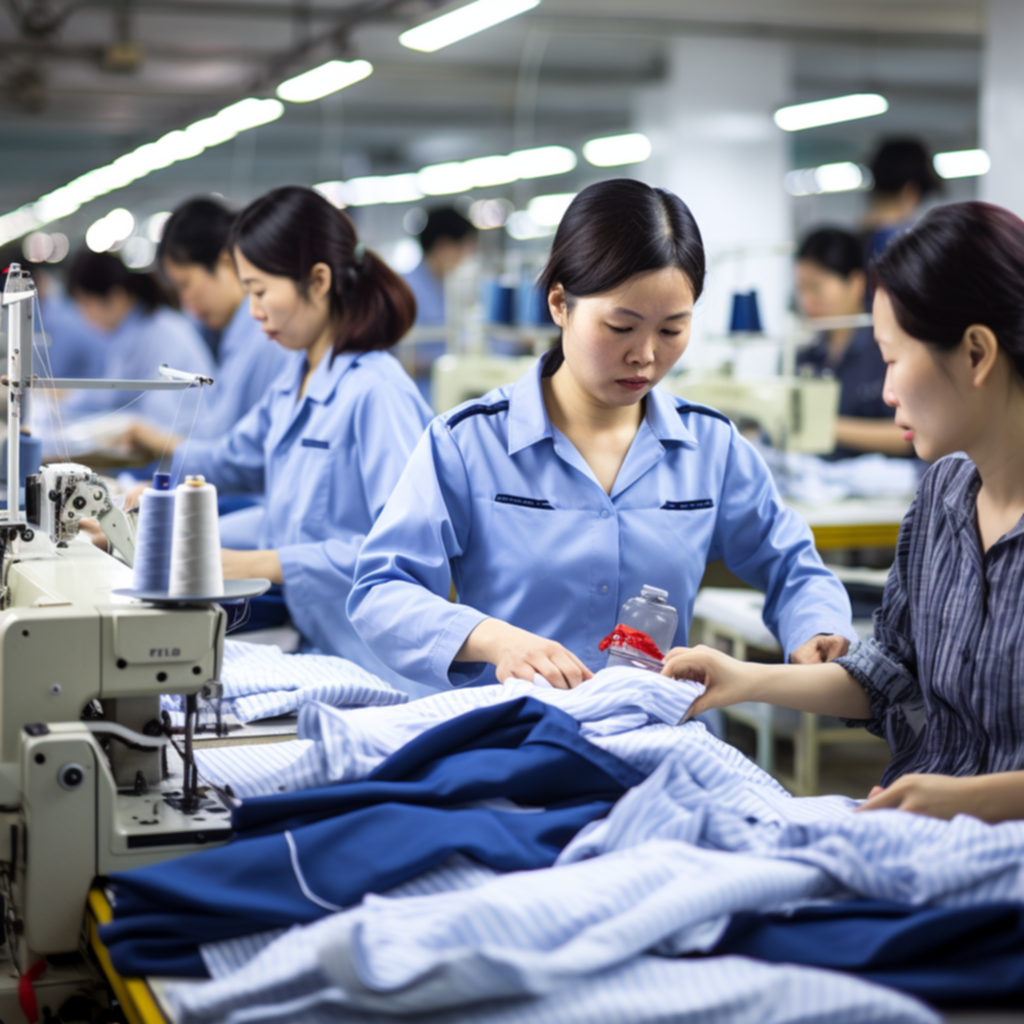
China remains the undisputed leader in global wholesale trade, offering unparalleled cost efficiency, product diversity, and supply chain agility. With over 40% of global manufacturing output originating from China, businesses worldwide rely on platforms like Alibaba, DHgate, and Made-in-China.com to source electronics, apparel, industrial equipment, and more. This guide explores top platforms, procurement strategies, challenges, and emerging trends shaping China’s wholesale landscape in 2025.
Top China Wholesale Platforms in 2025
Global buyers can leverage three primary categories of B2B channels for electronics sourcing in China:
Comprehensive Global Marketplaces: These platforms host verified suppliers specializing in bulk orders, offering integration with logistics and quality assurance services. They often provide tools for supplier audits and real-time inventory tracking.
Vertical-Specific Procurement Hubs: Focused on electronics and components, these platforms cater to niche industries like IoT, automotive tech, or consumer electronics. They support flexible MOQs (Minimum Order Quantities) and may include value-added services like product customization and compliance certifications.
Regional Wholesale Clusters: China’s key manufacturing hubs (e.g., Shenzhen, Guangzhou) host physical and digital wholesale markets specializing in electronics. These channels prioritize rapid prototyping, competitive pricing, and direct factory access, ideal for SMEs seeking tailored solutions.
Offline Wholesale Markets:Yiwu International Trade City: The world’s largest small commodities market, offering over 1.8 million products across 26 categories.Guangzhou Baima Clothing Market: A hub for mid-to-high-end apparel, with MOQs as low as 50 pieces.
For bulk procurement, prioritize platforms with supplier verification systems and ERP integration capabilities. Low-MOQ buyers should explore channels offering pre-negotiated shipping rates and sample testing services.
Strategies for Effective Sourcing
Supplier Verification
- Certifications: Prioritize suppliers with ISO 9001, BSCI, or OEKO-TEX certifications to ensure ethical practices.
- Factory Audits: Use services like QIMA or SGS to inspect production facilities and product quality pre-shipment.
Cost Optimization
- MOQ Negotiation: Platforms like 1688.com allow MOQs as low as 10 units, reducing upfront costs for SMEs.
- Tariff Management: Leverage China’s bonded warehouses or free trade zones to minimize import duties.
Logistics and Payment Solutions
- DDP Shipping: Opt for Delivered Duty Paid terms to simplify customs clearance.
- Secure Payments: Use Alipay or Weixin Pay (WeChat Pay) for encrypted transactions, supported by platforms like PandaDsc.
Challenges in China Wholesale Sourcing
Quality Control
Counterfeit products and inconsistent quality persist, especially on platforms like DHgate. Solutions include:
- Requesting product samples before bulk orders.
- Partnering with inspection agencies like AsiaInspection.
Regulatory Compliance
- CE and RoHS: Electronics and textiles must meet EU safety standards.
- Labeling Requirements: Imported goods require Chinese-language labels with ingredients, origin, and safety certifications.
Language and Cultural Barriers
Platforms like Supplyia offer bilingual agents to negotiate contracts and resolve disputes.
Future Trends in China Wholesale
AI-Driven Procurement
Platforms like Alibaba’s “Live Intelligence” use AI for demand forecasting and supplier matching, reducing lead times by 30%.
Sustainable Sourcing
Chinese factories are adopting circular economy models, such as using recycled polyester in textiles or offering refurbished electronics.
Nearshoring
To bypass U.S. tariffs, suppliers like Hongyu Apparel are opening factories in Vietnam and Mexico while maintaining R&D hubs in China.
Conclusion
Navigating China’s wholesale market requires balancing cost efficiency with risk mitigation. By leveraging platforms like Alibaba and 1688.com, businesses can access competitive pricing while ensuring quality through audits and secure payments. Future-ready strategies, such as AI integration and sustainable sourcing, will define success in this dynamic ecosystem.
If you want to do ordering directly without registering 1688, you can use looperbuy, a one-stop purchasing-logistics solution:https://looperbuy.com/
Related Questions & Answers
· How can I verify the reliability of Chinese suppliers?
Check certifications (ISO 9001, BSCI), request factory audit reports, and use third-party inspection services like QIMA or SGS.
· What payment methods are safest for wholesale transactions?
Alipay and Weixin Pay offer encrypted transactions. For large orders, use Letter of Credit (LC) or Escrow services via platforms like Alibaba Trade Assurance.
· How do I avoid customs delays when importing from China?
Choose DDP shipping terms, provide accurate HS codes, and ensure products comply with destination-country labeling standards.
· Are there sustainable wholesale options in China?
Yes. Suppliers like Shaoxing Tuoyang Export specialize in recycled fabrics, while platforms like Back Market offer refurbished electronics.
Hot Tags: Best China Wholesale Platforms; Verified B2B Suppliers; Bulk Electronics Sourcing; China Tariff Management; Sustainable Manufacturing China; Alibaba Trade Assurance; OEM Product Sourcing; China Logistics Solutions; WeChat Pay For Business.