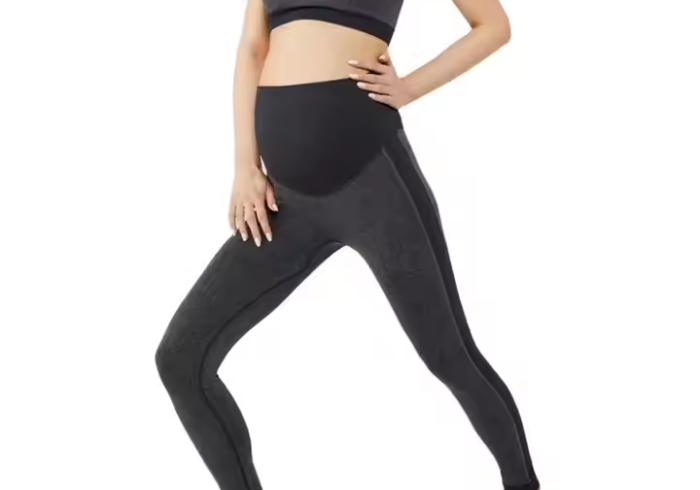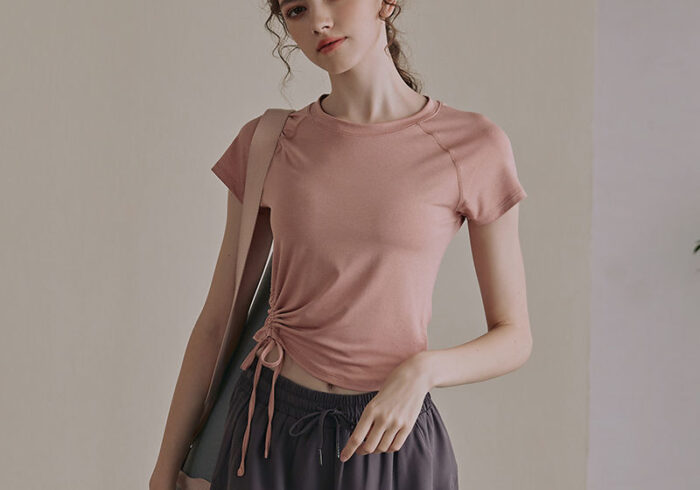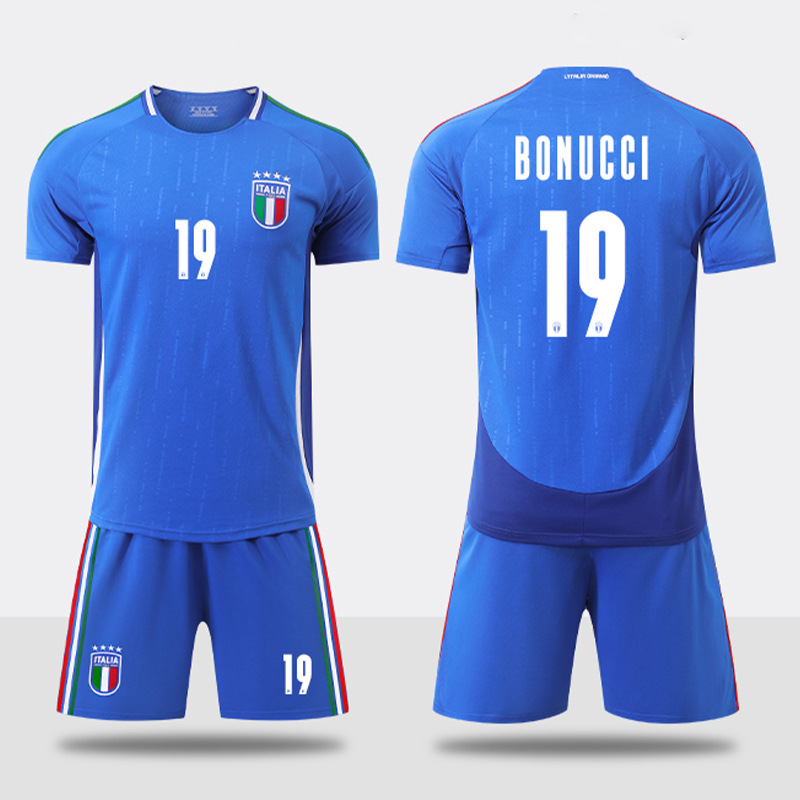
Italy’s fashion industry, renowned for its craftsmanship, luxury brands, and trendsetting designs, presents a lucrative opportunity for dropshipping entrepreneurs. With a global market value exceeding €9.35 billion annually and a 3.3% growth rate in apparel exports, Italy’s clothing sector combines tradition with innovation. This guide explores how to leverage Italy’s fashion prestige through dropshipping, covering market trends, supplier selection, logistics, and compliance.
Table of Contents
The Italian Fashion Landscape: Why It Stands Out
Unmatched Craftsmanship and Brand Legacy
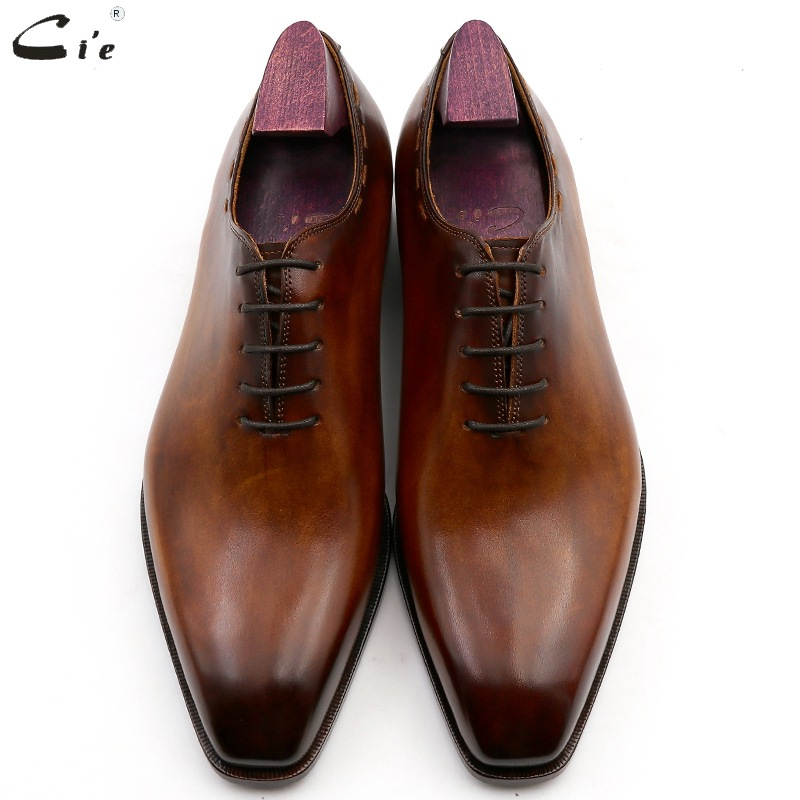
Italian fashion is synonymous with quality. Brands like Gucci, Prada, and Armani have built their reputations on meticulous tailoring, premium materials (e.g., Tuscan leather, Como silk), and timeless aesthetics. These attributes make Italian-made clothing highly desirable globally, particularly for luxury and mid-range markets.
Consumer Preferences in Italy and Beyond
Italian consumers prioritize “sustainability, design, and affordability”. Over 70% of younger buyers are willing to pay a premium for eco-friendly garments, driving demand for organic cotton, recycled fabrics, and transparent supply chains. Internationally, Italy’s “Made in Italy” label signals authenticity, attracting buyers in the U.S., Germany, and China.
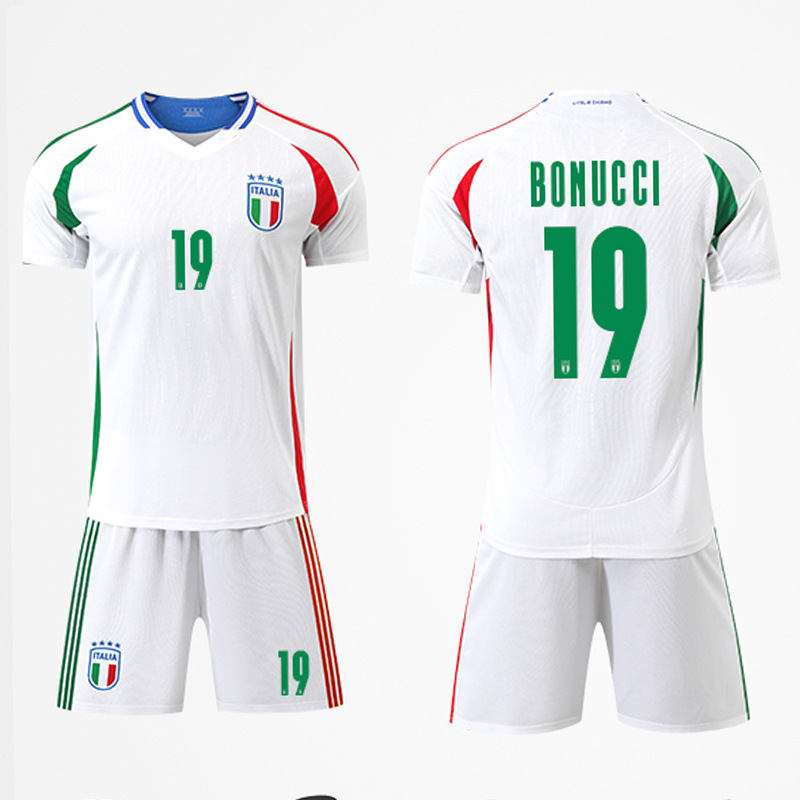
Building a Dropshipping Business with Italian Suppliers
Top Italian Clothing Dropshipping Platforms
- GriffatiA leading B2B platform offering over 20,000 products from 200+ luxury brands, including Armani and Moschino. Griffati automates inventory management and provides global shipping via UPS/DHL, making it ideal for premium-focused sellers.
- B2B BrandedSpecializing in designer apparel, this supplier connects retailers with brands like Dolce & Gabbana and Versace. With a €200 minimum order and VAT compliance, it caters to EU-focused businesses.
- BrandsDistributionA global leader in luxury dropshipping, BrandsDistribution offers 120+ brands (e.g., Gucci, Fendi) and integrates with tools like BDroppy for seamless order management.
Niche Opportunities: Sustainable and Luxury Segments
• “Eco-friendly Brands”: Suppliers like Manteco (wool) and Beste Group (recycled textiles) emphasize sustainability, aligning with Italy’s circular economy initiatives.
• “Luxury Resale Platforms”: LeBoncoin and Vente-Privée cater to demand for refurbished designer items, reducing entry costs for new sellers.
Navigating Logistics and Compliance
Key Challenges in Italian Dropshipping
• “Shipping Delays”: Northern Italy’s logistics hubs (e.g., Milan, Prato) offer efficient warehousing, but Southern regions face infrastructure gaps, extending delivery times by 3–5 days.
• “Customs and Taxes”: Non-EU sellers must comply with Italy’s 22% VAT and EU EORI regulations. Platforms like Chinabrands simplify cross-border tax reporting.
Optimizing Delivery with Local Warehousing
Partnering with Italian-based 3PLs (e.g., SACE-certified providers) reduces transit times. For example, using Milan-based fulfillment centers cuts EU delivery to 2–3 days.
Marketing Strategies for Italian Fashion
Localized Branding and Payment Preferences
• “Language”: Italian-language product descriptions and customer support boost trust. Over 80% of shoppers abandon carts if sites lack local payment options like Satispay or Bancomat.
• “Social Media”: Instagram and TikTok campaigns highlighting “Made in Italy” aesthetics resonate with Gen Z. Collaborations with micro-influencers in cities like Florence and Rome drive engagement.
Pricing and Promotions
• “Competitive Pricing”: Mid-range Italian brands (e.g., Liu Jo, Twin-Set) balance quality and affordability, with average margins of 40–60% in dropshipping.
• “Flash Sales”: Platforms like Vente-Privée and Yoox host seasonal sales, attracting bargain-hunting consumers.
Regulatory Essentials for Dropshippers
Labeling and Sustainability Laws
• “CE Marking”: Mandatory for textiles, ensuring compliance with EU safety standards.
• “Triman Logo”: Required on packaging to indicate recyclability under Italy’s Extended Producer Responsibility (EPR) laws.
Data Privacy
Comply with GDPR by encrypting customer data and obtaining explicit consent for marketing.
Conclusion
Italy’s fashion dropshipping market offers immense potential but demands strategic planning. Success hinges on partnering with reliable suppliers, optimizing logistics, and aligning with Italy’s cultural and regulatory landscape. By leveraging sustainability trends and digital marketing, entrepreneurs can carve a niche in this competitive yet rewarding sector.
How to Purchase:https://looperbuy.com/search?keywords=Italy+clothes+dropshipping
Related Questions and Answers
· What are the most popular Italian clothing categories for dropshipping?
Luxury apparel (e.g., leather jackets, silk dresses) and sustainable fashion dominate sales. Accessories like handbags and shoes also perform well due to Italy’s artisanal reputation.
· Which platforms are best for sourcing Italian designer brands?
Griffati and BrandsDistribution offer extensive catalogs of authenticated luxury items, while B2B Branded focuses on high-end wholesale partnerships.
· How do Italy’s EPR regulations impact dropshippers?
Sellers must ensure packaging displays the Triman logo and partners with certified recycling schemes. Non-compliance risks fines up to €100,000.
· What are the biggest challenges in shipping to Italy?
Customs delays (avg. 5–7 days for non-EU shipments) and high return rates (15–20%) due to sizing discrepancies require robust logistics planning.
· Which payment methods do Italian consumers prefer?
PayPal (used by 65% of shoppers), credit/debit cards (CartaSi, Visa), and cash-on-delivery remain top choices.