Table of Contents
Introduction
In the realm of automotive accessories, electric fans have become indispensable tools for maintaining optimal vehicle performance and comfort. Whether you’re dealing with an overheating engine, seeking to improve cabin climate control, or looking to enhance the efficiency of your vehicle’s cooling system, understanding electric fan automotive solutions is crucial. This comprehensive guide delves into the intricacies of electric fans designed for automotive applications, offering insights into their types, benefits, installation processes, and more.
Understanding Electric Fan Automotive
What is an Electric Fan Automotive?
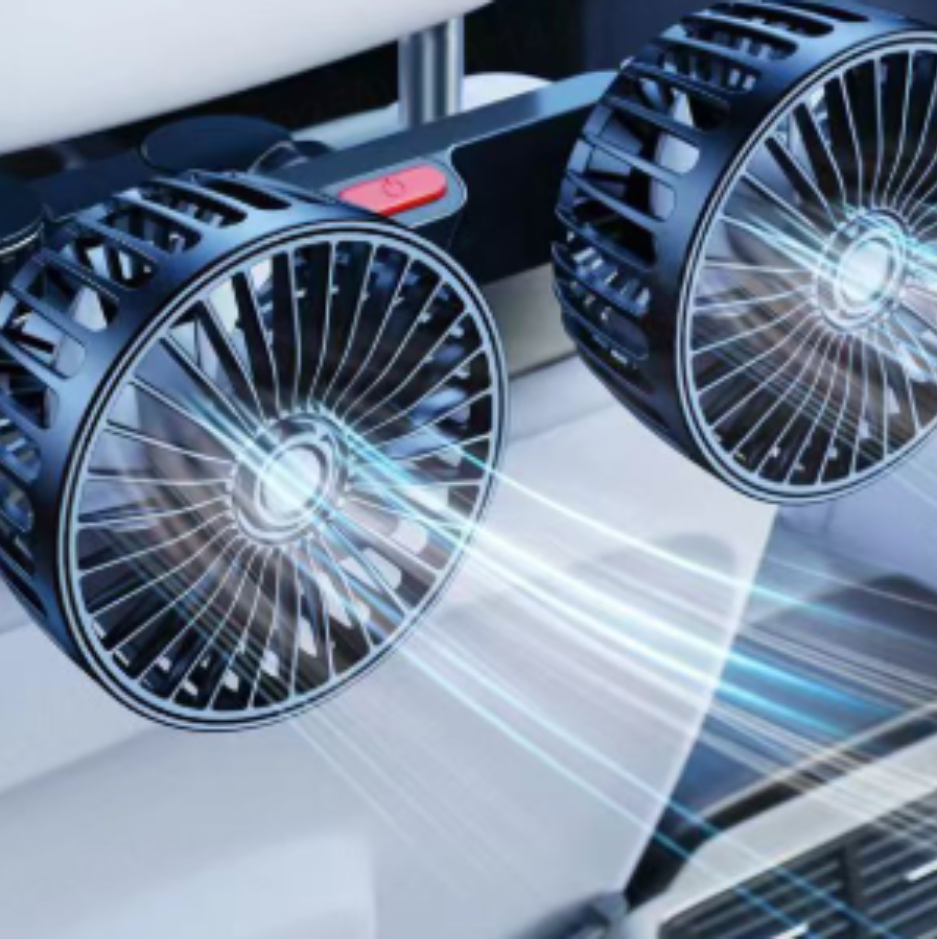
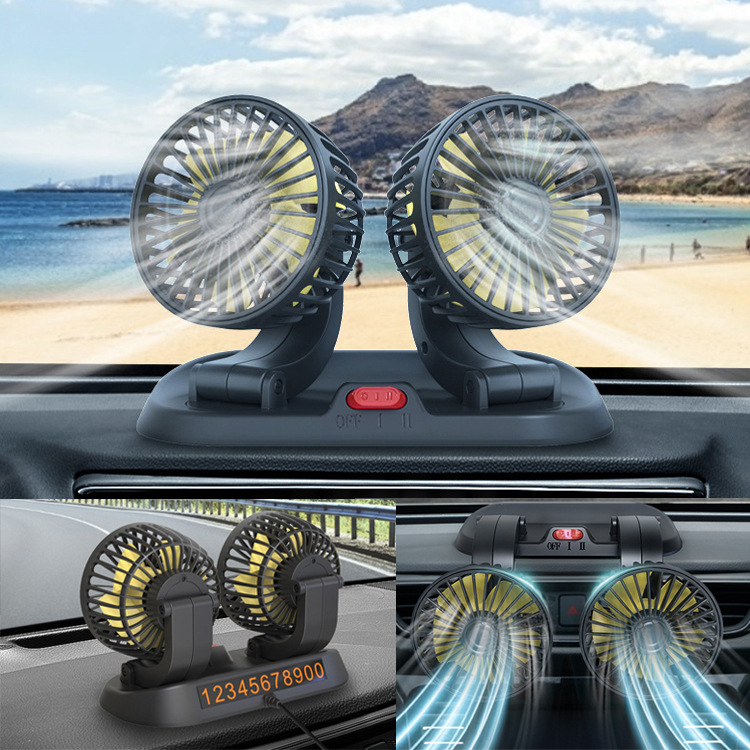
An electric fan automotive is a device powered by electricity, typically installed within vehicles to facilitate cooling. These fans serve multiple purposes, from aiding engine cooling systems to providing cabin climate control. Unlike traditional belt-driven fans that rely on the engine’s mechanical power, electric fans operate independently, offering more efficient and controlled cooling solutions.
How Do Electric Fan Automotive Systems Work?
Electric fans function by drawing air across the vehicle’s radiator or condenser, promoting heat dissipation. Controlled by thermostatic switches or electronic control units, these fans activate when specific temperature thresholds are reached. This on-demand operation ensures that the cooling system remains efficient, reducing unnecessary energy consumption and wear on the vehicle’s components.

Benefits of Electric Fan Automotive
Improved Cooling Efficiency
Electric fans provide targeted cooling, ensuring that critical components like the engine and transmission maintain optimal operating temperatures. This is particularly beneficial in stop-and-go traffic or when the vehicle is idling, scenarios where traditional cooling systems may struggle to perform effectively.
Enhanced Fuel Economy
By reducing the workload on the engine and minimizing parasitic power losses associated with belt-driven fans, electric fans contribute to improved fuel efficiency. This translates to cost savings for vehicle owners and reduced environmental impact.
Versatile Applications
Electric fans are suitable for various automotive applications, including but not limited to, engine cooling, transmission cooling, and climate control within the passenger compartment. Their adaptability makes them valuable additions to both standard and modified vehicles.
Types of Electric Fan Automotive
Radiator Cooling Fans
Designed specifically to enhance radiator efficiency, these fans mount directly behind the radiator and activate when the engine coolant reaches certain temperatures. They are vital for preventing overheating and ensuring sustained engine performance.
Transmission Cooling Fans
Transmissions generate significant heat, especially under heavy loads or during prolonged use. Electric transmission cooling fans help dissipate this heat, prolonging the life of the transmission and maintaining smooth shifting performance.
Cabin Air Conditioning Fans
For vehicles with climate control systems, electric fans play a crucial role in circulating cooled air throughout the cabin. These fans work in conjunction with the air conditioning system to maintain a comfortable interior environment.
Factors to Consider When Choosing Electric Fan Automotive
Cooling Capacity and Airflow
Selecting a fan with the appropriate airflow rating is essential. It should match the cooling requirements of your vehicle’s specific components. Higher airflow volumes are typically needed for high-performance engines or vehicles operating in extreme conditions.
Voltage and Power Requirements
Electric fans are available in various voltage configurations, commonly 12V and 24V, to suit different vehicle electrical systems. Ensuring compatibility with your vehicle’s electrical setup prevents potential damage to both the fan and the vehicle’s electronics.
Size and Mounting Options
The physical dimensions of the fan must align with the available space within your vehicle. Additionally, considering mounting options like push-on, pull-on, or custom mounts can simplify installation and ensure a secure fit.
Installation and Maintenance of Electric Fan Automotive
Installation Process
Installing an electric fan typically involves mounting the fan in the designated location, connecting it to the vehicle’s electrical system via appropriate wiring, and ensuring proper integration with temperature sensors or control units. Following the manufacturer’s guidelines is crucial to achieving optimal performance.
Maintenance Tips
Regular maintenance of electric fans includes cleaning the fan blades and surrounding areas to prevent debris buildup, checking electrical connections for corrosion or damage, and testing the fan’s operation periodically. These practices help extend the fan’s lifespan and maintain its efficiency.
Advanced Electric Fan Automotive Technologies
Thermostatically Controlled Fans
These fans utilize thermostatic switches to activate based on temperature readings. They provide automatic on-demand cooling, ensuring that the fan operates only when necessary, which conserves energy and reduces wear.
Electric Fan Controllers
Modern electric fan controllers offer programmable settings, allowing users to customize fan activation temperatures and speeds. This level of customization enhances cooling efficiency and adapts to different driving conditions and vehicle modifications.
Integration with Vehicle Diagnostics
Some advanced electric fan systems integrate with vehicle diagnostic systems, providing real-time monitoring of cooling performance and alerting drivers to potential issues before they escalate.
Cost Considerations and ROI Analysis
Initial Investment vs. Long-Term Savings
While electric fans may require an initial investment, their contribution to improved fuel efficiency and reduced component wear can lead to significant long-term savings. Over time, these savings can offset the initial cost and provide a positive return on investment.
Value Addition to Vehicle Resale
Vehicles equipped with high-quality electric fan systems often command higher resale values. Buyers recognize the benefits of enhanced cooling systems, viewing them as desirable features that improve vehicle reliability and performance.
Future Trends in Electric Fan Automotive Technology
Smart Cooling Systems
The integration of artificial intelligence and machine learning into electric fan systems is paving the way for smarter cooling solutions. These systems can predict cooling needs based on driving patterns, weather conditions, and vehicle load, optimizing fan operation proactively.
Eco-Friendly Materials and Energy Sources
As sustainability becomes a priority, manufacturers are exploring eco-friendly materials for fan construction and alternative energy sources like solar power to further reduce the environmental footprint of electric fans.
Conclusion
Electric fan automotive solutions represent a significant advancement in vehicle cooling technology. They offer improved efficiency, versatility, and numerous benefits that enhance both vehicle performance and driver comfort. By understanding the different types of electric fans available, considering key factors during selection, and adhering to proper installation and maintenance practices, vehicle owners can maximize the advantages these systems provide. As technology continues to evolve, electric fans will likely become even more sophisticated, delivering greater value to the automotive community.
How to Purchase:https://looperbuy.com/search?keywords=electric+fan+automotive
Q&A
What are the primary applications for electric fan automotive systems?
Electric fan automotive systems serve multiple applications, including engine cooling, transmission cooling, and cabin climate control. They help maintain optimal temperatures for critical components, prevent overheating, and ensure a comfortable driving experience by supporting air conditioning systems.
How do electric fans compare to traditional belt-driven fans in terms of efficiency?
Electric fans generally offer superior efficiency compared to belt-driven fans. They operate independently of the engine’s mechanical power, reducing parasitic power losses. Electric fans activate only when needed, based on temperature sensors, which conserves energy and provides more targeted cooling.
Can electric fan automotive systems be installed in any vehicle?
Electric fan automotive systems can be installed in most vehicles, but compatibility depends on factors like the vehicle’s electrical system voltage, available mounting space, and cooling requirements. It’s essential to select a fan suitable for your specific vehicle model and application.
What is the typical lifespan of an electric fan automotive?
The lifespan of an electric fan automotive can vary based on usage, maintenance, and environmental factors. With proper care, including regular cleaning and inspections, many electric fans can last for several years, often exceeding the typical ownership period of a vehicle.
Are there any potential drawbacks to using electric fan automotive systems?
While electric fan automotive systems offer numerous benefits, potential drawbacks may include the initial installation cost and the need for proper electrical integration. Additionally, in rare cases, electrical issues within the vehicle could affect fan performance, highlighting the importance of professional installation and regular maintenance.