Table of Contents
The Historical Journey of Pet Collars
Pet collars have a rich history that spans across various civilizations and time periods. From ancient Mesopotamia to modern times, these accessories have evolved in design and purpose, reflecting the changing roles of pets in human society.
Ancient Beginnings
The earliest pet collars can be traced back to ancient Mesopotamia, where simple cords were used to restrain dogs. As civilizations advanced, so did the complexity of these collars. The Sumerians and Assyrians used collars made of cloth or leather, which were attached to leashes or sticks for better control of their dogs. These collars were not only functional but also symbolic, representing the dog’s role in society and its association with deities like Gula, the goddess of healing, and Inanna/Ishtar, the goddess of love and war.
Roman and Greek Innovations
The Romans inherited and further developed the concept of dog collars. They used various types of collars, from simple leather bands to spiked and choke-chain collars. The Romans also introduced the use of gold collars, believed to calm dogs and prevent unnecessary barking. The Maltese breed, favored by upper-class Roman women, wore delicate collars often adorned with bells, while fighting dogs and military breeds wore thick leather or metal collars.
Cultural Significance in Mesoamerica and Asia
In Mesoamerica, the Maya, Aztecs, and Tarascans raised dogs for multiple purposes, including food, protection, and as spirit animals. Dog collars in these cultures varied by the owner’s social class, with more ornate collars belonging to noble dogs. The Aztecs held dogs in high regard, believing they predated humans and deserved respect. In ancient China and Japan, dog collars were often decorated with charms and bells to ward off evil spirits. Dogs were seen as spirit animals and protectors, guiding souls through the afterlife.
Modern Pet Collar Types and Their Uses
Today, pet collars come in a wide variety of types, each designed to meet specific needs and purposes.
Everyday Collars
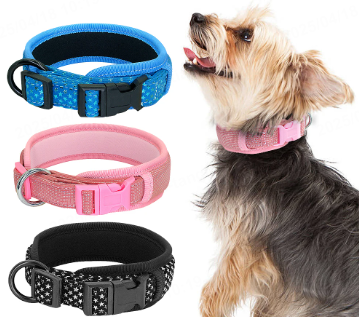
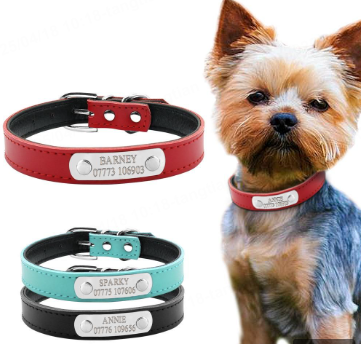
These are the most common type of pet collars, typically made of leather, nylon, or polypropylene webbing. They feature a buckle for adjustment and a D-ring for attaching a leash and identification tags. Everyday collars are versatile and suitable for most pets.
Training Collars
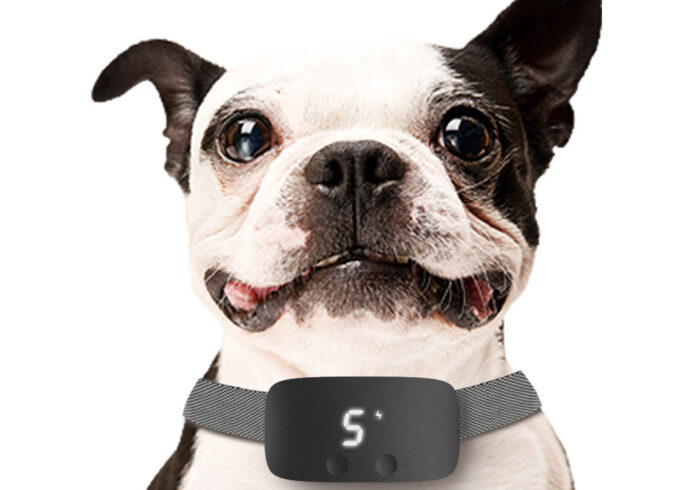
Training collars are designed to aid in obedience training. Examples include slip collars, pinch or prong collars, martingale collars, and electronic collars. It’s important to use these collars humanely and under the guidance of a professional trainer.
Specialized Collars
- Flea and Tick Collars: These collars release active ingredients that protect pets from external parasites.
- Calming Collars: Filled with dried herbs, these collars provide a soothing aroma to help anxious pets.
- Reflective Collars: Ideal for pets that go out at night, these collars enhance visibility and safety.
- Recovery Collars: Designed for pets recovering from surgery or injuries, these collars come in soft fabric or inflatable styles.
Choosing the Right Collar for Your Pet
Selecting the appropriate collar depends on your pet’s breed, size, age, and lifestyle.
Considerations for Different Pets
- Small Dogs: May require smaller, lighter collars with adjustable fittings.
- Large Dogs: Need wider, more durable collars that can withstand pulling.
- Cats: Should wear breakaway collars with elastic bands for safety.
Material Options
- Leather: Durable and comfortable but may require more maintenance.
- Nylon: Affordable and easy to clean, suitable for growing puppies.
- Neoprene: Resistant to dirt and debris, ideal for dogs with long hair that mats easily.
Caring for Your Pet’s Collar
Proper care ensures your pet’s collar remains functional and hygienic.
Cleaning Techniques
- Leather Collars: Use a baking soda and vinegar solution with a toothbrush for spot cleaning.
- Nylon and Neoprene Collars: Wash with warm water and mild soap.
- Reflective and Electronic Collars: Follow manufacturer instructions for cleaning.
Storage Tips
Store collars in a dry place away from direct sunlight. Keep them organized to prevent tangling and damage.
Conclusion
Pet collars have evolved from simple restraints to sophisticated accessories that serve multiple purposes. Understanding the history, types, and proper care of pet collars helps pet owners make informed choices that enhance their pet’s comfort, safety, and well-being.
How to Purchase:https://looperbuy.com/search?keywords=pet+collar
Frequently Asked Questions
Q: What is the primary purpose of a pet collar?
A: The primary purposes of a pet collar are identification, restraint, training, and protection. Collars allow pets to carry identification tags, provide a means to attach leashes, and can include features like flea prevention or calming properties.
Q: Are all pet collars suitable for every type of pet?
A: No, different pets have different needs. For example, cats should wear breakaway collars for safety, while large dogs may require wider, more durable collars. It’s important to choose a collar based on your pet’s specific requirements.
Q: How often should I replace my pet’s collar?
A: Replace your pet’s collar when it shows signs of wear and tear, or if it no longer fits properly. For growing pets, you may need to replace collars more frequently.
Q: Can I use a training collar as an everyday collar?
A: Training collars are designed for specific training purposes and should not be used as everyday collars. They should be associated with positive training experiences only.
Q: Are electronic collars safe for pets?
A: Electronic collars can be safe when used properly and for their intended purpose. Always follow manufacturer guidelines and consider positive reinforcement methods alongside or instead of electronic stimulation.