Table of Contents
Introduction
When searching for toys that combine fun, physical activity, and developmental benefits, children’s riding horse toys stand out as a timeless choice. From classic wooden horses to modern electronic models, these toys have evolved while maintaining their appeal across generations. In this comprehensive guide, we’ll explore everything parents and gift-givers need to know about selecting, using, and enjoying the best riding horse toys available in 2024.
Why Children’s Riding Horse Toys Are a Perfect Gift
Developmental Benefits
Riding horse toys offer numerous advantages beyond simple entertainment. As children pretend to ride and care for their horse, they develop important motor skills, balance, and coordination. The rhythmic motion of rocking horses, for example, helps improve core strength and posture. Additionally, these toys encourage imaginative play, fostering creativity and cognitive development as children create stories and scenarios.
Emotional and Social Growth
The bond children form with their riding horse toy extends beyond physical play. This special companion often becomes a character in their imaginative narratives, helping children explore emotions and social roles. Through pretend play, kids practice empathy by caring for their horse, learn responsibility through pretend feeding and grooming, and develop problem-solving skills as they navigate their play scenarios.
Timeless Appeal and Nostalgia
Riding horse toys hold a special place in many adults’ memories, making them wonderful generational gifts. Grandparents often delight in gifting these toys, knowing they’re sharing a piece of their own childhood while creating new memories for the next generation. This nostalgic connection adds emotional value to what’s already a highly engaging toy.
How to Choose the Right Riding Horse Toy
Age Appropriateness
Selecting a riding horse toy that matches your child’s developmental stage is crucial. For toddlers (1-3 years), stable rocking horses with sturdy bases and smooth edges are ideal. Preschoolers (3-5 years) may enjoy more interactive features like sounds or movable parts. School-aged children (6+) can handle larger models with additional accessories or electronic features.
Safety Features to Prioritize
Safety should always be your top consideration. Look for toys with non-toxic paints and materials, especially for younger children who may mouth parts of the toy. Ensure there are no small, detachable pieces that could pose choking hazards. The toy should have a stable base to prevent tipping and rounded edges to minimize injury risks during play.
Material and Durability
Wooden riding horses offer classic charm and exceptional durability, often becoming heirlooms passed between siblings. Plastic models tend to be lighter and sometimes more affordable, though they may not last as long. Fabric-covered options provide softness for younger children but require careful cleaning. Consider how the material aligns with your child’s play style and the space where the toy will reside.
Top Riding Horse Toy Types to Consider
Traditional Rocking Horses
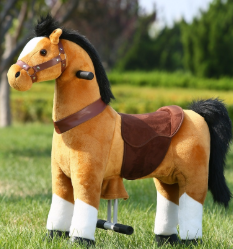
These iconic toys have delighted children for centuries. Modern versions often include safety improvements like weighted bases and softer rocking mechanisms. Many feature detailed designs with movable heads, tails, and decorative elements that enhance imaginative play.
Battery-Powered Walking Horses
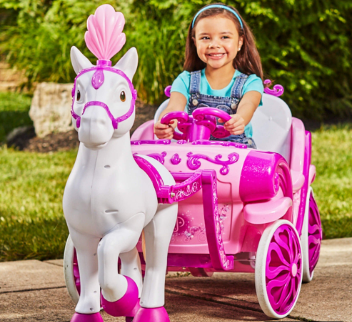
For children who dream of real horseback riding, battery-powered walking horses offer an exciting experience. These toys typically feature sounds, lights, and gentle motions that simulate trotting. Some advanced models even include adjustable speed settings and safety harnesses for parent-controlled adventures.
Foldable and Portable Options
Busy families appreciate riding horse toys that store easily. Foldable designs allow the toy to transform from play mode to compact storage, perfect for small living spaces. Lightweight portable models enable children to take their equine companion on sleepovers or vacations, extending the toy’s usability.
Creating the Ideal Play Environment
Space Requirements
Riding horse toys need adequate space for safe play. Rocking horses require clearance for their motion, while walking models need open areas free of obstacles. Consider designating a specific play zone and ensuring it’s free of furniture, toys, or cords that might lead to accidents during enthusiastic riding sessions.
Accessories to Enhance Play
Adding accessories can significantly extend the play value of your child’s riding horse. Consider sets that include saddles, bridles, and pretend grooming kits. Some toys offer interchangeable parts like different colored manes or customizable decorations, allowing children to personalize their equine partner.
Supervision and Guidance
While riding horse toys are generally safe, adult supervision is recommended, especially for younger children. Teach proper mounting and dismounting techniques, and demonstrate how to care for the toy. This guidance helps prevent accidents and reinforces positive play habits.
Maintaining Your Child’s Riding Horse Toy
Regular Cleaning Routine
To keep the toy hygienic, establish a simple cleaning schedule. Wipe down wooden and plastic surfaces with mild soap and a damp cloth. Fabric elements may require spot cleaning or following manufacturer instructions for washing. Regular cleaning also helps maintain the toy’s appearance, keeping it visually appealing for continued play.
Repairing and Refreshing
Over time, toys may show wear. Small chips or scratches on wooden models can be sanded and repainted. Loose parts on mechanical models often simply need tightening. Addressing minor issues promptly extends the toy’s lifespan and ensures it remains safe for play.
Storing Accessories
Keep small parts organized in labeled containers to prevent loss. Some toy sets include dedicated storage compartments for accessories, making tidy-up time easier and ensuring all pieces are ready for the next adventure.
Conclusion
Children’s riding horse toys represent an exceptional investment in playtime joy, physical development, and imaginative exploration. By considering your child’s age, prioritizing safety, and selecting a toy that matches your available space, you can provide a gift that delivers years of fun. Whether choosing a timeless wooden classic, a high-tech electronic model, or a space-saving foldable design, these toys continue to capture children’s hearts while meeting parents’ practical needs. With proper care and supervision, your child’s riding horse can become a beloved companion that creates memories lasting well into adulthood.
How to Purchase:https://looperbuy.com/search?keywords=children%27s+riding+horse+toy
Q&A
Q: Are riding horse toys suitable for toddlers?
A: Yes, many riding horse toys are designed specifically for toddlers. Look for stable rocking models with smooth edges and non-toxic materials. These toys help develop early motor skills while providing safe, enjoyable play.
Q: Do battery-powered walking horses require adult assembly?
A: Most battery-powered walking horses come with some assembly required, typically attaching the legs and installing batteries. Always follow manufacturer instructions and perform a thorough safety check before allowing your child to play.
Q: Can riding horse toys help with sensory processing?
A: Absolutely. The varied textures, motions, and sounds associated with riding horse toys provide rich sensory experiences. For children with sensory processing needs, these toys can offer therapeutic benefits when selected with their specific sensitivities in mind.
Q: How much space does a typical rocking horse need?
A: A standard rocking horse requires approximately 3-4 feet of clearance in all directions to accommodate its rocking motion safely. Ensure the play area is free of furniture or toys that might interfere with safe play.
Q: Are there eco-friendly riding horse toy options?
A: Yes, several brands offer sustainable wooden riding horses made from responsibly sourced materials. Look for certifications like FSC (Forest Stewardship Council) and non-toxic, plant-based finishes to ensure your toy choice aligns with environmental values.