Tempered glass has become an essential accessory for mobile devices, offering superior protection against scratches and impacts. While purchasing tempered glass screen protectors is common, understanding how they are made can provide insights into their quality and functionality. In this article, we will explore the process of making mobile tempered glass, discuss its benefits, and provide a step-by-step guide on how to apply it at home.
Table of Contents
Introduction to Tempered Glass
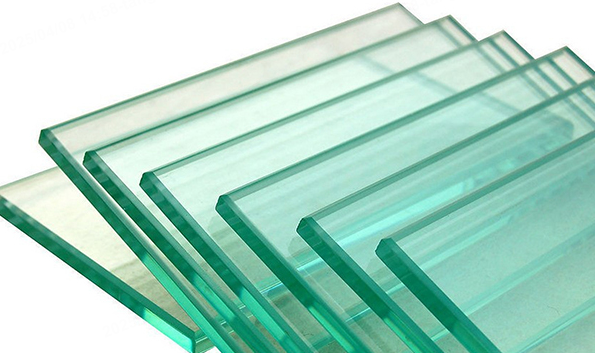
Tempered glass, also known as toughened glass, is processed to increase its strength compared to regular glass. This process involves heating the glass to a high temperature and then rapidly cooling it, which compresses the outer surfaces and creates a strong, durable material. Tempered glass is widely used in mobile screen protectors due to its excellent scratch resistance and impact protection.
Benefits of Tempered Glass
- Superior Scratch Resistance: Tempered glass is significantly more resistant to scratches than plastic screen protectors, making it ideal for daily use.
- Enhanced Impact Protection: It acts as a shield, absorbing the impact of drops and reducing the risk of screen damage.
- Prevents Glass-Related Injuries: When tempered glass breaks, it shatters into small, dull fragments rather than sharp shards, minimizing the risk of injury.
The Manufacturing Process of Tempered Glass
The manufacturing process of tempered glass involves several stages, from cutting and grinding to tempering and inspection.
Cutting and Grinding
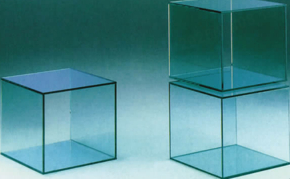
- Cutting: The glass is cut to the desired size using specialized machines.
- Grinding: The edges are ground to remove any sharp points and ensure smoothness.
Tempering
- Heating: The glass is heated to a high temperature in a furnace.
- Quenching: It is then rapidly cooled using a process called quenching, which compresses the outer surfaces and increases strength.
Inspection and Packaging
- Inspection: The tempered glass is inspected for any defects or imperfections.
- Packaging: It is then packaged and shipped to manufacturers for use in screen protectors.
Applying Tempered Glass at Home
Applying tempered glass at home is a straightforward process that can save time and money compared to professional installation.
Preparation
- Clean Environment: Find a clean, well-lit area to apply the tempered glass.
- Gather Supplies: You will need the tempered glass screen protector, a microfiber cloth, and possibly a dust removal sticker.
Cleaning the Screen
- Power Off Your Phone: Ensure your phone is turned off or locked to prevent accidental touches.
- Remove Existing Protectors: Take off any existing screen protectors.
- Clean the Screen: Use a microfiber cloth to wipe down the screen, removing dust and fingerprints.
Applying the Tempered Glass
- Align the Glass: Position the tempered glass above your phone, aligning it with the edges and ports.
- Peel and Apply: Peel back a small portion of the adhesive backing and slowly lower the glass onto the screen.
- Remove Bubbles: Use a microfiber cloth or a credit card wrapped in cloth to push out any air bubbles.
Tips for a Successful Application
- Use a Steady Hand: Hold the tempered glass by its edges to avoid touching the adhesive side.
- Align Carefully: Ensure accurate alignment with your phone’s features like the camera and speakers.
- Remove Bubbles: Gently push bubbles towards the edges of the screen.
Conclusion
In conclusion, making mobile tempered glass involves a complex manufacturing process that enhances its strength and durability. Applying tempered glass at home is a cost-effective and straightforward process that can provide superior protection for your mobile device. By understanding how tempered glass is made and how to apply it correctly, you can ensure your phone’s screen remains safe and secure.
How to Purchase:https://looperbuy.com/search?keywords=how+to+make+mobile+tempered+glass
Frequently Asked Questions
- What are the benefits of using tempered glass for mobile devices?
- Tempered glass offers superior scratch resistance, enhanced impact protection, and prevents glass-related injuries by breaking into dull fragments.
- How is tempered glass manufactured?
- Tempered glass is manufactured through a process of cutting, grinding, heating, and rapid cooling (quenching), which increases its strength.
- What supplies are needed to apply tempered glass at home?
- You will need the tempered glass screen protector, a microfiber cloth, a dust removal sticker (if provided), and possibly masking tape.
- How do I ensure a bubble-free application of tempered glass?
- Use a microfiber cloth or a credit card wrapped in cloth to gently push air bubbles towards the edges of the screen.
- Why is it important to clean the screen before applying tempered glass?
- Cleaning the screen ensures that dust and fingerprints do not get trapped under the tempered glass, which can cause bubbles or imperfections.