The retail home textiles industry is experiencing significant growth, driven by various factors such as increasing demand for home furnishings, advancements in technology, and a shift towards sustainable products. This article explores the current trends, challenges, and future outlook of the retail home textiles market.
Table of Contents
Introduction to Retail Home Textiles
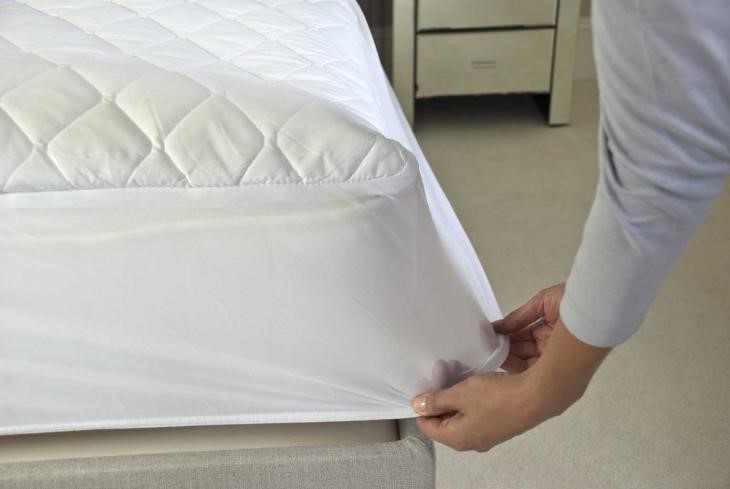
Retail home textiles encompass a wide range of products designed for modern homes, including bed linens, bath linens, kitchen linens, upholstery, and floor coverings. These textiles are essential for interior design and house decoration, catering to the tastes of affluent consumers and the real estate industry. The market includes specialty stores, organized retail, importers, exporters, and third-party sellers, offering a diverse array of materials such as cotton, wool, acrylic, polyester, nylon-based blends, and recycled materials.
Market Trends
Growing Demand for Sustainable Products
One of the key trends in the retail home textiles market is the increasing demand for eco-friendly and sustainable products. Consumers are becoming more environmentally conscious, seeking out products made from sustainable materials that are manufactured in an environmentally responsible manner. This trend is driving companies to focus on producing sustainable home textiles, such as bedding, towels, and curtains made from organic cotton and recycled materials.
Rise of E-commerce
The rise of e-commerce has significantly impacted the retail home textiles market. Online platforms provide consumers with a wide range of products from both domestic and international brands, allowing them to compare prices, read reviews, and access exclusive deals. This convenience and accessibility have made online shopping a preferred choice for many consumers, contributing to the rapid growth of the online segment.
Technological Innovations
Technological innovations, such as digital printing and customization, are also driving market growth. These advancements enable manufacturers to produce unique and personalized home textiles, catering to individual consumer preferences. Additionally, smart home textiles with multifunctional features are gaining popularity, further enhancing the market’s appeal.
Market Challenges
Despite the growth opportunities, the retail home textiles market faces several challenges. Rising raw material costs, particularly for cotton and silk, have increased production expenses for manufacturers. These costs are often passed on to consumers, leading to higher prices for home textile products. This can limit consumer purchases and impact market growth.
Another challenge is the fluctuation in raw material prices due to factors like unusual weather conditions. This instability can affect the overall stability of the market, making it difficult for manufacturers to predict and manage costs effectively.
Market Segmentation
The retail home textiles market is segmented by distribution channel, product, and geography.
Distribution Channels
The market is divided into offline and online distribution channels. Offline channels, such as specialty stores and department stores, remain dominant due to their ability to provide a tangible shopping experience. However, the online segment is expected to grow faster, driven by the convenience and accessibility it offers.
Product Segmentation
The market includes various product categories, such as bed linens, carpets and rugs, upholstery, and others. Bed linens, including bedspreads, blankets, and pillows, are particularly popular due to their essential role in home furnishings.
Geographical Segmentation
Geographically, the market is segmented into regions like APAC, North America, Europe, the Middle East and Africa, and South America. Each region presents unique opportunities and challenges, influenced by local consumer preferences and economic conditions.
Future Outlook
The future of the retail home textiles market looks promising, with significant growth expected over the next few years. The market is anticipated to benefit from increasing home ownership and renovation activities, as well as the growing demand for stylish and functional home textile products.
Technological advancements and the integration of AI will continue to play a crucial role in shaping market trends. AI-driven innovations are expected to enhance product customization, improve supply chain efficiency, and provide personalized customer experiences, further driving market growth.
Conclusion
In conclusion, the retail home textiles market is experiencing significant growth driven by trends such as sustainability, technological innovations, and the rise of e-commerce. While challenges like raw material costs and price fluctuations exist, the market’s future outlook remains positive. As consumers continue to seek high-quality, eco-friendly products, companies must adapt their strategies to meet these evolving demands.
How to purchase:https://looperbuy.com/search?keywords=retail+home+textiles
Frequently Asked Questions
What are the key drivers of growth in the retail home textiles market?
The key drivers include increasing demand for sustainable products, advancements in technology, and the rise of e-commerce.
How is the retail home textiles market segmented?
The market is segmented by distribution channel (offline and online), product (bed linens, carpets and rugs, upholstery, etc.), and geography (APAC, North America, Europe, etc.).
What challenges does the retail home textiles market face?
The market faces challenges such as rising raw material costs and fluctuations in these costs due to factors like weather conditions.
What role does sustainability play in the retail home textiles market?
Sustainability plays a significant role as consumers increasingly seek eco-friendly and sustainable products, driving companies to focus on environmentally responsible manufacturing practices.
How is technology impacting the retail home textiles market?
Technology is impacting the market through innovations like digital printing, customization, and the integration of AI to enhance product offerings and customer experiences.