Table of Contents
Introduction
In recent years, environmental issues have gained significant attention, particularly the impact of plastic waste on our ecosystems. One viral video that has captured the public’s imagination is the Jamaica raft video, which humorously highlights the use of plastic bags while raising awareness about their detrimental effects on the environment. This article explores the context of the video, its implications for environmental awareness, and the broader conversation surrounding plastic waste in Jamaica and beyond. By delving deeper into the themes presented in the video, we can better understand the urgency of addressing plastic pollution and the role of community engagement in fostering sustainable practices.
The Jamaica Raft Video: A Brief Overview
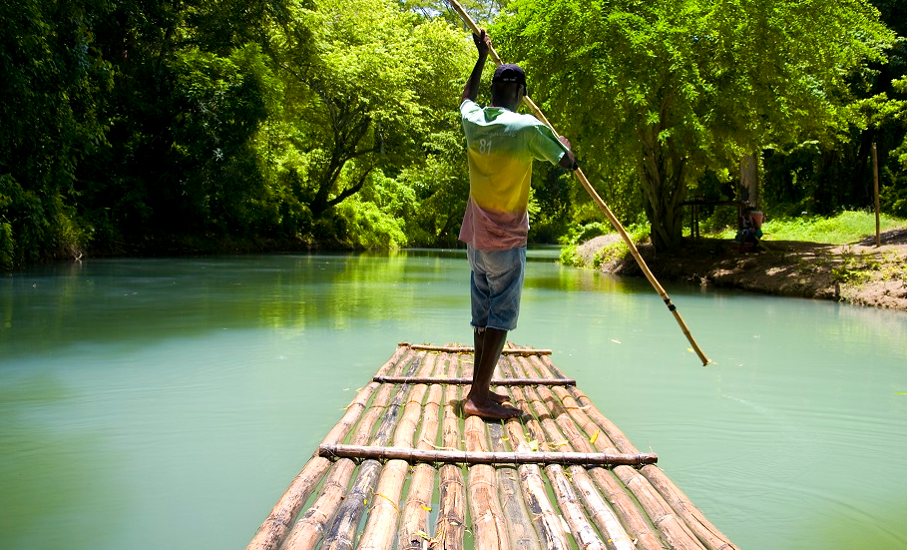
The Jamaica raft video features a light-hearted interaction between individuals on a bamboo raft navigating the serene waters of Jamaica. In the video, a woman humorously advises a man to use a plastic bag, which has sparked a wave of reactions online. While the video is entertaining, it serves a more profound purpose: to draw attention to the pervasive issue of plastic pollution. The humor embedded in the video allows it to transcend cultural barriers, making it relatable to a global audience. This relatability is crucial in fostering a collective response to environmental challenges.
The Setting
Jamaica, known for its stunning landscapes and vibrant culture, is also facing significant environmental challenges. The lush greenery and clear blue waters depicted in the video contrast sharply with the reality of plastic waste that often litters these beautiful environments. The juxtaposition serves as a powerful reminder of what is at stake if plastic pollution continues unchecked. The picturesque scenery of Jamaica, with its rich biodiversity, is threatened by the very materials that are meant to enhance convenience in our daily lives. This stark contrast invites viewers to reflect on their consumption habits and the impact of their choices on the environment.
The Impact of Plastic Waste
Environmental Consequences
Plastic bags are among the most common forms of plastic waste found in oceans and waterways. They pose a severe threat to marine life, as animals often mistake them for food. Ingesting plastic can lead to malnutrition, internal injuries, and even death for various species. Furthermore, plastic waste contributes to the degradation of natural habitats, affecting biodiversity and ecosystem health. The long-lasting nature of plastic means that it can persist in the environment for hundreds of years, breaking down into microplastics that infiltrate the food chain. This not only endangers wildlife but also poses risks to human health as these microplastics can eventually make their way into our own diets.
Social Awareness
The Jamaica raft video has become a catalyst for discussions about plastic waste, particularly in the Caribbean region. Social media platforms have amplified its reach, allowing viewers to engage with the content and share their thoughts. This viral moment has encouraged many to reflect on their consumption habits and the broader implications of plastic use. The discussions sparked by the video have led to increased awareness of the environmental policies in place and the need for stronger regulations to combat plastic pollution. As more people become aware of the issue, there is a growing demand for sustainable alternatives and practices that can help mitigate the impact of plastic waste.
The Role of Humor in Environmental Advocacy
Humor can be a powerful tool in raising awareness about serious issues. The Jamaica raft video employs a light-hearted approach to engage viewers, making the topic of plastic waste more accessible. By using humor, the video encourages viewers to think critically about their actions without feeling overwhelmed by the gravity of the situation. This approach not only entertains but also educates, making it easier for audiences to digest complex environmental issues. The ability to laugh at ourselves and our habits can foster a sense of camaraderie in the fight against plastic pollution, motivating individuals to take action.
Engaging the Audience
The comedic elements of the video resonate with a wide audience, making it shareable and relatable. This engagement is crucial for fostering a sense of community around environmental issues. When people can laugh and connect over a shared experience, they are more likely to take action and advocate for change. The viral nature of the video has sparked conversations not only in Jamaica but also globally, as viewers from different backgrounds share their own experiences with plastic waste. This collective engagement can lead to grassroots movements that push for policy changes and community initiatives aimed at reducing plastic consumption.
Community Initiatives and Responses
In response to the growing concern over plastic waste, various community initiatives have emerged in Jamaica. These programs aim to educate the public about the importance of reducing plastic consumption and promoting sustainable practices. Local organizations and environmental groups have taken the lead in organizing events and campaigns that encourage individuals to rethink their relationship with plastic.
The Vision 2030 Campaign
One notable initiative is the Vision 2030 Jamaica campaign, which focuses on beating plastic pollution. This campaign seeks to raise awareness about the environmental challenges posed by plastic waste and encourages individuals and businesses to adopt more sustainable practices. Through educational programs and community engagement, the campaign aims to create a cleaner, healthier environment for future generations. By involving schools, businesses, and local communities, the campaign fosters a sense of ownership and responsibility towards the environment, empowering individuals to make informed choices about their consumption habits.
Local Clean-Up Efforts
Community clean-up events have also gained traction, with volunteers coming together to remove plastic waste from beaches and waterways. These efforts not only help to beautify the environment but also serve as a reminder of the collective responsibility to protect natural resources. Such initiatives often include educational components, where participants learn about the impact of plastic pollution and the importance of sustainable practices. By actively participating in clean-up efforts, individuals can see firsthand the effects of plastic waste and the positive changes that can result from community action.
The Global Context of Plastic Waste
While the Jamaica raft video highlights a local issue, plastic pollution is a global crisis that affects every corner of the planet. According to recent studies, millions of tons of plastic enter the oceans each year, leading to widespread environmental degradation. Countries around the world are grappling with the challenge of managing plastic waste and finding sustainable alternatives. The interconnectedness of our global economy means that plastic waste generated in one part of the world can have far-reaching consequences elsewhere, emphasizing the need for a coordinated global response.
International Responses
In response to the plastic crisis, many countries have implemented bans on single-use plastics, including plastic bags. These policies aim to reduce plastic consumption and encourage the use of reusable alternatives. However, enforcement and public compliance remain significant challenges. Countries that have successfully implemented such bans often see a shift in consumer behavior, with more individuals opting for sustainable alternatives. International cooperation is essential in addressing plastic pollution, as it requires a collective effort to develop and enforce policies that can effectively reduce plastic waste on a global scale.
The Future of Plastic Waste Management
Innovations in Sustainability
As awareness of plastic pollution grows, so does the demand for innovative solutions. Companies and researchers are exploring biodegradable materials, recycling technologies, and waste management strategies to address the plastic crisis. These innovations hold promise for reducing plastic waste and mitigating its impact on the environment. For instance, advancements in biodegradable plastics can provide alternatives that break down more quickly and do not contribute to long-term pollution. Additionally, improved recycling technologies can enhance the efficiency of recycling processes, making it easier to repurpose plastic waste into new products.
Individual Responsibility
While systemic change is essential, individual actions also play a crucial role in combating plastic pollution. Simple steps, such as using reusable bags, reducing plastic consumption, and participating in local clean-up efforts, can collectively make a significant difference. By adopting sustainable practices in our daily lives, we can contribute to a larger movement aimed at reducing plastic waste. Education and awareness are key components in fostering a culture of sustainability, encouraging individuals to take responsibility for their environmental impact.
Conclusion
The Jamaica raft video serves as a poignant reminder of the impact of plastic waste on our environment. Through humor and relatable content, it has sparked important conversations about sustainability and individual responsibility. As we move forward, it is crucial to continue raising awareness about plastic pollution and advocating for sustainable practices that protect our planet for future generations. The video not only entertains but also educates, inspiring viewers to take action and make a difference in their communities.
How to purchase:https://looperbuy.com/search?keywords=jamaica+raft+video+plastic+bag
Questions and Answers
1. What is the main message of the Jamaica raft video?
– The video humorously highlights the use of plastic bags while raising awareness about the environmental impact of plastic waste.
2. How does plastic waste affect marine life?
– Marine animals often mistake plastic for food, leading to malnutrition, internal injuries, and death. Plastic waste also degrades natural habitats, affecting biodiversity.
3. What initiatives are being taken in Jamaica to combat plastic pollution?
– Initiatives like the Vision 2030 campaign and local clean-up efforts aim to educate the public and promote sustainable practices to reduce plastic waste.
4. Why is humor effective in environmental advocacy?
– Humor makes serious topics more accessible and engaging, encouraging viewers to think critically about their actions without feeling overwhelmed.
5. What can individuals do to reduce plastic waste?
– Individuals can use reusable bags, reduce plastic consumption, and participate in community clean-up efforts to help combat plastic pollution.