In today’s world, businesses are increasingly aware of their environmental impact. One effective way to reduce this impact is by incorporating recycled office stationery into daily operations. This article explores how using recycled office stationery can significantly lower a business’s carbon footprint, enhance sustainability, and promote a greener workplace culture.
Table of Contents
Understanding Carbon Footprint
What is a Carbon Footprint?
A carbon footprint measures the total greenhouse gas emissions caused directly and indirectly by an individual, organization, event, or product. It is usually expressed in equivalent tons of carbon dioxide (CO2e). The larger the carbon footprint, the greater the impact on climate change. Understanding this concept is crucial for businesses aiming to implement effective sustainability strategies. By measuring their carbon footprint, organizations can identify key areas for improvement and track their progress over time.
Why is it Important to Reduce Carbon Footprint?
Reducing carbon footprints is crucial for mitigating climate change, conserving natural resources, and promoting a sustainable future. Businesses play a significant role in this effort, as they contribute substantially to global emissions through energy consumption, waste production, and resource use. By taking proactive steps to reduce their carbon footprints, companies not only contribute to environmental preservation but also enhance their reputation among consumers who increasingly prioritize sustainability in their purchasing decisions.
The Role of Office Stationery in Carbon Emissions
Traditional Office Supplies and Their Impact
Traditional office supplies, such as paper, pens, and folders, often come from virgin materials, which require significant energy and resources to produce. The manufacturing process involves deforestation, water consumption, and fossil fuel use, all contributing to a higher carbon footprint. For instance, producing a single ton of paper can result in the emission of several tons of CO2, highlighting the environmental cost of conventional office supplies. As businesses strive to become more eco-friendly, understanding the impact of their supply choices is essential.
The Benefits of Recycled Office Stationery
Recycled office stationery is made from materials that have already been used and processed. This approach offers several environmental benefits:
1. Reduced Resource Consumption: Manufacturing recycled products typically requires less energy and fewer raw materials than producing new items from virgin resources. For example, recycled paper uses about 60% less energy than new paper production, significantly lowering the overall environmental impact.
2. Lower Emissions: The production of recycled materials generates fewer greenhouse gases, significantly reducing overall emissions. This reduction is crucial in the fight against climate change, as every small step contributes to a larger collective effort.
3. Waste Reduction: Using recycled products helps divert waste from landfills, where it would otherwise decompose and release methane, a potent greenhouse gas. By choosing recycled office stationery, businesses can play a vital role in waste management and resource conservation.
Types of Recycled Office Stationery
Recycled Paper Products
Recycled paper is one of the most common types of recycled office stationery. It is produced from post-consumer waste, such as old newspapers and office paper. By choosing recycled paper, businesses can save trees, reduce water usage, and lower energy consumption. Additionally, recycled paper often meets the same quality standards as virgin paper, making it a practical choice for everyday use.
Recycled Writing Instruments
Many companies now offer pens and pencils made from recycled plastics or other materials. These products not only reduce waste but also promote a circular economy by reusing materials that would otherwise contribute to pollution. For instance, some brands create pens from discarded ocean plastics, turning waste into functional office supplies. This innovative approach not only helps the environment but also raises awareness about plastic pollution.
Recycled Folders and Binders
Folders and binders made from recycled materials are widely available. These products help businesses maintain organization while supporting sustainability efforts. Using recycled folders and binders can also enhance the overall aesthetic of an office, as many manufacturers offer stylish designs that appeal to modern sensibilities.
Recycled Notebooks and Pads
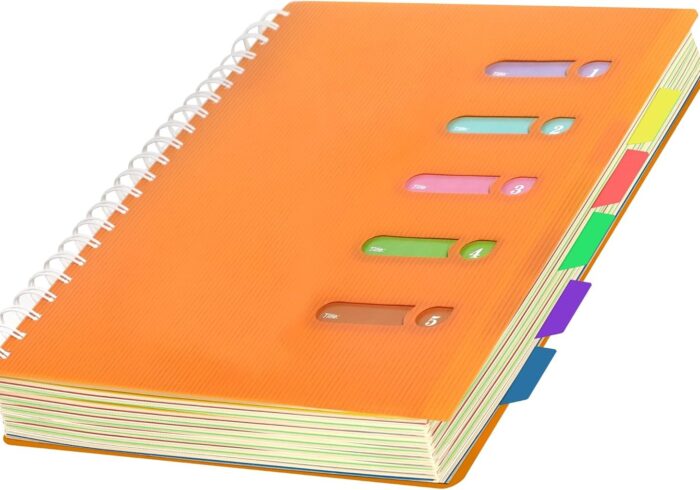
Notebooks made from recycled paper are an excellent choice for businesses looking to reduce their environmental impact. They provide the same functionality as traditional notebooks while being more eco-friendly. Furthermore, many recycled notebooks come with features like biodegradable covers and soy-based inks, further minimizing their environmental footprint.
Implementing Recycled Office Stationery in Your Business
Assessing Your Current Usage
The first step in transitioning to recycled office stationery is to assess your current usage. Identify the types of stationery your business uses most frequently and determine which items can be replaced with recycled alternatives. This assessment can involve conducting surveys or audits to understand employee preferences and usage patterns, ensuring that the transition is both practical and effective.
Setting Sustainability Goals
Establish clear sustainability goals for your business. This could include a target percentage of recycled products to be used within a specific timeframe. Setting measurable goals helps track progress and encourages accountability. For example, a company might aim to use 50% recycled stationery within the next year, providing a clear benchmark for success.
Educating Employees
Educate your employees about the benefits of using recycled office stationery. Provide training sessions or informational materials to raise awareness about the importance of sustainability and how their choices can make a difference. Engaging employees in sustainability initiatives fosters a sense of ownership and responsibility, encouraging them to adopt eco-friendly practices both at work and in their personal lives.
Partnering with Eco-Friendly Suppliers
Choose suppliers that prioritize sustainability and offer a range of recycled office products. Building relationships with eco-friendly suppliers ensures that your business has access to high-quality recycled stationery. Additionally, many suppliers provide resources and support to help businesses implement sustainable practices effectively.
Monitoring and Reporting
Regularly monitor your usage of recycled office stationery and report on your progress towards sustainability goals. This transparency can motivate employees and demonstrate your commitment to reducing your carbon footprint. Sharing success stories and milestones can inspire further engagement and encourage a culture of sustainability within the organization.
The Broader Impact of Using Recycled Office Stationery
Supporting a Circular Economy
By using recycled office stationery, businesses contribute to a circular economy, where materials are reused and recycled rather than discarded. This approach reduces the demand for new resources and minimizes waste. Supporting a circular economy not only benefits the environment but also creates economic opportunities in recycling and sustainable manufacturing sectors.
Enhancing Brand Image
Incorporating recycled products into your business operations can enhance your brand image. Consumers are increasingly drawn to companies that demonstrate a commitment to sustainability, which can lead to increased customer loyalty and sales. A strong sustainability profile can differentiate a business in a competitive market, attracting environmentally conscious consumers.
Compliance with Regulations
Many regions are implementing stricter environmental regulations. By adopting recycled office stationery, businesses can ensure compliance with these regulations and avoid potential penalties. Staying ahead of regulatory changes not only protects a business from legal issues but also positions it as a leader in corporate responsibility.
Conclusion
Incorporating recycled office stationery into your business operations is a practical and effective way to reduce your carbon footprint. By choosing recycled products, businesses can conserve resources, lower emissions, and promote a sustainable workplace culture. As more companies recognize the importance of environmental responsibility, the shift towards recycled office stationery will play a crucial role in creating a greener future. Embracing this change not only benefits the planet but also enhances the overall well-being of employees and the community.
How to purchase:https://looperbuy.com/search?keywords=recycled+office+stationery
Frequently Asked Questions
1. What types of recycled office stationery are available?
Recycled office stationery includes products such as recycled paper, writing instruments, folders, binders, and notebooks made from post-consumer waste. These products are designed to meet the same quality standards as traditional office supplies while being more environmentally friendly.
2. How does using recycled stationery reduce carbon emissions?
Using recycled stationery requires less energy and fewer raw materials than producing new items from virgin resources, leading to lower greenhouse gas emissions. This reduction is essential in the fight against climate change, as every small step contributes to a larger collective effort.
3. Can recycled office stationery be as high quality as traditional products?
Yes, many recycled office stationery products are designed to meet or exceed the quality of traditional products, ensuring functionality and performance. Advances in recycling technology have improved the quality of recycled materials, making them a viable alternative for businesses.
4. How can businesses encourage employees to use recycled stationery?
Businesses can educate employees about the benefits of recycled stationery, set sustainability goals, and provide easy access to recycled products in the workplace. Engaging employees in sustainability initiatives fosters a sense of ownership and responsibility, encouraging them to adopt eco-friendly practices.
5. What are the long-term benefits of using recycled office stationery?
Long-term benefits include reduced environmental impact, enhanced brand reputation, compliance with regulations, and support for a circular economy. By committing to sustainable practices, businesses can contribute to a healthier planet while also benefiting economically and socially.