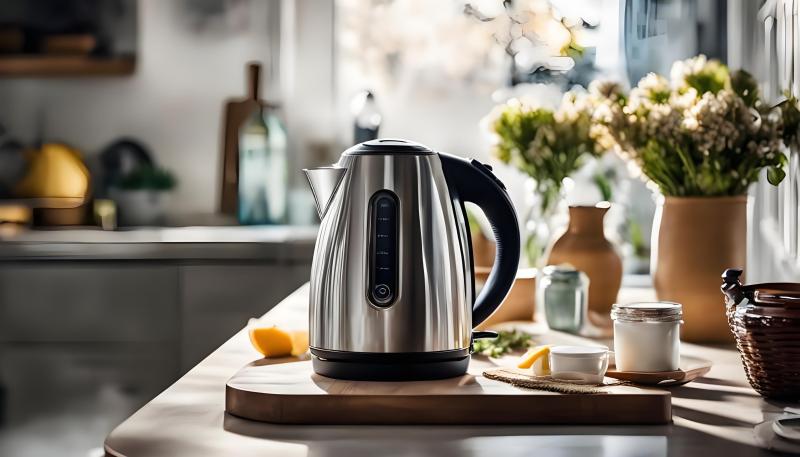
Electric kettles are a staple in many kitchens, providing a quick and efficient way to boil water for tea, coffee, and other hot beverages. However, like any kitchen appliance, they require regular maintenance to ensure optimal performance and longevity. In this article, we will explore the benefits of cleaning your electric kettle, the best practices for doing so, and how often you should undertake this task.
Table of Contents
The Importance of Cleaning Your Electric Kettle
1. Preventing Limescale Buildup
One of the primary reasons to clean your electric kettle is to prevent limescale buildup. Limescale is a hard, chalky deposit that forms when water is heated. It is especially prevalent in areas with hard water, which contains high levels of calcium and magnesium. Over time, limescale can accumulate inside your kettle, affecting its efficiency and the taste of your beverages. Regular cleaning helps to remove these deposits, ensuring that your kettle operates effectively and your drinks taste fresh.
Limescale not only impacts the performance of your kettle but can also lead to overheating and potential damage. When limescale builds up, it acts as an insulator, making it harder for the heating element to transfer heat to the water. This inefficiency can lead to longer boiling times and increased energy consumption. By keeping your kettle clean, you can avoid these issues and enjoy a more efficient boiling process.
2. Enhancing the Lifespan of Your Kettle
Just like any other appliance, regular maintenance can significantly extend the lifespan of your electric kettle. By keeping it clean, you reduce the risk of damage caused by limescale and other residues. This not only helps your kettle last longer but also saves you money in the long run by delaying the need for a replacement.
A well-maintained kettle can serve you for many years, providing consistent performance and reliability. In contrast, neglecting to clean it can lead to premature wear and tear, resulting in costly repairs or the need for a new kettle altogether. Investing a little time in regular cleaning can pay off significantly in terms of longevity and performance.
3. Improving Energy Efficiency
A kettle with a significant buildup of limescale will take longer to heat water, which can lead to increased energy consumption. By regularly cleaning your kettle, you ensure that it heats water quickly and efficiently, which can help reduce your energy bills.
Energy efficiency is not only beneficial for your wallet but also for the environment. Using less energy means a smaller carbon footprint, contributing to a more sustainable lifestyle. By maintaining your kettle, you are making a small but impactful choice towards energy conservation.
4. Maintaining Hygiene
Electric kettles can harbor bacteria and other microorganisms if not cleaned regularly. Water left in the kettle for extended periods can become a breeding ground for germs. Regular cleaning helps to maintain hygiene, ensuring that your kettle is safe to use and that your beverages are free from contaminants.
In addition to bacteria, mineral deposits can also affect the quality of the water you use for your drinks. Clean water is essential for making great-tasting beverages, and a clean kettle is key to achieving that. By prioritizing hygiene, you can enjoy peace of mind knowing that your kettle is safe and your drinks are healthy.
5. Preserving Flavor
The taste of your beverages can be affected by residues left in your kettle. Old water, limescale, and other deposits can impart unpleasant flavors to your drinks. By keeping your kettle clean, you ensure that every cup of tea or coffee tastes as it should.
Flavor preservation is particularly important for those who enjoy specialty teas or coffees, where the quality of water can significantly impact the final taste. A clean kettle allows the natural flavors of your beverages to shine through, enhancing your overall drinking experience.
Best Practices for Cleaning Your Electric Kettle
1. Frequency of Cleaning
How often you should clean your electric kettle depends on how frequently you use it and the hardness of your water. As a general rule, it is advisable to clean your kettle at least once a month. If you live in an area with hard water, you may need to clean it more frequently.
Regular cleaning not only prevents limescale buildup but also helps you stay on top of any other potential issues, such as odors or stains. Setting a cleaning schedule can help you remember to maintain your kettle, ensuring it remains in top condition.
2. Using Vinegar or Citric Acid
One of the most effective ways to clean your electric kettle is by using vinegar or citric acid. Both substances are natural descalers that can dissolve limescale and mineral deposits.
Cleaning with Vinegar:
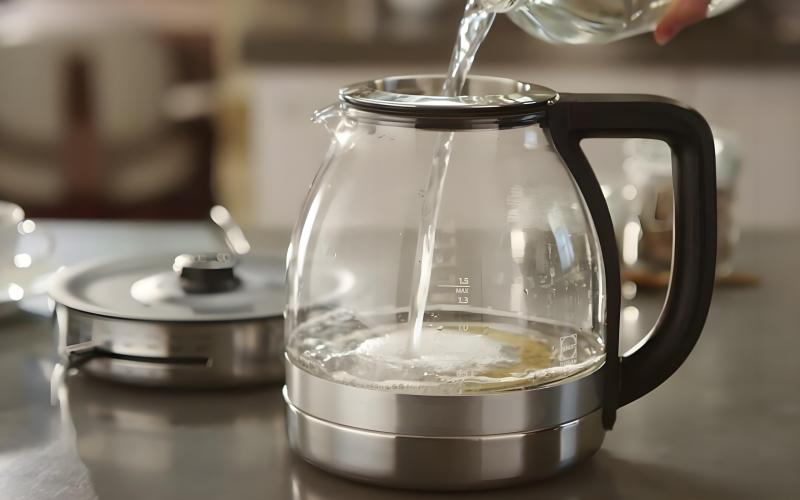
– Fill the kettle halfway with equal parts water and white vinegar.
– Boil the mixture and let it sit for about 15-30 minutes.
– Empty the kettle and rinse it thoroughly with clean water.
Vinegar is not only effective but also readily available in most households, making it a convenient option for regular cleaning.
Cleaning with Citric Acid:
– Dissolve 1-2 tablespoons of citric acid in a full kettle of water.
– Boil the solution and let it sit for about 15-30 minutes.
– Rinse the kettle thoroughly with clean water.
Citric acid is a powerful natural cleaner that can tackle tough limescale deposits, making it an excellent choice for those who need a more robust cleaning solution.
3. Cleaning the Exterior
While the interior of the kettle is crucial, don’t forget to clean the exterior as well. Use a damp cloth to wipe down the outside of the kettle, paying special attention to the handle and spout. Avoid using abrasive cleaners that could scratch the surface.
Keeping the exterior clean not only enhances the appearance of your kettle but also prevents the buildup of grime and fingerprints. A clean kettle is more inviting and can enhance the overall aesthetic of your kitchen.
4. Removing and Cleaning the Filter
If your electric kettle has a removable filter, take it out and rinse it under warm water. This helps to remove any buildup that could affect the taste of your water. Make sure to dry it thoroughly before reinserting it into the kettle.
Regularly cleaning the filter is essential for maintaining the quality of the water you use. A clogged or dirty filter can lead to poor water flow and affect the efficiency of your kettle.
5. Avoiding Harsh Chemicals
When cleaning your electric kettle, avoid using harsh chemicals or abrasive cleaners. These can damage the kettle’s surface and may leave harmful residues that could contaminate your water.
Opting for natural cleaning solutions not only protects your kettle but also ensures that you are not introducing any harmful substances into your drinking water. This is particularly important for those who are health-conscious or have sensitivities to certain chemicals.
Additional Tips for Maintaining Your Electric Kettle
– Use Filtered Water: If possible, use filtered water in your kettle. This can help reduce limescale buildup and improve the taste of your beverages. Filtered water is often free from impurities that can affect flavor and quality.
– Empty After Use: Avoid leaving water in the kettle for extended periods. Empty it after each use to prevent bacteria growth. This simple habit can significantly enhance the hygiene of your kettle.
– Store Properly: If you don’t use your kettle frequently, store it in a dry place with the lid open to allow air circulation. Proper storage can prevent moisture buildup, which can lead to mold and unpleasant odors.
Conclusion
Regularly cleaning your electric kettle is essential for maintaining its performance, extending its lifespan, and ensuring that your beverages taste great. By following the best practices outlined in this article, you can keep your kettle in top condition and enjoy the many benefits it offers. A clean electric kettle not only enhances your drinking experience but also contributes to a healthier kitchen environment.
How to purchase:https://looperbuy.com/search?keywords=clean+electric+kettle
Frequently Asked Questions
1. How often should I clean my electric kettle?
It is recommended to clean your electric kettle at least once a month, or more frequently if you use hard water.
2. Can I use baking soda to clean my kettle?
Yes, baking soda can be used as a gentle abrasive cleaner. Mix it with water to form a paste, apply it to the kettle, and rinse thoroughly.
3. Is it safe to use vinegar in my electric kettle?
Yes, vinegar is a safe and effective natural cleaner for descaling your kettle.
4. What should I do if my kettle has a strong limescale buildup?
For heavy limescale, use a stronger vinegar solution or citric acid, and let it sit longer before rinsing.
5. Can I put my electric kettle in the dishwasher?
No, most electric kettles are not dishwasher safe. Always clean them by hand to avoid damage.