Flying toys have captivated the imaginations of children for generations. From simple paper airplanes to advanced drones, these toys not only provide entertainment but also encourage creativity, physical activity, and learning. In this article, we will explore the various types of children’s flying toys, their benefits, safety considerations, and tips for choosing the right flying toy for your child.
Table of Contents
Types of Children’s Flying Toys
1. Kites
Kites are one of the oldest flying toys known to humanity, with a history that dates back thousands of years. They come in various shapes, sizes, and designs, making them appealing to children of all ages. Flying a kite requires some skill, as children must learn to control the string and understand wind patterns. This activity promotes outdoor play and can be a fun family bonding experience. Kites can also be a great way to teach children about the science of wind and aerodynamics, as they observe how different designs perform in various weather conditions. Additionally, many kites are designed with vibrant colors and themes, which can spark a child’s imagination and encourage them to create stories around their flying adventures.
2. Drones
Drones have surged in popularity over the past decade, becoming a favorite among children and adults alike. Many models are designed specifically for children, featuring easy controls and safety features such as propeller guards and altitude limits. These flying toys can perform tricks, capture photos, and even race against other drones, providing endless entertainment. Drones introduce children to technology and can spark an interest in engineering and robotics. They also offer opportunities for learning about navigation, photography, and even coding, as some advanced models allow for programmable flight paths. Parents can use drone flying as a way to teach responsibility, as children must learn to operate them safely and respectfully in public spaces.
3. Parachute Toys
Parachute toys are simple yet exciting, making them a favorite among younger children. They typically consist of a small figure attached to a parachute that can be thrown into the air. As the parachute opens, it glides down slowly, providing a thrilling experience for children. These toys are great for outdoor play and can be used in various games, such as target practice or races to see whose parachute lands the slowest. Parachute toys also offer a hands-on way to learn about gravity and air resistance, as children can experiment with different throwing techniques and observe how they affect the parachute’s descent.
4. Flying Discs
Flying discs, commonly known as frisbees, are another popular choice for outdoor fun. They are easy to throw and catch, making them perfect for family gatherings, picnics, or beach outings. Playing with flying discs helps improve hand-eye coordination and encourages physical activity, as children run, jump, and dive to catch the disc. There are many variations of flying discs, including those designed for specific games like ultimate frisbee or disc golf, which can introduce children to new sports and teamwork. Additionally, flying discs can be customized with colors and designs, allowing children to express their personalities while playing.
5. Hand-Controlled Flying Toys
These innovative toys use sensors to detect hand movements, allowing children to control their flight path without a remote. They are often designed in fun shapes, such as UFOs or animals, and are perfect for indoor play. These toys are safe and provide a unique flying experience, as children can learn to maneuver them with simple gestures. Hand-controlled flying toys can also help develop fine motor skills and spatial awareness, as children practice controlling the toy’s movements in three-dimensional space. Furthermore, they can be a great way to engage children in STEM learning, as they explore the principles of flight and motion.
6. Rocket Launchers
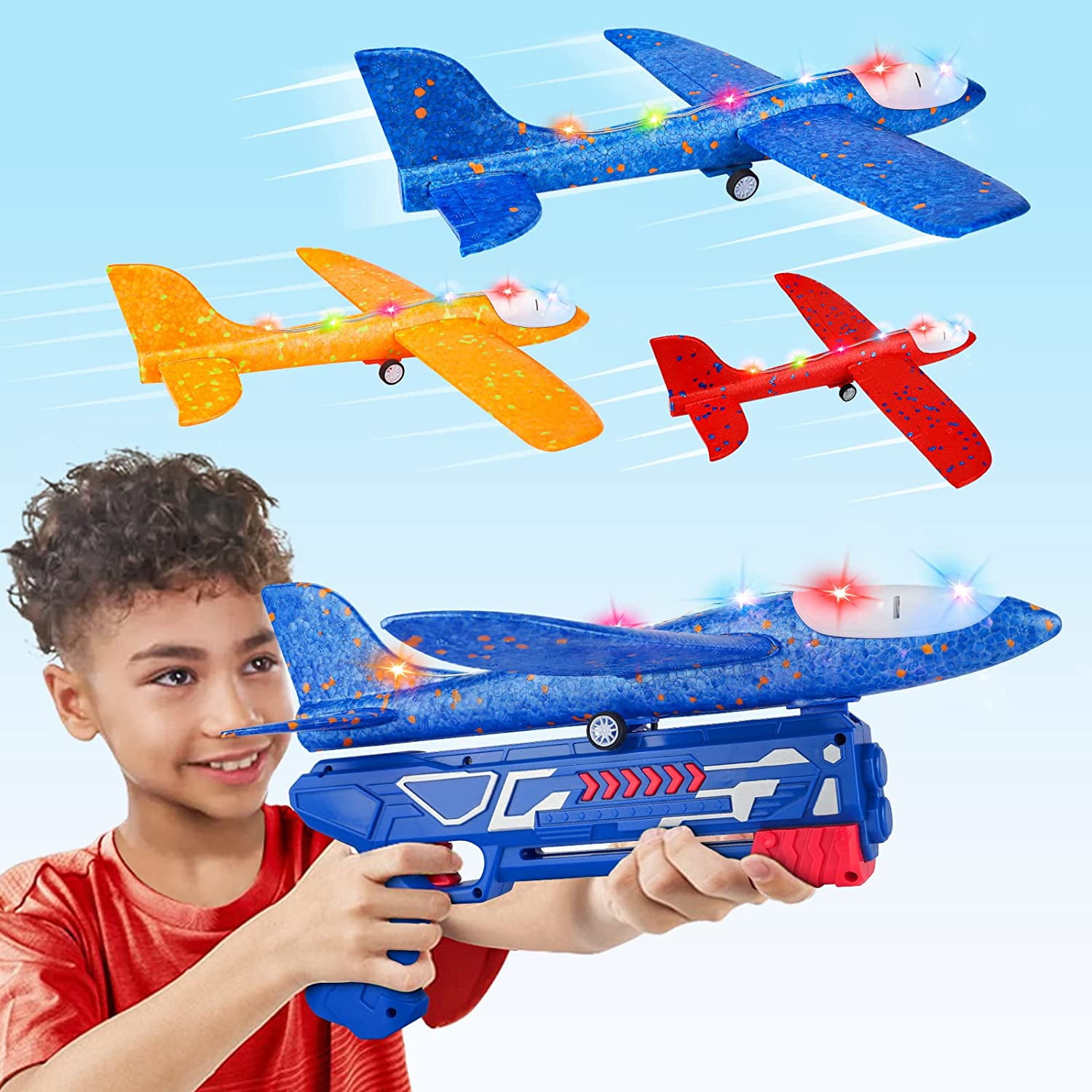
Rocket launchers are exciting toys that allow children to launch small rockets into the air. These toys often use air pressure or water to propel the rockets, making them a fun science experiment as well. Children can learn about physics and aerodynamics while enjoying the thrill of watching their rockets soar. Rocket launchers can be used in various educational settings, such as science fairs or outdoor classrooms, where children can measure the height of their rockets and experiment with different launch angles. This hands-on experience fosters curiosity and encourages children to ask questions about how things work.
Benefits of Flying Toys
1. Encourages Outdoor Play
Flying toys motivate children to spend time outdoors, promoting physical activity and reducing screen time. This is essential for their overall health and well-being. Outdoor play has been linked to numerous benefits, including improved mood, increased physical fitness, and enhanced social skills. By engaging with flying toys, children can explore their environment, develop a sense of adventure, and appreciate nature. Parents can join in the fun, creating lasting memories while encouraging a healthy lifestyle.
2. Enhances Motor Skills
Playing with flying toys helps develop fine and gross motor skills. Activities like throwing a frisbee or controlling a drone require coordination and precision. As children practice these skills, they gain confidence in their physical abilities, which can translate to other areas of their lives, such as sports and everyday tasks. Additionally, flying toys often involve running, jumping, and reaching, which further enhances their physical development and promotes a healthy, active lifestyle.
3. Stimulates Creativity
Flying toys encourage imaginative play. Children can create their own games, invent stories, and explore their surroundings, fostering creativity and problem-solving skills. For instance, while flying a kite, a child might imagine they are a pilot navigating through the clouds or a superhero soaring through the sky. This type of imaginative play is crucial for cognitive development, as it allows children to experiment with different scenarios and outcomes, enhancing their critical thinking abilities.
4. Promotes Social Interaction
Many flying toys are designed for group play, encouraging children to interact with their peers. This helps develop social skills and teamwork. Whether playing a game of frisbee or launching rockets together, children learn to communicate, cooperate, and resolve conflicts. These interactions are vital for building friendships and developing emotional intelligence, as children learn to understand and empathize with others.
5. Educational Value
Flying toys can introduce children to basic principles of physics, such as gravity, lift, and aerodynamics. This can spark an interest in science and technology. Parents and educators can use flying toys as teaching tools, incorporating lessons about forces, motion, and engineering into playtime. By making learning fun and engaging, children are more likely to retain information and develop a lifelong love of learning.
Safety Considerations
When choosing flying toys for children, safety should always be a priority. Here are some tips to ensure safe play:
1. Age Appropriateness
Always check the recommended age for the toy. Some flying toys may have small parts that pose a choking hazard for younger children. Additionally, certain toys may require a level of skill or strength that younger children may not possess, leading to frustration or accidents. Selecting age-appropriate toys ensures that children can enjoy them safely and effectively.
2. Supervision
Supervise children while they play with flying toys, especially drones and rocket launchers, to prevent accidents and injuries. Adult supervision can help ensure that children follow safety guidelines and understand the importance of responsible play. This oversight also allows parents to teach children about safe practices, such as keeping a safe distance from others and avoiding obstacles.
3. Safe Environment
Ensure that the play area is free from obstacles, such as trees, power lines, and busy roads. Open fields or parks are ideal for flying toys. A safe environment minimizes the risk of accidents and allows children to fully enjoy their flying experiences. Parents should also be aware of weather conditions, as strong winds or rain can make flying toys more difficult to control.
4. Follow Instructions
Read and follow the manufacturer’s instructions for assembly and operation. This is particularly important for drones and rocket launchers, as improper use can lead to malfunctions or accidents. Teaching children to respect the instructions fosters a sense of responsibility and encourages them to take care of their toys.
5. Use Protective Gear
For certain flying toys, such as drones, consider using protective gear like goggles to shield eyes from potential hazards. While many flying toys are safe, accidents can happen, and taking precautions can help prevent injuries. Additionally, teaching children about safety gear reinforces the importance of being cautious while having fun.
Tips for Choosing the Right Flying Toy
1. Consider Interests
Think about what your child enjoys. If they love technology, a drone might be the perfect choice. If they prefer outdoor activities, a kite or frisbee could be more suitable. Understanding your child’s interests can help you select a toy that will keep them engaged and excited about playtime.
2. Check Reviews
Look for reviews and recommendations from other parents. This can help you find high-quality toys that are safe and enjoyable. Online reviews often provide insights into the durability, ease of use, and overall satisfaction of a toy, helping you make an informed decision.
3. Set a Budget
Flying toys come in a wide range of prices. Determine your budget before shopping to narrow down your options. While it’s important to find a toy that fits your budget, consider investing in higher-quality options that will last longer and provide more enjoyment.
4. Look for Educational Value
Choose toys that offer educational benefits, such as teaching about physics or encouraging creativity. Educational toys can provide a dual benefit of entertainment and learning, making them a worthwhile investment for parents.
5. Test for Durability
Children can be rough on toys, so look for durable options that can withstand outdoor play. Checking for materials and construction quality can help ensure that the toy will last through many adventures and play sessions.
Conclusion
Children’s flying toys are more than just fun; they offer numerous benefits that contribute to a child’s development. From enhancing motor skills to promoting social interaction, these toys play a vital role in childhood experiences. By considering safety and choosing the right flying toy, parents can ensure that their children enjoy hours of outdoor fun and learning. Ultimately, flying toys can create lasting memories and foster a love for exploration and adventure in children.
How to purchase:https://looperbuy.com/search?keywords=children%27s+flying+toys
Frequently Asked Questions
1. What are the best flying toys for young children?
The best flying toys for young children include kites, parachute toys, and hand-controlled flying toys, as they are safe and easy to use. These toys encourage outdoor play and help develop essential motor skills.
2. Are drones safe for kids?
Yes, many drones are designed specifically for children and come with safety features. However, adult supervision is recommended during play to ensure safe operation and adherence to guidelines.
3. How can I teach my child to fly a kite?
Start by choosing a simple kite, then find an open area with minimal wind. Show your child how to hold the string and let the wind lift the kite. Encourage them to experiment with different techniques to improve their skills.
4. What should I consider when buying a flying toy?
Consider the child’s age, interests, safety features, and the toy’s educational value when making a purchase. This will help ensure that the toy is appropriate and engaging for your child.
5. Can flying toys be used indoors?
Some flying toys, like hand-controlled drones and certain flying discs, can be used indoors, but always check the manufacturer’s recommendations. Ensure that the indoor space is safe and free from obstacles to prevent accidents.