Children’s engineering toys are more than just playthings; they are tools that can significantly enhance a child’s development. These toys encourage creativity, problem-solving, and critical thinking skills, making them an essential part of a child’s learning experience. In this article, we will explore the various aspects of children’s engineering toys, their benefits, types, and how they can be integrated into playtime to foster a love for engineering and science.
Table of Contents
Understanding Children’s Engineering Toys
What Are Engineering Toys?
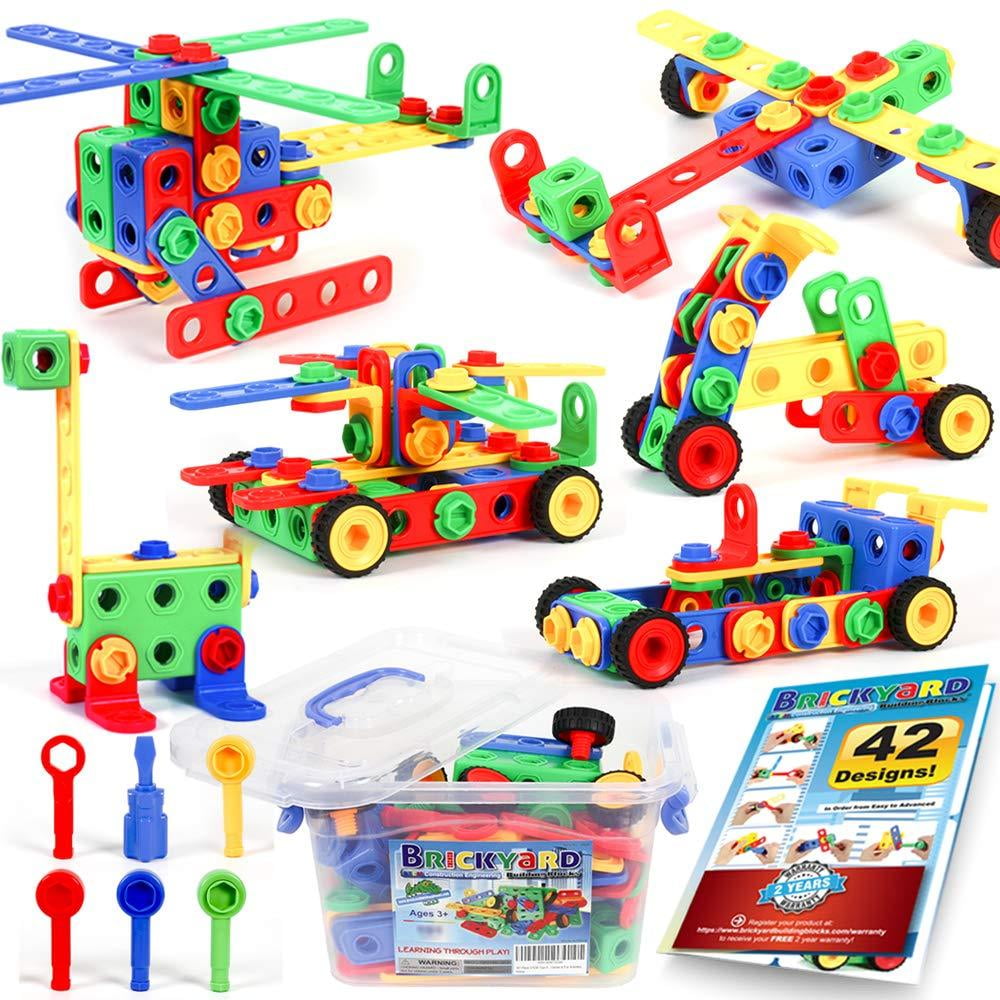
Engineering toys are designed to engage children in the principles of engineering and technology. They often involve building, constructing, and problem-solving, allowing children to explore concepts in a hands-on manner. These toys can range from simple building blocks to complex robotics kits, catering to various age groups and skill levels. The diversity in engineering toys means that children can start with basic sets that promote foundational skills and gradually progress to more advanced kits that challenge their understanding and abilities. This progression not only keeps children engaged but also allows them to experience a sense of achievement as they master new skills.
The Importance of STEM Education
STEM (Science, Technology, Engineering, and Mathematics) education is crucial in today’s world. Engineering toys play a vital role in introducing these concepts to children at an early age. By engaging with these toys, children can develop a strong foundation in STEM, which is essential for future academic and career opportunities. As technology continues to evolve, the demand for skills in these areas is increasing. Early exposure to STEM through engineering toys can spark a lifelong interest in these fields, encouraging children to pursue careers in engineering, technology, and science. This early engagement can also help demystify complex concepts, making them more accessible and enjoyable for young learners.
Benefits of Children’s Engineering Toys
Enhancing Problem-Solving Skills
One of the primary benefits of engineering toys is their ability to enhance problem-solving skills. As children build and create, they encounter challenges that require them to think critically and devise solutions. This process not only boosts their confidence but also prepares them for real-world problem-solving scenarios. When faced with obstacles, children learn to analyze the situation, consider different approaches, and implement solutions. This iterative process of trial and error is fundamental to engineering and scientific inquiry, teaching children that failure is often a stepping stone to success.
Fostering Creativity and Imagination
Engineering toys encourage creativity by allowing children to design and build their own structures. This freedom of expression helps children develop their imagination and think outside the box. Whether they are constructing a bridge or designing a robot, the possibilities are endless, and each creation is unique. This creative process is not just about following instructions; it involves envisioning new ideas and bringing them to life. As children experiment with different designs and materials, they learn to appreciate the value of innovation and originality, skills that are essential in any field.
Promoting Teamwork and Collaboration
Many engineering toys are designed for group play, promoting teamwork and collaboration among children. Working together on a project teaches children the value of communication, sharing ideas, and respecting different perspectives. These social skills are essential for their overall development. Collaborative play encourages children to listen to one another, negotiate roles, and combine their strengths to achieve a common goal. This experience not only enhances their social skills but also prepares them for future collaborative environments, whether in school or the workplace.
Developing Fine Motor Skills
Manipulating small parts and assembling components helps children develop fine motor skills. Engineering toys often require precision and coordination, which can enhance a child’s dexterity and hand-eye coordination. These skills are crucial for everyday tasks and future academic pursuits. As children engage with engineering toys, they practice grasping, twisting, and fitting pieces together, which strengthens the small muscles in their hands. This development is particularly important for younger children, as fine motor skills are foundational for writing, drawing, and other activities that require hand-eye coordination.
Encouraging Persistence and Resilience
Building with engineering toys often involves trial and error. Children learn that failure is a part of the learning process, which encourages persistence and resilience. They understand that not every attempt will be successful, but with determination, they can achieve their goals. This mindset is invaluable, as it teaches children to approach challenges with a positive attitude and a willingness to try again. By fostering resilience, engineering toys help children develop a growth mindset, which is essential for lifelong learning and success.
Types of Children’s Engineering Toys
Building Sets
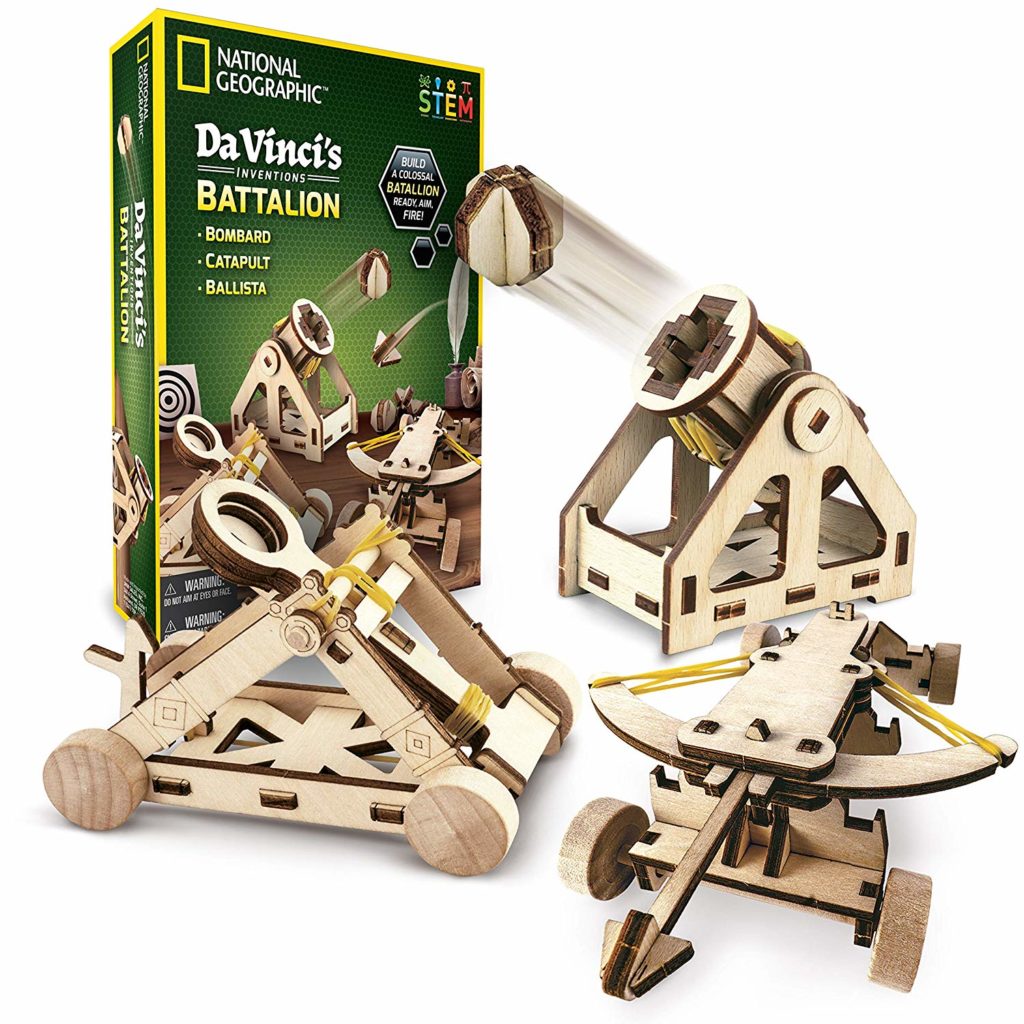
Building sets, such as LEGO and magnetic tiles, are classic engineering toys that allow children to create structures of their choice. These sets come in various themes and complexity levels, making them suitable for different age groups. Building sets not only promote creativity but also introduce children to basic engineering principles, such as balance, stability, and structural integrity. As children experiment with different configurations, they learn about the importance of design and the impact of their choices on the final product.
Robotics Kits
Robotics kits introduce children to the world of programming and robotics. These kits often include components that can be assembled to create functioning robots, teaching children about mechanics and coding in a fun and engaging way. By programming their robots to perform specific tasks, children gain hands-on experience with coding concepts and logical thinking. This exposure to robotics can inspire an interest in computer science and engineering, fields that are increasingly relevant in today’s technology-driven world.
Science Experiment Kits
Science experiment kits often incorporate engineering principles, allowing children to conduct experiments while learning about scientific concepts. These kits can range from simple chemistry sets to complex engineering challenges. By engaging in hands-on experiments, children develop a deeper understanding of scientific methods and principles. This experiential learning approach not only makes science more enjoyable but also reinforces the connection between theory and practice, helping children grasp complex concepts more effectively.
Construction Vehicles and Tools
Toys that mimic real-life construction vehicles and tools can spark an interest in engineering. Children can role-play as engineers and builders, enhancing their understanding of how things work in the real world. This type of imaginative play encourages children to explore the mechanics of construction and engineering, fostering a sense of curiosity about the world around them. As they engage in role-playing scenarios, children develop problem-solving skills and learn to navigate challenges in a safe and supportive environment.
Electronic Building Kits
Electronic building kits allow children to explore circuits and electronics. These kits often include components that can be assembled to create functioning devices, teaching children about electrical engineering in a hands-on manner. By experimenting with circuits, children learn about the flow of electricity, the function of different components, and the basics of electronic design. This knowledge is not only applicable to engineering but also enhances their understanding of technology in everyday life.
Integrating Engineering Toys into Playtime
Creating a Learning Environment
To maximize the benefits of engineering toys, it’s essential to create a conducive learning environment. Set up a dedicated play area with ample space for building and experimenting. Ensure that the area is stocked with various engineering toys to keep children engaged. A well-organized space encourages exploration and creativity, allowing children to focus on their projects without distractions. Additionally, consider incorporating resources such as books or videos that provide inspiration and guidance for engineering projects.
Encouraging Open-Ended Play
Encourage children to engage in open-ended play with their engineering toys. Instead of providing specific instructions, allow them to explore and create freely. This approach fosters creativity and independent thinking. Open-ended play encourages children to take risks and experiment with different ideas, leading to innovative solutions and unique creations. By allowing children the freedom to direct their play, you empower them to become confident decision-makers and problem solvers.
Incorporating Challenges
Introduce challenges to make playtime more engaging. For example, challenge children to build a bridge that can hold a certain weight or design a vehicle that can travel a specific distance. These challenges encourage critical thinking and problem-solving. By setting specific goals, children learn to plan, test, and refine their designs, enhancing their understanding of engineering principles. Challenges can also be tailored to individual skill levels, ensuring that all children are appropriately challenged and engaged.
Collaborating with Peers
Organize playdates or group activities where children can work together on engineering projects. Collaboration not only enhances social skills but also allows children to learn from one another and share ideas. Group projects encourage children to communicate effectively, delegate tasks, and appreciate diverse perspectives. This collaborative experience fosters a sense of community and teamwork, essential skills for future academic and professional success.
Connecting to Real-World Concepts
Help children connect their play with real-world engineering concepts. Discuss how the structures they build relate to real-life engineering projects, such as bridges, buildings, and vehicles. This connection enhances their understanding and appreciation of engineering. By relating their play to real-world applications, children can see the relevance of their activities and develop a deeper interest in engineering and technology. This contextual learning approach reinforces the idea that engineering is not just a subject but a vital part of everyday life.
Conclusion
Children’s engineering toys are invaluable tools for fostering creativity, problem-solving skills, and a love for STEM education. By engaging with these toys, children can develop essential skills that will benefit them throughout their lives. Whether through building sets, robotics kits, or science experiments, the possibilities for learning and fun are endless. As parents and educators, it is crucial to encourage children to explore the world of engineering through play, setting them on a path to success in the future. By providing opportunities for hands-on learning and exploration, we can inspire the next generation of engineers, scientists, and innovators.
How to purchase:https://looperbuy.com/search?keywords=children%27s+engineering+toys
Related Questions and Answers
1. What age is appropriate for children’s engineering toys?
Children’s engineering toys are available for various age groups, typically starting from age 3 and up. It’s essential to choose toys that match the child’s developmental stage, ensuring they are both safe and engaging.
2. How do engineering toys benefit girls in STEM?
Engineering toys can help break gender stereotypes in STEM fields by encouraging girls to explore engineering concepts and develop confidence in their abilities. By providing equal opportunities for play, we can inspire more girls to pursue careers in these traditionally male-dominated fields.
3. Can engineering toys be used in educational settings?
Yes, many educators use engineering toys in classrooms to teach STEM concepts in an engaging and hands-on manner, enhancing students’ learning experiences. These toys can serve as effective tools for introducing complex ideas in a fun and relatable way.
4. What are some popular brands of engineering toys?
Popular brands include LEGO, K’NEX, Snap Circuits, and Thames & Kosmos, each offering a range of engineering-focused toys. These brands are known for their quality and ability to inspire creativity and learning in children.
5. How can parents encourage their children to play with engineering toys?
Parents can encourage play by participating in building activities, providing a variety of toys, and creating challenges that stimulate interest and creativity. Engaging with children during playtime can also enhance their experience and foster a love for learning.