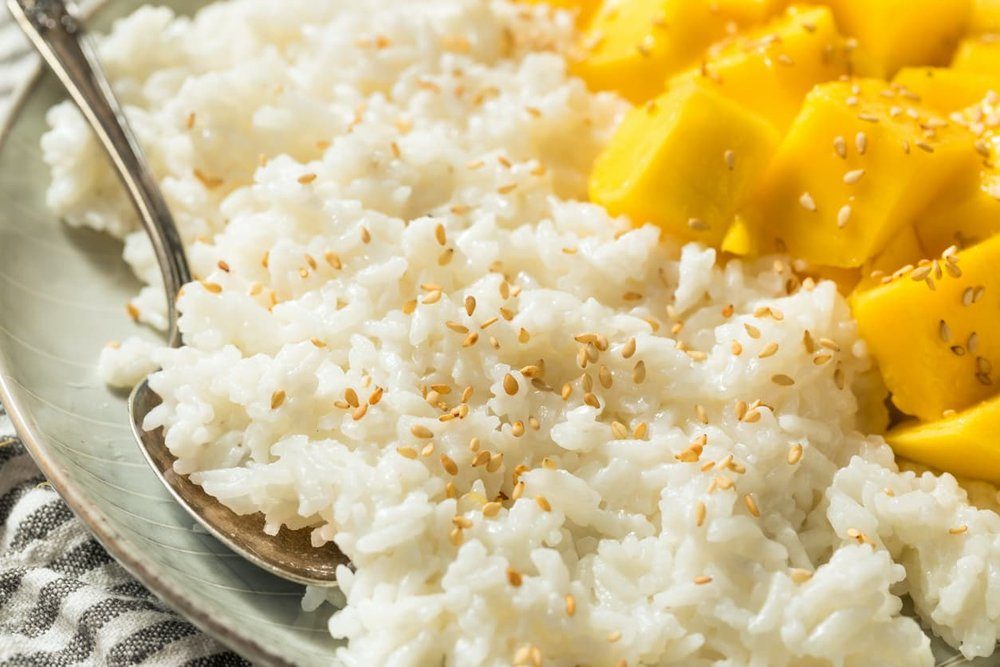
Coconut rice is a delightful dish that combines the rich, creamy flavor of coconut milk with the fluffy texture of rice. It is a versatile side dish that pairs well with a variety of cuisines, particularly Asian dishes. Using a rice cooker to prepare coconut rice simplifies the process, allowing you to focus on other aspects of your meal. In this article, we will explore the steps to make coconut rice in a rice cooker, the benefits of using this method, and some variations to try.
Table of Contents
The Basics of Coconut Rice
What is Coconut Rice?
Coconut rice is a dish made by cooking rice in coconut milk instead of water. This method infuses the rice with a subtle sweetness and a tropical flavor, making it a perfect accompaniment to savory dishes. The dish is popular in many cultures, particularly in Southeast Asia, where coconut is a staple ingredient. In countries like Thailand and Indonesia, coconut rice is often served with grilled meats, curries, and seafood, enhancing the overall dining experience with its unique flavor profile. The creamy texture of the rice complements the spices and richness of these dishes, creating a harmonious balance on the plate.
Why Use a Rice Cooker?
Using a rice cooker to prepare coconut rice has several advantages. First, it ensures even cooking, preventing the rice from burning or sticking to the pot. Rice cookers are designed to maintain the ideal temperature and moisture level, which is crucial for achieving perfectly cooked rice. Second, it allows you to set it and forget it, freeing you up to prepare other components of your meal. This convenience is especially beneficial when hosting gatherings or preparing elaborate dinners. Finally, rice cookers are designed to produce perfectly cooked rice every time, making them an excellent choice for this dish. The automatic shut-off feature also prevents overcooking, ensuring that your coconut rice remains fluffy and delicious.
Ingredients for Coconut Rice
Essential Ingredients
To make coconut rice in a rice cooker, you will need the following ingredients:
– Jasmine or basmati rice
– Coconut milk
– Water
– Salt
– Sugar (optional)
These ingredients create a base for the coconut rice, but you can customize it with additional flavors and toppings. The choice of rice is crucial, as it affects the texture and flavor of the final dish. Jasmine rice, with its fragrant aroma and slightly sticky texture, is the most commonly used rice for coconut rice. However, basmati rice can also be used for a nuttier flavor, providing a delightful contrast to the creamy coconut milk.
Choosing the Right Rice
Jasmine rice is the most commonly used rice for coconut rice due to its fragrant aroma and slightly sticky texture. This type of rice absorbs the coconut milk beautifully, resulting in a rich and flavorful dish. However, basmati rice can also be used for a nuttier flavor. The choice of rice will affect the final texture and taste of the dish. When selecting rice, consider the cooking time and water absorption characteristics, as these factors will influence the overall outcome of your coconut rice.
How to Make Coconut Rice in a Rice Cooker
Step-by-Step Instructions
1. Rinse the Rice: Start by rinsing the rice under cold water until the water runs clear. This step removes excess starch and helps prevent the rice from becoming gummy. Rinsing is essential for achieving the desired fluffy texture, as it allows the grains to separate during cooking.
2. Combine Ingredients: In the rice cooker, combine the rinsed rice, coconut milk, water, salt, and sugar. The typical ratio is one cup of rice to one cup of coconut milk and one cup of water, but you can adjust this based on your desired creaminess. The addition of sugar is optional, but it can enhance the sweetness of the dish, making it more appealing to those who enjoy a sweeter flavor profile.
3. Cook the Rice: Close the lid of the rice cooker and set it to the regular cooking cycle. Most rice cookers will automatically switch to the ‘keep warm’ setting once the rice is done. This feature is particularly useful, as it allows the rice to rest and absorb any remaining moisture, resulting in a more flavorful dish.
4. Let it Rest: After the cooking cycle is complete, let the rice sit in the cooker for about 10 minutes. This resting period allows the flavors to meld and the rice to finish cooking. During this time, the steam continues to cook the rice gently, ensuring that each grain is perfectly tender.
5. Fluff and Serve: Use a fork to fluff the rice gently before serving. This step helps separate the grains and enhances the texture. Fluffing the rice also allows any excess moisture to escape, preventing the dish from becoming soggy.
Tips for Perfect Coconut Rice
– Adjusting Consistency: If you prefer a creamier texture, increase the amount of coconut milk. For a lighter version, use more water. Experimenting with the liquid ratios can help you find the perfect balance for your taste preferences.
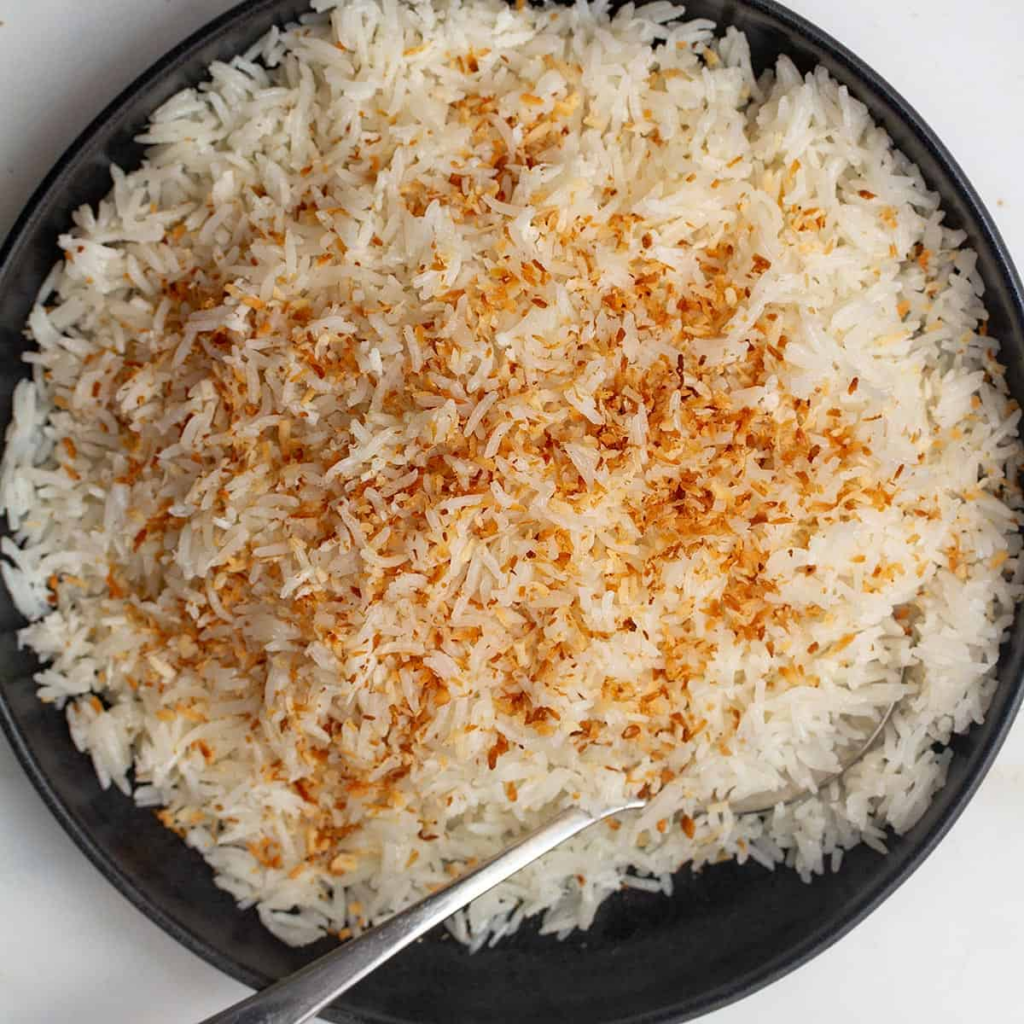
– Flavor Enhancements: Consider adding a few pandan leaves or a pinch of turmeric for color and flavor. Pandan leaves impart a unique aroma and taste, while turmeric adds a beautiful golden hue to the rice. You can also mix in toasted coconut flakes for added texture, creating a delightful contrast with the creamy rice.
– Serving Suggestions: Coconut rice pairs beautifully with grilled meats, curries, and stir-fried vegetables. It can also be served as a base for tropical bowls topped with fresh fruits and nuts. The versatility of coconut rice makes it an excellent choice for various cuisines, allowing you to get creative with your meal presentations.
Variations of Coconut Rice
Coconut Rice with Vegetables
For a more nutritious option, you can add vegetables to your coconut rice. Peas, carrots, and bell peppers can be mixed in before cooking. This not only adds color but also enhances the flavor profile of the dish. The vegetables will cook alongside the rice, absorbing the coconut flavor and adding a delightful crunch. You can also experiment with seasonal vegetables to keep the dish fresh and exciting.
Spicy Coconut Rice
If you enjoy a bit of heat, consider adding chopped chili peppers or a dash of chili powder to the rice mixture. This variation pairs well with rich, creamy curries, providing a contrast that elevates the overall dining experience. The spiciness can be adjusted to your preference, allowing you to create a dish that suits your taste buds perfectly.
Coconut Rice with Herbs
Fresh herbs like cilantro or mint can be stirred into the rice after cooking for a refreshing twist. This variation is particularly delightful when served with seafood dishes, as the herbs complement the natural flavors of the fish. You can also garnish the rice with toasted sesame seeds or chopped nuts for added texture and flavor.
Nutritional Benefits of Coconut Rice
Coconut rice is not only delicious but also offers several nutritional benefits. Coconut milk is rich in healthy fats, particularly medium-chain triglycerides (MCTs), which can provide a quick source of energy. These fats are metabolized differently than other types of fats, making them a popular choice for those looking to boost their energy levels. Additionally, the rice provides carbohydrates, making it a satisfying side dish. When combined with vegetables or proteins, coconut rice can contribute to a well-rounded meal that is both nutritious and satisfying.
How To Purchase:https://looperbuy.com/search?keywords=rice+cooker
Common Questions About Coconut Rice in a Rice Cooker
1. Can I use any type of rice for coconut rice?
While jasmine and basmati rice are the most common choices, you can experiment with other types of rice. Just be mindful of the cooking times and liquid ratios, as they may vary. Short-grain rice can also be used for a stickier texture, which some people prefer.
2. How can I store leftover coconut rice?
Leftover coconut rice can be stored in an airtight container in the refrigerator for up to three days. Reheat it in the microwave or on the stovetop, adding a splash of water or coconut milk to restore moisture. This method helps maintain the creamy texture of the rice, ensuring it remains enjoyable even after being stored.
3. Can I freeze coconut rice?
Yes, coconut rice can be frozen. Allow it to cool completely, then transfer it to a freezer-safe container. It can be stored for up to three months. Thaw in the refrigerator before reheating. Freezing is a great way to prepare meals in advance, allowing you to enjoy coconut rice whenever you desire.
4. What dishes pair well with coconut rice?
Coconut rice pairs well with a variety of dishes, including curries, grilled meats, stir-fried vegetables, and seafood. It can also be served with tropical fruits for a refreshing meal. The versatility of coconut rice makes it an excellent choice for various cuisines, allowing you to get creative with your meal presentations.
5. Is coconut rice gluten-free?
Yes, coconut rice is naturally gluten-free, making it a great option for those with gluten sensitivities or celiac disease. This quality allows it to be enjoyed by a wide range of people, making it a popular choice for gatherings and celebrations.
Conclusion
Making coconut rice in a rice cooker is a simple and rewarding process that yields delicious results. With just a few ingredients and minimal effort, you can create a flavorful side dish that enhances any meal. Whether you enjoy it plain or with added ingredients, coconut rice is sure to become a favorite in your kitchen. Its versatility and rich flavor make it a perfect addition to any dining experience, allowing you to explore new culinary horizons.