Plastic furniture has become increasingly popular in recent years, raising the question: is it the future of home decor? With its versatility, durability, and affordability, plastic furniture offers a range of benefits that traditional materials may not. This article will explore the various aspects of plastic furniture, including its advantages, types, maintenance, and environmental impact, ultimately answering whether it is indeed the future of home decor.
Table of Contents
The Rise of Plastic Furniture
Plastic furniture has evolved significantly since its inception. Initially viewed as a cheap alternative, modern plastic furniture is designed with aesthetics and functionality in mind. Manufacturers now produce stylish and durable pieces that can complement any home decor. The rise of plastic furniture can be attributed to several factors, including advancements in technology, changing consumer preferences, and the need for sustainable options.
Advancements in Technology
The production of plastic furniture has benefited from technological advancements. Innovations in materials, such as high-density polyethylene (HDPE) and polypropylene, have led to the creation of furniture that is not only lightweight but also resistant to weather and wear. These materials can mimic the appearance of wood or metal, providing consumers with a wide range of design options. Furthermore, the development of new manufacturing techniques, such as injection molding and 3D printing, allows for intricate designs and customizations that were previously impossible. This technological evolution has transformed plastic furniture from a basic, utilitarian option into a stylish and desirable choice for modern homes.
Changing Consumer Preferences
Today’s consumers are more conscious of their purchasing decisions. They seek furniture that is not only stylish but also practical and affordable. Plastic furniture meets these criteria, offering a cost-effective solution without compromising on design. Additionally, the ease of maintenance associated with plastic furniture appeals to busy lifestyles, making it an attractive option for many households. As people increasingly prioritize functionality and convenience in their living spaces, plastic furniture has emerged as a practical choice that aligns with contemporary living standards. The trend towards minimalism and multifunctional spaces further supports the rise of plastic furniture, as it often features sleek designs that can fit into various settings.
The Need for Sustainable Options
As environmental concerns grow, consumers are increasingly looking for sustainable furniture options. Many plastic furniture manufacturers use recycled materials, reducing waste and promoting a circular economy. This shift towards sustainability has positioned plastic furniture as a viable alternative to traditional materials, aligning with the values of eco-conscious consumers. Moreover, the ability to recycle plastic furniture at the end of its life cycle contributes to a more sustainable approach to home decor. As awareness of environmental issues continues to rise, the demand for eco-friendly products, including plastic furniture, is likely to increase, further solidifying its place in the future of home decor.
Advantages of Plastic Furniture
Plastic furniture offers numerous advantages that make it an appealing choice for both indoor and outdoor settings.
Durability and Longevity
One of the most significant benefits of plastic furniture is its durability. Unlike wood, which can warp or rot, plastic furniture is resistant to moisture, insects, and UV rays. This makes it an ideal choice for outdoor spaces, where exposure to the elements can take a toll on traditional materials. High-quality plastic furniture can last for decades with minimal maintenance. Additionally, many plastic furniture pieces are designed to withstand heavy use, making them suitable for high-traffic areas in homes, such as living rooms and dining areas. This durability not only provides value for money but also reduces the frequency of replacements, contributing to a more sustainable lifestyle.
Lightweight and Portable
Plastic furniture is typically much lighter than its wooden or metal counterparts, making it easy to move and rearrange. This portability is particularly beneficial for outdoor furniture, which may need to be relocated based on weather conditions or seasonal changes. The lightweight nature of plastic furniture also makes it easier to store when not in use. For instance, folding chairs and stackable tables are popular choices for those who enjoy hosting gatherings or outdoor events, as they can be easily set up and taken down. This flexibility allows homeowners to adapt their spaces to suit their needs, whether for entertaining guests or simply enjoying a quiet evening outdoors.
Variety of Styles and Colors
Plastic furniture comes in a wide array of styles, colors, and designs, allowing consumers to find pieces that fit their personal aesthetic. From sleek modern designs to more traditional looks, plastic furniture can complement any decor. Additionally, the ability to produce furniture in various colors means that consumers can easily match their furniture to their existing decor. This versatility extends to the use of patterns and textures, with many manufacturers offering options that mimic the appearance of natural materials like wood or stone. As a result, plastic furniture can seamlessly integrate into diverse design schemes, making it a popular choice for interior designers and homeowners alike.
Cost-Effectiveness
Affordability is another significant advantage of plastic furniture. Generally, plastic pieces are less expensive than those made from wood or metal, making them accessible to a broader range of consumers. This cost-effectiveness allows individuals to furnish their homes without breaking the bank. Furthermore, the lower price point of plastic furniture enables consumers to experiment with different styles and colors without a significant financial commitment. This encourages creativity in home decor, as individuals can easily update their spaces with new pieces as trends change or personal tastes evolve.
Types of Plastic Furniture
Plastic furniture encompasses a wide range of products, each designed for specific uses and settings.
Outdoor Furniture
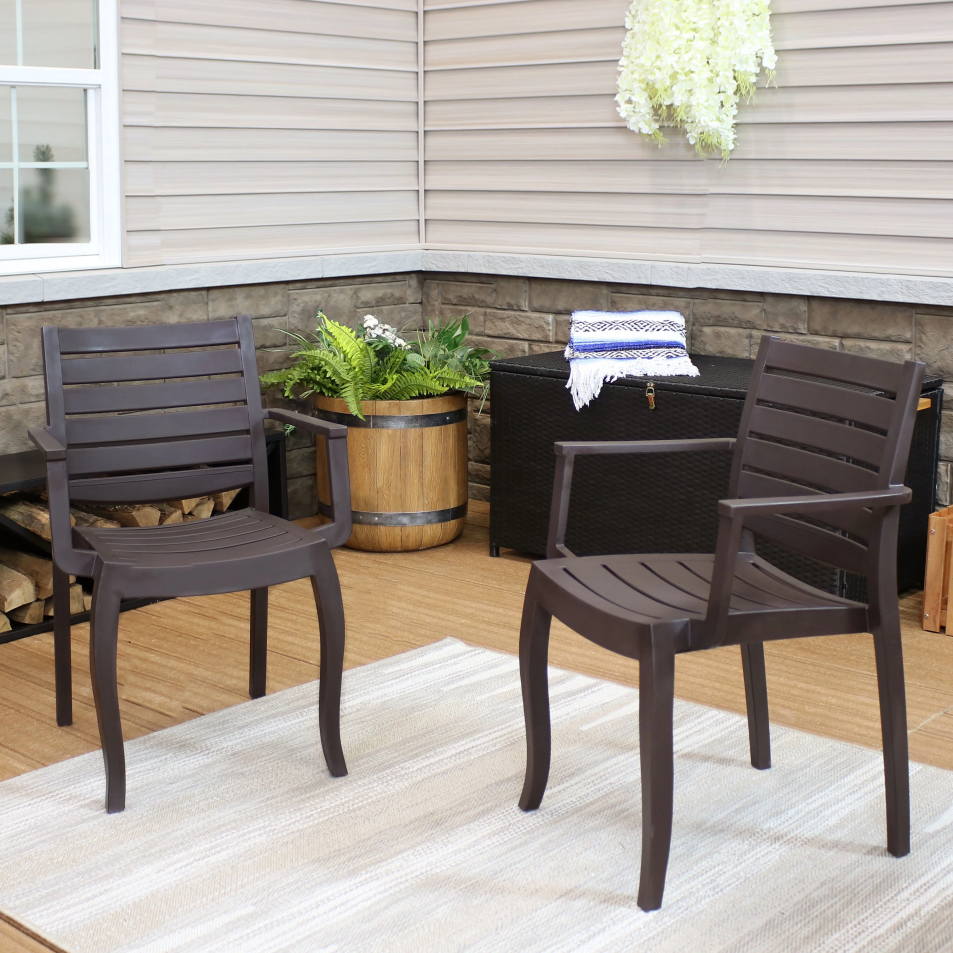
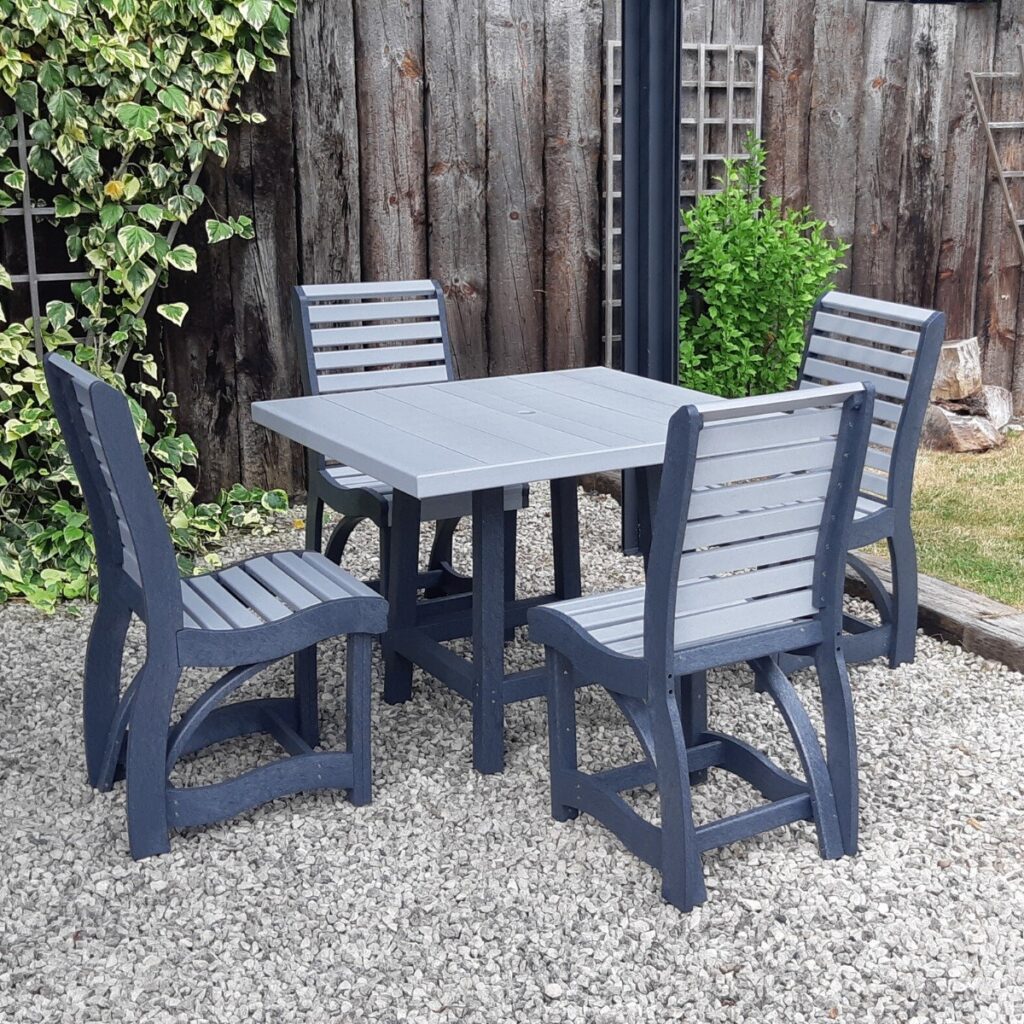
Outdoor plastic furniture is designed to withstand the elements while providing comfort and style. Common items include chairs, tables, loungers, and benches. Many outdoor plastic furniture pieces are made from recycled materials, contributing to sustainability efforts. These pieces are often treated to resist fading and cracking, ensuring they maintain their appearance over time. Additionally, the variety of designs available means that consumers can find outdoor furniture that suits their personal style, whether they prefer a modern look or something more traditional. The ability to easily clean and maintain outdoor plastic furniture further enhances its appeal, making it a practical choice for patios, gardens, and balconies.
Indoor Furniture
Plastic furniture is not limited to outdoor use. Many manufacturers produce stylish indoor pieces, such as chairs, tables, and storage solutions. These items often feature modern designs that can enhance the aesthetic of any room. For example, plastic dining chairs can add a contemporary touch to a dining area, while colorful plastic storage bins can help organize children’s playrooms. The versatility of plastic furniture allows it to be used in various settings, from home offices to living rooms, making it a practical choice for those looking to maximize their space. Additionally, the lightweight nature of indoor plastic furniture makes it easy to rearrange rooms as needed, accommodating changing lifestyles and preferences.
Specialty Furniture
In addition to standard furniture, plastic materials are also used to create specialty items, such as children’s furniture, folding chairs, and stackable tables. These pieces are designed for specific needs, offering functionality and convenience. Children’s plastic furniture, for instance, is often designed with safety in mind, featuring rounded edges and lightweight construction for easy handling. Folding chairs and stackable tables are ideal for small spaces or events, as they can be easily stored when not in use. This specialization in design allows plastic furniture to cater to a wide range of consumer needs, further solidifying its place in the market.
Maintenance of Plastic Furniture
Maintaining plastic furniture is relatively simple compared to traditional materials. Regular cleaning with mild soap and water is usually sufficient to keep plastic furniture looking new. For outdoor pieces, it is advisable to store them indoors during harsh weather conditions to prolong their lifespan. Additionally, avoiding abrasive cleaners will help prevent scratches and damage to the surface. Many plastic furniture items are also resistant to stains, making them ideal for families with children or pets. This low-maintenance aspect of plastic furniture is a significant selling point for busy households, as it allows for a more relaxed approach to home care.
Environmental Impact of Plastic Furniture
While plastic furniture offers many benefits, it is essential to consider its environmental impact. The production of plastic furniture can contribute to pollution and waste if not managed responsibly. However, many manufacturers are now focusing on sustainability by using recycled materials and implementing eco-friendly production processes. This shift towards responsible manufacturing practices is crucial in addressing the environmental concerns associated with plastic production.
Recycling and Sustainability
Recycling plays a crucial role in reducing the environmental impact of plastic furniture. Many companies use recycled plastics to create new furniture, minimizing waste and conserving resources. Additionally, some manufacturers have adopted sustainable practices, such as reducing energy consumption during production and using biodegradable materials. This commitment to sustainability not only benefits the environment but also appeals to consumers who prioritize eco-friendly products. As the market for sustainable furniture continues to grow, plastic furniture manufacturers are likely to innovate further, finding new ways to reduce their ecological footprint.
Consumer Responsibility
Consumers also play a vital role in the sustainability of plastic furniture. By choosing products made from recycled materials and supporting companies with eco-friendly practices, consumers can contribute to a more sustainable future. Furthermore, proper disposal and recycling of plastic furniture at the end of its life cycle can help mitigate environmental harm. Educating consumers about the importance of recycling and responsible disposal methods is essential in promoting a culture of sustainability. As more individuals become aware of their purchasing decisions’ impact on the environment, the demand for sustainable plastic furniture is expected to rise, reinforcing its position in the market.
Conclusion
In conclusion, plastic furniture offers numerous advantages that make it a strong contender for the future of home decor. Its durability, lightweight nature, variety of styles, and cost-effectiveness appeal to a wide range of consumers. Additionally, the growing emphasis on sustainability and eco-friendly practices positions plastic furniture as a responsible choice for modern households. As technology continues to advance and consumer preferences evolve, it is likely that plastic furniture will play an increasingly prominent role in home decor. By embracing this versatile material, consumers can enjoy stylish, functional, and sustainable furniture options that meet their needs.
How to Purchase:https://looperbuy.com/search?keywords=plastic+furniture
Frequently Asked Questions
1. What are the main benefits of plastic furniture?
Plastic furniture is durable, lightweight, cost-effective, and available in a variety of styles and colors.
2. How do I maintain plastic furniture?
Regular cleaning with mild soap and water is usually sufficient. Avoid abrasive cleaners to prevent scratches.
3. Is plastic furniture environmentally friendly?
Many manufacturers use recycled materials and sustainable practices, making plastic furniture a more eco-friendly option.
4. Can plastic furniture be used indoors?
Yes, plastic furniture is available for both indoor and outdoor use, with many stylish options for home decor.
5. How long does plastic furniture last?
High-quality plastic furniture can last for decades with proper care and maintenance.