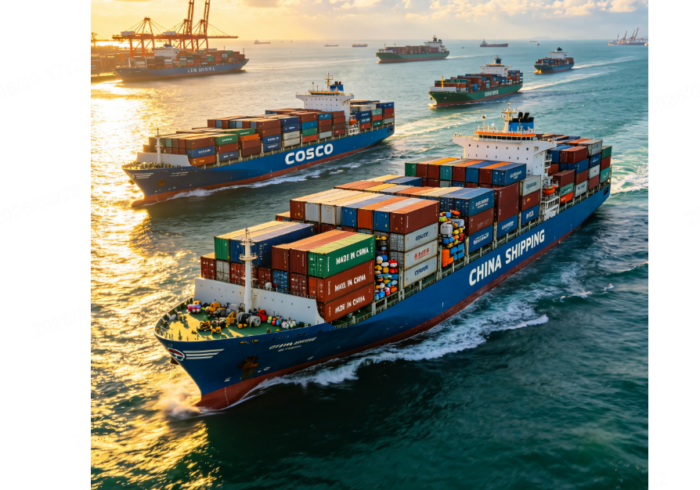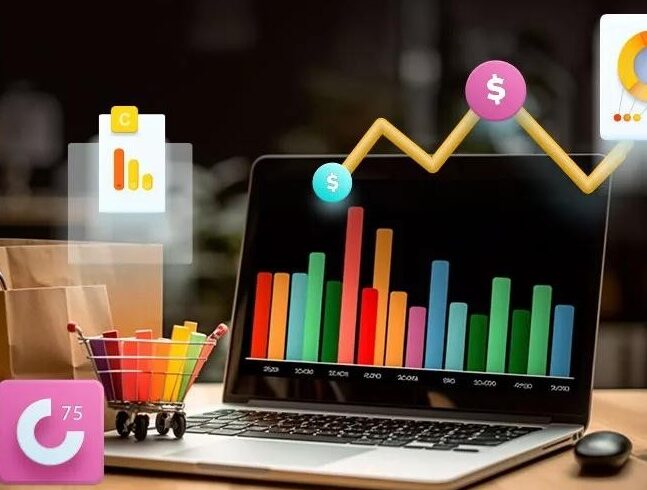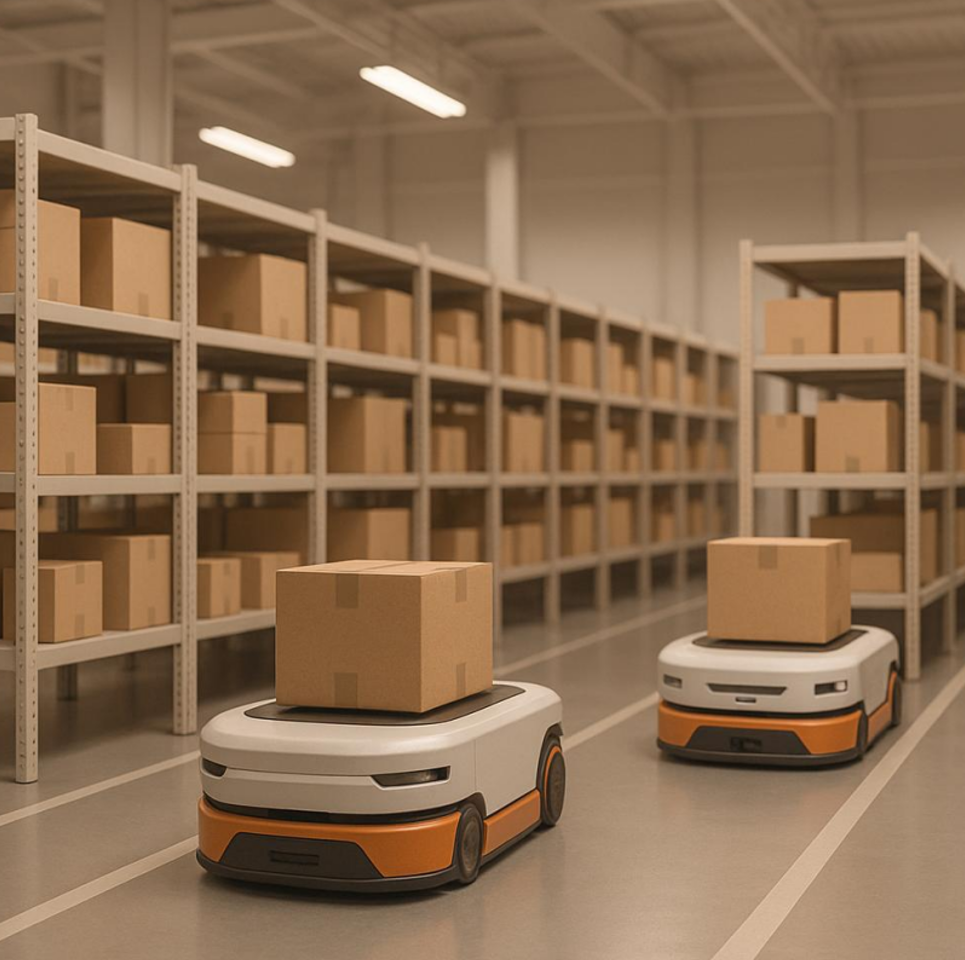
Automated dropshipping and AI-based fulfillment are reshaping global e-commerce. This article explains how smart sourcing, predictive logistics, and connected fulfillment systems help B2B sellers reduce costs, improve speed, and scale cross-border operations with confidence.
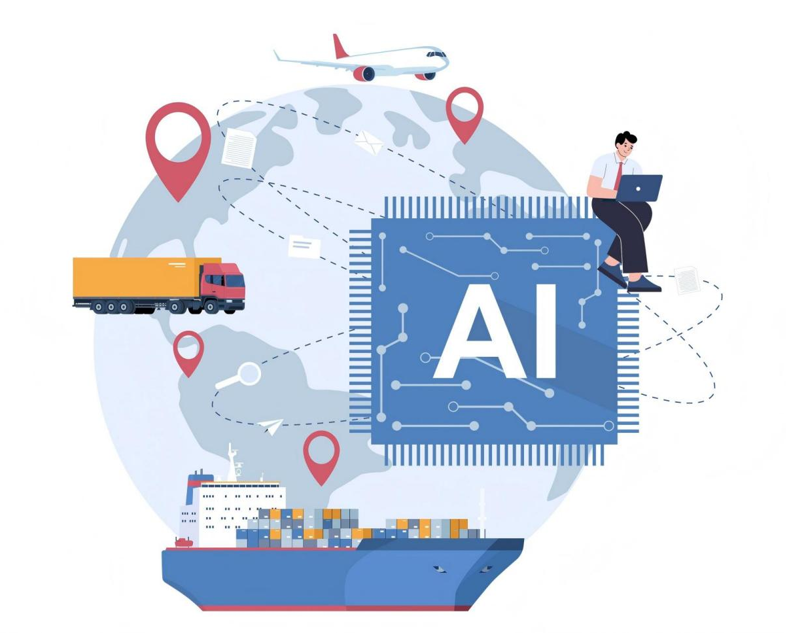
Automated dropshipping and AI-based fulfillment are no longer future concepts. They are becoming the operating standard for global sellers who want to move faster, reduce overhead, and serve customers with greater accuracy. For B2B sellers, wholesalers, and cross-border merchants, this shift is especially important because the old model of stocking inventory, manually routing orders, and managing fragmented logistics is too slow for today’s market.
At Looperbuy, we see this change from a practical angle every day: buyers want speed, reliability, and lower operating risk. The next era of dropshipping is not just about outsourcing delivery. It is about building a smarter fulfillment system where data, automation, and AI work together to improve every step from product sourcing to final shipment.
Table of Contents
Why Automated Dropshipping Is Accelerating
The global dropshipping market continues to expand rapidly. Recent industry reports estimate the market at hundreds of billions of dollars and project sustained double-digit growth in the years ahead. That growth is being driven by three major forces: cross-border commerce, seller demand for low-capital business models, and better automation software that connects online stores to supplier networks in real time.
Traditional dropshipping used to depend heavily on manual work. Sellers would check stock by hand, forward orders manually, and update tracking one by one. That process created delays, mistakes, and customer frustration. Automated dropshipping changes the model by using APIs, rule-based workflows, and AI-powered decision systems to handle repetitive tasks automatically.
What has changed most
– Inventory updates happen in real time.
– Orders are routed automatically to the right supplier.
– Tracking numbers sync back instantly.
– Pricing rules can adjust dynamically based on margin, demand, or competition.
– Product selection is increasingly data-driven, not guesswork-driven.
This matters because speed is now a competitive advantage. In a market where customers expect fast delivery and accurate fulfillment, automation is no longer a luxury. It is a requirement.
How AI-Based Fulfillment Works
AI-based fulfillment goes beyond simple automation. It uses machine learning, predictive analytics, and orchestration logic to improve how goods are stored, picked, packed, and shipped. In a smart fulfillment system, AI can analyze order patterns, forecast demand, optimize warehouse space, and reduce routing errors.
A well-known academic case study on Alibaba’s smart warehouse found that AI resources such as data, algorithms, and robots created measurable value through forecasting, planning, learning, and efficiency gains. This is a strong example of how AI can support fulfillment at scale when digital systems and warehouse operations are aligned.
Core capabilities of AI fulfillment
| Capability | Business value |
| Demand forecasting | Reduces stockouts and over-ordering. |
| Smart routing | Sends orders through the fastest or most cost-effective path. |
| Inventory optimization | Improves space usage and replenishment planning. |
| Error detection | Lowers pick-and-pack mistakes. |
| Performance learning | Improves operations over time as more data is collected. |
In practice, AI works best when it is connected to real operational data. The more accurate the supplier information, order history, and shipping performance data, the better the system becomes.
Why This Matters for B2B Sellers
For B2B sellers, the stakes are higher than in typical consumer dropshipping. Many buyers are not making one-time purchases. They are sourcing products for resale, distribution, or long-term supply relationships. That means fulfillment reliability, product consistency, and communication matter just as much as price.
Automated dropshipping helps B2B sellers in several ways:
– Lower upfront inventory risk.
– Faster market testing for new SKUs.
– Easier scaling across multiple channels.
– Reduced administrative workload.
– More consistent order handling across time zones.
AI-based fulfillment adds another layer of value by helping sellers identify which products are likely to perform, where delays may occur, and how to improve service levels before issues affect customers. For export-focused sellers working with Chinese suppliers, this is especially useful because the fulfillment chain often involves multiple parties, languages, and shipping routes.
The New Operating Model
The future fulfillment stack is becoming more connected and more intelligent. Instead of thinking about dropshipping as a single process, leading sellers now think in terms of an end-to-end operating system.
A modern automated fulfillment flow
1. Product discovery through market data and demand signals.
2. Supplier validation using performance history, lead times, and availability.
3. Listing synchronization across stores and channels.
4. Automated order routing to the best source.
5. Tracking and exception handling through AI-assisted monitoring.
6. Post-sale learning to improve future decisions.
This model reduces friction. It also makes it possible for a small team to operate like a much larger one. That is one reason automation software is expanding so quickly; industry forecasts show strong long-term growth for both dropshipping and warehouse automation markets.
A Practical Case From Smart Warehousing
One of the most compelling examples of AI fulfillment comes from Alibaba’s smart warehouse ecosystem. Research shows that AI in fulfillment is not just about robots replacing people. It is about orchestrating data, systems, and human judgment together.
That distinction is important. The strongest fulfillment systems do not eliminate human input. They use AI to handle repeatable decisions while teams focus on exceptions, supplier management, and service quality. In other words, AI becomes an operational partner rather than a full replacement.
This is exactly where many B2B sourcing businesses can gain an edge. A platform like Looperbuy can combine supplier access, order visibility, and logistics coordination into a smoother fulfillment experience for global merchants.
The Biggest Benefits in 2026 and Beyond
The next wave of fulfillment innovation will likely center on five benefits.
1. Faster order processing
Automation removes manual bottlenecks. Orders can move from checkout to supplier assignment within seconds.
2. Better inventory visibility
AI systems help sellers see what is available, where it is available, and how quickly it can ship.
3. Lower operating cost
Reducing manual labor in order handling, tracking updates, and stock checks cuts administrative overhead.
4. Stronger customer experience
Fewer errors, faster shipping updates, and more predictable delivery times create better trust.
5. Smarter business decisions
AI can reveal which products are losing margin, which suppliers underperform, and which routes need backup options.
These advantages are especially valuable in cross-border commerce, where delays and miscommunication can damage both revenue and reputation.
Risks Sellers Should Not Ignore
Even the best automation system has limits. Sellers who rely too heavily on software without process control can create new problems instead of solving old ones.
Common risks
– Supplier data may be inaccurate.
– Automation rules may route orders incorrectly.
– AI predictions may fail when market conditions shift.
– Shipping delays can still happen outside the platform’s control.
– Over-automation can reduce visibility into quality issues.
The right response is not to avoid automation. It is to design it with safeguards. Human review, exception alerts, quality checks, and supplier scorecards should remain part of the workflow.
How to Build a Smarter System
If you are planning an automated dropshipping or AI fulfillment strategy, start with the foundations.
Recommended implementation steps
1. Choose reliable suppliers with stable fulfillment records.
2. Connect your store to inventory and order systems through APIs or integrated tools.
3. Set clear rules for routing, pricing, and out-of-stock handling.
4. Monitor exceptions, not just standard orders.
5. Review performance weekly and adjust automation logic.
6. Use AI insights to refine product selection and shipping choices.
This is where many sellers overcomplicate things. You do not need a perfect system on day one. You need a system that is transparent, measurable, and easy to improve.
What Will Shape the Next Phase
Several trends will define the next phase of automated dropshipping and AI-based fulfillment:
– Predictive replenishment will reduce stock disruptions.
– Multi-node fulfillment will help sellers ship from the most efficient location.
– Collaborative robots and warehouse software will increase throughput in fulfillment centers.
– More intelligent analytics will guide product selection and margin planning.
– Supplier networks will become more API-driven, making integration faster and cleaner.
In other words, fulfillment will shift from reactive to proactive. The winners will not simply be the sellers with the most products. They will be the sellers with the best data, the fastest response systems, and the most resilient logistics partnerships.
How Looperbuy Fits In
Looperbuy’s value is aligned with where the market is going. Global sellers need a dependable way to source from China without carrying the burden of inventory, warehouse management, or logistics complexity. That is exactly where automated sourcing and AI-supported fulfillment can create value.
For sellers, this means:
– Lower risk before scale.
– Less time spent managing operations.
– More room to focus on sales, branding, and customer acquisition.
– A smoother path into international markets.
As automation becomes more advanced, the real competitive edge will come from combining technology with reliable sourcing execution. That is the future of dropshipping: not just faster operations, but better ones.
If you are building or scaling a cross-border dropshipping business, now is the time to modernize your fulfillment workflow. Start with supplier reliability, add automation where it removes friction, and layer AI where it improves decisions. The earlier you build that system, the easier it becomes to scale with confidence.
FAQ
1. What is automated dropshipping?
Automated dropshipping is a fulfillment model where inventory syncing, order routing, tracking updates, and other repetitive tasks are handled by software instead of manual work.
2. What is AI-based fulfillment?
AI-based fulfillment uses machine learning and data-driven decision systems to improve demand forecasting, order routing, inventory planning, and warehouse efficiency.
3. Is automated dropshipping suitable for B2B sellers?
Yes. It is especially useful for B2B sellers because it reduces administrative work, improves consistency, and makes cross-border operations easier to manage.
4. What are the biggest risks of using automation?
The main risks are inaccurate supplier data, incorrect routing rules, weak exception handling, and over-reliance on predictions without human review.
5. How can AI improve fulfillment performance?
AI can improve fulfillment by predicting demand, reducing stockouts, optimizing routes, detecting errors, and learning from historical order patterns.
6. Will AI replace human fulfillment teams?
Not completely. The strongest systems use AI to support humans, especially for exceptions, quality control, supplier coordination, and strategic decisions.
References
1. Zhang, D., Pee, L. G., & Cui, L. (2021). *Artificial intelligence in E-commerce fulfillment: A case study of resource orchestration at Alibaba’s Smart Warehouse*. International Journal of Information Management. [https://www.sciencedirect.com/science/article/abs/pii/S0268401220315036]
2. Research and Markets. *Dropshipping Market Report 2026*. [https://www.researchandmarkets.com/reports/5991074/dropshipping-market-report]
3. Grand View Research. *Dropshipping Market Size, Share, Growth Report, 2026-2033*. [https://www.grandviewresearch.com/industry-analysis/dropshipping-market]
4. Printful. *Top 11 dropshipping statistics you need to know in 2026*. [https://www.printful.com/blog/dropshipping-statistics]
5. Business Research Insights. *Dropshipping Automation Software Market, Size, Forecast 2033*. [https://www.businessresearchinsights.com/market-reports/dropshipping-automation-software-market-113653]
6. Global Market Insights. *Dropshipping Market Share, Analysis & Forecast, 2026-2035*. [https://www.gminsights.com/industry-analysis/dropshipping-market]
7. Alibaba Cloud. *AI Supply Chain*. [https://www.alibabacloud.com/en/solutions/supply-chain/dchain]
8. SellersCommerce. *Warehouse Automation Statistics (2026)*. [https://www.sellerscommerce.com/blog/warehouse-automation-statistics/]
9. Sell The Trend. *Dropshipping Automation Software: 2026 Ultimate Guide*. [https://www.sellthetrend.com/blog/dropshipping-automation-software]
10. Inventory Source. *The Future of Dropshipping-Trends & Innovations to Watch in 2026*. [https://www.inventorysource.com/the-future-of-dropshipping/]
-2-700x490.jpeg)