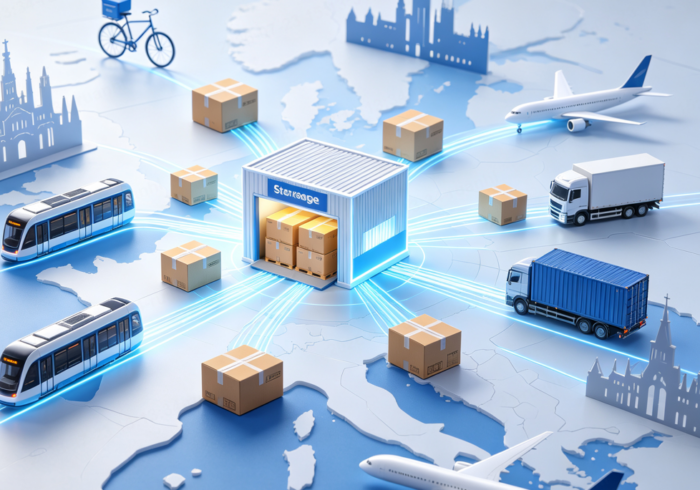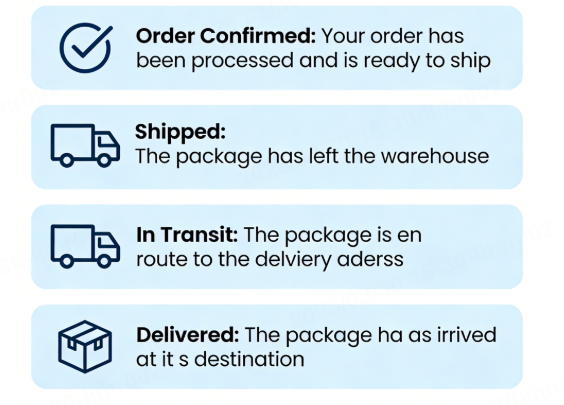
This article explains how to choose between multiple dropshipping suppliers for one store using a practical, operations-first framework. It focuses on quality, speed, inventory control, and customer experience, with a clear comparison method, supplier roles for easy publication.
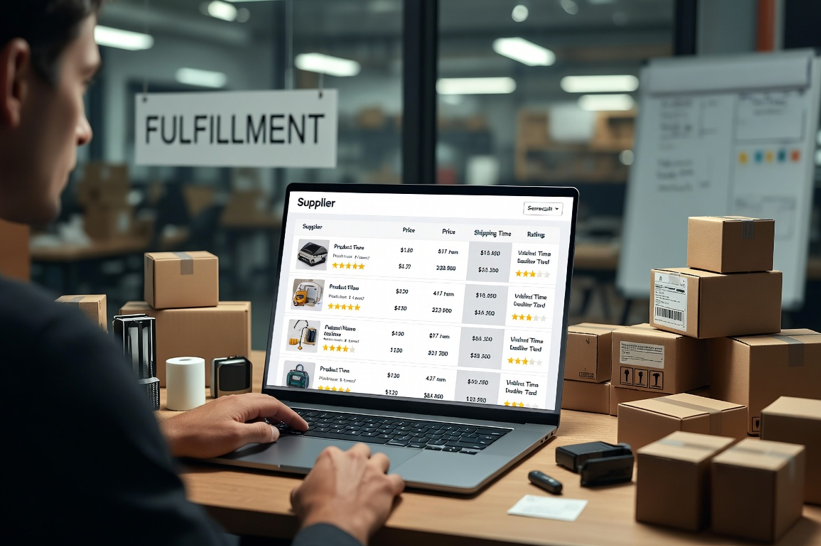
Choosing between multiple dropshipping suppliers for one store is not just a pricing decision — it is a risk, speed, and customer experience decision. The right supplier mix can improve margins, reduce stockouts, and make your store more resilient as it grows.
For B2B sellers, this decision becomes even more important. A store that depends on one supplier may face delays, inventory problems, inconsistent quality, or sudden fulfillment failures. A store that works with multiple suppliers can spread risk, improve sourcing flexibility, and build a stronger long-term operation.
Table of Contents
Why multiple suppliers can help
Using multiple dropshipping suppliers for one store is common because it gives you more flexibility in product selection, shipping routes, and backup options when one source fails. It also allows you to build a more stable supply chain, especially when you are selling across different regions or product categories.
One supplier may be strong on factory pricing, another may ship faster from local inventory, and a third may offer better branding or packaging support. That flexibility can make a real difference when you are serving customers in multiple countries or managing products with different shipping expectations.
Multiple suppliers are especially useful when your store is growing quickly. As order volume increases, you may find that no single vendor can handle every product, every destination, and every fulfillment need equally well. A multi-supplier model gives you room to scale without forcing one supplier to do everything.
What to evaluate first
Start with the factors that directly affect the buyer experience. The most important ones are product quality, shipping speed, inventory reliability, communication quality, return handling, and pricing consistency.
Here is a simple scoring framework you can use:
| Criterion | Why it matters | What to check |
| Product quality | Protects reviews and repeat orders | Samples, defect rate, inspection process |
| Shipping speed | Affects conversion and support tickets | Average dispatch time, transit time, tracking speed |
| Inventory stability | Prevents overselling | Stock sync frequency, buffer stock, restock history |
| Communication | Reduces fulfillment mistakes | Response time, clarity, escalation process |
| Returns support | Limits loss when issues happen | Return rules, photo proof, replacement policy |
| Total landed cost | Protects profit | Product price, shipping, fees, packaging, storage |
A supplier with the lowest unit price is not always the best choice if it creates hidden costs later. Slow fulfillment, weak quality control, or poor inventory visibility can erase the margin advantage quickly.
You should also pay attention to operational fit. Some suppliers are ideal for testing new products, while others are better for long-term stable fulfillment. A good supplier is not only affordable — it is also predictable, responsive, and easy to work with.
Build a supplier comparison system
The easiest way to choose between suppliers is to score them against the same criteria. Use a simple 1–5 rating for each supplier, then weight the categories based on your business model. For example, a fast-moving store may weight shipping speed and stock accuracy more heavily than customization options.
A practical workflow looks like this:
1. Order samples from each supplier.
2. Test packaging, product quality, and delivery time.
3. Check how quickly they answer questions.
4. Review inventory update frequency.
5. Compare shipping methods and destination coverage.
6. Confirm return and replacement procedures.
7. Run a small live order test before scaling.
This approach is especially useful when you are comparing suppliers for the same SKU. If two suppliers sell the same product, the better choice is often the one that gives you the best combination of reliability and operational simplicity rather than the cheapest list price.
You can also build a supplier dashboard in a spreadsheet or CRM. Track metrics such as defect rate, order accuracy, average delivery time, refund frequency, and communication response time. Once you have a few weeks or months of data, the best supplier usually becomes obvious.
Match suppliers to product roles
Not every supplier in your store needs to do the same job. In practice, the best stores assign roles to suppliers based on what each one does best.
– Use one supplier for core best-selling items that need stable supply.
– Use another for backup inventory when the main supplier goes out of stock.
– Use a third for niche products, customization, or faster regional delivery.
– Use local or overseas stock for urgent replenishment and trial products.
This model reduces single-point failure. It also gives you more room to optimize around product type, shipping destination, and order volume without forcing one supplier to handle every scenario.
For example, a store selling electronics accessories might use one supplier for cables and chargers, another for packaging-heavy premium items, and a third for seasonal products or test listings. That way, each supplier plays a role instead of competing for every order.
A role-based model is also easier for your team to manage. Instead of making a case-by-case decision every time, you can assign products based on rules. That saves time and lowers fulfillment errors.
Watch out for operational risk
The biggest mistake with multiple suppliers is not the number of vendors — it is the lack of order control. When inventory is not synced properly, stores can oversell, ship late, or send customers different delivery experiences for the same order. That creates support friction and refunds.
This is where many stores struggle. A business may choose strong suppliers individually, but still fail operationally because its systems are weak. If stock data is outdated or purchase orders are handled manually, the customer experience will quickly suffer.
To avoid this, make sure you have:
– Real-time or scheduled inventory sync.
– A clear fallback rule when one supplier runs out.
– Order routing logic by region, availability, or speed.
– Tracking updates pushed into your store quickly.
– A transparent shipping policy for split shipments.
If you use multiple suppliers, customers should know that items may arrive separately. That simple expectation-setting step can prevent confusion and reduce WISMO tickets.
You should also define a backup process for exceptions. For example, if one supplier misses an SLA or a product becomes unavailable, your team should already know whether to reroute the order, refund the item, or notify the customer. These rules make the business more stable and easier to scale.
When one supplier is not enough
There are several situations where relying on one supplier is a bad idea. If your catalog includes products from different categories, one supplier may not be able to provide enough variety or quality consistency. If your store serves multiple countries, shipping speed and customs handling may vary too much from one source to another.
You may also need more than one supplier if you are working with seasonal or trend-driven products. A supplier that performs well on one product line may not be able to keep up when demand spikes. Having backup suppliers can protect your store from sudden supply shortages and help you continue selling during busy periods.
Another reason to use multiple suppliers is to test market demand. A new product might perform well at first but later require a different fulfillment strategy. With multiple suppliers, you can test different sources without changing your entire operation.
How to compare beyond price
Price matters, but it should never be the only factor. A supplier that looks cheap at first can become expensive once you include shipping delays, packaging damage, customer complaints, and refund management.
Instead of asking, “Which supplier is cheapest?” ask, “Which supplier gives me the best total outcome?” That includes:
– Product consistency.
– Packaging quality.
– Delivery speed.
– Customer support responsiveness.
– Ease of communication.
– Return handling.
– Scalability.
This broader view is especially useful in B2B sourcing. In many cases, a slightly higher-cost supplier may actually generate more profit because it reduces operational friction and protects your store reputation.
You should also assess payment terms, minimum order requirements, and process complexity. A supplier that requires too many manual steps may slow your team down, even if the product cost is attractive. Operational simplicity is often underrated, but it has a direct impact on efficiency.
A practical decision model
When two suppliers look similar, choose the one that best fits your store’s main business goal.
– If your goal is higher margins, prioritize factory access, lower landed cost, and bulk-friendly pricing.
– If your goal is faster delivery, prioritize local inventory, warehouse coverage, and dispatch speed.
– If your goal is brand building, prioritize packaging, labeling, and quality control.
– If your goal is stability, prioritize inventory visibility, communication, and backup fulfillment options.
For many growing stores, the smartest structure is a hybrid one: one primary supplier, one backup supplier, and one fulfillment partner that can help with inspection, warehousing, and multi-order consolidation.
This approach gives you balance. You do not need to force every supplier into the same role. Instead, you use each one to strengthen a different part of the business.
New operating insight for 2026
A useful rule for 2026 store operations is this: do not choose suppliers only by product cost; choose them by cost-to-serve. Cost-to-serve includes how much staff time, customer support effort, rework, and shipping complexity each supplier creates. A cheaper supplier that causes frequent mistakes can be more expensive in real life than a slightly pricier one with better execution.
Another practical insight is to use suppliers with warehouse support when your catalog becomes more complex. Warehousing, inspection, consolidation, and temporary storage can reduce the pain of managing multiple supplier sources and improve fulfillment consistency.
This is especially helpful for stores that sell bundles, mixed-product orders, or products with varying lead times. When inventory is spread across too many sources, fulfillment can become chaotic. Warehouse-based support makes that process more manageable.
How to protect customer experience
Your supplier strategy should always support the customer experience. Even if your backend is complicated, the front-end experience should feel smooth, reliable, and transparent.
To protect customer satisfaction:
– Give realistic delivery estimates.
– Avoid overpromising shipping speed.
– Use clear product availability rules.
– Notify buyers when orders may ship from different sources.
– Keep tracking updates as fast as possible.
– Set up support templates for supplier-related delays.
Customers usually do not care how many suppliers you use. They care whether the product arrives on time, in good condition, and with clear communication. That is why supplier management is really a customer experience decision in disguise.
If you operate in markets where buyers expect fast answers, supplier communication becomes even more important. Slow internal responses often lead to slow customer responses, which damages trust. A clean supplier workflow helps your support team stay ahead of problems.
Example supplier matrix
Here is an example of how a store might split suppliers:
| Supplier type | Best use case | Main advantage | Main risk |
| Factory-direct supplier | Best-selling items | Lowest sourcing cost | Slower fulfillment |
| Overseas-stock supplier | Urgent orders | Faster delivery | Higher unit price |
| Warehouse fulfillment partner | Multi-item orders | Consolidation and QC | Process dependence |
| Backup supplier | Stockout protection | Business continuity | Slight variation in packaging or lead time |
This model keeps your store flexible while limiting disruption. It also makes it easier to expand without rebuilding your fulfillment process every time you add a new product line.
You can adapt this matrix based on your niche. Some stores may need more local stock, while others may rely more on factory-direct sourcing. The key is to make sure every supplier has a clear purpose.
Using data to make better choices
As your store matures, supplier selection should become more data-driven. Track the performance of each vendor regularly and review the numbers every month or quarter.
Useful metrics include:
– On-time shipping rate.
– Order accuracy rate.
– Defect rate.
– Refund and return rate.
– Tracking number delay.
– Customer complaint frequency.
– Average response time.
Once these numbers are visible, supplier decisions become much easier. A supplier that looked good during the first test order may turn out to be weak at scale. On the other hand, a supplier with slightly slower response times may prove highly reliable in actual fulfillment.
You can also compare suppliers by product category. A vendor may be excellent for one category but poor for another. Data helps you make those distinctions without relying on assumptions.
The best way to choose between multiple dropshipping suppliers for one store is to compare them on quality, speed, reliability, communication, and total operating cost — not just unit price. Once you build a simple scoring system and assign each supplier a clear role, your store becomes easier to scale and much harder to disrupt.
The strongest supplier strategy is usually not about finding one perfect vendor. It is about designing a system where each supplier supports a specific business need. That system gives you more control, better resilience, and a stronger customer experience.
Build your supplier shortlist, request samples, and test each vendor on a small order batch before you commit to scale. If you need a China sourcing and fulfillment setup that can support sourcing, inspection, warehousing, and shipping in one workflow, a centralized partner can simplify the entire process.
FAQ
1. Is it okay to use multiple dropshipping suppliers in one store?
Yes. It is common and often helpful because it improves product coverage, reduces dependence on one vendor, and gives you backup options.
2. How many suppliers should one store have?
There is no fixed number, but many operators keep a small core group and avoid adding suppliers without a clear reason. The key is operational control, not supplier count.
3. What matters most when comparing suppliers?
Product quality, shipping speed, stock reliability, communication, and return handling usually matter most because they affect customer satisfaction directly.
4. How do I avoid overselling with multiple suppliers?
Use inventory sync, buffer stock rules, and order routing logic so your store updates stock levels before customers place orders.
5. Should I choose the cheapest supplier?
Not always. The lowest price can create hidden costs through delays, errors, support issues, and higher return rates.
6. Can a fulfillment partner help manage multiple suppliers?
Yes. A fulfillment partner with sourcing, QC, warehousing, and shipping support can consolidate operations and reduce fulfillment complexity.
References
– LooperBuy. [B2B China Goods Sourcing E-Platform]
– LooperBuy. [How to Boost Online Sales: A B2B Expert’s Guide to Sourcing Chinese Goods Globally with LooperBuy]
– LooperBuy. [China Dropshipper: The B2B Strategic Sourcing Playbook for 2026]
– Ryviu. [Dropshipping Multiple Suppliers: The Ultimate Guide]
– AutoDS. [Can I Use Multiple Suppliers for My Shopify Store?]
– Wise2Sync. [Import & sync products from 100+ EU suppliers]
– Flxpoint. [The ONLY Way To Handle Multiple Suppliers For Shopify Dropshipping Stores]
– HiDropship. [China Warehouse, Free Storage, No Monthly Fees]