Factory direct sourcing vs wholesale buying isn’t just about price. Learn how each model affects margins, MOQs, logistics, SEO performance, and brand growth—and how platforms like Looperbuy let global sellers combine factory‑level pricing with dropshipping convenience.3
Choosing between factory direct sourcing and wholesale buying is not just a pricing decision—it’s a strategic call that shapes your margins, scalability, risk profile, and even how fast you can rank and convert on platforms like Amazon or Shopify. In this guide, I’ll walk you through this comparison from both a hands‑on practitioner and industry strategist perspective, weaving in how a B2B platform like Looperbuy can help global sellers capture the upsides of factory sourcing without drowning in operational complexity. [looperbuy]
Table of Contents
What Do We Mean by Factory Direct Sourcing and Wholesale Buying?
Factory direct sourcing means buying straight from manufacturers, often in China or broader Asia, negotiating specs, price, and production terms yourself. Wholesale buying usually means purchasing from intermediaries (wholesalers, distributors, trading companies) who aggregate products, carry inventory, and resell to you at a markup. [smartbuy.alibaba]
From an operational standpoint:
– Factory direct = more control, more work, lower unit cost. [runtoagent]
– Wholesale = faster, simpler, higher unit cost but lower operational burden. [usetorg]
Why This Choice Matters for Modern B2B Sellers
For global sellers, your sourcing model directly impacts:
– Gross margins and pricing flexibility on marketplaces. [bigcommerce]
– Inventory risk and cash flow tied up in stock, warehousing, and logistics. [barchart]
– Product consistency, reviews, and long‑term brand trust. [looperbuy]
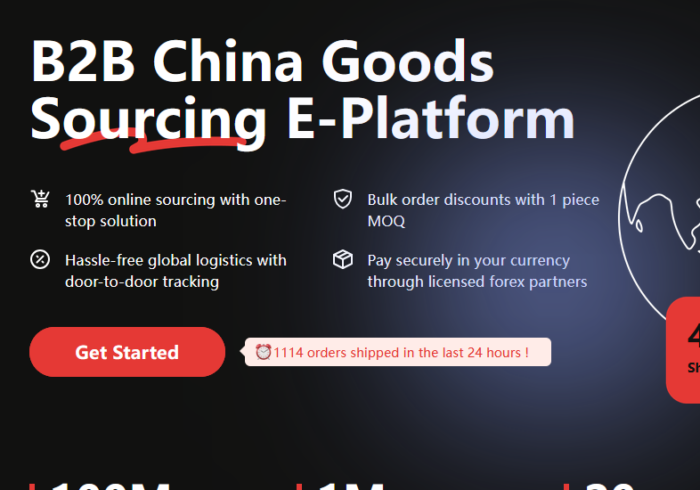
Platforms like Looperbuy emerged precisely because many sellers want factory‑level pricing and customization, but without having to become full‑time procurement managers and logistics coordinators. [looperbuy]
Factory Direct Sourcing: Core Advantages Sellers Love
1. Better Pricing and Margin Potential
When you cut out intermediaries, you typically gain access to factory‑level B2B pricing, often significantly lower than Western wholesale channels. Studies and field data suggest Chinese manufacturers can offer 25–40% lower prices than many European or North American suppliers for comparable products. [barchart]
This margin gap lets you:
– Compete aggressively on price while staying profitable.
– Absorb platform fees, advertising costs, and returns more comfortably.
2. Customization, Private Label, and OEM/ODM
With factory direct sourcing, you’re not just buying a product—you can shape it. Manufacturers often support: [alibaba]
– OEM (your brand, existing product design).
– ODM (customized or co‑developed product designs).
This unlocks:
– Custom packaging and branding.
– Feature tweaks tailored to your niche.
– Differentiated SKUs that avoid “race to the bottom” competition.
Platforms like Looperbuy sit at this intersection—helping global sellers plug into OEM/ODM capacity without needing deep technical sourcing knowledge. [looperbuy]
3. Supply Chain Transparency and Control
Buying direct gives you more visibility into who makes your product, how, and under what conditions. That matters for: [runtoagent]
– Regulatory compliance (CE, RoHS, FDA, etc.). [smartbuy.alibaba]
– ESG and sustainability reporting.
– Long‑term resilience (backup production lines, contingency planning). [runtoagent]
You can negotiate production lead times, QC processes, and packaging standards directly; in many wholesale setups, these parameters are opaque. [usetorg]
Factory Direct Sourcing: Hidden Risks Sellers Overlook
1. Higher MOQs and Inventory Load
Manufacturers typically require higher minimum order quantities (MOQs) than wholesalers. That means: [smartbuy.alibaba]
– More cash tied up per product line.
– Greater exposure if a product fails or trends change.
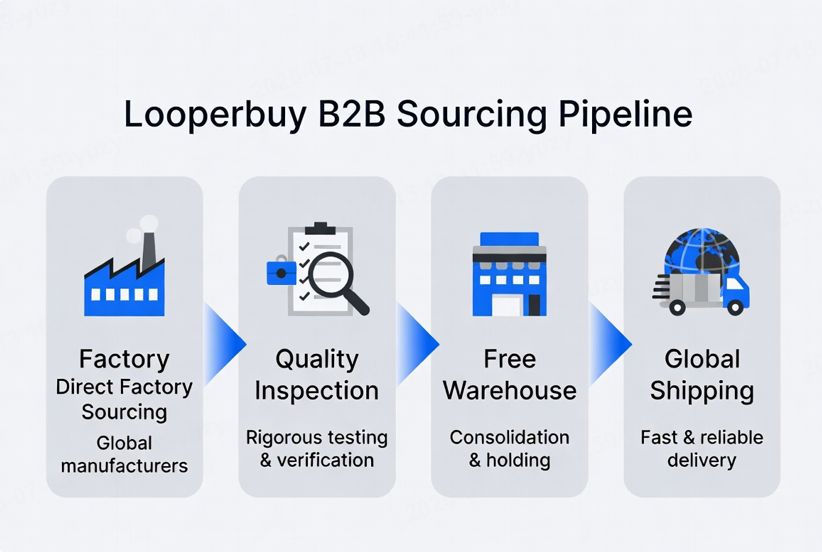
Without dropshipping or flexible fulfillment support, this can strain your cash flow and warehouse capacity. Looperbuy’s model—combining Chinese factory access with free warehousing and global fulfillment—is designed to reduce this friction by holding and shipping inventory on your behalf. [looperbuy]
2. Logistics, Documentation, and QC Complexity
Going direct means you own:
– International freight decisions and Incoterms.
– Customs documentation and duty calculations.
– Quality inspections and dispute handling.
Third‑party sourcing guides highlight how fragmented shipments, inconsistent QC, and weak contracts can erode the cost savings of factory pricing. Without structure or a capable partner, many smaller sellers underestimate the time and expertise required. [runtoagent]
3. Communication, Lead Times, and Relationship Management
Working directly with factories often involves:
– Cross‑language communication and cultural nuance.
– Longer lead times during peak seasons.
– Need for ongoing performance monitoring.
Modern procurement content emphasizes the role of relationship management and continuous supplier evaluation in mitigating these risks. Sellers who treat factories as transactional vendors rather than strategic partners usually fail to realize the full benefits of direct sourcing. [bigcommerce]
Wholesale Buying: Where It Still Makes Sense
1. Speed, Simplicity, and Lower Operational Overhead
Wholesale buying is appealing because it compresses sourcing into a single step:
– Browse catalog → place order → receive goods.
Wholesalers manage inventory, consolidate shipments, and often provide straightforward payment terms. This model suits: [usetorg]
– New sellers validating product‑market fit.
– Teams without procurement or logistics expertise.
– Brands that prioritize time‑to‑market over margin optimization.
2. Lower MOQs and Risk for New SKUs
Wholesalers frequently offer lower MOQs than factories, letting you:
– Test more SKUs with smaller upfront commitments.
– Pivot away from underperformers faster.
For early‑stage sellers, paying a markup can be worth the reduced risk and simpler operations. [smartbuy.alibaba]
3. Bundled Services and After‑Sales Support
Many wholesalers:
– Handle basic QC and packaging.
– Offer some after‑sales support or replacement terms.
This “bundled convenience” is attractive—but you’re paying for it in margin and losing access to deeper customization. [nber]
Wholesale Buying: Limitations That Hurt You as You Scale
1. Margin Compression and Limited Pricing Flexibility
You’re paying at least one extra layer of markup, and sometimes more. As competition intensifies, especially on marketplaces, this squeezes your ability to: [nber]
– Offer competitive prices.
– Absorb advertising and fulfillment cost increases.
Over time, sellers stuck in wholesale models struggle to reinvest in branding and R&D compared with those who move closer to the factory. [bigcommerce]
2. Poor Product Differentiation
Wholesale catalogs tend to be generic; competitors can source the same products from the same intermediaries. That leads to: [alibaba]
– “Me‑too” listings with minimal differentiation.
– Heavy dependence on price and advertising spend.
Without OEM/ODM customization, you’re fighting uphill to build a defensible brand.
3. Weak Supply Chain Visibility
Wholesale often obscures:
– Who actually manufactures your product.
– What certifications and audits the factory holds.
– How stable the upstream capacity is.
Recent procurement analyses stress that weak visibility magnifies risk—especially when geopolitical or regulatory conditions change. You may only discover vulnerabilities when something breaks (delayed shipments, quality failures, sudden stock‑outs). [barchart]
How Sourcing Choice Impacts Your SEO and Conversion Performance
1. Product Consistency, Reviews, and Rankings
Marketplace algorithms reward listings with high review scores and strong conversion rates. Inconsistent product quality leads to: [looperbuy]
– Negative reviews and returns.
– Lower click‑to‑conversion ratios.
Factory direct sourcing, when paired with robust QC and standardized specs, can stabilize product quality and review profiles. Platforms like Looperbuy emphasize vetted supplier networks and quality inspection to protect sellers from invisible factory changes that would otherwise hit review scores. [looperbuy]
2. Content Depth: Story, Compliance, and Proof
Factory direct sourcing helps you: [bigcommerce]
– Document real manufacturing credentials and certifications.
– Show behind‑the‑scenes process details (materials, testing, audits).
– Build richer brand stories that signal authority.
Wholesale content typically has fewer deep product insights—limiting your ability to stand out with detailed spec sheets, compliance information, and process visuals.
A Practical Decision Framework: When to Choose Which
Use this simplified framework when deciding between factory direct and wholesale for a specific product line:
Choose Factory Direct When…
– You have validated demand and need margin and scale.
– Customization or private label is critical to your positioning.
– You can leverage partners like Looperbuy to handle sourcing, warehousing, and dropshipping while you focus on brand and growth. [looperbuy]
Choose Wholesale When…
– You are testing new categories with limited capital.
– Your team has minimal sourcing/logistics expertise.
– You value speed and SKU breadth more than maximum margin.
Over time, many successful sellers start with wholesale and transition core winners to factory direct, using structured procurement processes or specialized platforms. [runtoagent]
Why Platforms Like Looperbuy Change the Equation
From an industry strategist viewpoint, the real unlock is not “factory vs wholesale” but factory‑level economics with wholesale‑level convenience. Looperbuy and similar digital procurement platforms aim to deliver exactly that by: [looperbuy]
– Connecting global sellers directly to vetted Chinese factories with B2B pricing. [looperbuy]
– Providing dropshipping, free warehousing, and global fulfillment, so sellers don’t need to own physical inventory or manage logistics. [barchart]
– Supporting OEM/ODM customization while consolidating shipping and providing QC layers. [looperbuy]
This hybrid model reduces the classic barriers to factory sourcing—MOQs, logistics complexity, and quality risk—while preserving most of the margin and customization upside.
Actionable Steps to Transition from Wholesale to Smarter Factory Sourcing
If you’re currently relying on wholesale and want to move closer to the factory without overextending your team, consider this phased plan (adapted from modern procurement best practices): [smartbuy.alibaba]
1. Identify Your Top 10 SKUs by Profit and Stability.
Focus on products with stable demand and strong reviews.
2. Define Clear Specs and Compliance Requirements.
Document materials, dimensions, packaging, target price, and certifications (CE, RoHS, FDA where relevant). [runtoagent]
3. Use a Platform to Shortlist Factories.
Work with Looperbuy or similar platforms to identify vetted Chinese manufacturers and gather quotes. [looperbuy]
4. Request Samples and QC Procedures.
Compare samples against your current wholesale products; align on inspection criteria and acceptable tolerances. [alibaba]
5. Start with Mixed Model: Factory + Dropshipping.
Combine factory direct production with platform‑managed warehousing/dropshipping to minimize inventory risk. [barchart]
6. Gradually Migrate Volume from Wholesale to Factory.
As performance stabilizes, shift more volume to factory direct and re‑invest saved margin into branding and marketing.
Factory Direct Sourcing vs Wholesale Buying
| Factor | Factory Direct Sourcing | Wholesale Buying |
| Unit pricing | Lowest, factory B2B rates. | Higher, includes reseller markup. |
| MOQs | Typically higher. | Generally lower. |
| Customization | Strong OEM/ODM options. | Limited to none. |
| Logistics workload | High unless using a platform. | Lower, handled by wholesaler. |
| Supply chain visibility | High, direct view of factory. | Lower, manufacturer often unknown. |
Source Smarter, Not Just Cheaper
If you’re ready to move beyond “just buying stock” and start building a resilient, high‑margin supply chain, explore how Looperbuy can connect you directly with vetted Chinese manufacturers, handle warehousing and dropshipping, and give you the customization edge your competitors lack. Start by reviewing your top SKUs today and testing factory‑level sourcing on just one product—you may be surprised how quickly the numbers make the decision for you. [looperbuy]
FAQs
1. Is factory direct sourcing always cheaper than wholesale buying?
Not always, but in most cases factory direct sourcing delivers lower unit costs, especially for stable, higher‑volume products. However, logistics, QC, and potential higher MOQs must be factored into total cost. [usetorg]
2. How can small sellers manage factory sourcing without a full procurement team?
Digital B2B platforms like Looperbuy provide sourcing, quality inspection, warehousing, and global fulfillment services, acting as an extension of your procurement team. This lets small sellers access factory advantages without building complex operations. [looperbuy]
3. When should I stay with wholesale instead of going direct?
Wholesale makes sense when you’re testing new categories, have limited capital, or need to move quickly and don’t yet have validated demand for a product. Once a SKU proves itself, factory sourcing becomes more attractive. [usetorg]
4. How does sourcing choice affect my Amazon or marketplace SEO?
Consistent product quality and reliable stock availability improve reviews and conversion rates, which are key ranking factors on major marketplaces. Factory sourcing with robust QC can stabilize performance, especially when combined with strong content and branding. [bigcommerce]
5. What role does data play in modern B2B sourcing decisions?
Advanced analytics and AI tools now help sellers evaluate suppliers, forecast demand, and optimize pricing based on real performance data. Platforms that provide verified supplier profiles and integrated tracking make data‑driven sourcing decisions much easier. [bigcommerce]
References
1. Looperbuy – B2B China Goods Sourcing E‑Platform. [looperbuy]
2. LooperBuy Blog – Amazon SEO Tips: A B2B Expert’s Guide to Optimizing Product Listings and Sourcing Smarter. [looperbuy]
3. RuntoAgent – Procurement Strategy: How to Effectively Source from 1688 and Alibaba. [runtoagent]
4. Alibaba SmartBuy – How to Do B2B Procurement: A Complete Guide for Smart Sourcing. [smartbuy.alibaba]
5. BigCommerce – Optimizing B2B Procurement for the Future. [bigcommerce]
6. Barchart – Driving B2B Procurement Efficiency With AI, Big Data, And Global Sources.[barchart]
7. Torg – Buy Direct from Manufacturers: When It Works & When Not. [usetorg]
8. Alibaba – Strategic Sourcing in B2B E‑Commerce: How to Find and Evaluate High‑Quality Product Suppliers. [alibaba]