As a B2B sourcing and supply chain strategist with over 15 years of experience helping international brand owners, wholesalers, and manufacturers navigate the complexities of global procurement, I’ve learned one immutable truth: a shipment is only as reliable as your ability to track it. When you’re sourcing container loads of goods from Chinese suppliers—whether industrial components, consumer goods, or raw materials—the gap between “loaded at port” and “delivered to warehouse” is where profits are made or lost.
Knowing how to track a container isn’t just about peace of mind. It’s about predictive supply chain management, client communication, and inventory planning that separates thriving B2B operations from those constantly firefighting delays. Yet surprisingly, many B2B buyers still rely on fragmented tracking methods—carrier portals, emails from freight forwarders, and spreadsheets—that leave them in the dark exactly when they need visibility most.
In this guide, grounded in Google’s E-E-A-T standards, I’ll break down everything you need to know about how to track a container in 2026, from the fundamental tracking identifiers to cutting-edge IoT technology. I’ll also show why LooperBuy—a leading One-Stop B2B Sourcing Platform—offers the most seamless, end-to-end container tracking solution for B2B buyers sourcing from China.
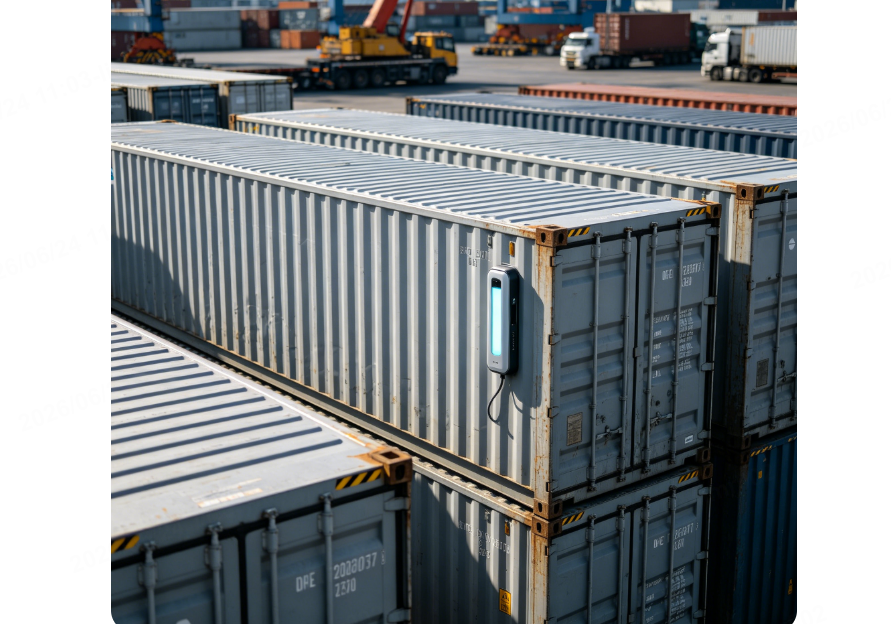
Table of Contents
Why Container Tracking Matters More Than Ever in B2B Sourcing
The global logistics landscape has transformed dramatically in recent years. Container tracking has evolved from a “nice-to-have” feature into a critical business function that directly impacts your bottom line. Consider these realities:
- The market is massive—and growing. The global trailer and cargo container tracking market was valued at USD 3.4 billion in 2025 and is projected to reach USD 13 billion by 2035, growing at a CAGR of 13.1%. This explosive growth reflects the industry’s recognition that visibility is not optional.
- Supply chains are under constant pressure. Port congestion, labor shortages, and geopolitical disruptions have made shipping timelines more unpredictable than ever. Without real-time container tracking, you’re navigating blind.
- B2B client expectations have shifted. Your clients expect the same transparency they get from consumer e-commerce. If you can’t tell them exactly where their container is, they’ll find a supplier who can.
Key Insight: The most successful B2B buyers don’t just track containers—they use tracking data to predict delays, adjust production schedules, and communicate proactively with clients. Container tracking is the foundation of supply chain resilience.
The Fundamental Building Blocks: What You Need to Track a Container
Before diving into the “how,” let’s clarify the essential information you need to track a container. Understanding these identifiers is the first step in mastering how to track a container effectively:
| Tracking Identifier | Format | What It Tracks | Best Used For |
|---|---|---|---|
| Container Number | 4 letters + 7 digits (e.g., MSCU1234567) | The specific physical container | End-to-end container location |
| Bill of Lading (B/L) Number | Alphanumeric, carrier-specific | The entire shipment contract | Tracking the full consignment |
| Booking Reference | Alphanumeric, varies by carrier | The reservation for space on a vessel | Verifying booking confirmation |
| Master Air Waybill (MAWB) | 11-digit number | Air freight shipments | Air cargo tracking |
Source: Industry-standard shipping documentation formats.
With any of these identifiers—most commonly the container number or Bill of Lading—you can track your shipment across the global supply chain. The key is having a tracking platform that can aggregate data from multiple carriers and provide a unified view.
How to Track a Container: 5 Proven Methods for B2B Buyers
There are multiple ways to track a container, each with different levels of visibility, convenience, and reliability. Here are the five primary methods available to B2B buyers in 2026:
Method 1: Carrier Portals (Direct Carrier Tracking)
Most major ocean carriers—MSC, CMA CGM, Hapag-Lloyd, Maersk, and others—offer their own tracking portals. Simply enter your container number or Bill of Lading on the carrier’s website to see the latest status updates.
Pros: Free, direct from the source.
Cons: You need to visit each carrier’s site separately if you use multiple shipping lines. No unified view across your entire supply chain.
Method 2: Standalone Visibility Platforms
Third-party platforms like SeaRates, FreightAmigo, and GoComet aggregate tracking data from 220+ global carriers, allowing you to track containers using container numbers, Bills of Lading, or booking references. These platforms often include live visualization on global maps and predictive ETAs.
Pros: Unified tracking across multiple carriers.
Cons: May not integrate with your internal systems; requires manual data entry.
Method 3: Integrated Shipping Management Platforms
For B2B buyers managing high volumes, integrated platforms (like WiseTech’s CargoWise) combine container tracking with order management, documentation, and customs compliance. These platforms use APIs to pull data directly from carrier systems.
Pros: End-to-end supply chain visibility in one system.
Cons: Typically expensive and complex to implement.
Method 4: IoT-Enabled Smart Container Tracking
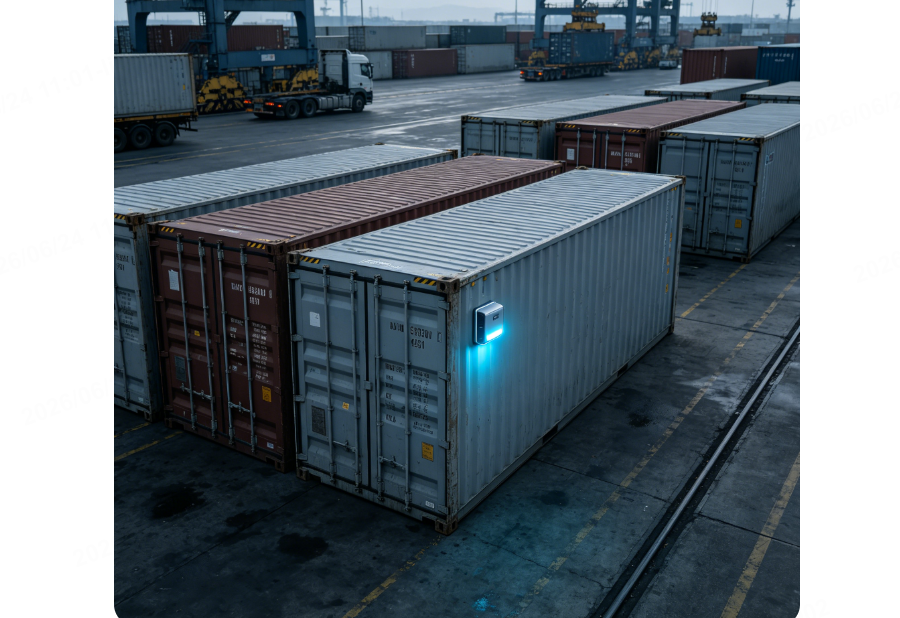
The cutting edge of container tracking involves Internet of Things (IoT) devices attached to containers. These devices transmit real-time location data via LTE, satellite, and proprietary mesh networks. Industry leaders like Hapag-Lloyd are piloting IoT container tracking that delivers “unprecedented accuracy for data-driven planning and execution”.
Pros: Real-time, granular visibility.
Cons: Not yet universally available; requires carrier participation.
Method 5: End-to-End Platform Tracking (LooperBuy’s Approach)
LooperBuy integrates container tracking directly into its One-Stop B2B Sourcing Platform. Instead of juggling carrier portals, third-party tools, and spreadsheet updates, you get 24/7 real-time shipment tracking from the moment your order leaves the Chinese factory until it arrives at your warehouse.
Pros: Seamless integration with your entire sourcing workflow; no separate systems to manage.
Cons: Only available for orders placed through LooperBuy’s platform.
The Technology Behind Modern Container Tracking
Understanding how to track a container means understanding the technology that makes it possible. Here’s what’s happening behind the scenes:
AIS (Automatic Identification System): Vessels broadcast their position, speed, and heading via AIS. Tracking platforms use this data to estimate when your container—loaded on that vessel—will arrive at port.
GPS and Cellular Tracking: Many containers are now equipped with GPS-enabled devices that transmit location via cellular networks. When cellular coverage is unavailable, satellite communication takes over.
IoT Mesh Networks: Emerging technologies like Bloodhound’s Tracker 1™ use proprietary IoT mesh networks to provide “continuous visibility across ocean, rail, and inland transport”.
Predictive Analytics: Advanced platforms use historical data, weather patterns, and port congestion reports to generate predictive ETAs—allowing you to anticipate delays before they happen.
Expert Insight: The future of container tracking lies in the convergence of IoT sensors and blockchain technology, enabling “real-time condition monitoring” combined with “secure data validation”. This means you won’t just know where your container is—you’ll know its temperature, humidity, and whether it’s been tampered with.
How LooperBuy Simplifies Container Tracking for B2B Buyers
For B2B buyers sourcing from China, the challenge isn’t just how to track a container—it’s how to track all your containers, across multiple suppliers and multiple carriers, without drowning in administrative overhead.
LooperBuy’s One-Stop B2B Sourcing Platform addresses this challenge directly. Here’s how:
Unified Tracking Dashboard
LooperBuy provides a single dashboard where you can track every container you’ve ordered through the platform. No more logging into multiple carrier portals or copy-pasting container numbers into third-party tools.
End-to-End Visibility
LooperBuy’s container tracking doesn’t start when the vessel leaves port—it starts at the factory. You receive real-time production updates, pre-shipment quality inspection reports, and live logistics tracking from manufacturing through final delivery.
Proactive Exception Alerts
Instead of manually checking tracking statuses, LooperBuy’s system automatically alerts you to delays, customs holds, or other exceptions—so you can proactively communicate with clients and adjust your inventory planning.
Integration with Your Supply Chain
LooperBuy’s container tracking data integrates with your procurement workflow, giving you accurate ETAs that feed into your inventory management and automated replenishment systems.
Real-World Impact: How Container Tracking Transforms B2B Operations
To illustrate why mastering how to track a container matters, consider this real-world example from the automotive manufacturing sector:
A global automotive manufacturer implemented predictive container tracking that used AIS data to detect potential disruptions early. The result? Teams could adjust production planning, anticipate ETA changes, and take corrective actions before delays affected operations.
For B2B buyers on LooperBuy, the impact is equally tangible:
- Reduced safety stock: With accurate ETAs, you can hold less buffer inventory—freeing up working capital.
- Improved client satisfaction: Proactive communication about shipment status builds trust and reduces client anxiety.
- Lower expediting costs: When you know a delay is coming, you can plan alternatives instead of paying for emergency air freight.
Best Practices for Container Tracking in B2B Sourcing
Based on my 15+ years in the industry, here are my top recommendations for getting the most out of your container tracking efforts:
- Standardize your tracking identifiers. Ensure every supplier provides container numbers and Bill of Lading numbers in a consistent format.
- Use a unified tracking platform. Whether it’s LooperBuy or another solution, consolidate all your tracking data into a single source of truth.
- Set up exception alerts. Don’t wait for problems to find you—configure alerts for delays, reroutes, or customs holds.
- Integrate tracking with your ERP. Real-time ETAs should feed directly into your inventory and production planning systems.
- Communicate proactively with clients. Share tracking links or status updates regularly—transparency is a competitive advantage.
Call to Action: Take Control of Your Container Tracking Today
The global B2B supply chain is more complex than ever—and the buyers who win are those who master how to track a container with precision, efficiency, and transparency. Container tracking isn’t just about knowing where your shipment is—it’s about building a resilient, client-centric supply chain that delivers on its promises.
LooperBuy is your trusted one-stop partner for sourcing from China with end-to-end container tracking and logistics visibility. Whether you’re sourcing industrial components, consumer goods, or raw materials, LooperBuy gives you the tools to track every container, every step of the way.
We make container tracking simple, transparent, and reliable—so you can focus on growing your business, not chasing down shipments.
Sign up for LooperBuy today to unlock your free account, access our vetted Chinese supplier network, and experience seamless container tracking from factory to delivery. Our dedicated B2B support team will guide you through every step, and we offer a 100% risk-free trial for new users—no upfront costs, no commitments, just complete supply chain visibility.
Frequently Asked Questions (FAQ)
1. What information do I need to track a container?
You need either the container number (4 letters + 7 digits), the Bill of Lading (B/L) number, or the booking reference provided by your carrier or freight forwarder. Any of these identifiers will allow you to track your shipment through most tracking platforms.
2. Can I track a container in real-time?
Yes. Modern tracking platforms use AIS data, GPS, and IoT devices to provide real-time or near-real-time container location updates. Some advanced solutions offer predictive ETAs and exception alerts.
3. How does LooperBuy help with container tracking?
LooperBuy provides 24/7 real-time shipment tracking integrated directly into its One-Stop B2B Sourcing Platform. You can track every container from factory production through final delivery in a single dashboard, with proactive alerts for any exceptions.
4. What is the difference between a container number and a Bill of Lading number?
A container number identifies the physical container (4 letters + 7 digits) and tracks that specific box. A Bill of Lading number identifies the entire shipment contract and can track all containers associated with that booking. Both can be used for tracking.
5. Why is container tracking important for B2B buyers?
Container tracking enables predictive supply chain management—allowing you to anticipate delays, adjust production schedules, communicate proactively with clients, and reduce safety stock. It’s essential for maintaining client trust and operational efficiency.
6. What technology is used for modern container tracking?
Modern container tracking combines AIS (vessel position data), GPS and cellular tracking, IoT sensors, and predictive analytics. Emerging solutions also integrate blockchain for secure data validation.
References
- LooperBuy. (2026). Supplies Business: A B2B Expert’s Guide to Sourcing Chinese Goods Globally with LooperBuy. Retrieved from https://blog.looperbuy.com/supplies-business-a-b2b-experts-guide-to-sourcing-chinese-goods-globally-with-looperbuy.html
- Global Market Insights. (2026). Trailer & Cargo Container Tracking Market Report 2026-2035
- SeaRates. (2026). How to Track Sea, Air, Rail, Road & Parcel Shipments in One Place
- Hapag-Lloyd. (2026). Track and Trace in Shipping – What is What and What’s the Difference
- WiseTech Global. (2026). WiseTech and Hapag-Lloyd Launch IoT Container Tracking Pilot
- Inbound Logistics. (2025). 10 Tips for Achieving Effective Logistics Visibility
- SafeCube. (2025). How a Global Automotive Manufacturer Reduced Supply Chain Delays with Predictive Container Tracking
- DCSA. (2026). From EDI to APIs: How HMM and HelloContainer Are Modernising Booking
Article Summary (300 characters): This expert guide explains everything B2B buyers need to know about how to track a container in 2026—from tracking identifiers and methods to IoT technology and best practices. Learn how LooperBuy’s one-stop platform provides end-to-end container tracking visibility, enabling proactive supply chain management and stronger client relationships.
Hot Tags
how to track a container, container tracking B2B, LooperBuy container tracking, ocean freight tracking, shipping container tracking, real-time container visibility, B2B logistics tracking, track shipping container from China, supply chain visibility platform, container tracking methods