Discover the top online shopping sites and B2B marketplaces shaping global e‑commerce in 2026. Learn how to source from China, reduce inventory risk, and use a procurement partner like Looperbuy to scale dropshipping and wholesale operations efficiently.
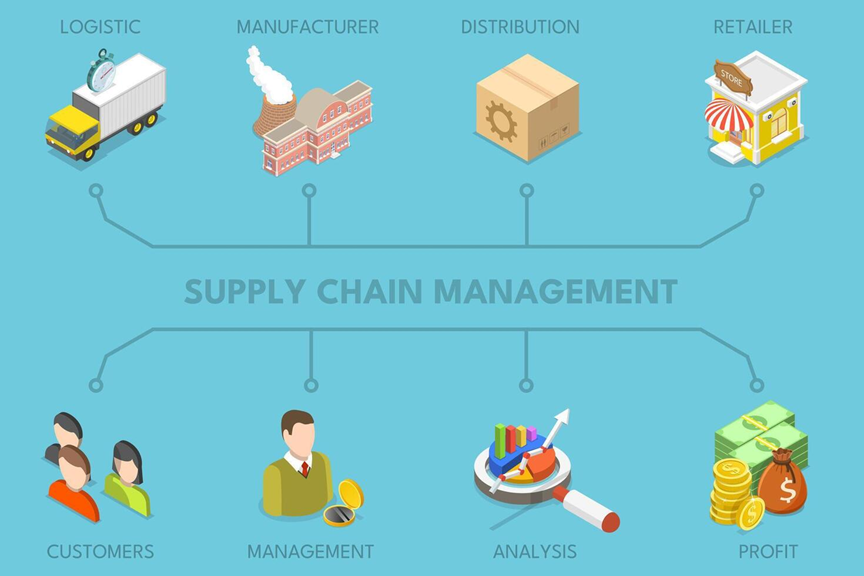
Choosing the right online shopping sites and B2B sourcing platforms is now one of the most important strategic decisions for global e‑commerce sellers, especially those relying on Chinese product sourcing and dropshipping to reduce inventory and logistics costs. Drawing on both industry data and hands‑on experience working with cross‑border sellers, this guide explains how to navigate the major platforms and how a specialized B2B procurement partner like Looperbuy can de‑risk your supply chain while protecting margins. [researchandmarkets]
Table of Contents
Why Online Shopping Sites Matter for Serious B2B Sellers
Over the past decade, the explosive growth of internet shopping sites has completely reshaped how products move from factories to end customers. Buyers now expect to source, purchase, and track goods from anywhere, at any time, without touching traditional retail infrastructure.
For B2B sellers, this shift creates both risk and opportunity:
– You gain access to millions of potential customers via platforms like Amazon, Walmart, and Temu.
– You can source from a global pool of suppliers across China, Vietnam, South Korea, India, and more. [researchandmarkets]
– You can run inventory‑light or inventory‑free models using wholesale, dropshipping, or hybrid fulfillment. [dragonsourcing]
But it also introduces real challenges: quality control, cash‑flow pressure from inventory, complex cross‑border logistics, and fragmented supplier communication.
A high‑quality B2B procurement and dropshipping partner can bridge that gap by combining product sourcing, quality assurance, and logistics management into one streamlined solution.
The Rise of Online Shopping: From B2C Retail to B2B Supply Chains
Most articles about “top online shopping sites” focus on consumer‑facing platforms, yet the real engine behind those B2C giants is the B2B sourcing infrastructure sitting behind them.
Sellers on Amazon, Temu, Wish, eBay, Shein, Walmart, and Etsy typically source in three main ways: [dragonsourcing]
– Long‑term relationships with manufacturers for high‑volume or strategic SKUs
– Trade shows and offline wholesalers for category exploration and price benchmarking
– Online B2B marketplaces and sourcing platforms to find verified suppliers, manage RFQs, and test new products at speed [researchandmarkets]
This is exactly where platforms such as Global Sources, Alibaba.com, Made‑in‑China.com, and specialized China B2B marketplaces have grown, acting as the infrastructure layer connecting global buyers and suppliers. [businesswire]
Top Online Shopping Sites Consumers Love (and What They Mean for B2B)
From a shopper’s perspective, the leading online shopping sites in 2026 are still dominated by a familiar set of names. Understanding how they operate helps B2B sellers reverse‑engineer demand and sourcing strategy.
Amazon: The Global E‑Commerce Juggernaut
Amazon remains the default online shopping destination in many markets, offering millions of SKUs across almost every category. Its Prime ecosystem, review system, and logistics network (FBA) create extremely high customer expectations around price, delivery speed, and post‑sales service.
For B2B sellers, Amazon is:
– A powerful demand channel for private‑label and wholesale products
– A benchmark for customer experience standards on all other platforms
But Amazon’s scale also means intense competition, price pressure, and strict performance requirements.
eBay, Walmart, Target and Other General Retailers
Platforms like eBay, Walmart, and Target blend marketplace models with their own retail operations. They compete on price, assortment, and omnichannel convenience, offering services like in‑store pickup, membership programs, and flexible delivery options.
For B2B sellers, these channels are attractive when:
– Your SKUs fit mainstream consumer demand
– You can meet platform‑specific logistics and compliance standards
Niche and Category‑Focused Platforms: Etsy, Best Buy, ASOS, Zappos, Newegg
Niche sites like Etsy, Best Buy, ASOS, Zappos, and Newegg focus on specific product verticals and deepen their value through expert curation and community.
They matter for B2B sellers because they:
– Reward category expertise and differentiated products
– Often tolerate smaller catalogs if quality and branding are strong
AliExpress: Cross‑Border Bargains for Global Consumers
AliExpress, a division of Alibaba, acts as a global B2C storefront where consumers buy directly from manufacturers and wholesalers—often based in China—at competitive prices. For B2B sellers, AliExpress is a live laboratory of global price points, trending SKUs, and shipping expectations in cross‑border commerce. [researchandmarkets]
Behind the Scenes: B2B Marketplaces Powering Global Sourcing
While consumer‑side sites get the headlines, B2B marketplaces and sourcing platforms quietly drive the majority of cross‑border inventory flow.
Alibaba.com, 1688.com, and China’s B2B Ecosystem
China’s B2B e‑commerce ecosystem is led by platforms such as Alibaba.com, 1688.com, Tmall, and JOYBUY by JD.com, which together generated close to USD 130 billion in revenue in 2023. [businesswire]
– Alibaba.com connects international buyers to a massive network of manufacturers and trading companies, offering RFQs, secure transactions, and trade assurance services. [businesswire]
– 1688.com serves mainly domestic Chinese buyers and resellers, giving access to factory‑level pricing but requiring local language and payment capabilities. [businesswire]
– Global Sources and Made‑in‑China.com differentiate with a strong emphasis on supplier verification and quality control. [businesswire]
For B2B sellers, the challenge is not finding suppliers—it is selecting reliable partners, aligning MOQs and lead times with your business model, and managing quality at scale.
Global Sources: Verified Suppliers and Trade Show Strength
The original article highlights GlobalSources.com as a long‑standing B2B platform with over 10 million registered buyers and participation from 97 of the world’s top 100 retailers. It combines:
– An online platform for digital sourcing and supplier verification
– Large‑scale trade shows focused on electronics, lifestyle products, and more
This dual online‑offline model helps serious buyers move from online research to face‑to‑face supplier qualification, which remains critical for high‑value or technically complex products.
Where Traditional “Top Shopping Sites” Content Falls Short for B2B
Typical “top online shopping sites” lists, including the one we used as a base, are written for consumers, not B2B sellers running global operations. They rarely answer key questions like:
– How do I reduce inventory risk while testing new SKUs?
– How can I handle cross‑border logistics without building my own warehouse network?
– How do I ensure consistent quality and compliance across multiple Chinese factories?
This is the information gap this enhanced article aims to fill: combining the familiar overview of consumer platforms with practical, expert‑level sourcing strategies and the role of specialized B2B procurement partners.
Key Factors When Choosing Online Shopping and Sourcing Platforms
When you choose where to source and where to sell, think of platforms as part of a connected system rather than isolated websites.
Core Evaluation Criteria for B2B
The original article outlines several criteria for choosing internet shopping sites; these also apply—often more strongly—to B2B sourcing.
Consider these factors:
1. Reputation and Trustworthiness
Use verified platforms or partners with a proven track record of quality, on‑time delivery, and transparent dispute resolution. [researchandmarkets]
2. Product Depth and Specialization
Look for platforms or partners with depth in your specific category (e.g., consumer electronics, home & garden, fashion accessories) to access better pricing and expertise. [dragonsourcing]
3. Total Cost and Value, Not Just Unit Price
Include product price, international shipping, customs, storage, returns, payment fees, and platform commissions when calculating margins.
4. User Experience and Workflow Integration
A clean interface, clear MOQs, structured catalogs, and simple order tracking improve speed and reduce internal errors.
5. Customer Service, After‑Sales, and Local Support
For B2B, this includes responsiveness to RFQs, ability to customize products, and clarity on warranty and returns. [pwc]
6. Security, Compliance, and Data Protection
Ensure secure payments and alignment with import regulations, certifications, and platform policies. [pwc]
7. Logistics Flexibility and Lead Times
Look for multiple shipping options, consolidation services, and visibility from factory to final customer. [dragonsourcing]
8. Mobile and Cross‑Platform Accessibility
Many B2B buyers now manage sourcing workflows on the move, so reliable mobile access is an advantage.
How Looperbuy Fits In: B2B Procurement and Dropshipping from China
As a B2B procurement platform (Looperbuy) focusing on Chinese product sourcing and global dropshipping, the core value is solving the hard part that traditional online shopping sites and general B2B marketplaces don’t fully address: end‑to‑end execution.
From a practitioner’s standpoint, Looperbuy can be positioned as:
– A single partner that helps you find reliable Chinese suppliers
– A dropshipping and fulfillment layer that removes the need for your own warehousing
– A cost‑control mechanism that reduces inventory, storage, and logistics management expenses
In practice, this means:
– You focus on branding, marketing, and customer acquisition on platforms like Amazon, Shopify, Walmart Marketplace, or niche vertical sites
– Looperbuy helps manage product selection, supplier communication, consolidation, quality checks, and global shipping from China
This approach aligns with the broader trend in global sourcing where companies move from purely cost‑driven purchasing to strategic, relationship‑driven partnerships with suppliers and service providers. [pwc]
Practical Sourcing Framework for B2B Sellers in 2026
To make this actionable, here is a high‑level sourcing framework that combines marketplace research, expert platforms, and a partner like Looperbuy.
Step 1: Map Demand from Consumer Platforms
Use datasets and tools tied to Amazon, Walmart, eBay, Temu, and AliExpress to understand which products are trending and what price points customers accept. [dragonsourcing]
– Analyze top‑selling SKUs and categories
– Benchmark review volume and common complaints
– Identify gaps in design, bundle, or quality where you can differentiate
Step 2: Shortlist Sourcing Options
Based on your target categories, shortlist where to source:
– Verified platforms (e.g., Global Sources, Alibaba.com, Made‑in‑China.com) [businesswire]
– Offline channels (trade shows, factory visits) for key suppliers [xiaoman]
– Dedicated B2B procurement partners such as Looperbuy for operational execution
Step 3: Evaluate Suppliers and Service Partners
Use a standardized evaluation checklist:
– Factory certifications and export experience
– MOQ flexibility and sample responsiveness [dragonsourcing]
– Lead time, production capacity, and peak‑season performance
– Quality control processes and defect resolution mechanisms [pwc]
When working with a procurement partner, also assess:
– Ability to support dropshipping and order‑level fulfillment
– Integration with your sales channels
– Transparency in pricing for logistics and handling
Step 4: Test Small, Then Scale
Run controlled trial orders to validate quality, delivery times, and communications, ideally across more than one supplier. [pwc]
– Use A/B testing on product pages (different specs or bundles)
– Track return rates, defect rates, and customer feedback
– Decide which SKUs to scale and which to drop
Key Online Platforms and B2B Roles (2026 Snapshot)
Below is a concise overview of how major platforms fit into a B2B seller’s strategy.
Future Trends in Online Shopping That B2B Sellers Must Watch
The original article lists several trends in online shopping, many of which directly affect B2B sellers.
AI‑Driven Personalization and Automation
E‑commerce platforms now rely heavily on AI and machine learning to recommend products, forecast demand, and optimize pricing. For B2B, this means:
– Smarter replenishment and inventory planning
– Better matching of products to specific buyer segments
A procurement partner that leverages data (for example, historical order patterns across multiple B2B clients) can help you identify winning SKUs faster.
AR/VR, Social Commerce, and Voice
Technologies like AR/VR try‑ons, live shopping, and voice commerce are primarily consumer‑facing, but they change what buyers expect everywhere. Sellers who invest in high‑quality visuals, clear product configuration, and interactive content will see higher conversion and fewer returns.
Sustainability and Compliance
As sustainability pressures grow, corporate buyers care more about ethical sourcing, traceability, and environmental impact. B2B procurement partners that can document supplier standards, material origins, and shipping footprints will become increasingly valuable. [pwc]
Choose the right partner for you
If you are a B2B seller looking to expand globally without taking on heavy inventory risk, choosing the right combination of online shopping sites and sourcing partners is critical. Instead of juggling dozens of suppliers, freight forwarders, and warehouses, you can centralize your Chinese sourcing and dropshipping through a partner that understands both manufacturing realities and platform requirements.
**Ready to simplify your sourcing and dropshipping from China?
Contact Looperbuy today for a tailored sourcing roadmap and a no‑obligation cost breakdown for your target categories.**
FAQs
1. Which online shopping site is best for B2B sellers?
There is no single “best” platform—it depends on your product category, target markets, and operational capabilities. Many sellers combine Amazon or Shopify for sales with Alibaba.com or Global Sources for sourcing, plus a procurement partner like Looperbuy to handle execution. [dragonsourcing]
2. How can I reduce inventory risk when sourcing from China?
Use smaller test orders, leverage dropshipping or light‑inventory models, and work with a B2B procurement partner that can consolidate orders and manage fulfillment on demand. This lets you validate demand before committing to large MOQs. [pwc]
3. Are Chinese B2B platforms safe for cross‑border sourcing?
Leading platforms like Alibaba.com, Global Sources, and Made‑in‑China.com invest heavily in supplier verification and secure payment systems, but due diligence is still necessary. Many buyers use a third‑party sourcing partner for additional on‑the‑ground checks. [businesswire]
4. What is the difference between Alibaba.com and AliExpress for B2B?
Alibaba.com is designed for B2B buyers sourcing in bulk, negotiating price, and setting custom specifications. AliExpress is more of a B2C marketplace where buyers purchase ready‑made products in smaller quantities at retail‑like prices. [researchandmarkets]
5. Why work with a B2B procurement platform like Looperbuy instead of going direct to factories?
Going direct can work once you have established relationships, but it requires time, negotiation skills, and risk management. A procurement partner like Looperbuy centralizes supplier selection, quality control, and logistics, letting you stay focused on branding and sales execution. [pwc]
References
1. Global Sources. “Top 10+ Online Shopping Sites in 2026.“
2. Research and Markets. “Snapshot of China B2B E‑Commerce Marketplaces Player Overview 2024.” [researchandmarkets]
3. Dragon Sourcing. “Product Sourcing Strategies for Your Online Store in 2025.”[dragonsourcing]
4. PwC. “Global Sourcing: Shifting Strategies.” [pwc]
5. Businesswire. “China B2B E‑Commerce Marketplace Player Overview 2024.”[businesswire]