Decorative paint has become a popular choice for homeowners looking to add a unique touch to their living spaces. This versatile medium allows for creativity and personalization, transforming ordinary walls and furniture into stunning focal points. In this article, we will explore the various aspects of decorative paint, including its types, techniques, applications, and benefits, providing you with a comprehensive understanding of why it is an essential element in modern home decor.
Table of Contents
Understanding Decorative Paint
What is Decorative Paint?
Decorative paint refers to a variety of paint products designed to enhance the aesthetic appeal of surfaces. Unlike standard paint, which primarily serves to provide color and protection, decorative paint incorporates various techniques and finishes that can create textures, patterns, and visual effects. This type of paint can be used on walls, furniture, and even accessories, allowing for a cohesive design throughout your home. The beauty of decorative paint lies in its ability to transform mundane surfaces into works of art, making it a favorite among interior designers and DIY enthusiasts alike.
Types of Decorative Paint
There are several types of decorative paint available, each offering unique characteristics and finishes. Some of the most popular types include:
– Chalk Paint: Known for its matte finish and ease of use, chalk paint is perfect for achieving a vintage or shabby chic look. It adheres well to various surfaces without extensive preparation, making it a favorite among DIY enthusiasts. Chalk paint can be easily distressed to create a rustic appearance, adding character to furniture pieces.
– Metallic Paint: This type of paint contains metallic particles that create a shimmering effect. It is often used to add elegance and sophistication to furniture, fixtures, and accent walls. Metallic paint can be applied in a variety of ways, from a subtle wash to a bold, reflective finish, allowing for a range of design possibilities.
– Textured Paint: Textured paint can create a three-dimensional effect on walls, mimicking materials like stone, plaster, or fabric. This paint is ideal for adding depth and interest to a room. Textured finishes can also help to hide imperfections in walls, making them a practical choice for older homes.
– Glaze: Glazing is a technique that involves applying a translucent layer over a base coat to create depth and richness. It is often used in combination with other decorative painting techniques. Glazes can be tinted to match your color scheme, allowing for endless customization options.
– Mural Paint: For those looking to make a bold statement, mural paint allows for the creation of large-scale artwork directly on walls. This can range from intricate designs to simple patterns, tailored to the homeowner’s taste. Murals can transform a room into a unique space that tells a story or reflects personal interests.
Techniques for Applying Decorative Paint
Basic Techniques
Applying decorative paint involves various techniques that can dramatically change the appearance of a surface. Here are some basic methods:
– Sponging: This technique involves using a sponge to apply a second color over a base coat, creating a soft, textured look. It is often used in living rooms and bedrooms for a subtle effect. Sponging can be done with different colors to create a layered appearance, enhancing the visual interest of the walls.
– Rag Rolling: Similar to sponging, rag rolling uses a rag to apply paint, resulting in a more pronounced texture. This technique is great for adding depth to walls. The randomness of the rag rolling technique can create a unique pattern that adds character to any space.
– Stenciling: Stenciling allows for precise designs and patterns to be painted onto surfaces. This technique is popular for creating borders or focal points in a room. Stencils can be purchased or made at home, providing flexibility in design choices.
– Ombre: The ombre technique involves blending two or more colors from light to dark or vice versa. This gradient effect can add a modern touch to any space. Ombre can be applied to walls, furniture, or even fabric, making it a versatile choice for various applications.
Advanced Techniques
For those looking to take their decorative painting skills to the next level, advanced techniques can create stunning results:
– Faux Finishes: Faux painting techniques mimic the appearance of materials such as marble, wood, or leather. These finishes can add luxury and sophistication to any room. Faux finishes require skill and practice but can yield breathtaking results that elevate the overall design.
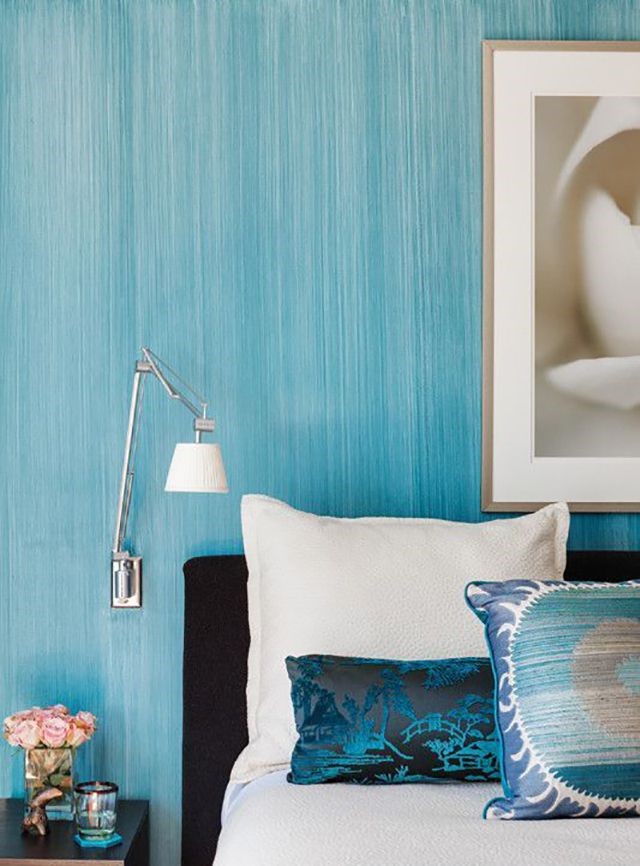
– Strié: This technique creates a linear texture that resembles fabric. It is achieved by dragging a brush or comb through wet glaze, resulting in a unique and elegant finish. Strié can be used to create a subtle backdrop or a bold statement, depending on the color choices and application method.
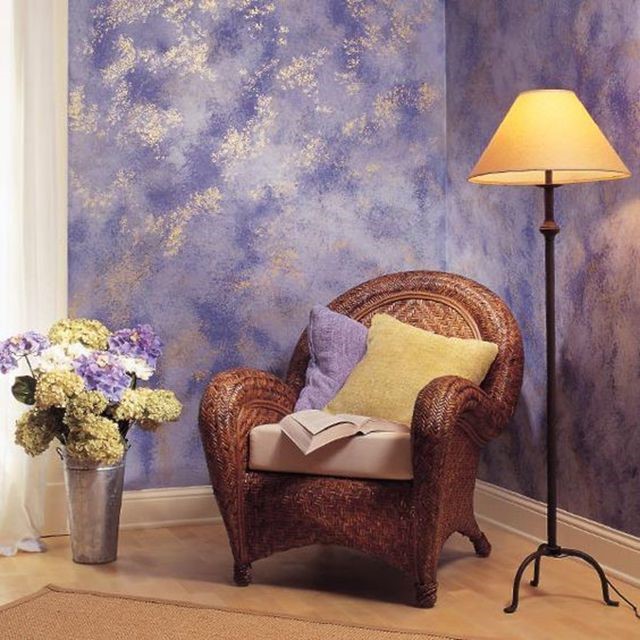
– Mottling: Mottling involves creating a speckled effect by layering different colors. This technique can add depth and complexity to walls, making them visually interesting. Mottling can be particularly effective in creating a natural stone appearance, enhancing the organic feel of a space.
Applications of Decorative Paint
Walls
One of the most common applications of decorative paint is on walls. Whether you choose to paint an entire room or create an accent wall, decorative paint can transform your space. Techniques like sponging, rag rolling, and stenciling can add character and style to your walls, making them a focal point in your home. Additionally, using decorative paint on walls allows for easy updates to your decor, as colors and techniques can be changed with relative ease.
Furniture
Decorative paint is also widely used on furniture. A simple coat of chalk paint can revitalize an old piece, giving it a fresh, modern look. Metallic paints can add glamour to side tables or dressers, while textured paints can create a rustic feel on cabinets or bookshelves. Painting furniture not only enhances its appearance but can also extend its life by providing a protective layer against wear and tear.
Accessories
In addition to walls and furniture, decorative paint can be applied to various accessories, such as picture frames, vases, and lamps. This allows for a cohesive design throughout your home, as you can match the colors and styles of your accessories to your overall decor theme. Painting accessories is an excellent way to incorporate seasonal changes into your decor, as you can easily update colors and styles to reflect different times of the year.
Benefits of Using Decorative Paint
Personalization
One of the most significant advantages of decorative paint is the ability to personalize your space. With countless colors, finishes, and techniques available, homeowners can create a unique environment that reflects their style and personality. This personalization can make a house feel more like a home, as every detail can be tailored to individual tastes.
Cost-Effective Transformation
Decorative paint offers a cost-effective way to transform your home. Instead of investing in new furniture or extensive renovations, a few cans of paint and some creativity can yield stunning results. This affordability makes decorative painting an attractive option for those on a budget, allowing for significant changes without breaking the bank.
Easy Application
Many decorative paints are designed for easy application, making them accessible for DIY enthusiasts. With minimal preparation and the right tools, anyone can achieve professional-looking results. The ease of application encourages creativity, as homeowners can experiment with different techniques and styles without the fear of making irreversible changes.
Versatility
Decorative paint is incredibly versatile, suitable for various surfaces and applications. Whether you want to refresh a room, update furniture, or add flair to accessories, decorative paint can do it all. This versatility allows homeowners to explore their creativity and adapt their decor to changing trends or personal preferences.
Enhancing Aesthetics
Finally, decorative paint enhances the overall aesthetics of a space. By adding color, texture, and patterns, it can create a more inviting and visually appealing environment. The right decorative paint can set the mood of a room, making it feel warm and welcoming or sleek and modern, depending on the desired effect.
Conclusion
Decorative paint is a powerful tool in the world of home decor. Its ability to transform spaces, personalize environments, and provide cost-effective solutions makes it a must-have for any homeowner. Whether you are a seasoned DIYer or a beginner, exploring the world of decorative paint can lead to exciting and beautiful results in your home.
How to purchase:https://looperbuy.com/search?keywords=decorative+painting
Frequently Asked Questions
1.What surfaces can I use decorative paint on?
Decorative paint can be applied to a variety of surfaces, including walls, furniture, metal, and even some plastics. Always check the manufacturer’s recommendations for specific surfaces to ensure the best results.
2.How do I prepare a surface for decorative painting?
Preparation typically involves cleaning the surface, repairing any damage, and sometimes priming. The specific steps can vary based on the type of paint and surface, but proper preparation is crucial for achieving a smooth and lasting finish.
3.Can I mix different types of decorative paint?
Yes, mixing different types of decorative paint can create unique effects. However, it’s essential to test the combination on a small area first to ensure compatibility and to achieve the desired look.
4.How long does decorative paint last?
The longevity of decorative paint depends on the type of paint used and the conditions of the environment. Generally, high-quality decorative paints can last several years with proper care, making them a worthwhile investment.
5.Is decorative paint suitable for outdoor use?
Some decorative paints are designed for outdoor use, but it’s crucial to choose products specifically labeled for exterior applications to ensure durability against the elements. Outdoor decorative paint should be resistant to fading, moisture, and temperature changes to maintain its appearance over time.