The outdoor apparel industry is undergoing a seismic shift. As the market approaches a projected $229 billion valuation by 2031 mordorintelligence, brands must navigate a landscape defined by technical innovation, sustainability, and rapidly evolving consumer preferences. For wholesalers and brand owners—often referred to as tfitters in niche manufacturing contexts—the ability to adapt is the difference between stagnation and scaling.

This guide explores the essential trends shaping the industry and how B2B platforms like LooperBuy are streamlining the sourcing process to ensure you remain competitive in this high-growth sector.
Table of Contents
1. The Sustainability Imperative
Sustainability is no longer a marketing buzzword; it is a fundamental business requirement. Consumers are increasingly scrutinizing the carbon footprint of their gear, leading to a surge in demand for recycled materials and circular economy models.
- Recycled Materials: Brands are moving away from virgin plastics, opting for recycled polyester and nylon derived from ocean waste whistler.
- Circular Business Models: Companies like Patagonia and Arc’teryx are leading by example with robust repair programs and consignment marketplaces, fostering deep customer loyalty whistler.
- Transparency: The market now demands full traceability in the supply chain to combat greenwashing accusations earth.
2. Athleisure’s Lasting Influence
The blurring lines between technical outdoor apparel and everyday fashion continue to drive volume. Consumers want clothing that transitions seamlessly from a mountain hike to a coffee shop.
- Versatility: Design focus is shifting toward “all-day wearability,” where functional performance meets aesthetic minimalism futuremarketinsights.
- Style-Performance Hybrid: Fabrics that are waterproof and breathable but look like high-street fashion are the gold standard for modern outdoor collections balancedimpact.
3. The Rise of Direct-to-Consumer (D2C) & Digital Sourcing
Traditional retail channels are being supplemented—and often replaced—by D2C strategies. This shifts the focus toward agile supply chains.
- Agile Sourcing: Brands need to source from manufacturers that can handle smaller batch sizes and provide rapid turnaround, which is where platforms like LooperBuy add immense value by connecting international buyers directly with Chinese production hubs.
- Data-Driven Decisions: By monitoring search trends, brands can identify breakout product opportunities before their competitors do balancedimpact.
Industry Analysis: Key Growth Drivers
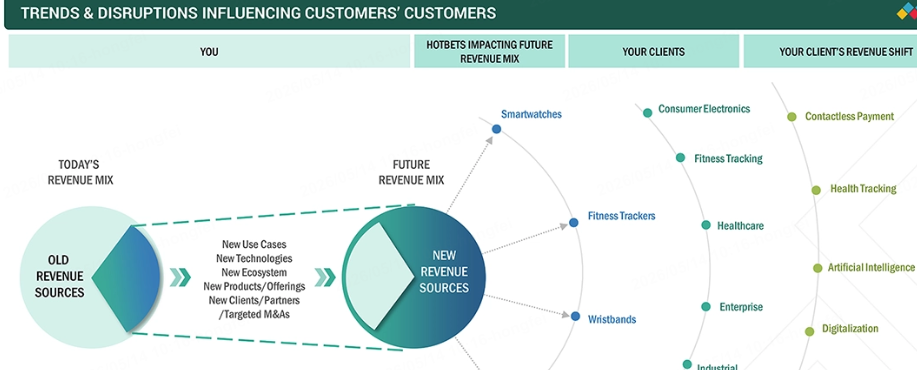
The surge in the outdoor apparel market is not just a trend; it is backed by concrete data.
| Metric | Projection/Data |
|---|---|
| Market Value (2031) | $229.07 Billion mordorintelligence |
| CAGR (2026-2031) | 5.59% mordorintelligence |
| Key Growth Region | Asia Pacific (highest projected growth rate) rawshot kenresearch |
| Primary Demand Driver | Increased outdoor recreation participation rawshot |
Expert Insight: Strategies for Tfitters & Sourcing Professionals
As a tfitters partner or brand owner, optimizing your supply chain is critical to margin management.
- Localize Your Supply Base: While China remains the global powerhouse for apparel manufacturing globalsources, the ability to source diverse materials through a single platform reduces logistics friction.
- Prioritize Technical Fabric Innovation: Investments in anti-bacterial and anti-odor fabrics are seeing a high ROI as consumers prioritize hygiene and longevity in outdoor gear htfmarketinsights.
- Optimize for Digital Excellence: Ensure your product listings are data-rich, providing clear technical specifications that help retail partners and consumers make informed decisions balancedimpact.
Conclusion
The outdoor apparel industry is evolving rapidly. Whether you are a brand owner looking to scale or a wholesaler sourcing the latest technical collections, focusing on sustainability, digital agility, and versatility is paramount. By leveraging efficient one-stop platforms, you can navigate these complexities, reduce overhead, and capture a larger share of this growing global market.
References
- [1] Global Sources – 10 Outdoor Apparel Industry Trends
- [2] Rawshot.ai – Outdoor Apparel Industry Statistics
- [3] TechSci Research – Global Outdoor Apparel Market Analysis
- [4] Mordor Intelligence – Outdoor Apparel Market Size, Share & 2031 Trends
- [5] Ken Research – Global Outdoor Apparel Market 2019-2030
- [6] Market Research Future – Outdoor Performance Apparel Market Report
- [7] Future Market Insights – Outdoor Apparel and Accessories Market
- [8] LinkedIn – Top 10 Key Players in the Outdoor Gear Market
- [9] HTF Market Insights – Outdoor Apparel & Equipment Market
- [13] Whistler.com – Selecting Sustainable Outdoor Gear
- [14] Balanced Impact – Outdoor Clothing Digital Marketing Insights
- [15] Global Sources – Top 10 Clothing Manufacturers in China
- [18] Earth.Org – Fast Fashion and Emissions: What’s the Link?
Frequently Asked Questions (FAQ)
Q1: What is the primary driver of growth in the outdoor apparel industry?
A1: The main driver is the significant increase in global participation in outdoor recreation, combined with continuous innovation in technical, sustainable fabrics rawshot kenresearch.
Q2: How are tfitters and brand owners handling the demand for sustainability?
A2: They are prioritizing recycled materials, implementing circular business models like repair and resale, and ensuring transparent supply chain practices to avoid greenwashing whistler earth.
Q3: Is the outdoor apparel market becoming more competitive?
A3: Yes, competition is increasing as high-street and lifestyle brands launch technical collections, making it critical for specialized brands to employ laser-focused marketing and digital expertise balancedimpact.
Q4: Why is sourcing from China still a top strategy for outdoor apparel brands?
A4: China offers extensive manufacturing infrastructure, technological innovation, and cost-efficiency, which is highly accessible through B2B sourcing platforms like LooperBuy globalsources.
Q5: What are the most promising product categories for the coming years?
A5: Products that combine performance with versatility (athleisure) and those featuring technical improvements like anti-bacterial/anti-odor treatments are experiencing significant demand futuremarketinsights htfmarketinsights.
Article Summary
This expert-led guide analyzes the transformative trends in the global outdoor apparel market, projected to reach $229 billion by 2031. It highlights the critical shift towards sustainable materials, the enduring influence of athleisure, and the strategic importance of D2C-focused, agile supply chains. Providing actionable insights for tfitters and sourcing professionals, the article outlines how to optimize sourcing via digital platforms for long-term competitiveness.
Hot tags: Outdoor apparel wholesale, Bulk outdoor clothing suppliers, Sustainable sportswear manufacturing, B2B apparel sourcing platform, Private label outdoor gear, Technical fabric manufacturers, Global apparel supply chain, China outdoor clothing factory, D2C apparel sourcing solutions, Outdoor wear market trends.