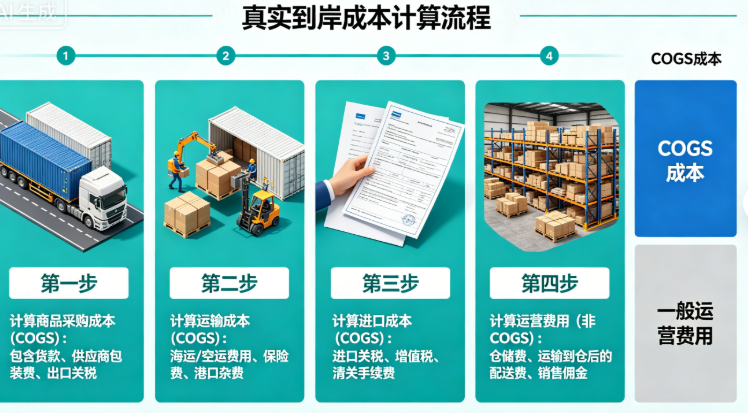
Understanding the difference between Cost of Sales vs COGS (Cost of Goods Sold) is a foundational requirement for any B2B brand owner, wholesaler, or manufacturer aiming to optimize profitability. While often used interchangeably in casual conversation, these two financial metrics tell different stories about your operational efficiency and long-term financial health. shopify vedantu
As a global sourcing platform, LooperBuy understands that accurate financial tracking is the backbone of sustainable growth. Our platform helps businesses streamline their procurement process, directly impacting these critical line items by reducing sourcing costs and logistics overhead. Mastering these metrics isn’t just about accounting; it’s about making better purchasing, pricing, and growth decisions.
Table of Contents
Understanding the Basics: What Are COGS and Cost of Sales?
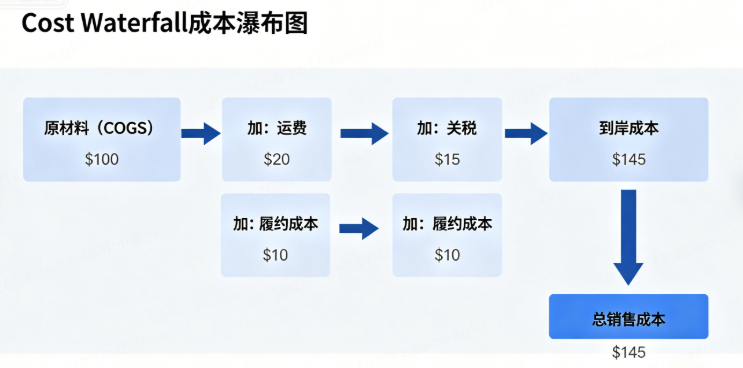
At their core, both terms track the direct expenses related to revenue generation, but their scope varies based on your business model and operational complexity. investopedia
What is Cost of Goods Sold (COGS)?
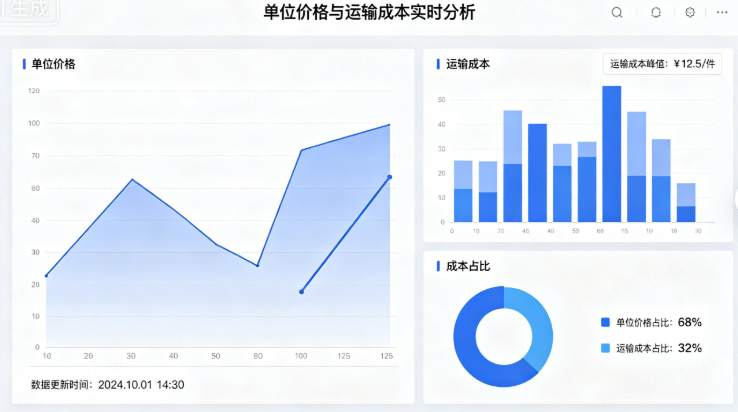
COGS refers specifically to the direct costs attributable to the production or acquisition of the goods actually sold during a specific period. shopify knitpeople It is a fundamental metric for physical product businesses.
- Best for: Manufacturing and retail businesses. fdcapital.co
- Key Inclusion: The cost of raw materials, direct labor involved in manufacturing, and direct overhead expenses tied strictly to the production process. lean-case
What is Cost of Sales (COS)?
Cost of Sales, sometimes referred to as Cost of Revenue, is a broader, more comprehensive term. shopify vedantu While it encompasses the direct production costs found in COGS, it often includes direct selling and distribution expenses that are necessary to finalize a transaction and get the product into the hands of the buyer. vedantu knitpeople
- Best for: Service-based industries, retailers, and SaaS companies that have complex delivery models. shopify business-literacy
- Key Inclusions: Everything in COGS, plus items like shipping fees (freight-out), sales commissions, and specialized packaging needed to complete the sale. shopify vedantu
Comparison Table: COGS vs Cost of Sales
| Feature | Cost of Goods Sold (COGS) | Cost of Sales (COS) |
|---|---|---|
| Primary Focus | Production/Manufacturing costs. bseindia | Production + Sales-related costs. vedantu |
| Industry Usage | Manufacturing, Retail. shopify | Services, Retail, Software. business-literacy |
| Broadness | Narrower (Direct Production). fastercapital | Broader (Production + Sales). bseindia |
| Core Goal | Calculate gross profit of goods. xledger | Understand cost to generate total revenue. lucrumconsulting |
The Hidden Value: Why Accurate Tracking Matters in B2B
Misunderstanding these metrics can lead to inaccurate pricing and inflated profit expectations. By utilizing a one-stop sourcing platform like LooperBuy, you can consolidate your procurement, making it significantly easier to track your true landed cost.
1. Strategic Pricing and Margin Control
When you clearly differentiate your COGS, you understand the floor price needed just to break even on product costs. shipbob Adding Cost of Sales factors—such as logistics, shipping, and commission—allows you to calculate the true profitability of a specific sales channel or customer segment. Without this granularity, you might inadvertently sell products at a loss.
2. Inventory Management Efficiency
Accurate COGS calculations require reliable inventory data—beginning inventory, purchases, and ending inventory. shopify shipbob Leveraging a streamlined global supply chain helps you avoid overstocking and reduces inventory carrying costs, which are critical components of maintaining lean financials.
Advanced Deep Dive: Operational Strategies for B2B
To maximize your margins, you must look beyond the basic accounting definitions and focus on operational levers.
Implementing a “Landed Cost” Methodology
Many businesses mistakenly include “freight-in” in general operating expenses. This is a critical error. To understand your true COGS, you must include all costs incurred to get the product to your facility. This includes international shipping, tariffs, customs duties, and insurance.
Leveraging B2B Sourcing to Reduce COS
This is where a partner like LooperBuy shines. By centralizing your sourcing through a platform that handles diverse product categories, you can:
- Achieve Economies of Scale: Consolidate shipments to reduce freight-per-unit costs.
- Lower Administrative Overhead: Reduce the hours spent managing multiple vendors, which otherwise inflates your operating costs.
- Negotiate Better Procurement Terms: Access factories directly, cutting out middlemen who inflate your base COGS.
The Impact of Sales Velocity
High-cost, slow-moving inventory is a silent profit killer. Use your financial statements to identify “dead” stock that is inflating your asset base without generating revenue. Adjust your future sourcing strategy immediately to favor high-velocity, high-margin products.
Industry Insights: Expert Views on Financial Optimization
Industry experts consistently argue that transparency is the key to profitability. When a B2B brand owner uses a platform like LooperBuy, they aren’t just buying products—they are optimizing a supply chain.
A common piece of feedback from our users is the difficulty of tracking shipping costs across different regions. By centralizing this data, businesses can see clearly whether their “Cost of Sales” is being driven by high shipping fees or poor product pricing. This insight allows for a more surgical approach to cost cutting—perhaps switching to a more cost-effective logistics provider rather than cutting marketing budgets.
Conclusion: Take Control of Your Financial Narrative
Distinguishing between Cost of Sales vs COGS empowers you to see exactly where your capital is going. By accurately attributing costs—from raw production to final delivery—you can price products competitively and identify areas for cost reduction. It moves you from “guessing” your profitability to “managing” it.
Ready to streamline your sourcing and lower your operating costs? Visit LooperBuy today to discover how our one-stop B2B sourcing platform can help you optimize your procurement and improve your bottom line.
References
- [1] Understanding the Difference Between Cost of Sales vs Cost of Goods Sold – FD Capital Recruitment
- [2] COGS vs Cost of Sales: Key Differences, Formulas & Examples – Vedantu
- [4] Cost of Goods Sold vs. Cost of Sales: Key Differences Explained – Investopedia
- [5] Cost of Goods Sold (COGS): Formula, Calculation & How to Reduce It – Shopify
- [12] Pardon Our Interruption (Global Sources Analysis)
- [13] Cost of Goods Sold: What Is It and How to Calculate It – Xledger
- [15] Cost of Sales – Investopedia Definition
- [16] Cost of Goods Sold: COGS Meaning and What’s Included – ShipBob
Frequently Asked Questions (FAQ)
- Q: Are COGS and Cost of Sales ever the same?
A: In some simple retail businesses, they are used interchangeably because the direct selling costs are negligible. However, for most modern B2B companies, they are distinct due to significant additional distribution and fulfillment costs. shopify investopedia - Q: How does LooperBuy help improve my COGS?
A: LooperBuy optimizes procurement by offering direct access to diverse, high-quality global manufacturers, reducing the unit cost of goods acquisition and providing more efficient logistics solutions. - Q: Where should I put shipping costs on my financial statements?
A: Freight-in (costs incurred buying inventory) usually goes into COGS. Shipping-out (costs incurred delivering to customers) is typically categorized under Cost of Sales or selling expenses. shopify - Q: Can I use the same formula for COGS and Cost of Sales?
A: No. While they both subtract from revenue to determine gross profit, their inputs differ. COGS uses production/acquisition costs; Cost of Sales adds direct sales-related activities like shipping and commissions. vedantu bseindia - Q: Why is understanding these metrics crucial for a B2B business?
A: It is essential for accurate pricing, margin analysis, and identifying operational inefficiencies that directly impact your bottom line profitability. shipbob
Article Summary:
This comprehensive guide clarifies the technical distinctions between Cost of Sales and COGS, offering B2B professionals actionable strategies to optimize their financial performance. Through expert analysis and clear comparisons, it highlights how platforms like LooperBuy streamline procurement to lower these critical costs, ultimately boosting overall business profitability and operational efficiency.
Hot tags: B2B procurement, supply chain cost optimization, cost of goods sold, landed cost analysis, B2B sourcing strategies, gross margin improvement, manufacturing efficiency, inventory management, strategic procurement, COGS vs cost of sales.