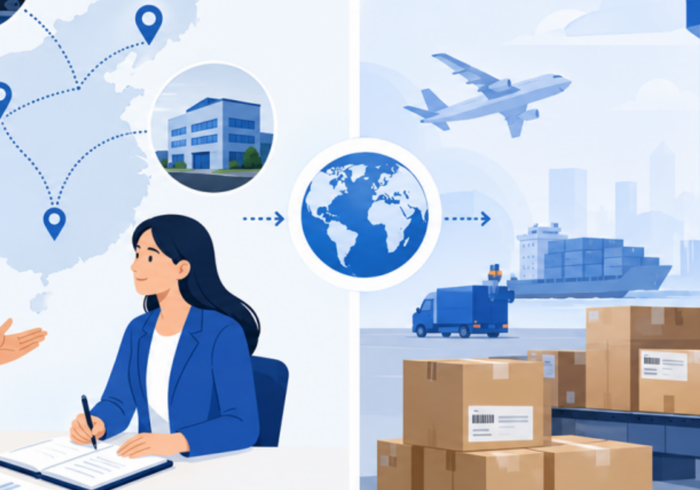
When scaling your global supply chain, the Incoterms you choose dictate more than just shipping costs—they define your operational risks, administrative burden, and the overall customer experience. For B2B platforms like LooperBuy, bridging the gap between global buyers and Chinese suppliers requires a crystal-clear understanding of DAP vs DDP shipping terms.
Choosing between Delivered at Place (DAP) and Delivered Duty Paid (DDP) is a strategic decision that can either streamline your logistics or introduce unexpected liabilities. This guide provides an expert-level breakdown to help you make the right choice for your business model. shippingsolutionssoftware modaltrans
Table of Contents
What Are DAP and DDP?
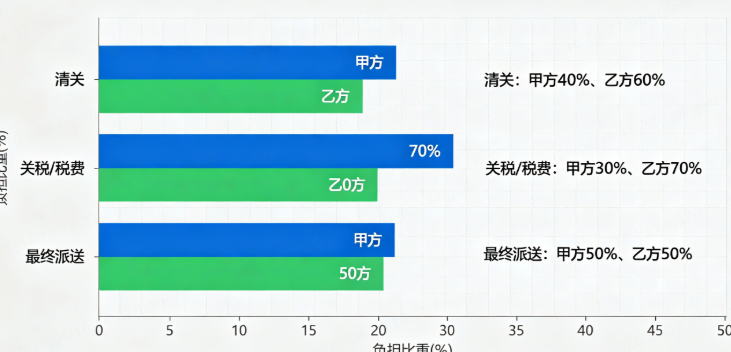
Incoterms (International Commercial Terms) are standardized rules published by the International Chamber of Commerce that define responsibilities in international trade. inboundlogistics
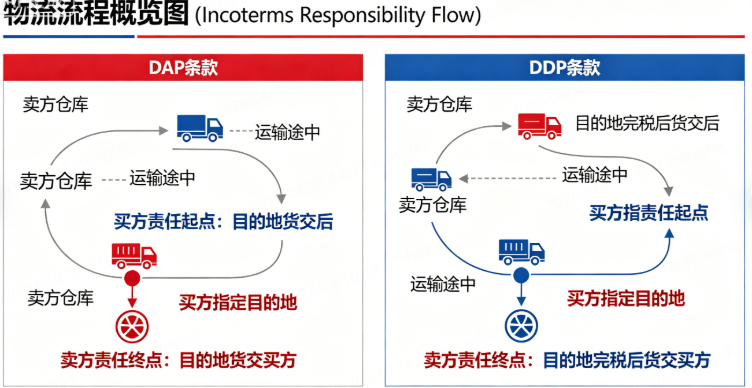
- DAP (Delivered at Place): The seller is responsible for delivering the goods to a named destination agreed upon with the buyer, but the buyer is responsible for import customs clearance and paying all import duties and taxes. modaltrans inboundlogistics
- DDP (Delivered Duty Paid): The seller assumes maximum obligation. They are responsible for delivering the goods to the buyer’s premises, including handling all import customs clearance and paying all duties and taxes. inboundlogistics ecommercefulfilment
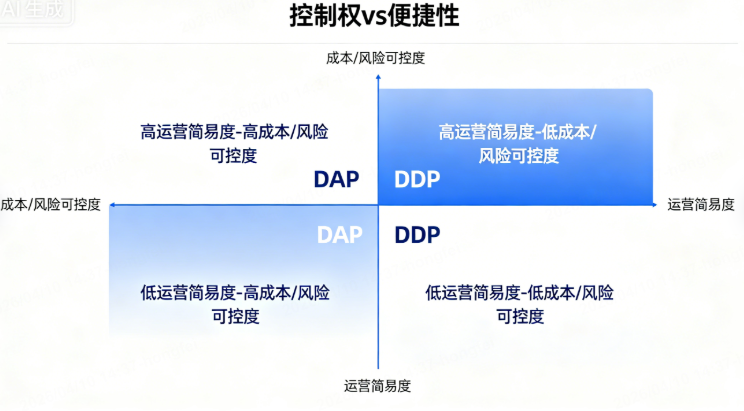
Comparative Analysis: DAP vs DDP
| Feature | DAP (Delivered at Place) | DDP (Delivered Duty Paid) |
|---|---|---|
| Customs Clearance | Buyer modaltrans | Seller inboundlogistics |
| Import Duties/Taxes | Buyer modaltrans | Seller inboundlogistics |
| Risk Transfer | At destination before clearance modaltrans | At destination, ready for unloading shippingsolutionssoftware |
| Complexity for Buyer | Higher (needs to manage customs) modaltrans | Minimal (hassle-free delivery) modaltrans |
| Risk for Seller | Lower lansilglobal | Extremely High shippingsolutionssoftware |
Deep Dive: The Strategic Trade-offs
Why Choose DAP?
DAP is often preferred by experienced buyers who want full control over their supply chain. Because the buyer handles the final import clearance, they can leverage their existing relationships with local customs brokers and potentially secure better rates on duties and taxes. modaltrans encorefulfills
- Cost Efficiency: Experienced importers often reduce total landed costs by managing local logistics and customs independently. modaltrans
- Customs Transparency: Buyers maintain visibility over the customs process, which is essential for regulated or sensitive goods. encorefulfills
- Reduced Seller Liability: For Chinese suppliers, DAP is significantly safer because they are not responsible for the import bureaucracy of the destination country, which they may not be familiar with. lansilglobal
Why Choose DDP?
DDP offers a frictionless experience for the buyer, making it an excellent choice for eCommerce businesses or brands that want to offer “landed cost” pricing to their customers without making them deal with customs bureaucracies. modaltrans lansilglobal
- Superior Customer Experience: The buyer (or the end customer) does not face unexpected fees upon arrival. shipfusion
- Simplicity: The seller handles everything, which is ideal if the buyer lacks the resources or expertise to navigate foreign customs. encorefulfills
Expert Insight: The Hidden Risks of DDP
While DDP seems attractive for its convenience, it is often considered an extremely risky term for sellers. shippingsolutionssoftware Sellers bear the burden of navigating complex bureaucracy, potential delays in destination country customs, and shifting duty rates. A minor oversight in documentation can lead to storage fees, heavy fines, or even the seizure of goods. shippingsolutionssoftware
- Tax Implications: In many jurisdictions, the seller may be required to register for VAT or GST in the destination country to act as the “importer of record,” creating massive tax compliance overhead.
- Cultural and Legal Barriers: Navigating the local customs nuances of a foreign country requires specialized local expertise that most international sellers do not possess.
The Role of Technology and Platforms in Sourcing
Modern B2B sourcing platforms like LooperBuy have revolutionized how businesses interact with these Incoterms. By integrating logistics tracking and providing transparent shipping estimates at checkout, platforms can mitigate the complexity for both parties.
- Real-time Visibility: Platforms should offer tracking that covers every milestone, whether it is DAP or DDP.
- Documentation Automation: Automated generation of commercial invoices and packing lists reduces the risk of customs rejection, which is the primary cause of DDP failure.
Best Practices for B2B Sourcing
- Evaluate Your Capabilities: If you are a B2B sourcing platform, offer both options. Provide clear documentation to help your clients understand which term fits their operational maturity. ecommercefulfilment
- Use DDP for Sample Shipments: For B2B transactions involving samples, DDP can speed up the process and make a better first impression. shipfusion
- Use DAP for Bulk Production: For large-scale manufacturing orders, DAP is often the standard, allowing the professional buyer to control the import and tax processes. tradeatlas
- Clear Communication: Always include the chosen Incoterm in the Proforma Invoice and Purchase Order. Ambiguity is the enemy of efficient global trade.
- Review Customs Requirements: Before shipping, confirm if the destination country allows non-resident companies to clear goods under DDP. Many countries require a local entity to act as the importer.
Conclusion
Understanding the distinction between DAP vs DDP is essential for any professional sourcing operation. While DAP empowers buyers with control and cost-efficiency, DDP provides unmatched convenience at the cost of seller risk. By carefully analyzing your supply chain partners’ expertise and the nature of your shipments, you can optimize your logistics strategy for maximum efficiency. LooperBuy stands ready to help you navigate these complexities, ensuring your goods move from Chinese factories to your warehouse seamlessly.
References
- shippingsolutionssoftware Shipping Solutions – DDP vs. DAP: What’s the Difference?
- modaltrans Modaltrans – Understanding DAP vs DDP
- encorefulfills Encore Fulfillment – DAP vs. DDP Incoterms: What’s the Difference?
- lansilglobal Lansil Global – DDP vs. DAP Incoterms: Which is Best for Your Business?
- inboundlogistics Inbound Logistics – DDP vs. DAP: Definitions, Differences, and Key Considerations
Frequently Asked Questions (FAQ)
Q1: Is DDP always more expensive for the buyer?
A: Generally, yes. Sellers typically incorporate the costs of duties, taxes, and handling fees into their product pricing, often adding a risk premium. encorefulfills
Q2: Can I change the Incoterm after the goods have shipped?
A: It is highly discouraged. Changing Incoterms mid-transit creates confusion regarding liability and insurance coverage. Define terms clearly in your Sales Contract or PO.
Q3: Which Incoterm is better for new eCommerce sellers?
A: DDP is often better for customer experience, but DAP is safer for the seller. Many businesses start with DAP and move to DDP once they have established reliable partners. lansilglobal
Q4: Who handles insurance under DAP and DDP?
A: Both terms are “D” group Incoterms, but neither explicitly mandates insurance. It is highly recommended that both parties clarify insurance responsibility in their contract.
Q5: What if customs clearance fails under DDP?
A: Under DDP, the seller is responsible. If the goods are rejected, the seller faces the costs of return shipping, re-exportation, or destruction.
Summary (300 characters):
Optimize your global sourcing with this comprehensive guide on DAP vs DDP. Learn the critical differences in responsibilities, risks, and costs to choose the right Incoterms for your B2B operations. Expert insights help you minimize liabilities and enhance the logistics experience for buyers.
Hot tags: B2B sourcing, import customs clearance, international logistics, supply chain management, freight forwarder, Incoterms 2020, landed cost, DAP vs DDP, global trade compliance, cross-border commerce.