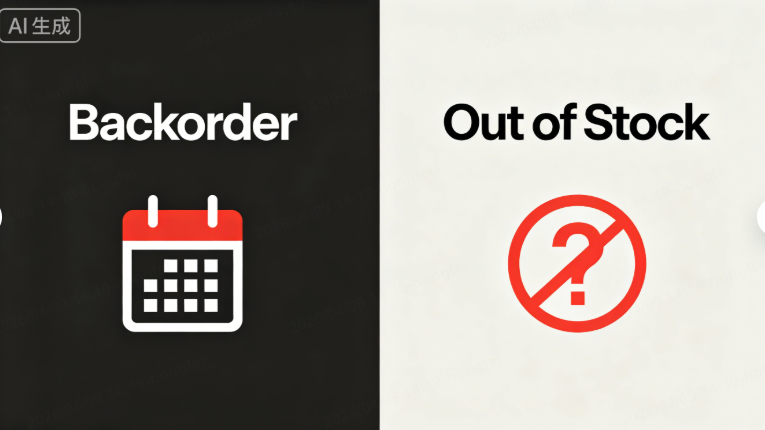
In the fast-paced world of global B2B procurement, inventory management is the lifeblood of your operations. Whether you are a brand owner, a wholesale distributor, or a manufacturer, accurately distinguishing between backorder vs out of stock is not just about terminology—it is about protecting your revenue, maintaining customer trust, and optimizing your supply chain efficiency. olimpwarehousing agilescs lightspeedhq
Many businesses lose valuable sales and damage their reputation by treating these two inventory states as identical. In this comprehensive guide, we will break down the fundamental differences, explore the operational implications, and provide expert strategies to leverage both scenarios to your advantage, especially when sourcing through platforms like LooperBuy.
Table of Contents
Understanding the Core Differences
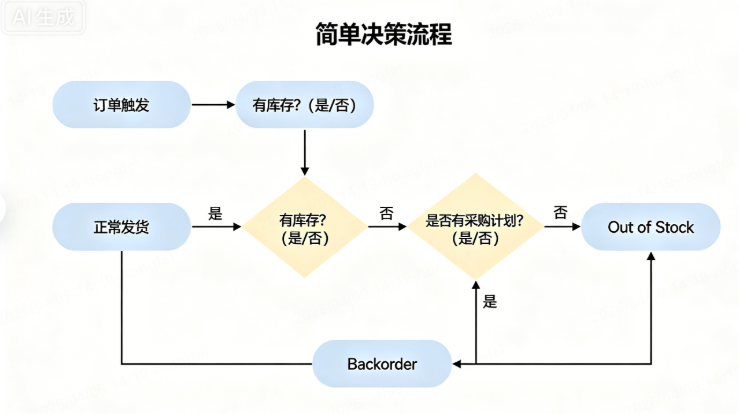
At a high level, both backorder and out of stock signify that a product is not currently on the shelf. However, the operational and financial trajectories for each are vastly different. olimpwarehousing lightspeedhq deckcommerce
What is a Backorder?
A backorder occurs when a customer places an order for an item that is temporarily unavailable but has a confirmed or expected replenishment date. agilescs lightspeedhq In essence, it is captured demand that aligns with future supply. agilescs
- Customer Perspective: “I can order this now, and it will be shipped as soon as it arrives.” olimpwarehousing
- Business Perspective: Sales momentum continues. You are securing demand against future inventory, effectively bridging the gap between current stockouts and incoming supply. agilescs metrobi
What is Out of Stock?
Being out of stock (stockout) means a product is currently unavailable, and there is no confirmed plan or date for replenishment. olimpwarehousing lightspeedhq
- Customer Perspective: “The item is unavailable. I cannot purchase it, and I have no idea when it will return.” olimpwarehousing
- Business Perspective: Sales are halted. Without a clear replenishment timeline, you risk losing customers to competitors who have the product available immediately. lightspeedhq netsuite
Comparative Overview: Backorder vs Out of Stock
| Feature | Backorder | Out of Stock |
|---|---|---|
| Availability | Temporarily unavailable | Unavailable |
| Purchasing | Customer can still place orders olimpwarehousing | Purchasing is usually halted olimpwarehousing |
| Replenishment | Confirmed / Expected date agilescs | Indefinite / Unknown lightspeedhq |
| Sales Impact | Protects revenue momentum agilescs | Results in lost sales lightspeedhq |
| Customer Trust | Maintained through transparency agilescs | At risk due to uncertainty lightspeedhq |
Why Proper Labeling Matters for Your Supply Chain
Effective inventory management is about visibility and communication. deckcommerce Mislabeling a simple out-of-stock item as a backorder creates a “promise” you cannot keep, which is a fast track to damaging your B2B relationships. Conversely, labeling a backorder as out of stock means you are actively turning away revenue. agilescs linkedin
Expert Insight: The Cost of Uncertainty
“One retailer told me their customer satisfaction scores jumped 23% after implementing real-time inventory tracking and clear status communication,” notes a logistics expert. linkedin In B2B, where purchase volumes are high, this percentage represents a significant impact on your bottom line.
Strategies for Managing Inventory Shortages
To thrive, you must adopt a proactive approach. Here are actionable strategies for your team:
- Leverage Real-Time Data: Use platforms that offer real-time visibility into supplier inventory. With LooperBuy, the ability to source directly globally allows you to tap into a wider pool of suppliers, reducing the frequency of both backorders and stockouts.
- Define Clear Communication Policies: If an item is on backorder, communicate the estimated ship date at the time of purchase. netsuite Never leave a B2B partner in the dark.
- Implement Safety Stock: Analyze sales trends to maintain a buffer of high-demand products, preventing the transition from “in-stock” to either of these states. inecta
- Diversify Your Sourcing: Relying on a single supplier is risky. Use a global sourcing platform to identify alternative suppliers who can fulfill demand when your primary source is struggling.
Enhancing User Experience (UX) on Your B2B Platform
To minimize the negative impact of these scenarios on your platform, consider these UX enhancements:
- Visual Indicators: Use clear, color-coded status badges on product pages—Green for “In Stock,” Yellow for “Backorder” (with expected date), and Red for “Out of Stock.”
- Proactive Notifications: Allow customers to sign up for “Back in Stock” alerts for out-of-stock items.
- Alternative Recommendations: If an item is out of stock, automatically display similar products or alternatives that are currently available to keep the customer in your ecosystem.
Leveraging LooperBuy for B2B Success
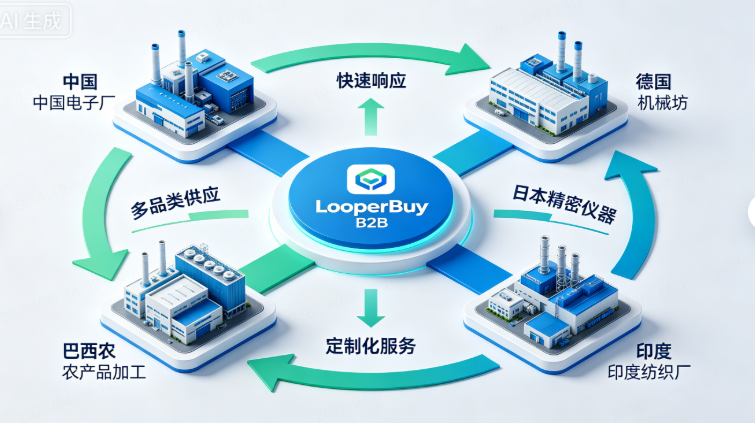
By utilizing a platform like LooperBuy, you bridge the gap between global demand and Chinese manufacturing capabilities. Our one-stop sourcing approach ensures that when your domestic suppliers face delays, you have the agility to source from alternative global manufacturers instantly, turning potential stockouts into manageable backorders, or better yet, securing immediate supply.
Frequently Asked Questions (FAQ)
1. Can a customer cancel a backordered item?
Yes, in most B2B agreements, customers retain the right to cancel a backorder if the shipping deadline is missed or if the wait becomes unfeasible for their own production cycles. netsuite
2. How do I prevent backorders from becoming out-of-stock situations?
Focus on accurate demand forecasting and maintain strong, diversified relationships with suppliers to ensure you always have a secondary path to inventory. inecta
3. Does holding backorders improve my cash flow?
It helps capture revenue that would otherwise be lost, but it requires efficient logistics to ensure that as soon as inventory arrives, it is processed and shipped to the customer immediately. agilescs netsuite
4. When should I mark a product as out of stock instead of backordered?
Use “out of stock” when replenishment is indefinite, the product is discontinued, or you have no reliable information from your supplier regarding when stock will return. speedcommerce
5. How does global sourcing help reduce stockout issues?
Global sourcing provides you with a larger pool of suppliers, allowing you to bypass regional supply chain bottlenecks and find manufacturers who can fulfill orders even when your local market is constrained. inecta
References
- Olimp Warehousing – Backorder vs Out of Stock: Key Differences
- Agile SCS – What Is A Backorder? Explained
- Lightspeed – Backorder vs Out of Stock: What’s the Difference?
- Inecta – The Comprehensive Guide to Backorders
- Orders In Seconds – Backorder vs Out of Stock
- Phase V – Backorder vs Out of Stock: A Guide
- Metrobi – Backorder vs Out of Stock: Full Meaning
- Deck Commerce – Understanding Backorder vs Out-of-Stock
- Midwest Assembly, Warehouse & Distribution – LinkedIn
- NetSuite – Backorder: Definition, How to Manage
- Speed Commerce – Backorder vs Out of Stock Guide 2026
Brief Summary:
This guide explores the critical distinction between “backorder” vs “out of stock” in B2B supply chains. Backorders represent captured demand with confirmed restock dates, while stockouts indicate indefinite unavailability. The article provides expert insights into leveraging these scenarios to protect revenue, improve customer experience, and utilize platforms like LooperBuy for global, flexible sourcing to minimize operational disruption.
Hot tags: B2B supply chain management, Global sourcing strategy, Inventory management optimization, Wholesale inventory control, Backorder management tips, Reducing out-of-stock rates, B2B e-commerce fulfillment, International product procurement, Supplier diversification, B2B order fulfillment process.