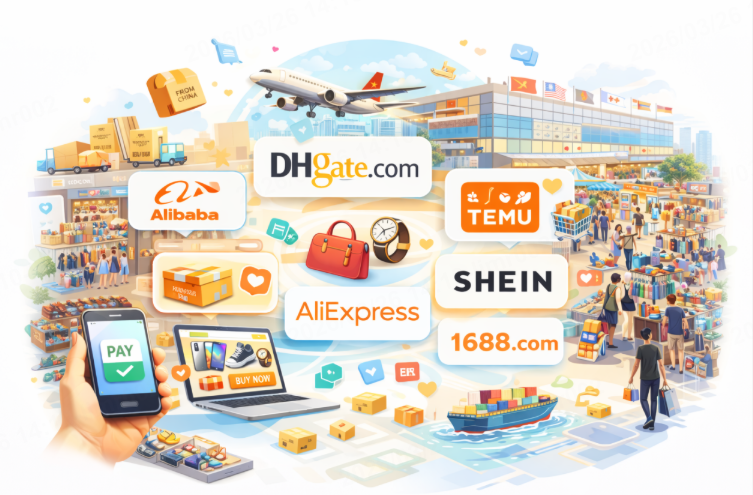
The rapid expansion of global commerce has brought the powerhouse of Chinese manufacturing directly to the fingertips of entrepreneurs worldwide. For businesses aiming to scale, securing a reliable supply chain is no longer just an advantage—it is a necessity. At the heart of this supply chain lie the wholesale distributors in China, the critical intermediaries that bridge the vast gap between high-volume production facilities and international retail markets. Identifying, vetting, and partnering with these distributors requires a blend of cultural understanding, logistical expertise, and rigorous business strategy. This comprehensive guide outlines the methodology for navigating this complex landscape to ensure your business thrives.
Table of Contents
The Architecture of Chinese Wholesale Distribution
Understanding the structure of the Chinese wholesale market is the first step toward effective procurement. Unlike Western supply chains that are often highly streamlined, the Chinese ecosystem is diverse, consisting of various layers of distributors, ranging from massive export-import houses to highly specialized niche suppliers. Recognizing the differences between these entities is vital for managing your costs and expectations.
Differentiating Between Manufacturers and Distributors
Many buyers mistakenly assume that working directly with a factory is always the superior choice. While direct-to-factory relationships can lower unit costs for massive orders, they often lack the customer support, small-batch flexibility, and export expertise that professional wholesale distributors provide. Distributors in China often act as a buffer, handling complex tasks such as quality control, consolidating shipments from multiple factories, and managing the intricate documentation required for international shipping. For many small-to-medium enterprises, the value added by a proficient distributor far outweighs the small markup they charge on the product base price. These intermediaries are often better equipped to navigate local labor laws, raw material sourcing, and internal compliance issues that could paralyze a foreign buyer who tries to go direct too early.
Categorizing Major Distribution Hubs
Geography plays a significant role in distribution. China’s industrial landscape is highly clustered; specific cities often specialize in particular categories, such as electronics in Shenzhen, textiles in Zhejiang, or hardware in Guangdong. Wholesale distributors often congregate near these industrial zones to facilitate efficient communication and physical inspections. Understanding where your specific product category is concentrated helps you locate the most relevant and efficient distributors, as those operating within these hubs generally possess deeper networks and faster turnaround times. By aligning your business with distributors rooted in these specialized hubs, you gain access to local intelligence and infrastructure that a generic supplier simply cannot offer.
Strategies for Identifying and Vetting Partners
In an industry where thousands of entities claim to be top-tier distributors, the ability to separate professional, long-term partners from unreliable actors is a core competitive skill. Digital B2B platforms serve as a starting point, but they should never be the final destination for due diligence.
The Multi-Stage Verification Process
Effective vetting begins with a request for comprehensive business documentation, including business licenses, export permits, and relevant industry certifications. A legitimate distributor should have no hesitation in providing these. Beyond paperwork, the human element is crucial. Engage in video conferences to tour their offices or warehouses. Ask pointed questions about their history, their client base in your specific region, and their standard operating procedures for handling returns or defective goods. If a potential partner is evasive or unable to articulate their quality control protocols, proceed with extreme caution. True professionals will often provide case studies or testimonials from international clients, demonstrating their ability to handle the specific logistical challenges associated with your destination country.
The Necessity of Local Insight
Language and cultural nuances can lead to significant misunderstandings in international trade. If your operation is scaling, investing in a local sourcing agent or a third-party audit firm can provide you with eyes on the ground. These professionals can verify the legitimacy of a distributor, ensure they are not merely fronting for unreliable factories, and provide an objective assessment of their capacity to meet your production timelines. While this represents an upfront cost, it acts as an insurance policy against the much higher risks of supply chain failure. Furthermore, having a native speaker navigate the negotiation process can prevent “lost in translation” errors that often result in incorrect specifications or unauthorized product substitutions.
Mitigating Financial Risk through Secure Channels
Financial security is the bedrock of any successful trade relationship. Never settle for payment methods that offer no recourse, such as untraceable direct wires or transfers to personal accounts. Always utilize established platforms that provide Trade Assurance or similar escrow mechanisms. These systems ensure that funds are only released to the distributor once the product has met the agreed-upon standards or has been verified as shipped. Additionally, when scaling, discuss progressive payment terms with your distributor. Starting with a 30% deposit and 70% upon successful pre-shipment inspection encourages the distributor to maintain high quality, as the bulk of their payment is contingent on your approval of the final goods.
Managing Quality Control and Supply Chain Logistics
Once a partnership is established, the focus shifts to maintaining standards and ensuring the seamless flow of goods across borders. Quality management is not a static agreement but an ongoing dialogue between the buyer and the distributor.
Establishing Quality Benchmarks
Never rely on the distributor’s promise that a product is “good quality.” Quality must be defined in objective, measurable terms within your purchase agreements. This includes material specifications, dimensions, performance benchmarks, and aesthetic standards. For complex products, providing detailed technical drawings or high-resolution images is essential. Furthermore, mandate pre-shipment inspections (PSI) conducted by an independent party. This ensures that the goods are inspected against your specific requirements before they leave the country, preventing the nightmare of receiving a full container of substandard items. By establishing a culture of “quality first” from the onset, you force your partners to implement more rigorous internal testing protocols, which benefits everyone involved.
Streamlining International Logistics
Logistics is the final hurdle in the wholesale process. A professional Chinese wholesale distributor should have established relationships with freight forwarders and a solid understanding of international shipping regulations. They should be able to provide multiple shipping options based on your speed requirements and budget. You must also maintain a clear understanding of Incoterms, such as FOB, CIF, or EXW, to ensure that liability and costs are clearly delineated. A proactive distributor will help you navigate these terms, ensuring that your goods are properly classified for customs, which minimizes the risk of clearance delays or unexpected tariff adjustments. Relying on a distributor’s existing logistics network can also provide you with volume-based shipping discounts that you would be unable to secure independently.
Cultivating Long-Term Business Alliances
Wholesale procurement should be viewed as a partnership rather than a series of transactional exchanges. The most successful businesses distinguish themselves by how they manage their relationships with their Chinese counterparts over years, not just weeks.
Incentivizing Performance and Reliability
Distributors manage a multitude of clients, and they prioritize those who are easy to work with and reliable. Being a “preferred customer” means paying invoices on time, providing clear and consistent feedback, and keeping your distributors informed about your future product needs. When a distributor views you as a partner, they are more likely to notify you of raw material price drops, prioritize your orders during peak production seasons, and collaborate with you on exclusive product designs. This level of cooperation is often the secret ingredient to maintaining a sustainable margin in competitive retail markets. If a supplier knows they can rely on your consistent volume, they will work harder to solve the inevitable challenges that arise in global trade.
Adapting to the Evolution of Global Trade
The Chinese wholesale market is not static; it is rapidly incorporating advanced technology, automation, and sustainable practices. As your business grows, seek out distributors who are also evolving. A distributor that invests in digital inventory management, environmentally conscious packaging, or automated production tools is a partner that will help you stay ahead of the curve. Keep an open line of communication regarding market trends in your home country, as this transparency helps your distributors prepare for your future demands, creating a cycle of mutual growth and innovation. Embracing these technological shifts ensures that your supply chain remains as modern and efficient as the products you are selling to your customers.
Conclusion
Successfully sourcing through wholesale distributors in China is a sophisticated endeavor that balances risk management with growth potential. By adopting a disciplined approach to verification, prioritizing transparent communication, and establishing rigorous quality standards, you can effectively leverage the immense capabilities of the Chinese manufacturing sector. The key to sustainable success lies in viewing your supply chain partners as extensions of your own business—when you invest in their reliability, they invest in your long-term prosperity.
Unlock seamless access to premium Chinese manufacturing and scale your business effortlessly by starting your wholesale journey today athttps://looperbuy.com/
Related Questions & Answers
How can I verify the credibility of a wholesale distributor in China?
· Credibility is verified by requesting official business licenses, checking their registration in government databases, and requiring references from their existing international clients. A professional distributor should be transparent and willing to engage in video meetings to show their facility.
Is it better to buy from a factory or a wholesale distributor?
· There is no one-size-fits-all answer. Factories offer lower costs for massive volumes, while wholesale distributors provide greater flexibility in order size, better customer support, and essential services like shipment consolidation and quality control for smaller or growing businesses.
What are the common risks when working with Chinese distributors?
· The primary risks include receiving substandard or defective goods, communication breakdowns, intellectual property theft, and shipping delays. These are mitigated by conducting thorough due diligence, using written contracts with clear specifications, and utilizing third-party inspections.
What is the purpose of a third-party quality inspection?
· A third-party inspection serves as an objective check performed before the goods leave the factory. It ensures that the product meets the specific requirements outlined in your contract, which helps prevent issues with damaged or non-compliant inventory after it reaches your warehouse.
How can I negotiate better terms with my distributor?
· You can negotiate better terms by demonstrating consistent order volume, paying on time, and building a long-term relationship. As you prove your reliability as a client, distributors are more willing to offer more favorable payment terms, lower minimum order quantities, and faster production priority.
Hot Tags:
Wholesale China, Global Sourcing, Supply Chain Management, B2B Trade, Import Strategies, Supplier Verification, International Procurement, Quality Control, Logistics Solutions, Manufacturing Networks, Trade Partnerships, Business Expansion, E-commerce Logistics, Factory Audits, Product Distribution, Sustainable Trade, Cross-border Commerce, Strategic Sourcing, Market Intelligence, Vendor Relationship Management, Risk Mitigation, Inventory Optimization, Global Procurement, Trade Compliance, Scalable Manufacturing, Private Label Sourcing, Cost Efficiency, Operational Excellence, Tech-driven Sourcing, Future-ready Supply Chains.