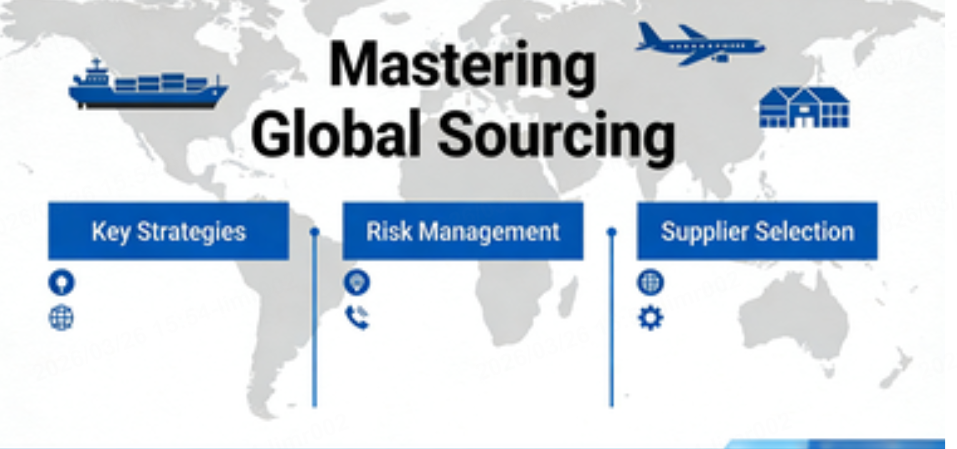
The global marketplace has been profoundly reshaped by the accessibility of Chinese manufacturing. For entrepreneurs and established retailers alike, sourcing products directly from the source offers unparalleled opportunities for margin expansion and product differentiation. However, navigating the landscape of Chinese industrial production and digital trade platforms requires a strategic approach that balances ambition with caution. This guide explores the essential mechanisms for successfully engaging with the Chinese wholesale ecosystem, ensuring that your business can leverage global supply chains effectively and safely.
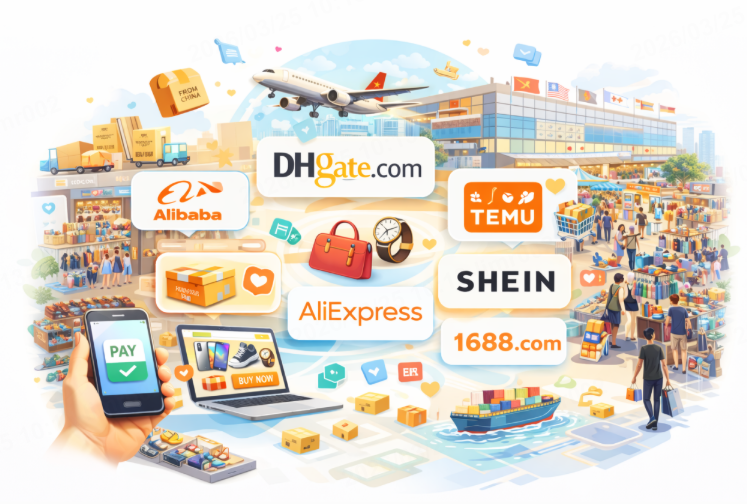
Table of Contents
Understanding the Landscape of Chinese Wholesale
The Chinese B2B ecosystem is vast, ranging from massive, publicly traded industrial platforms to smaller, specialized portals. Success in this environment begins with recognizing that there is no one-size-fits-all solution for every buyer. Whether you are a startup founder looking for your first product or a scaling brand seeking to optimize production costs, understanding the differences between B2B and consumer-facing platforms is the foundational step.
Navigating Digital B2B Platforms
Most professional buyers rely on B2B-specific platforms that are designed to bridge the gap between global demand and Chinese manufacturing output. These platforms often provide features such as trade assurance, supplier verification, and integrated logistics support. When engaging with these platforms, it is important to treat the digital storefront as a starting point rather than the final destination. A professional profile is a good indicator of legitimacy, but it should be supplemented by direct communication, detailed inquiries, and an assessment of the supplier’s responsiveness. It is wise to look for platforms that offer escrow services, which hold your payment until you have confirmed the goods match the agreed-upon standards, providing a crucial layer of financial protection.
Distinguishing Between Factories and Trading Companies
A common point of confusion for new importers is the difference between a direct manufacturer and a trading company. A factory operates the machinery and produces the goods, whereas a trading company acts as an intermediary, sourcing products from various factories. While factories may offer lower base costs, they often require higher minimum order quantities (MOQs) and may lack the specialized export experience of a trading company. Trading companies, conversely, can provide more flexible service, consolidated shipping options, and language support, which can be invaluable for smaller businesses. Understanding who you are dealing with helps in setting realistic expectations regarding lead times, communication styles, and the ability to customize products. Sometimes, a trading company is the better choice for a startup, while a direct factory relationship becomes essential once your volume justifies the logistical complexity.
Core Strategies for Secure Sourcing
Security is the primary concern for any buyer engaging with overseas partners. The distance and regulatory differences mean that traditional legal recourses are difficult to pursue. Therefore, preventive measures are your best defense against quality issues, communication failures, or financial loss.
The Importance of Supplier Verification
Never assume that a badge or a premium subscription status on a platform guarantees quality or financial stability. Verification should be an active process conducted by the buyer. Request business licenses, certifications relevant to your industry, and photographic or video evidence of the production facility. If a supplier refuses to provide basic business documentation or avoids video calls to showcase their operations, this is a major red flag that should prompt you to look elsewhere. Always conduct a background check by verifying the supplier’s name, address, and legal representative. In many cases, it is worth the modest investment to hire a local consultant or a professional verification service to physically visit the site, examine the production lines, and verify that the company is indeed what it claims to be.
The Power of Sample Testing
The most critical step in any wholesale transaction is the physical evaluation of a sample. Digital images and product descriptions are insufficient for assessing build quality, material feel, or functional reliability. A sample order allows you to verify not only the product itself but also the supplier’s commitment to quality control and shipping timelines. If a supplier is unwilling or unable to provide a high-quality sample before a bulk order is placed, you are taking an unnecessary risk with your capital. During this phase, stress-test your samples. Does the material hold up under daily use? Is the packaging robust enough to survive international shipping? Documenting these tests and sharing your findings with the supplier also serves as a baseline for the quality expected in the final production run.
Optimizing Logistics and Quality Control
Once you have identified a reliable partner and verified the product quality, the focus must shift to the logistics of getting the goods from the factory floor to your warehouse. This phase is fraught with hidden costs and potential delays if not managed with precision.
Managing Quality Control at the Source
Quality control (QC) is not a one-time event; it is an ongoing process. Relying solely on the supplier to inspect their own goods is a recipe for disaster. For large orders, it is standard practice to employ a third-party inspection service. These professionals visit the factory, check the goods against your specifications, and ensure that the shipment is packed correctly before it leaves the country. This small investment can save you thousands of dollars in returns, damaged goods, or ruined brand reputation. You should define your acceptable quality limits (AQL) clearly in your contract, ensuring that the inspector knows exactly what defects are considered deal-breakers. By maintaining an independent QC protocol, you keep your suppliers accountable and ensure that quality remains consistent across every batch.
Navigating International Shipping and Customs
Shipping logistics from China can be complex, involving multiple hand-offs between domestic transport, international freight, and local delivery. Understanding the difference between shipping terms, such as FOB (Free on Board) and CIF (Cost, Insurance, and Freight), is vital for cost control. Additionally, you must be fully aware of the import regulations, tariffs, and taxes in your destination country. Failure to properly classify your goods or declare their value can lead to customs seizures, hefty fines, and prolonged delays that can cripple your business flow. Working with a qualified freight forwarder who specializes in China-to-your-country shipping can simplify this process, as they can navigate the complexities of documentation, handle customs brokerage, and provide real-time tracking for your cargo.
Financial Management and Currency Considerations
Currency fluctuations and payment security are often overlooked until a deal is already in motion. Most wholesale transactions are conducted in US dollars, but if you are operating from a different currency zone, fluctuations can significantly impact your bottom line. Establish a payment schedule that favors the buyer, such as 30% deposit and 70% upon proof of shipment, rather than 100% upfront. Be wary of any supplier who insists on non-traditional payment methods like untraceable wire transfers to personal bank accounts. Always use secure, traceable business channels to ensure that your financial footprint is protected and that you have a clear paper trail for tax and accounting purposes.
Cultivating Long-term Supplier Relationships
Wholesale sourcing is not meant to be a transactional race to the bottom. The most successful importers prioritize the development of long-term partnerships over chasing the absolute lowest unit price on every single order.
Building Trust Through Communication
Chinese suppliers value consistency and clarity. When you communicate your needs precisely, pay on time, and provide constructive feedback, you become a preferred customer. A supplier who views you as a long-term partner is far more likely to prioritize your orders during peak production seasons, offer better payment terms, and collaborate with you on product development or custom designs. It is also beneficial to cultivate a personal rapport. Simple gestures like sending seasonal greetings or visiting the factory in person when possible can go a long way in strengthening the bond between you and your Chinese counterparts, transforming a cold business exchange into a supportive professional ecosystem.
Scaling Up and Negotiating Terms
As your business grows, your leverage with suppliers increases. Once you have established a track record of reliable, repeat orders, you can renegotiate terms that were previously unavailable. This might include lower MOQs, faster production timelines, or even exclusive rights to certain product variations. Always approach negotiations from a position of mutual benefit, aiming to create a relationship that supports both your profit margins and the supplier’s operational capacity. Remember that sustainable success in wholesale is built on shared growth; if your supplier thrives because of your consistent business, they will inevitably work harder to ensure your success in the competitive retail market.
Adapting to Market Trends and Innovations
The landscape of Chinese manufacturing is constantly evolving. Factories are increasingly adopting advanced automation, sustainable production methods, and innovative designs. By staying in touch with your suppliers, you can get insights into emerging trends before they hit the mass market. Encourage your partners to suggest material improvements or design tweaks that could enhance the functionality of your products. This collaborative innovation can set your brand apart, allowing you to offer unique, high-quality goods that your competitors simply cannot replicate. Staying ahead of the curve requires an active, ongoing dialogue with your source, ensuring that your inventory remains relevant and your offerings remain fresh.
Conclusion
Successfully navigating the world of wholesale online shopping from China is a skill that evolves with experience and strategic diligence. By prioritizing supplier verification, conducting thorough sample testing, managing quality control professionally, and building genuine partnerships, you can transform the risks of international trade into a sustainable, competitive advantage for your business. Success is found in the details—clear communication, rigorous oversight, and a commitment to quality ensure that the global supply chain becomes a reliable engine for your long-term commercial growth. As you refine your processes and deepen your industry connections, the complexities of importing will transition into a streamlined operation that serves as the foundation for your brand’s future expansion and profitability.
Unlock seamless access to premium Chinese manufacturing and scale your business effortlessly by starting your wholesale journey today at https://looperbuy.com/.
Related Questions & Answers
· How can I determine if a Chinese supplier is legitimate?
Verify their legitimacy by requesting their business license and checking it against official Chinese government registries. Additionally, prioritize suppliers who are responsive to detailed questions, are willing to provide references from other international clients, and can offer verifiable proof of their factory operations through video calls or third-party audits.
· Is it necessary to use a sourcing agent when buying wholesale?
While not mandatory, a reputable sourcing agent can be incredibly valuable, especially for beginners or those managing complex orders. They act as your eyes and ears on the ground, handling tasks like finding suppliers, negotiating prices, conducting quality inspections, and managing logistics, which significantly reduces the risk of scams or shipping errors.
· What is the most effective way to handle quality control?
The most effective approach is to implement a multi-layered QC strategy. This includes ordering samples before the main production, clearly defining product specifications in your purchase agreement, and hiring a professional third-party inspection service to perform a pre-shipment inspection at the factory to verify that the final goods meet your quality standards.
· What does MOQ mean, and how can I manage it?
MOQ stands for Minimum Order Quantity. It represents the smallest volume of a product that a supplier is willing to manufacture or sell in a single order. You can manage high MOQs by negotiating directly with the supplier for smaller initial quantities, focusing on standard product items rather than custom designs, or using a sourcing agent to consolidate orders from different factories.
· What are the common pitfalls I should avoid?
Common mistakes include failing to request and test physical samples, neglecting to verify the supplier’s background, ignoring the costs of customs and import duties, failing to have a clear, written contract detailing product specifications, and relying entirely on the supplier for quality control without independent oversight.
Hot Tags:
Global Sourcing, Wholesale China, B2B Trade, Import Strategies, Supplier Verification, Supply Chain Management, E-commerce Growth, Manufacturing Quality, Logistics Optimization, International Procurement, Trade Assurance, Customs Compliance, Freight Forwarding, Factory Audits, Product Sourcing, Scaling Business, Profit Margins, Sustainable Supply, Strategic Partnerships, Wholesale Market, Import Regulations, Global Trade, Quality Control Systems, Market Intelligence, Business Expansion, Emerging Trends, Industrial Innovation, Cross-Border E-commerce, Vendor Relations, Inventory Management.