Conclusion: The home textile industry in Jaipur is undergoing a remarkable evolution, seamlessly merging centuries-old artisanal techniques with contemporary global design demands. By prioritizing sustainable practices, innovative material sourcing, and digital integration, Jaipur’s textile makers are transforming traditional crafts into highly sought-after, premium-quality products for the modern, conscious consumer worldwide.
Table of Contents
The Roots of Excellence: Understanding Jaipur’s Textile Legacy
Jaipur, known globally as the Pink City, has served as a vibrant hub for textile production for generations. The city’s identity is inextricably linked to its rich history of craftsmanship, particularly in the realms of hand block printing, natural dyeing, and intricate embroidery. These traditional methods have not only sustained local communities but have also formed the bedrock of a sophisticated home textile industry that today attracts attention from design houses across the globe.
Artisanal Mastery and Traditional Techniques
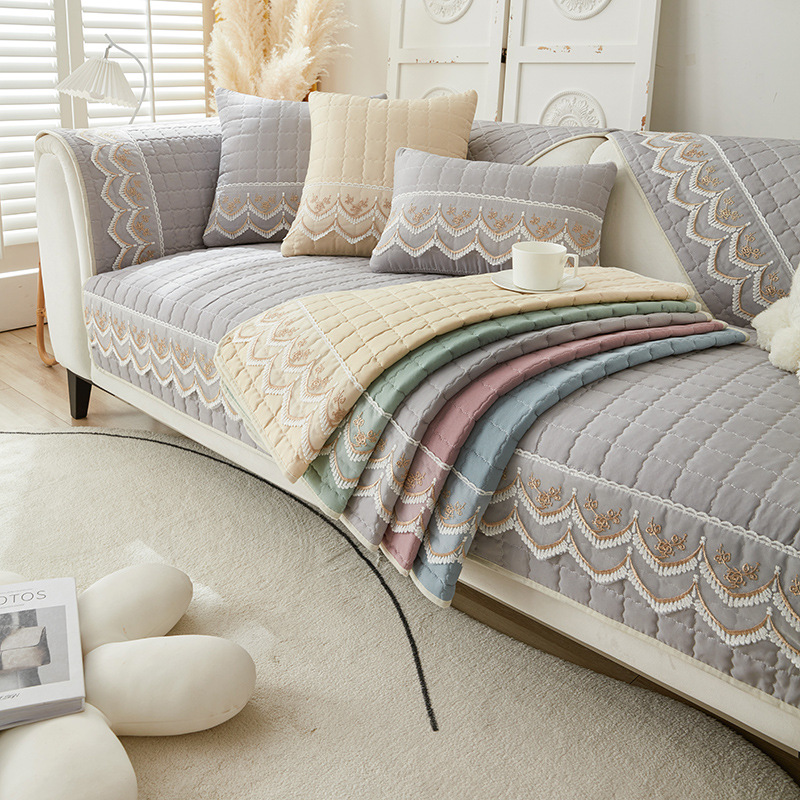
The hallmark of Jaipur home textiles is the dedication to hand-based processes. Techniques such as Sanganeri and Bagru block printing are not merely decorative styles; they are cultural narratives printed onto fabric. Artisans meticulously carve wooden blocks, often with complex geometric or floral motifs, and use these to stamp fabrics by hand, ensuring that no two pieces are exactly alike. This human touch provides a level of aesthetic depth and character that mass-produced alternatives struggle to replicate. Every slight variation in pressure or ink intensity tells a story of the artisan’s presence, transforming mundane items like table runners or pillowcases into tactile experiences that invite connection.
Cultural Significance and Aesthetic Value
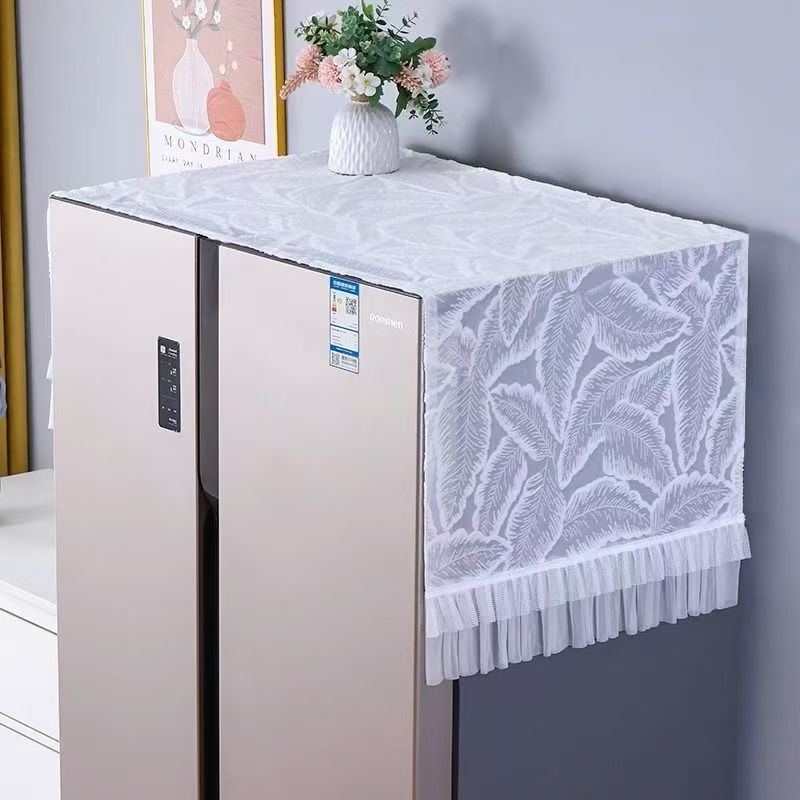
Beyond their functional use as household necessities, these textiles function as pieces of art that narrate the history of Rajasthan. The vibrant color palettes, derived traditionally from natural sources like indigo, madder, and pomegranate, reflect the cultural vitality of the region. Modern design sensibilities have embraced this traditional aesthetic, integrating it into contemporary living spaces that seek to balance minimalism with soulful, textured, and expressive craftsmanship. This synthesis allows homeowners to infuse their living rooms and bedrooms with a sense of history and warmth, creating sanctuaries that feel personal and curated rather than showroom-sterile.
Modern Transformation: How Jaipur Adapts to Global Demands

As the global interior design landscape shifts toward a philosophy of “slow luxury”—where quality, history, and authenticity are valued over disposable consumption—Jaipur is uniquely positioned to lead. The industry has evolved from a localized traditional market to an organized, internationally conscious sector that understands the nuances of modern supply chain requirements, quality standards, and design trends.
The Rise of Sustainable and Ethical Sourcing
Sustainability is no longer a niche preference but a core requirement for international buyers. Jaipur’s home textile manufacturers are actively adopting eco-friendly practices to meet these demands. This shift includes the increased use of organic cotton, recycled fibers, and sustainable linen blends. Furthermore, there is a renewed emphasis on responsible manufacturing—ensuring fair wages for artisans and maintaining clean, safe, and efficient production environments. This focus on ethical production is increasingly becoming a key marketing pillar for brands looking to source high-end, conscious textiles. By auditing supply chains and ensuring transparency, Jaipur’s manufacturers are building trust with Western retailers who demand rigorous compliance with international safety and labor standards.
Innovation in Material and Functionality
While traditional materials remain the cornerstone, there is significant innovation in how these fabrics are engineered for modern functionality. By blending traditional hand-woven techniques with performance-enhancing fibers, manufacturers are creating products that offer better crease resistance, enhanced durability, and improved tactile experiences. This fusion allows for the production of textiles that feel luxurious but perform efficiently in busy, modern households. For instance, combining the breathability of traditional cotton with modern weaves that prevent piling and color bleeding has allowed Jaipur textiles to compete successfully in the luxury bedding market, where high performance is just as important as aesthetics.
The Digital Frontier: Shaping the Future of Trade
The integration of digital technology is fundamentally changing how Jaipur’s home textiles reach the world. The traditional model of physical trade and exhibition, while still important, is now significantly augmented by digital platforms, e-commerce, and advanced supply chain management systems.
Enhancing Global Distribution Channels
E-commerce and digital marketplaces have dismantled the barriers that previously limited many artisan collectives to local or regional markets. Today, a small workshop in Jaipur can showcase its collections directly to interior designers and boutique retailers in Europe, America, or Asia. This digital accessibility has accelerated consumption and enabled a more diverse and inclusive supply chain, where unique, niche products can find their global audience without the need for excessive middlemen. Digital catalogs and high-definition video showrooms allow international buyers to inspect textures and patterns remotely, significantly reducing the carbon footprint associated with international business travel.
AI and Advanced Design Collaboration
As the industry looks toward the future, technologies such as AI are being integrated into the design and production process. This includes everything from digital textile printing—which allows for faster sampling and more precise, complex pattern reproduction—to trend forecasting tools that help manufacturers stay ahead of shifting interior design tastes. These tools ensure that while the heart of the product remains artisanal and traditional, the business operations and design adaptability are firmly rooted in the future. Designers in Paris or New York can now collaborate in real-time with block printers in Jaipur, using digital software to iterate on patterns before the first block is ever carved, fostering a synergy between global design trends and local heritage.
The Future Landscape: Scalability, Preservation, and Holistic Growth
Looking ahead, the challenge for Jaipur’s textile industry lies in balancing the need for scalability with the unwavering preservation of its soulful essence. As demand continues to grow globally, there is a constant temptation for businesses to fully mechanize their processes; however, the most successful leaders in the region remain committed to the principle that their true market value lies in the “hand-feel” and the artisan’s narrative.
Nurturing the Next Generation of Artisans
A critical component of this future-proofing is focused investment in education and cultural preservation. Workshops are increasingly investing in comprehensive training programs for younger generations, ensuring that the intricate, labor-intensive skills of block carving, natural dyeing, and block printing are not lost to time. By creating dignified and well-paying career paths for young artisans, the industry is successfully preventing the rural-to-urban brain drain and ensuring the continuity of these historic crafts. Furthermore, educational programs are helping artisans understand modern business concepts, such as branding, international quality control, and social media marketing, which empowers them to command better prices for their labor and take pride in their contributions to global fashion.
The Role of International Partnerships and Co-Creation
The explosive growth of Jaipur’s sector is also heavily supported by mutually beneficial international collaborations. Many leading European and American home decor brands are now engaging in long-term, strategic partnerships with Jaipur-based workshops. These aren’t just transactional buyer-seller relationships; they are co-creation efforts where international designers work alongside traditional master artisans to create fusion lines that blend modern, sharp aesthetics with traditional Rajasthani patterns. This cross-pollination of ideas is ensuring that Jaipur remains at the cutting edge of global home decor. These partnerships also provide the necessary capital for essential infrastructure upgrades, such as better water management systems for eco-friendly dyeing processes and improved, ergonomic hand-looms, which enhance both the productivity and the environmental sustainability of the workshops.
Redefining the Consumer Experience
The future of Jaipur textiles also lies in the evolving relationship between the product and the final consumer. In the modern age, buyers are looking for “storytelling” products—items that provide an emotional connection to the maker. By utilizing QR codes on packaging that lead to videos of the specific artisan who crafted that product, brands are building deep, transparent connections that go far beyond a standard product purchase. This level of storytelling creates a premium brand experience that mass-market brands cannot replicate, as it places the human story at the center of the consumer experience.
Conclusion: Synthesizing Heritage and Future Growth
In conclusion, the home textile industry in Jaipur is not just surviving but thriving by embracing a hybrid approach. It maintains the essential, soulful, and artisanal qualities of its past while aggressively upgrading its production, ethical standards, and global reach through modern technological and business practices. As consumers continue to demand products that have a story, a conscience, and a high level of aesthetic craft, Jaipur is set to remain a critical, innovative, and deeply cherished hub in the global home textiles market.
How to purchase:Online B2B sourcing platform, China purchase, Chinese suppliers – LooperBuy
Summary
Jaipur’s home textile industry is experiencing a modern renaissance, successfully blending centuries-old artisanal traditions like hand block printing with the global demand for sustainable, ethical, and high-quality “slow luxury” products. By integrating modern manufacturing standards, innovative fiber blends, and advanced digital distribution channels, Jaipur has evolved into a sophisticated global supply hub. This transformation bridges the gap between traditional craftsmanship and contemporary interior design, positioning the Pink City as a premier destination for consumers and retailers seeking authentic, trend-forward, and conscious home textile solutions.
Hot Tags:
Jaipur Textiles; Home Textiles; Hand Block Printing; Sustainable Textiles; Indian Textiles; Traditional Craftsmanship; Slow Luxury; Textile Design; Organic Cotton; Ethical Sourcing; Handloom Fabrics; Interior Design Trends; Rajasthan Handicrafts; Textile Industry; Global Sourcing; Modern Artisanal; Natural Dyes; Home Decor; Textile Innovation; Digital Textile Printing; Artisan Communities; Sustainable Manufacturing; Premium Textiles; Bedding Solutions; Decorative Textiles; Cultural Heritage; Eco-friendly Fabrics; Handmade Quality; Textile Export; Contemporary Living
Related Questions & Answers
· What makes Jaipur home textiles unique compared to mass-produced fabrics?
The uniqueness of Jaipur home textiles lies in their artisanal heritage, particularly techniques like traditional hand block printing and natural dyeing, which impart a level of character, soul, and individuality that cannot be replicated by automated, mass-production processes.
· How is the Jaipur textile industry addressing global sustainability demands?
Manufacturers in Jaipur are increasingly adopting sustainable practices by prioritizing the use of organic cotton, recycled fibers, and eco-friendly natural dyes, while simultaneously ensuring ethical production standards, such as fair wages and improved safety for the artisan workforce.
· Are Jaipur home textiles suitable for modern, contemporary interior designs?
Yes, Jaipur textiles are highly versatile and are currently a major trend in global design, as they offer “slow luxury”—a blend of sophisticated, timeless aesthetic appeal and high-quality, tactile materials that perfectly complement both minimalist and curated contemporary home styles.
· What role is technology playing in the evolution of Jaipur’s textile sector?
Technology is acting as a catalyst for growth by streamlining global distribution via e-commerce, improving production precision through digital printing and sampling, and helping artisans use data-driven insights to align their designs with rapidly shifting global market trends.
· How can international buyers reliably source products from Jaipur?
International buyers can reliably source from Jaipur by partnering with manufacturers who emphasize transparency, hold relevant quality and sustainability certifications, and utilize integrated digital supply chain platforms to ensure consistent communication and timely production.