The global landscape of home decoration is undergoing a profound transformation, driven by shifting consumer values, rapid technological integration, and a renewed emphasis on sustainability. At the heart of this evolution lies the Intertextile Shanghai Home Textiles fair, a premier platform that serves not merely as an exhibition, but as a critical barometer for the international home and contract textile industry. By connecting global suppliers with a burgeoning Asian market, the event has solidified its status as an indispensable ecosystem for professionals navigating the complexities of modern interior design and manufacturing.
Table of Contents
The Evolution of a Global Industry Hub
Since its inception, Intertextile Shanghai Home Textiles has evolved alongside the dynamic demands of the global textile supply chain. Over the past three decades, the event has witnessed and facilitated the maturation of the Chinese home textile market, transforming it into a sophisticated manufacturing powerhouse that now balances high-volume production with design-led innovation.
Bridging East and West in Interior Design
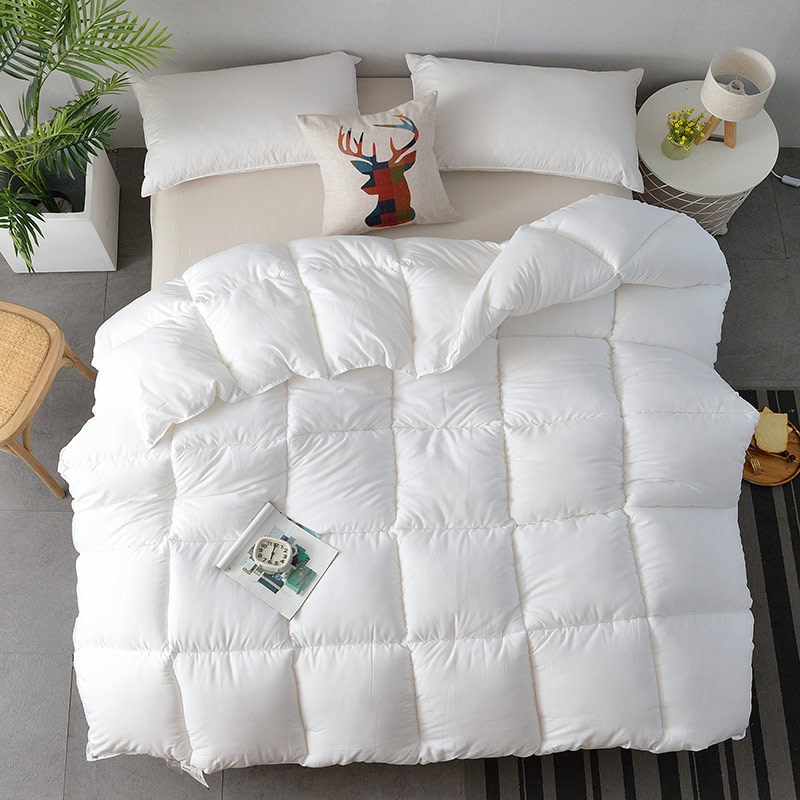
The fair functions as a vital bridge, connecting diverse international interests. For overseas suppliers, it represents an irreplaceable gateway into the Chinese market, while simultaneously offering domestic manufacturers a stage to showcase their growing capabilities to global buyers. This unique convergence fosters cross-border collaboration, enabling firms from Europe, the Americas, and the Middle East to engage directly with Asian production giants. The result is a more integrated global market where design trends, material advancements, and supply-chain strategies are synchronized to meet the evolving needs of homeowners and commercial clients worldwide.
Sustaining Momentum Through Strategic Zoning
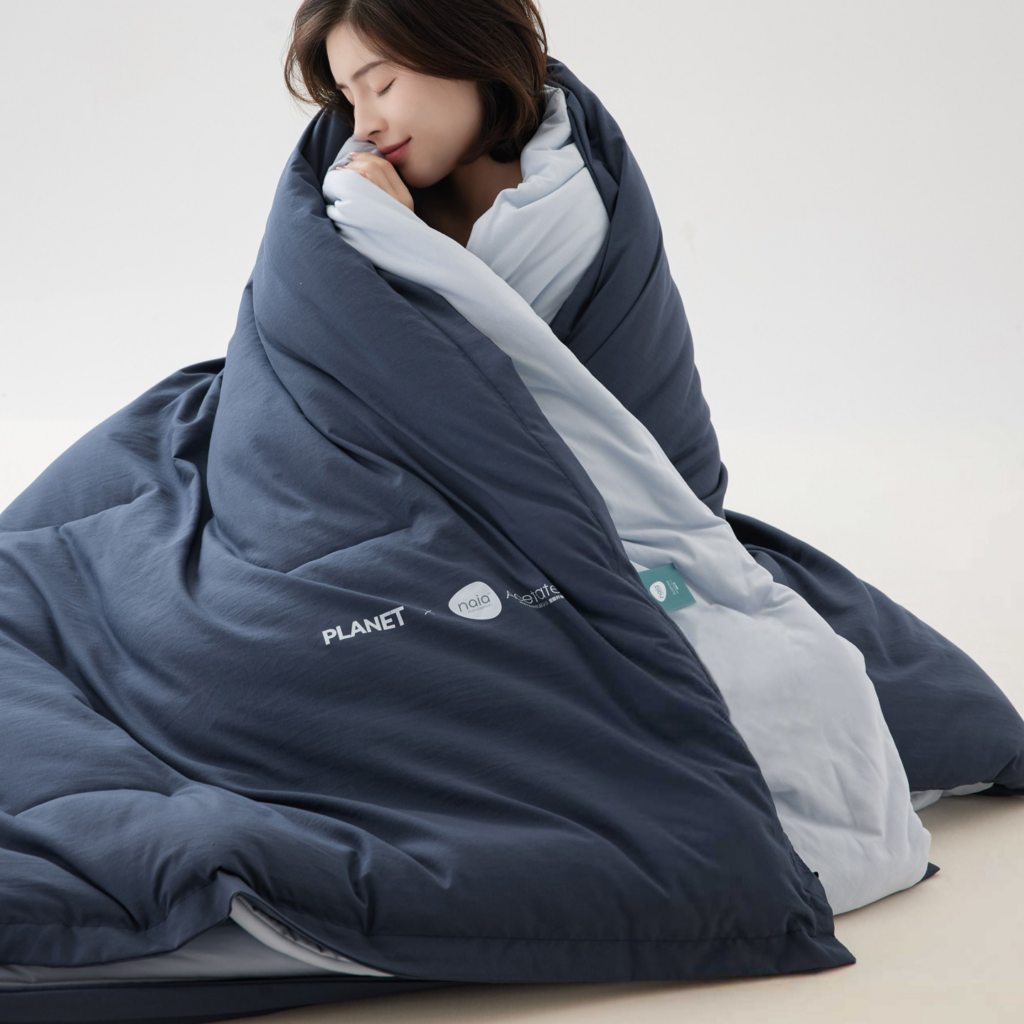
To accommodate the diverse needs of its vast attendee base, the event employs a strategic approach to organization. By segmenting the exhibition floor into dedicated zones—covering everything from curtains, upholstery, and carpets to wall coverings and bedding—the fair ensures an efficient sourcing journey for professional buyers. This structured environment allows retailers, interior designers, and wholesalers to navigate the complex market landscape with clarity, facilitating targeted partnerships that drive efficiency and innovation in product development.
Core Pillars Shaping Modern Home Textiles
The influence of Intertextile Shanghai Home Textiles extends far beyond its role as a marketplace. It acts as an incubator for industry-defining trends, with sustainability and smart technology emerging as the two most significant pillars guiding future growth.
Sustainability as the New Standard
Sustainability is no longer a peripheral concern but a core requirement within the home textiles sector. The fair emphasizes this shift by spotlighting eco-conscious materials, such as recycled, degradable, and organic fibers. Leading exhibitors frequently debut collections that harmonize aesthetics with environmental responsibility, demonstrating that high-design products can coexist with carbon-conscious manufacturing processes. Through specialized displays and industry forums, the fair encourages participants to adopt circular economy models, effectively pushing the entire supply chain toward greater transparency and reduced environmental impact. This movement is not just about raw materials; it encompasses the entire life cycle of a product, from water-efficient dyeing techniques to low-impact supply chain logistics.
Technological Integration and the Sleep Economy
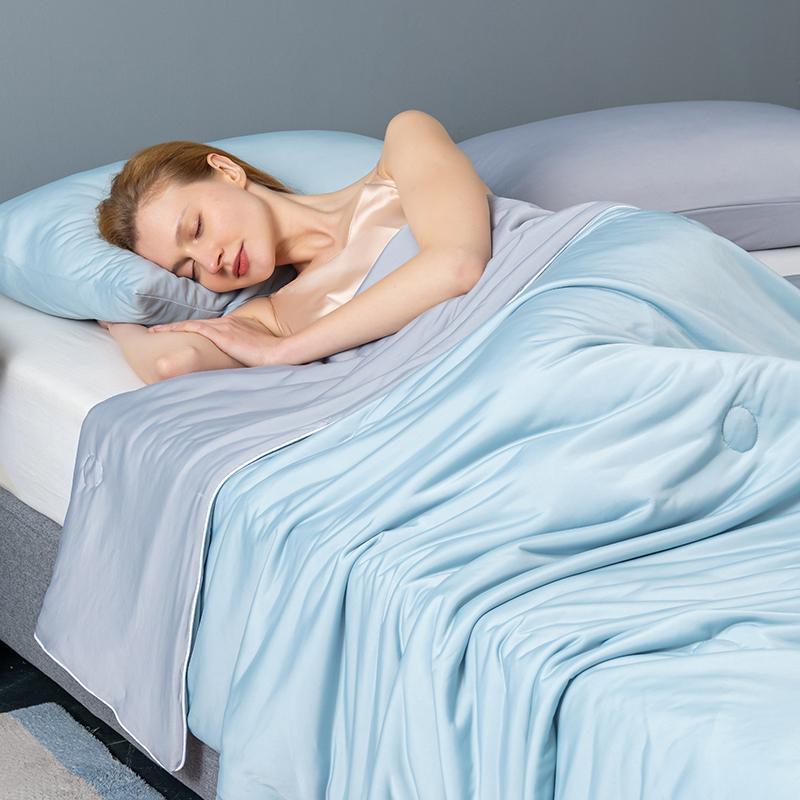
As digital transformation permeates all aspects of home life, the industry is seeing an influx of “smart” textile solutions. These innovations range from high-performance materials with anti-allergy and antibacterial properties to technologically integrated products designed to enhance wellness. A significant focus at recent editions has been the “sleep economy,” where researchers and manufacturers collaborate to produce bedding solutions that optimize sleep quality. By exploring the nexus of health, comfort, and technology, the event prepares industry professionals to meet the demands of a consumer base increasingly focused on holistic wellness and personalized home environments. Smart textiles now feature temperature-regulating fibers, moisture-wicking properties, and even integrated sensors that interface with mobile applications to monitor sleep patterns, marking a transition from decorative textiles to functional lifestyle tools.
Digitalization of Manufacturing and Design
Beyond the final product, the fair explores how Industry 4.0 is reshaping the manufacturing floor. Exhibitors showcase advanced digital printing technologies that allow for smaller batch production with high design complexity, enabling brands to react faster to consumer trends without the high cost of traditional stock inventory. Digital design software and virtual showroom technologies are also increasingly prevalent, allowing designers to visualize and iterate products in real-time, significantly reducing lead times and design waste. This digital shift empowers smaller design studios to compete with larger corporations, as barriers to entry regarding production scale are being lowered by these technological advancements.
The Role of Knowledge Exchange in Business Empowerment
A distinguishing feature of the fair is its robust fringe program. Recognizing that product quality must be matched by market insight, organizers curate a comprehensive schedule of seminars, forums, and networking opportunities. These sessions are designed to empower industry players, providing them with the necessary tools to navigate market disruptions and embrace new opportunities.
Trend Forecasting and Design Inspiration
Through collaborations with renowned forecasting agencies, the fair presents exclusive previews of upcoming design directions. These insights help brands, designers, and manufacturers align their collections with shifting aesthetic preferences. By contextualizing macro-trends within the specific realm of home textiles, the fair enables professionals to transform abstract concepts into tangible product offerings, ensuring that they remain competitive in a rapidly evolving market. Whether it is the move toward “biophilic” designs that bring nature indoors or the resurgence of traditional craft techniques modernized for contemporary spaces, the fair provides the roadmap for success in the upcoming seasons.
Cultivating Collaborative Growth
Beyond the structured educational sessions, the fair serves as a fertile ground for informal networking. The atmosphere encourages open dialogue between manufacturers, retailers, and design firms, fostering a culture of collaboration. This environment is particularly conducive to Business-to-Business (B2B) engagements, where long-term strategic partnerships are formed. By bringing together diverse experts from across the value chain, the event fosters an ecosystem where cross-disciplinary knowledge exchange becomes the standard for driving collective success. This networking is critical in a globalized economy where supply chain resilience and relationship management are often just as important as the quality of the textile itself.
Navigating the Future of Contract Business
The “contract” segment—supplying textiles to hotels, hospitals, office spaces, and other public facilities—is a critical component of the fair. As public spaces demand higher performance standards, such as flame retardancy, durability, and easy maintenance, the fair acts as a testing ground for innovations in this sector. Designers and project managers flock to the fair to source textiles that not only meet strict safety codes but also contribute to the emotional and functional experience of commercial spaces. By catering specifically to the needs of the contract market, the fair helps drive advancements in textile performance, ensuring that public interiors are as durable as they are aesthetically pleasing.
The Resilience and Future Outlook of the Textile Sector
As we look toward the future, the resilience of the home textile industry, as observed through the lens of Intertextile Shanghai, is evident. Despite global economic fluctuations and changing retail habits—such as the rapid growth of e-commerce—the industry remains focused on tactile, quality-driven experiences. Consumers continue to prioritize the home as a sanctuary, driving sustained interest in high-quality furnishings.
Adaptive Retail and Omni-channel Strategies
The rise of e-commerce has fundamentally changed how textiles are marketed and sold. At the fair, manufacturers are increasingly showcasing products that are “e-commerce ready”—designed with packaging, photography, and online presentation in mind. Discussions on omni-channel strategies have become a focal point, as retailers seek to provide a seamless transition between online inspiration and in-store experience. This adaptation is ensuring that the physical tactile nature of textiles remains relevant in a digital-first marketplace, proving that innovation in sales channels is just as vital as innovation in fiber technology.
Global Market Connectivity and Cultural Exchange
Intertextile Shanghai is not just a showcase of products; it is a manifestation of global cultural exchange. When designers from Milan collaborate with weavers from Zhejiang, or when South American retailers source patterns from traditional Chinese textile houses, the result is a rich tapestry of cross-cultural design. This exchange enriches the global aesthetic, preventing market stagnation and encouraging the blending of techniques that result in truly unique consumer goods. This interconnectedness is the ultimate strength of the industry, ensuring that as long as people value comfort and beauty in their living spaces, there will be a vibrant, evolving market to serve them.
Conclusion
Intertextile Shanghai Home Textiles stands as a cornerstone of the modern interior industry, serving as a dynamic platform where innovation, sustainability, and market demand converge. As it continues to navigate the complexities of the global landscape, the fair remains essential for any professional aiming to stay at the forefront of interior design and manufacturing, providing both the inspiration and the tangible business opportunities necessary to succeed in a changing world.
How to purchase:Online B2B sourcing platform, China purchase, Chinese suppliers – LooperBuy
Summary
Intertextile Shanghai Home Textiles is recognized as Asia’s leading international platform for the home and contract textile industry. Held annually with spring and autumn editions in Shanghai, the fair serves as a critical bridge between global suppliers and the evolving Chinese market. It highlights essential industry trends, including sustainable manufacturing, technological innovation, and the growing focus on wellness-driven “sleep economy” products. Through a combination of comprehensive product displays, strategic market zoning, and insightful fringe programming, it empowers professionals across the supply chain to foster international partnerships, share design inspiration, and navigate the future of global home living.
Hot Tags:
Home Textiles; Intertextile Shanghai; Textile Industry; Interior Design; Sustainable Fabrics; Smart Textiles; Sleep Economy; Trade Fair; Sourcing Platform; Global Supply Chain; Textile Innovation; Upholstery Fabrics; Bedding Trends; Contract Textiles; Home Decoration; Market Insights; Eco-conscious Design; Textile Manufacturing; Design Trends; Business Networking; Industry Empowerment; Circular Economy; Material Science; Retail Partnerships; Textile Technology; Consumer Market; Future-ready Textiles; International Trade; Professional Buyers; Home Living
Related Questions & Answers
· What makes Intertextile Shanghai Home Textiles a significant event for global professionals?
It acts as a primary trade platform that bridges Eastern and Western markets, providing an efficient sourcing hub and a barometer for current design, sustainability, and technological trends in the home textile industry.
· How does the fair support the industry’s shift toward sustainability?
The event features dedicated zones for eco-friendly materials and hosts educational fringe programs that discuss green innovations, helping manufacturers and designers adopt more sustainable and circular business practices.
· What is the focus of the “sleep economy” trend within the exhibition?
This trend highlights the growing consumer interest in wellness, featuring smart textiles, functional bedding solutions, and research-backed products designed to improve sleep health and overall quality of life.
· Who should attend Intertextile Shanghai Home Textiles?
The fair is designed for a broad range of industry professionals, including manufacturers, interior designers, retail buyers, wholesalers, and researchers interested in the latest developments in fabrics and home decoration.
· How do the fair’s fringe programs benefit participants?
The programs provide deep insights through forums and seminars, offering trend forecasting, market analysis, and networking opportunities that help attendees stay competitive, identify new business partners, and understand future consumer demands.