In the realm of interior design and home organization, functionality is just as critical as aesthetics. Often, the difference between a static, cumbersome piece of furniture and a versatile, dynamic asset lies in the small components that facilitate movement. Small furniture casters, frequently available at retailers like Lowes, are the unsung heroes of domestic mobility. These compact mechanical devices transform heavy, immovable objects into agile solutions, allowing homeowners to reconfigure spaces, improve cleaning efficiency, and customize the utility of everything from coffee tables to storage units. Understanding the nuances of these hardware components—such as load capacity, wheel material, and attachment methods—is essential for anyone looking to upgrade their living environment.
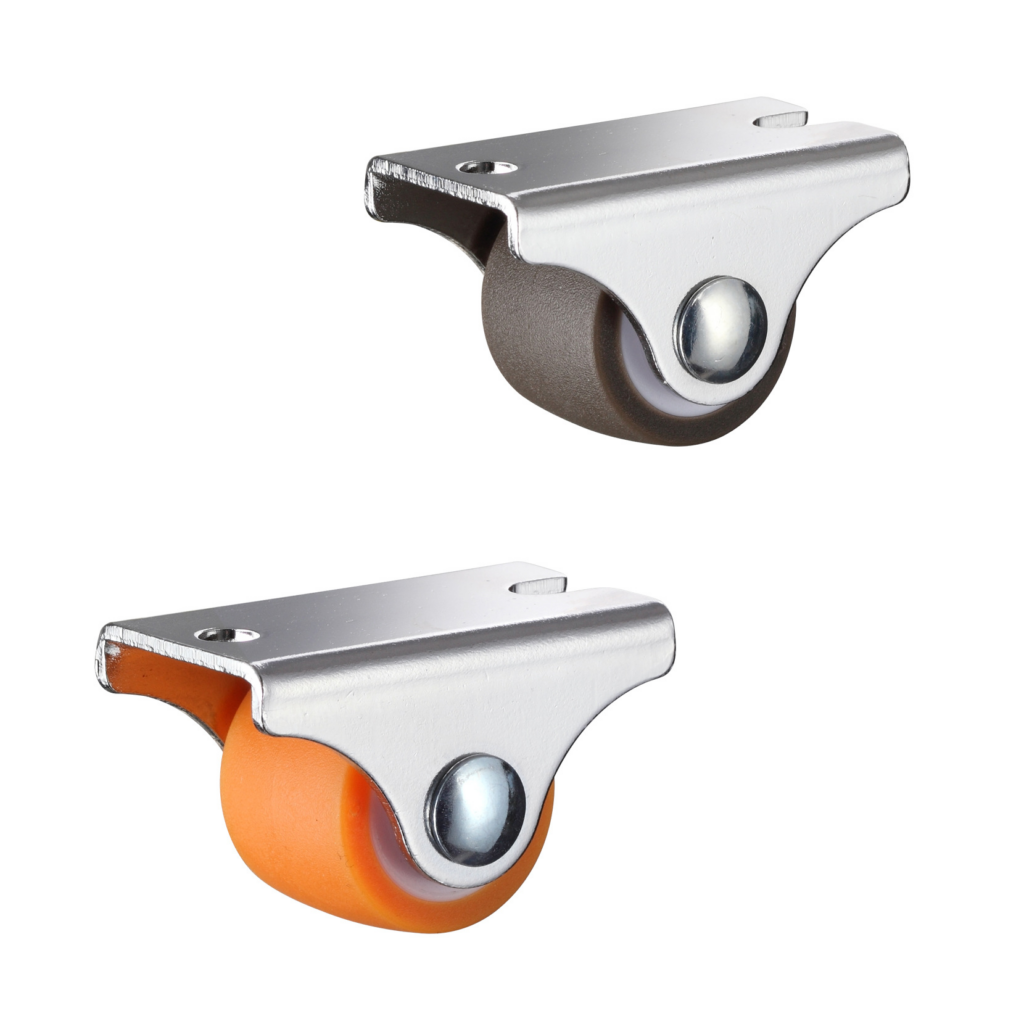
Table of Contents
The Versatility of High-Quality Casters
Casters are not merely utilitarian additions; they are design elements that dictate how your furniture interacts with your floor space. Whether you are aiming to create a flexible home office or a kitchen that can be cleared at a moment’s notice, selecting the right caster is paramount.
Understanding Load Capacity and Weight Distribution
The most common mistake when selecting furniture hardware is underestimating the weight a caster needs to support. A caster’s rated capacity is generally based on the assumption that all four wheels are sharing the load equally. However, uneven floor surfaces or sudden movements can shift this weight unexpectedly. When browsing for options at a major hardware retailer, always calculate the weight of the furniture item plus the maximum weight of the objects intended to be stored on or within it. It is always safer to opt for casters with a higher weight rating than strictly necessary to account for dynamic stress and ensure the longevity of the wheels. Consider that when furniture is pushed over a door transition or a rug, the sudden impact can double the effective weight on a single caster for a split second.
Material Science in Floor Protection
The material of the wheel is the decisive factor in how your furniture impacts your flooring. Hard plastic or metal wheels, while incredibly durable and capable of bearing heavy loads, can cause significant damage to hardwood or delicate tile floors over time. Conversely, soft rubber or polyurethane wheels provide a cushioned interface, minimizing the risk of scratches, scuffs, or dents. If your furniture resides on thick carpet, you will need a larger, harder wheel to prevent the caster from sinking and becoming difficult to maneuver. Balancing the hardness of the wheel with the surface it will traverse is the key to both silent movement and floor preservation. Furthermore, consider the temperature fluctuations in your home; certain synthetic materials may harden or become brittle in extreme cold or heat, affecting their longevity.
The Role of Precision Ball Bearings
For those seeking the smoothest possible movement, looking for casters that feature dual-ball bearing raceways is highly recommended. These internal components reduce friction significantly, allowing for effortless rotation and directional changes, even under heavy loads. If you have ever felt your furniture “stick” when trying to turn a corner, it is usually because the swivel mechanism is not properly lubricated or lacks high-quality bearings. Investing in premium casters with sealed bearings also prevents dust and hair from clogging the mechanism, extending the maintenance interval significantly.
Navigating Attachment Mechanisms
How a caster connects to your furniture piece determines its stability, safety, and visual integration. Different mounting methods offer varying degrees of strength and ease of installation.
Plate Mounts vs. Stem Mounts
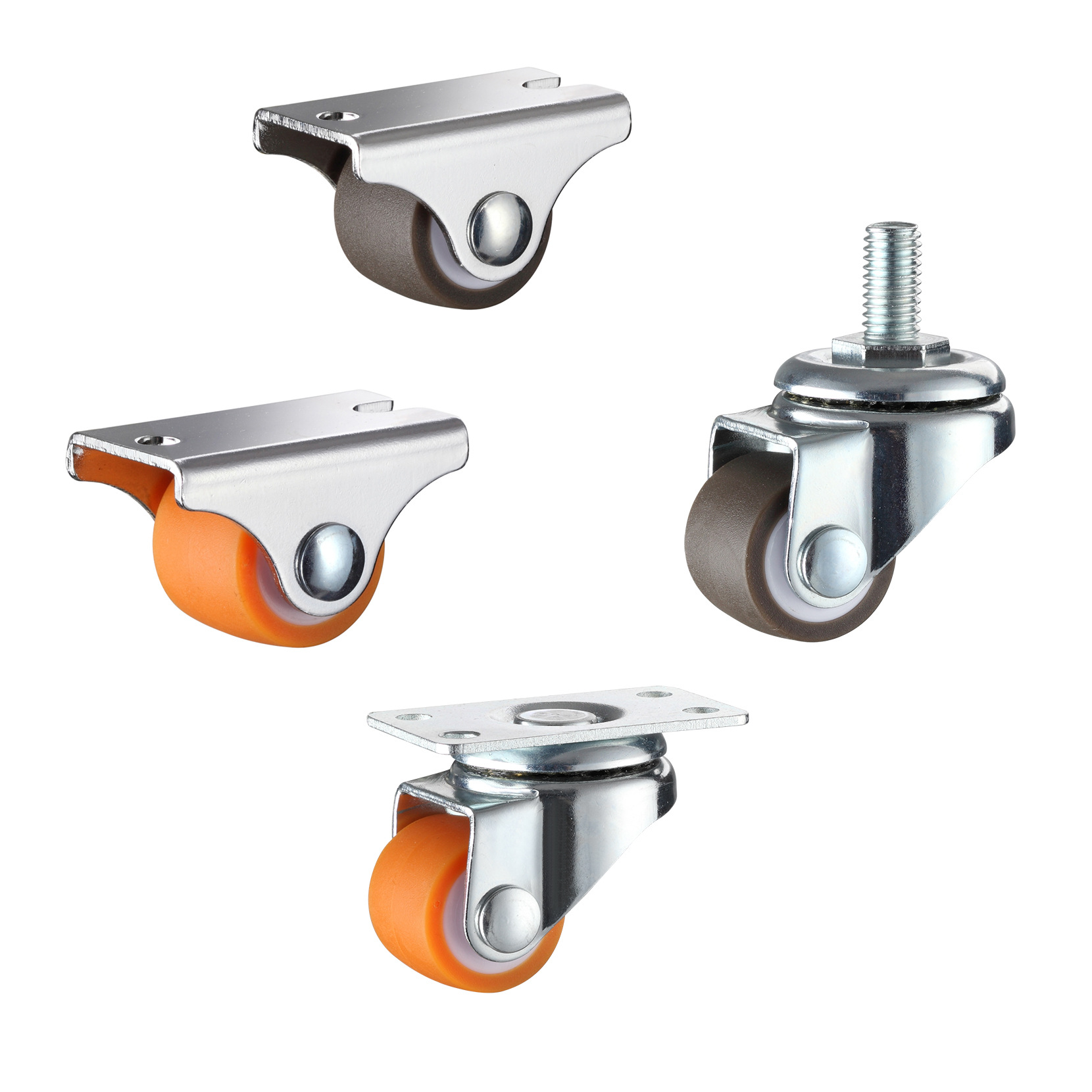
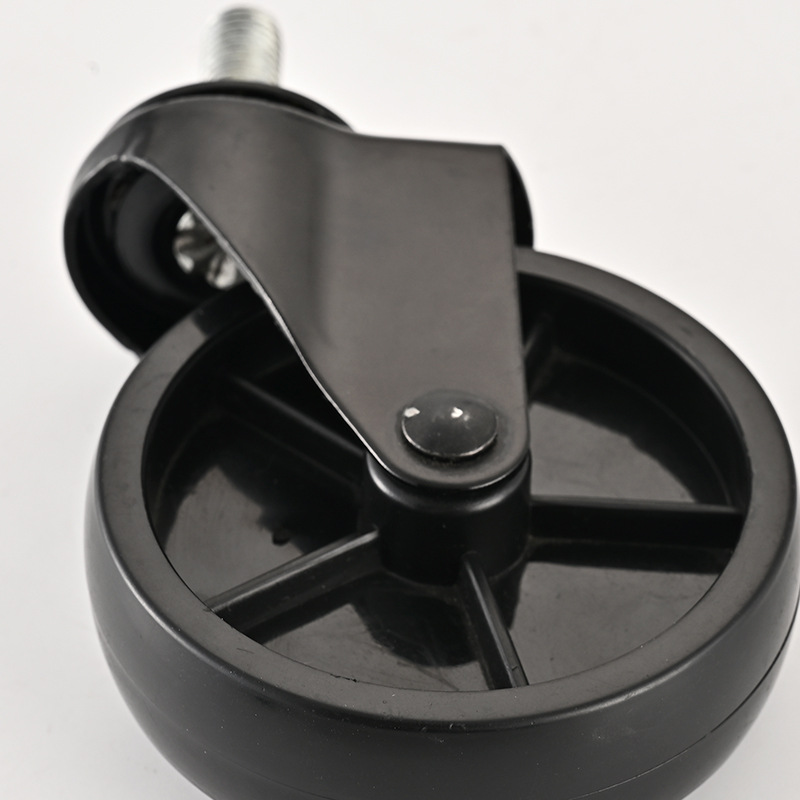
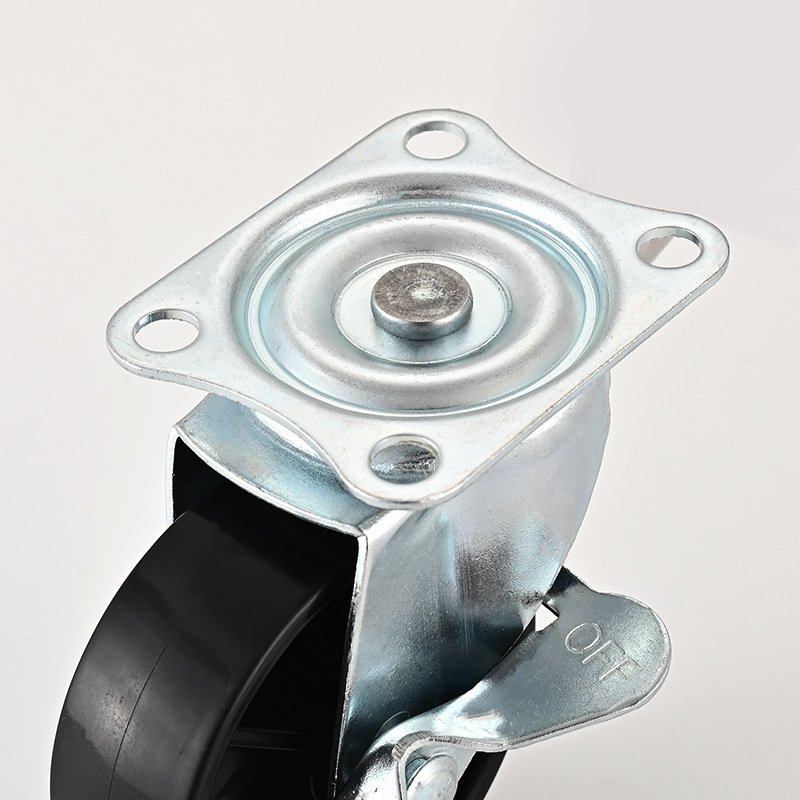
Plate mounts feature a flat metal plate that screws directly into the bottom of a furniture frame. This method is generally the most stable and can distribute weight across a larger area, making it ideal for heavy-duty furniture like storage benches or custom workbenches. Stem mounts, on the other hand, insert into a pre-drilled hole in the leg of the furniture. These can be threaded, which allows for height adjustments, or friction-fit, which is perfect for lighter, more portable items. Identifying the existing furniture construction is essential before making a purchase, as the mounting method must match the structural integrity of the base. If you are retrofitting older furniture, be aware that the leg diameter must be thick enough to support the sleeve required for a stem mount.
Swivel vs. Fixed Motion
The movement capability of a caster defines the agility of the furniture. Swivel casters rotate 360 degrees, offering unparalleled maneuverability, which is perfect for chairs or items that need to change direction frequently. Fixed casters only move in a straight line, providing maximum stability and tracking, which is preferable for long, heavy items like large cabinets. Many successful home projects utilize a combination of the two, placing fixed casters at the rear and swivel casters at the front to achieve a perfect balance of directional control and easy steering. This “shopping cart” configuration is often the most intuitive for users when dealing with substantial pieces of furniture.
Integrating Locking Mechanisms
Safety should never be an afterthought. Many modern furniture casters come equipped with locking pedals that secure both the wheel rotation and the swivel action. This is crucial for desks, tables, or storage units that need to remain stationary when in use. When choosing these, look for pedals that are easy to engage with your foot but tucked away enough to avoid accidental activation. A good locking mechanism provides peace of mind, especially in households with small children, where stable furniture is a critical safety requirement.
Advanced Sourcing and Customization Strategies
Beyond basic installation, truly professional results come from matching the right hardware to the unique demands of your home’s architecture. Not all furniture legs are created equal, and not all flooring types react the same way to rolling objects.
Retrofitting Vintage and Antique Pieces
Revitalizing an antique dresser or a classic wooden desk by adding casters is a popular way to modernize a space without losing historical charm. However, you must be extremely cautious with vintage woods, which can be prone to splitting. Always use specialized hardware inserts for stem-mount casters to reinforce the leg structure. If the legs are tapered or uniquely shaped, a top-plate mount might be impossible, requiring you to install a custom wooden base or a plywood shim that provides a perfectly flat mounting surface while remaining hidden from view. This attention to structural detail preserves the integrity of the antique while granting it newfound utility.
Designing Custom Mobile Workstations
For those building DIY workbenches or mobile kitchen islands, the caster choice is the foundation of the design. You should prioritize industrial-rated casters with heavy-duty galvanized steel forks to resist corrosion, especially in kitchen environments where humidity or spills are common. Additionally, when designing for a workbench, consider the height impact. Casters add several inches to the total height of the furniture; account for this during the planning phase to ensure your finished work surface stays at a comfortable ergonomic level. Adding a simple brake to all four wheels on a workbench provides the necessary rigidity for tasks that require significant physical pressure, such as sanding or heavy assembly.
Installation and Long-Term Maintenance
Proper installation is the final step in ensuring that your furniture remains functional and safe for years to come. Even the highest-quality hardware will fail if installed incorrectly or neglected after setup.
Precision Installation Techniques
Always ensure that the mounting surface is level and clean before attempting to attach the casters. For stem mounts, utilize the correct drill bit size to ensure a snug fit; if the hole is too large, the caster will wobble and potentially damage the furniture leg over time. For plate mounts, ensure that the screws are fully tightened and that the material of the furniture can adequately support the weight of the screws without splitting. If you are mounting onto particle board or softer wood, consider using pre-drilled pilot holes to prevent structural damage to the furniture. Additionally, using washers can help distribute pressure more evenly across the mounting surface, especially for thin baseboards.
Preventive Maintenance for Smooth Operation
Casters are prone to collecting dust, hair, and debris, which can impede movement and eventually lead to wheel failure. A simple, regular maintenance routine involves checking the swivel bearings and wheel axles for obstructions. A quick spray of silicone-based lubricant can keep the swivel mechanism working smoothly, but avoid using heavy greases that attract dust and dirt. Regularly inspect the wheels for flat spots or cracks, as these are indicators that the caster has been overloaded or is being used on an incompatible surface. By attending to these details, you ensure that your furniture remains mobile and effective for the life of the item.
Adapting to Changing Home Needs
As your home evolves, so should your furniture. Many people find that they need to change their caster configurations after a move or a change in floor covering. Keep a set of different mounting hardware and a few extra casters in your toolbox for such occasions. Being able to quickly swap out a hard wheel for a soft one when transitioning from a tile kitchen floor to a hardwood living area is a hallmark of a well-organized, proactive homeowner. This level of adaptability ensures that your home environment remains as dynamic and functional as your lifestyle requires.
The Future of Domestic Mobility
The integration of smart design into home hardware is an ongoing process. We are moving toward a future where furniture movement is not just facilitated by simple wheels, but by sophisticated, dampened systems that offer silent, effortless operation. As you curate your living space, think of every piece of mobile furniture as a modular element that can be adapted to new floor plans, social gatherings, or workspace requirements. The investment in high-quality, properly installed casters is not just a hardware purchase; it is an investment in the long-term agility and adaptability of your home.
Conclusion
Upgrading furniture with quality casters is a straightforward yet transformative project that brings newfound flexibility and utility to any home. By carefully selecting based on weight capacity, surface interaction, and mounting style, you can ensure that your mobility upgrades are both durable and effective. Embracing these functional enhancements allows you to customize your living space to meet your evolving needs, ensuring that every piece of furniture serves its purpose with ease and efficiency. Transform your living experience today by discovering the perfect mobility solutions that stand the test of time.
How to purchase:Online B2B sourcing platform, China purchase, Chinese suppliers – LooperBuy
Related Questions & Answers
· How can I determine the correct weight capacity for my furniture casters?
Calculate the weight of the furniture piece plus the maximum weight of the items you expect to store on it. Then, divide this total by three rather than four; this provides a safety buffer in case the furniture is on an uneven surface where one caster might temporarily lose contact with the floor.
· Which wheel material is safest for high-end hardwood floors?
Soft rubber, polyurethane, or thermoplastic rubber wheels are the safest choices for hardwood floors. These materials are compliant enough to roll over surfaces without leaving scratches, and they provide the quietest operation compared to hard plastic or metal alternatives.
· What is the difference between a threaded stem and a grip ring stem?
A threaded stem screws into a metal socket inside the furniture leg, allowing for a very secure connection and often some height adjustment. A grip ring stem is designed to be pushed into a pre-drilled hole, using a small metal ring to hold the caster in place via friction, which is easier to install but usually best for lighter items.
· Do I need to lock my casters if I have a tall or heavy furniture item?
Yes, locking casters are essential for safety, especially if you have children in the home or if the furniture is located on a floor that is not perfectly level. A wheel brake prevents unwanted movement, while a swivel lock can transform a swiveling caster into a fixed one for added directional stability.
· Can I replace the wheels on my current furniture without replacing the entire caster assembly?
While some industrial-grade casters allow for wheel replacement, most standard residential casters are designed as single units. If the wheel is damaged, it is generally more cost-effective and structurally safer to replace the entire caster assembly, as this ensures that the mounting plate and swivel bearings are also in optimal condition.
Hot Tags:
FurnitureMobility, CasterInstallationGuide, HomeImprovementHardware, InteriorDesignFlexibility, HeavyDutyCasters, FloorProtectionSolutions, DIYFurnitureUpgrades, WheeledStorageSolutions, WorkspaceOptimization, ResidentialCasterGuide, PrecisionHardwareSelection, MobilityEnhancement, FurnitureStabilityTips, SurfaceSafeWheels, AdjustableFurnitureLegs, DurableCasterMaterials, HomeSpaceManagement, CustomWorkstationMobility, HardwareMaintenanceTips, VersatileHomeDesign, SeamlessFurnitureMotion, ErgonomicHomeSolutions, FlooringPreservationMethods, CasterBearingQuality, RetrofittingFurnitureHardware, LoadBearingSafetyStandards, SilentRollingWheels, ModernLivingFlexibility, HouseholdMaintenanceEssentials, OptimizedSpaceUtility, AdaptiveHomeEngineering, DynamicInteriorConfigurability, PremiumWheelTechnology, SmartFurnitureUpgrades, ResilientDomesticHardware, FrictionReducedRolling, ProfessionalRenovationHardware, StructuralIntegrityInMobility, HighPerformanceCasters, VersatileHardwareSelection, SeamlessSpatialReconfiguration, UltimateHomeAgility, PrecisionEngineeredMobility, StrategicFurnitureHardwareInvestment, FunctionalHomeDesignExcellence. These essential keywords represent the foundational pillars necessary for any homeowner or design enthusiast aiming to master the art of furniture mobility. By understanding these key concepts—ranging from the intricate science of load-bearing calculations and the selection of floor-friendly synthetic materials to the meticulous implementation of various mounting methods like plate or stem attachments—you can elevate your living environment significantly. The pursuit of high-performance mobility is not just about adding wheels; it is a strategic approach to optimizing every square inch of your home. By integrating these practices, you ensure that your furniture remains functional, safe, and durable while simultaneously protecting your valuable flooring and maintaining an organized, stress-free household. Ultimately, selecting the right hardware represents a commitment to both quality and adaptability, turning static pieces of decor into dynamic, responsive tools that evolve alongside your changing lifestyle and spatial requirements in the modern, fast-paced home landscape.